A Practical Guide for UK Livestock Farmers
Bovine TB remains one of the most disruptive and costly challenges facing UK cattle farms. A single breakdown can halt sales, restrict movements, increase labour and place huge pressure on herd health and business continuity. While no single measure can eliminate risk entirely, farmers can significantly reduce exposure by tightening biosecurity and removing the key opportunities for indirect transmission.
This guide brings together the most commonly recommended TB prevention steps from UK farming bodies and shows how practical tools like the TB Buster and Universal Creep Feeder can support a stronger, more resilient TB prevention strategy.
🦠 1. Protect Feed From Wildlife Contamination
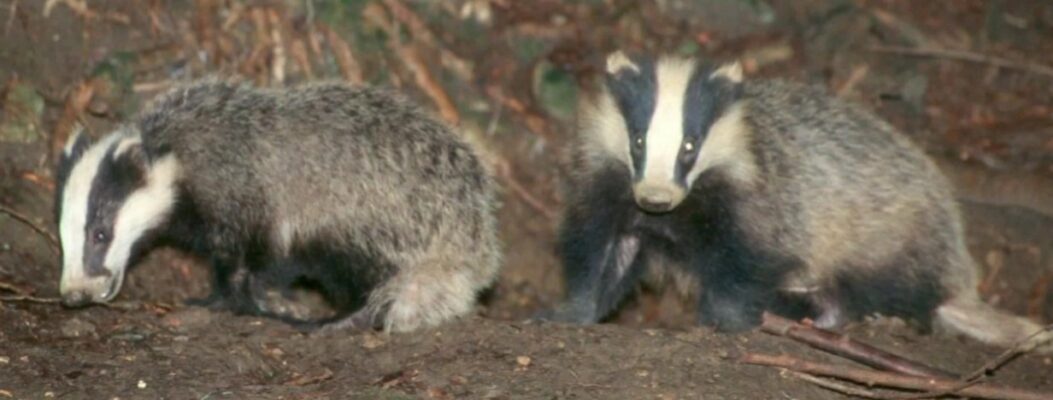
One of the most common indirect transmission routes is contaminated feed. Badgers and other wildlife can leave behind saliva, urine or faeces that cattle later ingest.
Practical steps:
- Keep feed off the ground
- Avoid open troughs in high‑risk areas
- Store feed securely
- Use wildlife‑proof feeding systems
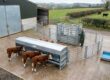
How your products help: The TB Buster is specifically designed to prevent badgers from accessing cattle feed. Its raised, enclosed structure keeps feed clean and reduces one of the biggest contamination risks on farm.
🐄 2. Reduce Indirect Contact Between Cattle and Wildlife
Badgers and cattle don’t need to meet nose‑to‑nose for TB to spread. Shared access points, feeding areas and water sources are enough.
Practical steps:
- Fence off badger runs and latrines
- Avoid placing feed near hedgerows or woodland edges
- Keep yards clean and free from spilt feed
- Raise water troughs where possible
🐮 3. Protect Calves and Youngstock
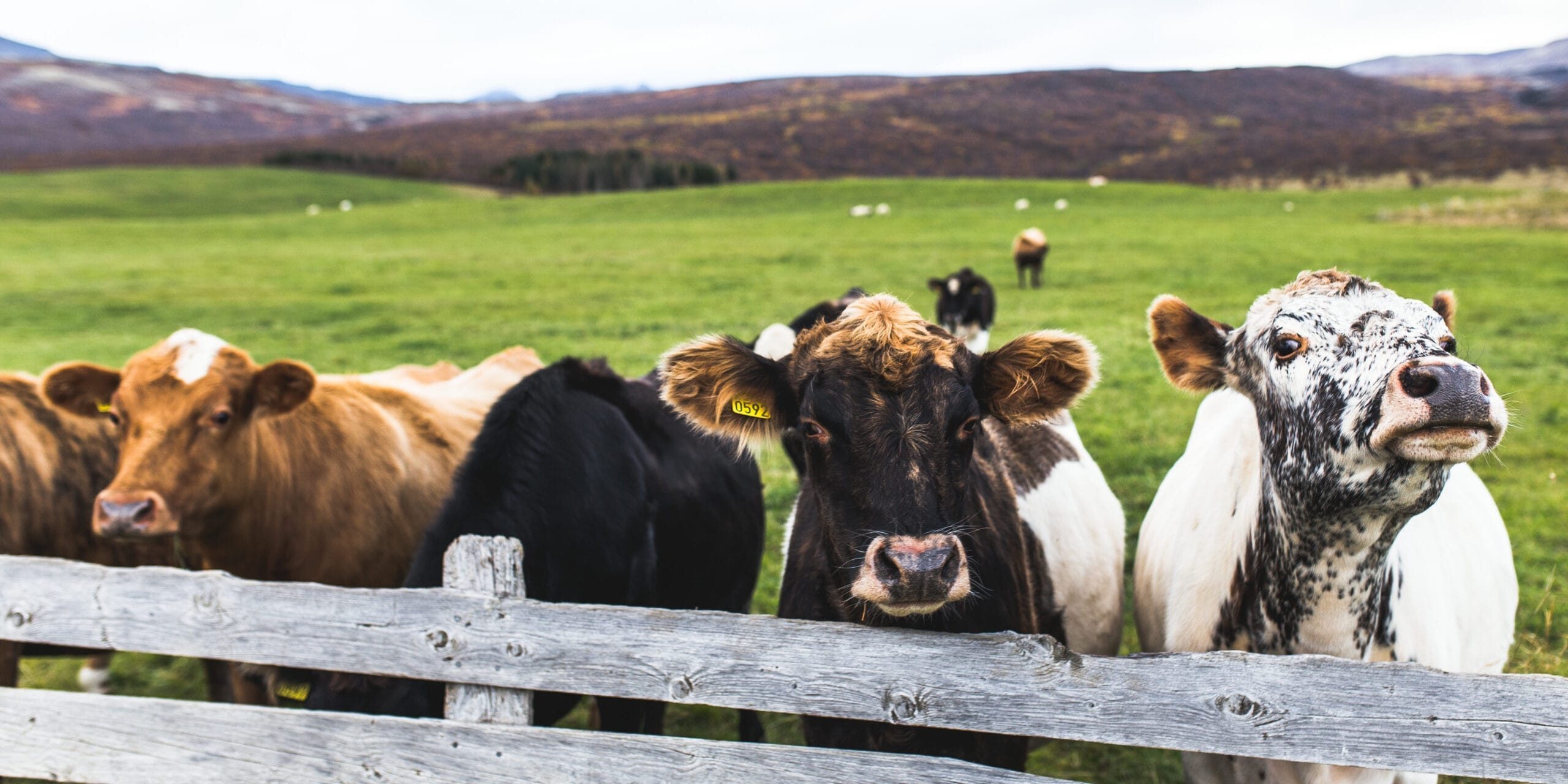
Calves are more vulnerable to infection and often feed at ground level, where contamination risk is highest.
How your products help: The Universal Creep Feeder provides a protected, calf‑only feeding environment that reduces wildlife access and keeps feed cleaner. This supports early‑life health and lowers TB exposure risk.
🧼 4. Strengthen General Farm Biosecurity
Good biosecurity reduces the spread of all diseases, including TB.
Key actions:
- Maintain clean, well‑drained handling areas
- Disinfect equipment regularly
- Manage slurry carefully
- Control visitor access
- Keep handling systems in good repair
🐾 5. Improve Yard and Handling System Design
A well‑designed yard reduces stress, improves flow and helps keep livestock away from high‑risk areas.
Your service advantage: Your Livestock Handling System Design service can incorporate TB‑safe feeding zones, controlled access points and wildlife‑proof layouts directly into new or existing systems.
🧭 6. Know Your Area’s TB Risk Status
Farmers in high‑risk and edge areas should take extra precautions. Staying informed helps you plan ahead and tighten controls during high‑pressure periods.
✔️ Final Thoughts
TB prevention isn’t about one big change – it’s about stacking small, practical measures that collectively reduce risk. By protecting feed, improving yard design and using wildlife‑proof equipment like the TB Buster and Universal Creep Feeder, farmers can significantly strengthen their TB defences and support long‑term herd health.