A practical guide for safer, faster, low‑stress livestock handling. A well‑designed yard can transform the way a farm handles cattle or sheep, reducing labour, improving safety, speeding up routine tasks and lowering stress for livestock. But even good yards often suffer from design flaws that slow everything down or make handling more difficult than it needs to be. Here’s a clear, farmer‑focused breakdown of the most common yard design mistakes we see on UK farms – and, more importantly, how to fix them.
1. Races That Are Too Wide or Too Narrow
The problem:
A cattle race that’s too wide allows cattle to turn back. A race that’s too narrow causes baulking, hesitation and stress.
The fix:
- Aim for a single‑file width that suits your herd size
- Keep sides solid to reduce distractions
- Maintain consistent width throughout the race
- Avoid sudden changes in width that cause animals to stop
A correctly sized race improves flow, reduces stress and makes handling safer for everyone.
2. Forcing Pens That Don’t Actually “Force”
The problem:
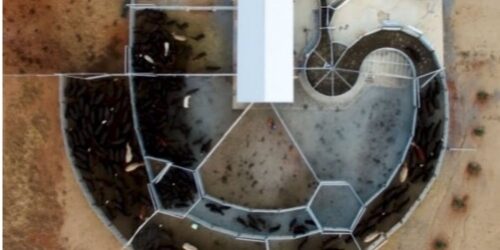
Square or poorly angled forcing tubs create dead‑ends and corners where cattle bunch up or turn back.
The fix:
- Use curved or semi‑circular forcing pens
- Remove corners where animals can get stuck
- Position the race entrance so cattle naturally move towards it
- Ensure the handler has safe access behind the animals
Good forcing pen design sets the tone for the entire handling process.
3. Poor Crush Positioning
The problem:
Cattle crushes placed in the wrong spot creates bottlenecks, awkward angles and unsafe working zones.
The fix:
- Position the crush in line with the race
- Ensure clear access for vets and handlers
- Allow space for safe entry and exit
- Avoid placing the crush near distractions like open yards or feed areas
Well‑positioned cattle equipment and crush improves safety and speeds up routine tasks like dosing, tagging and TB testing.
4. Too Many Gates – or Not Enough
The problem:
Some yards are cluttered with unnecessary gates. Others lack the gates needed to control flow.
The fix:
- Use gates strategically to guide movement, not block it
- Install drafting gates where you regularly sort stock
- Avoid “gate mazes” that confuse livestock and handlers
- Ensure all gates open fully and safely
Good cattle gate placement reduces labour and improves flow dramatically.
5. No Clear Drafting or Sorting Area
The problem:
Drafting cattle or sheep in the wrong place slows everything down and increases stress.
The fix:
- Add a dedicated drafting area after the race or crush
- Use 2‑way or 3‑way shedding gates for sheep
- Keep the area clear, well‑lit and easy to access
- Ensure animals can see where they’re going
A proper drafting zone saves huge amounts of time during routine work.
6. Working Against Natural Livestock Behaviour
The problem:
Livestock flow best when systems work with their instincts – not against them. Common issues include:
- Handling into the sun
- Handling uphill
- Handling towards noisy areas
- Handling towards open spaces that distract animals
The fix:
- Align races so animals move towards light, not glare
- Avoid steep slopes
- Keep handling areas away from distractions
- Use solid sides to reduce visual clutter
Small behavioural tweaks make a big difference to flow.
Sheep Handling: Fix Yard Flow on UK Farms
7. Poor Drainage and Slippery Surfaces
The problem:
Wet, muddy or slippery yards increase stress and risk of injury.
The fix:
- Improve drainage with channels or falls
- Use grooved or textured concrete
- Keep algae and muck under control
- Avoid pooling water near the crush or race
Good footing improves welfare and handler safety.
8. Systems That Aren’t Built for One‑Person Handling
The problem:
Many cattle yards and sheep yards rely on multiple people to operate safely, which isn’t always realistic.
The fix:
- Add catwalks or safe access points
- Use self‑locking gates
- Position controls within easy reach
- Design flow so animals move with minimal human pressure
A one‑person‑friendly system reduces labour and increases safety.
9. Trying to Fit Too Much Into Too Little Space
The problem:
Over‑complicated layouts create confusion, tight corners and poor flow.
The fix:
- Prioritise essential components
- Use curves instead of corners
- Keep movement routes simple and intuitive
- Design for the space you have, not the space you wish you had
Simplicity is often the key to better handling.
10. No Long‑Term Plan for Expansion
The problem:
Yards built without future growth in mind quickly become outdated.
The fix:
- Design modular systems that can expand
- Leave space for additional pens or longer races
- Future‑proof crush areas for new equipment
- Plan for herd or flock growth
A yard that grows with your farm saves money in the long run.
Most yard design mistakes come down to one thing: systems that don’t match livestock behaviour or the realities of day‑to‑day handling. The good news is that many issues can be fixed with simple adjustments, and bigger problems can be solved with a well-planned redesign.
Improve safety, flow and efficiency with our bespoke Livestock Handling System Design service.