
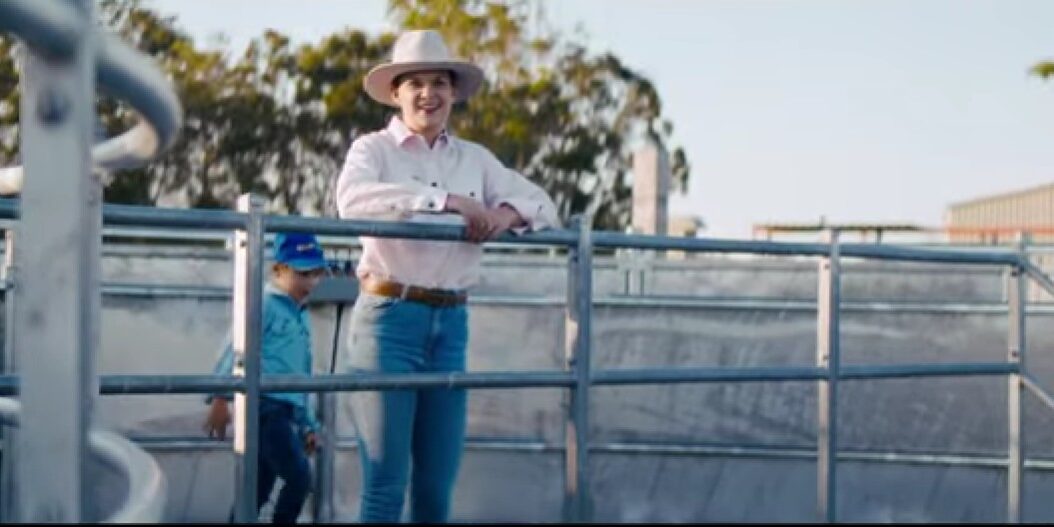
Getting Yard Design Right to Improve Cattle Stress Levels
A practical guide to calmer, safer, more efficient cattle handling systems
Good cattle yard design isn’t just about efficiency – it’s one of the biggest factors influencing stress levels in cattle. When cattle move calmly, predictably and willingly, everything becomes easier: weighing, dosing, TB testing, loading, sorting and routine checks. Poor design, on the other hand, creates hesitation, baulking, slipping, bunching and dangerous behaviour that puts both livestock and handlers at risk.
Understanding how cattle perceive their environment – and how yard layout affects their movement – is the foundation of low‑stress handling. This guide breaks down the key design features that directly influence stress, flow and safety in UK cattle yards.
1. Cattle Don’t See Yards the Way We Do
Cattle rely heavily on their peripheral vision, picking up movement and contrast far more than humans. They also have a blind spot directly behind them, and their depth perception is limited when their heads are raised.
This means cattle are naturally cautious of:
- Sudden changes in light
- Shadows and bright patches
- Narrow, dark entrances
- Sharp corners
- People standing in their flight zone
- Noisy or rattling cattle equipment
A well‑designed yard works with these instincts, not against them.
2. Cattle Flow Is Everything – and Flow Comes From Layout
Cattle prefer to move:
- Towards light
- Towards open space
- In the direction they came from
- In a curve rather than a straight line
This is why curved races, tapered forcing pens, and well‑positioned gates make such a difference.
Curved races reduce stress
A curved race prevents cattle from seeing the endpoint too early, reducing balking and encouraging forward movement. Even a gentle curve improves flow dramatically.
Straight races can work – but only if visibility is controlled
If cattle can see people, shadows or movement ahead, they’ll stop. Solid sides or sheeted panels help maintain calm, consistent movement.
Calf Pen Design: The Ultimate Guide to Safer, Low-Stress Care
3. Forcing Tubs: The Most Misunderstood Part of the Yard
A poorly designed forcing pen is one of the biggest causes of stress.
Common problems include:
- Pens that are too small
- Pens that are too square
- Pens that allow cattle to turn back
- Pens with slippery surfaces
- Pens that require handlers to enter the flight zone too aggressively
A good forcing pen should:
- Be pie‑shaped or tapered
- Allow cattle to funnel into the race naturally
- Use solid sides to prevent distractions
- Encourage movement with minimal pressure
- Allow handlers to work from outside the pen
When cattle can’t see an escape route, they panic. When the design guides them forward, they stay calm.
4. Solid Sides Reduce Distractions and Stress
Cattle are highly sensitive to movement. A person walking past, a dog in the distance, or even a flapping coat can cause hesitation.
Sheeted or solid-sided panels:
- Reduce visual distractions
- Prevent cattle from seeing handlers until the right moment
- Encourage forward movement
- Reduce baulking and bunching
- Improve safety for handlers
This is especially important in:
- Cattle Races
- Forcing pens
- Crush approaches
- Bovine TB testing setups
Solid sides create a calm, predictable environment.
5. Flooring and Footing: The Hidden Stress Factor
Cattle are prey animals – if they feel unsafe underfoot, they panic.
Stress increases dramatically when cattle:
- Slip
- Lose traction
- Hear loud clanging under their feet
- Step on uneven or unfamiliar surfaces
Good flooring should be:
- Non‑slip
- Quiet
- Even
- Well‑drained
- Free from sudden changes in texture
Rubber matting, grooved concrete and anti-slip surfaces all help cattle feel secure and move confidently.
6. Noise Levels Matter More Than Most People Realise
Cattle are extremely sensitive to sound. Rattling gates, clanging metal and loud banging increase cortisol levels and make animals more reactive.
Low‑stress yards use:
- Nylon bushes
- Quiet‑closing gates
- Rubber stops
- Smooth latches
- Well‑maintained hinges
Modern equipment, especially high-quality cattle crushes, is designed to operate silently. This alone can transform cattle behaviour.
7. Handler Positioning and Safe Working Zones
Even the best-designed yard won’t work if handlers stand in the wrong place.
Good yard design supports:
- Working from outside the flight zone
- Clear escape routes
- Safe catwalks
- Minimal need to enter pens
- Calm, predictable cattle movement
When handlers feel safe, they work more calmly – and cattle respond in kind.
How to Design a Safe and Efficient Cattle Handling System
8. The Crush Approach: The Make-or-Break Moment
Most cattle stress happens before they enter the crush.
A good crush approach should:
- Be straight or gently curved
- Use solid sides
- Avoid shadows and sudden light changes
- Prevent cattle from seeing the operator too early
- Provide good footing
- Be wide enough for confident entry but narrow enough to prevent turning
If cattle hesitate at the crush, the entire handling session slows down – and stress rises for everyone.
Manual vs Hydraulic Cattle Crushes: Which Is Best for Your Farm?
9. Designing for One‑Person Handling
Modern yards increasingly aim for one‑person operation, which reduces labour but requires excellent design.
Key features include:
- Auto‑locking gates
- Drafting options
- Safe access points
- Good visibility for the operator
- Smooth cattle flow without constant pressure
When cattle move willingly, one person can handle large groups safely and efficiently.
Final Thoughts on Yard Design Impacting Stress Levels in Cattle
Yard design has a profound impact on cattle stress levels. By understanding how cattle see, think and move, farmers can create cattle handling systems that are safer, calmer and far more efficient. Small changes, such as improving lighting, adding solid sides, reducing noise or adjusting race angles, can transform the entire handling experience.
A well‑designed yard with quality cattle handling equipment doesn’t just reduce stress for cattle. It reduces stress for farmers, too.
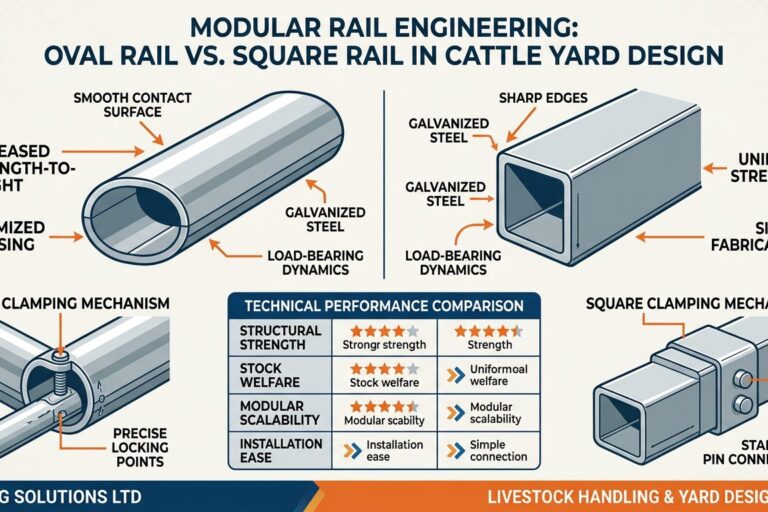
Modular Rail Engineering: Oval Rail vs. Square Rail in Cattle Yard Design
When designing a heavy-duty cattle handling facility, steel frame selection is often oversimplified to wall…
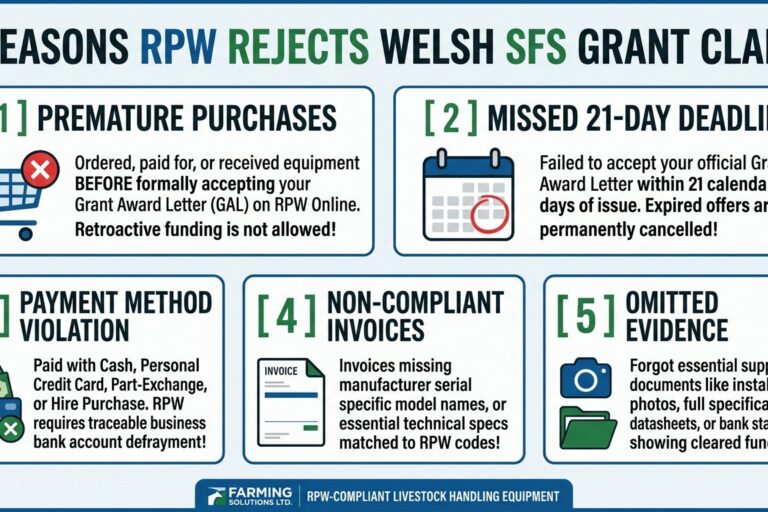
5 Reasons RPW Rejects Welsh SFS Capital Grant Claims (and How to Avoid Them)
The 2026 Sustainable Farming Scheme (SFS) Optional Capital: Production & Efficiency Grant provides Welsh farmers…
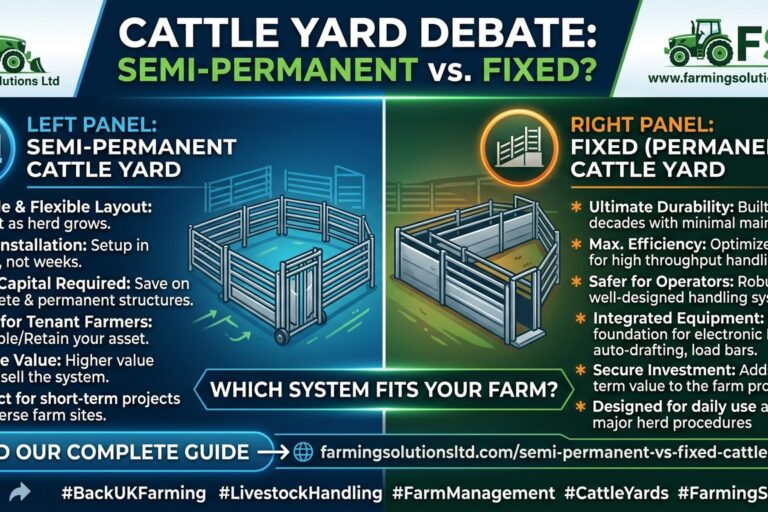
Semi-Permanent vs. Fixed Steel Cattle Yards: Which Is Right for Your Farm?
Semi-Permanent vs. Fixed Steel Cattle Yard Semi-Permanent vs. Fixed Steel Cattle Yard – Designing a…
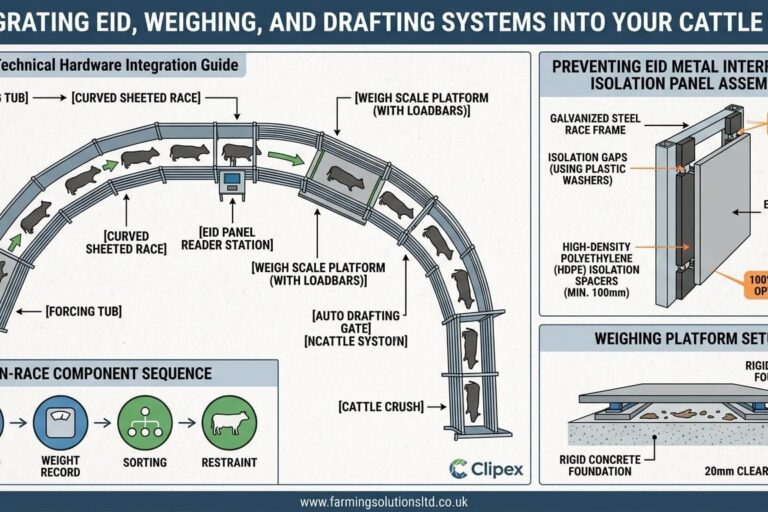
Integrating Weighing, EID Readers, and Drafting Gates into Your Cattle Race
EID Weighing Drafting Race Integration EID weighing drafting race integration – Integrating hardware into a…
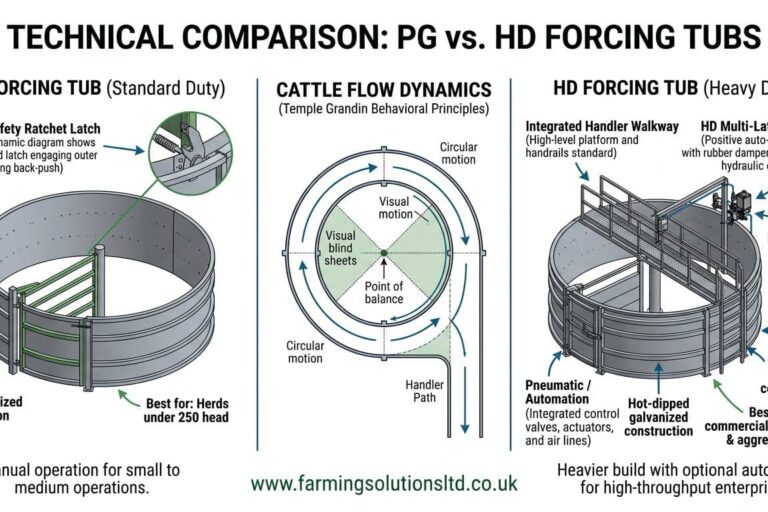
PG Forcing Tub vs. HD Forcing Tub: Choosing the Right Crowding System
PG Forcing Tub vs. HD Forcing Tub PG Forcing Tub vs. HD Forcing Tub -…
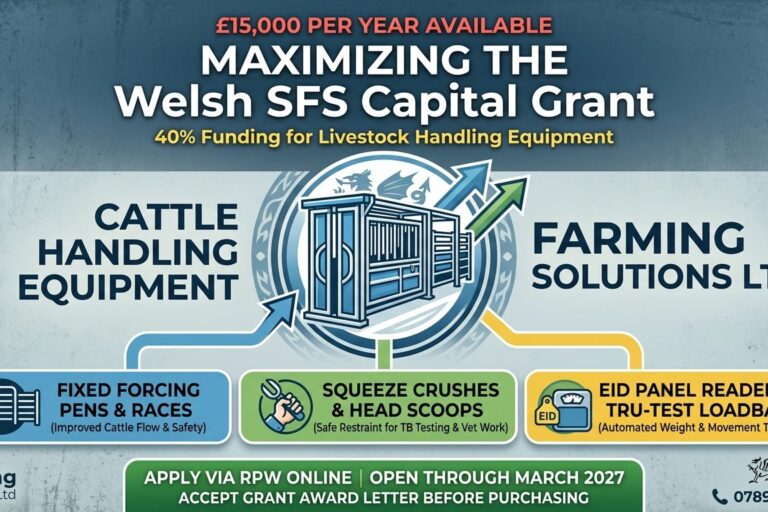
How to Maximize the £15,000 Welsh SFS Capital Grant for Cattle Handling
The 2026 Sustainable Farming Scheme (SFS) Optional Capital: Production & Efficiency Grant offers beef and…

1 Comment