
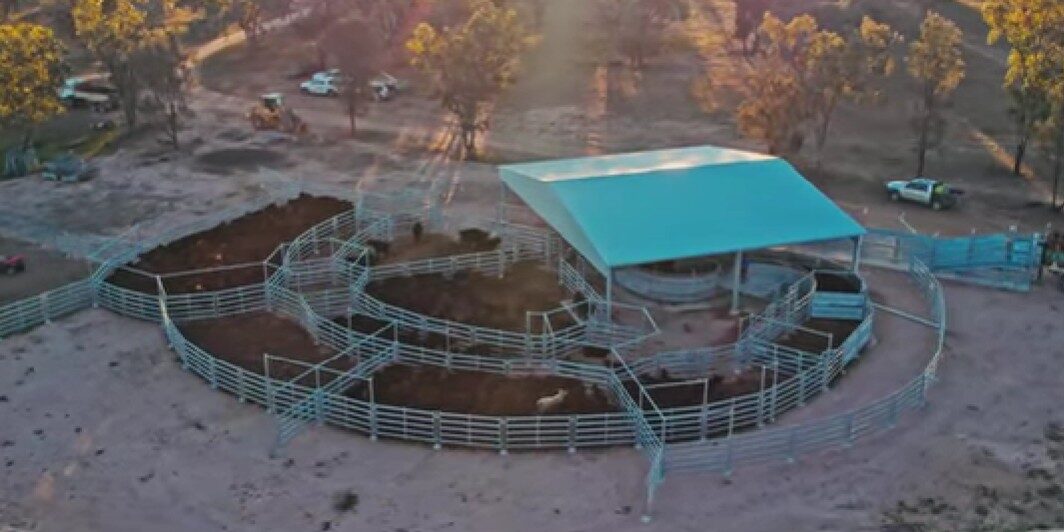
Reducing Labour in Livestock Handling
Practical strategies for safer, faster, more efficient cattle and sheep work
How to Reduce Labour in Livestock Handling – Labour is one of the biggest pressures facing UK livestock farms today. With fewer people available, rising costs, and increasing compliance demands, farmers are being pushed to do more with less. Nowhere is this more obvious than in livestock handling, where poor design, outdated cattle handling equipment or inefficient workflows can turn simple jobs into time-consuming and stressful tasks.
The good news? With the right setup, you can dramatically reduce labour without compromising safety or animal welfare. In many cases, small changes make the biggest difference.
1. Start With Animal Flow, Not Manpower
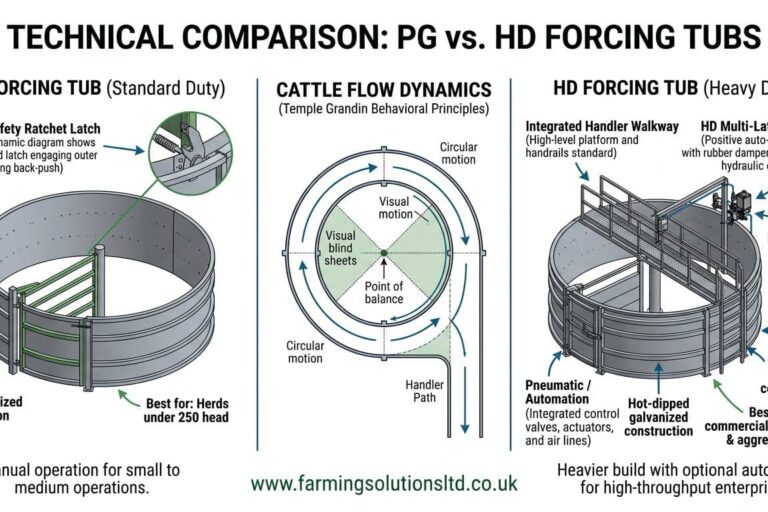
Most labour is wasted when animals stop, turn back, bunch up or refuse to move. Improving cattle flow or sheep handling flow reduces the need for extra people.
Improve flow by:
- Using curved races to encourage forward movement
- Adding solid sides to reduce distractions
- Ensuring consistent lighting with no shadows
- Removing sharp corners where animals hesitate
- Keeping the approach to the crush or handler calm and clear
When animals move willingly, you don’t need extra hands to push, block or guide them.
2. Upgrade Gates, Latches and Access Points
Old gates that rattle, stick or require two people to close are a major labour drain.
Look for:
- Auto‑locking gates
- Quiet, smooth latches
- Spring‑loaded or self‑closing gates
- Catwalks or safe access points
- Drafting gates positioned for one‑person use
Modern equipment is designed to reduce physical effort and improve safety.
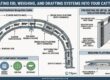
Designing Handling Systems for One-Person Operation
3. Use Equipment That Reduces Restraint Time
The longer it takes to restrain an animal, the more people you need.
Labour‑saving livestock equipment includes:
- Cattle crushes Automatic or pneumatic cattle crushes
- Sheep handlers with auto‑catch and drafting
- Weigh crates with integrated EID
- Head scoops and anti‑backing systems
These tools reduce the need for someone to “hold”, “block”, or “stand guard”.
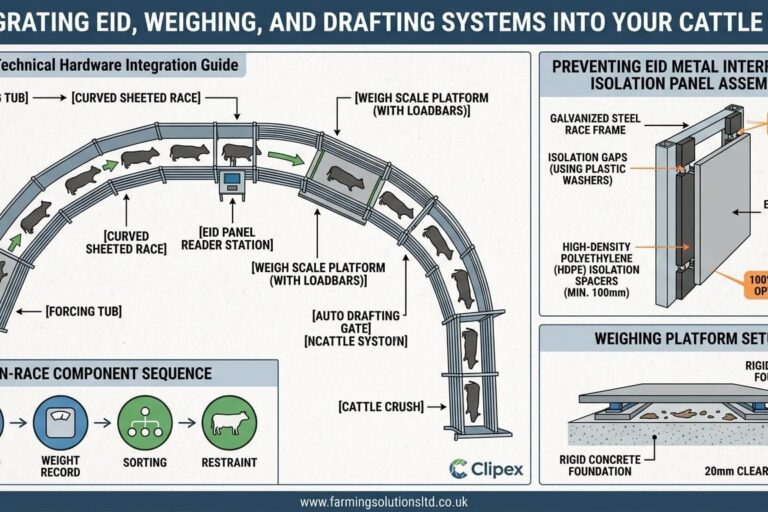
4. Integrate Weighing & EID to Reduce Paperwork
Electronic Identification & Livestock Traceability
Manual recording is slow and error‑prone.
Digital systems:
- Record weights automatically
- Sync treatments and movements
- Reduce time spent writing or typing
- Allow one person to manage data while handling
This is especially valuable during Bovine TB testing, lambing, dosing or routine checks.
How to Integrate EID Readers Into Your Cattle Handling System
The Role of EID & Weighing in TB Monitoring
5. Design Handling for Continuous Flow
Stop‑start handling wastes time and increases stress.
Improve flow by:
- Using a forcing tub that tapers
- Keeping the race long enough for batching
- Adding a pre‑catch area before the crush
- Ensuring animals can’t turn back
- Positioning gates so one person can operate them
A well‑designed handling system is safe and efficient and keeps animals moving without constant intervention.
Calf Pen Design: The Ultimate Guide to Safer, Low-Stress Care
6. Plan for One‑Person Operation (Even If You Have Staff)
The best cattle yards and sheep yards are designed so one person can do the job, even if two or three are available.
This reduces:
- Labour costs
- Stress
- Risk of injury
- Time spent organising people
It also future‑proofs your farm as labour availability continues to decline.
Final Thoughts on Reducing Labour in Livestock Handling
Reducing labour in livestock handling isn’t about working harder – it’s about designing systems that work with you. With better flow, modern livestock handling equipment and smart livestock handling design choices, farmers can save hours every week while improving safety and animal welfare.



1 Comment