
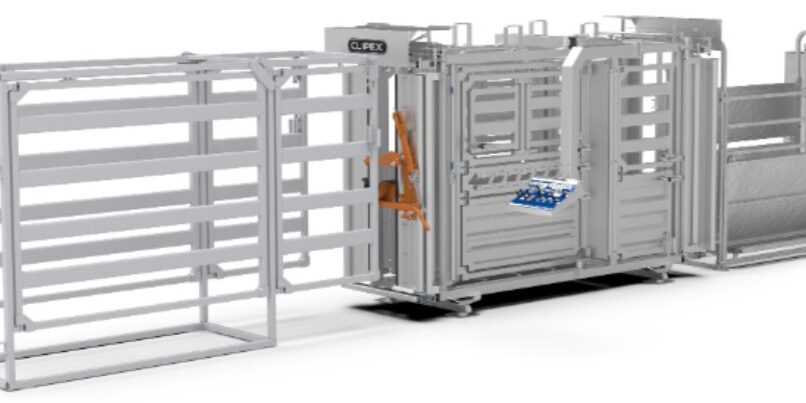
Integrating EID Readers into Your Handling System
Practical guidance for smoother, faster, more accurate cattle handling
How to Integrate EID Readers Into Your Cattle Handling System – Electronic Identification (EID) is transforming cattle handling systems. With mandatory EID for calves arriving in 2027, now is the time to integrate EID readers into your cattle yard.
Electronic Identification (EID) is rapidly becoming a core part of modern cattle management. With mandatory EID for newborn calves arriving in 2027, UK farms are now preparing to upgrade their handling systems so they can capture data quickly, accurately and with minimal stress. But integrating EID readers isn’t just about compliance – when done properly, it transforms efficiency, improves traceability and reduces labour.
This guide explains how to integrate EID readers into your cattle handling system so they work seamlessly with your cattle crush, weighing equipment and software.
1. Start by Choosing the Right Type of EID Reader
Before thinking about the placement or software, to integrate EID Readers Into Your Cattle Handling System, you need to choose the right reader for your livestock handling system. There are two main types used in cattle yards:
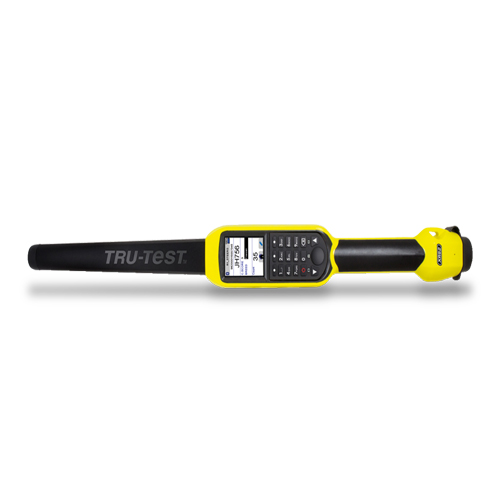
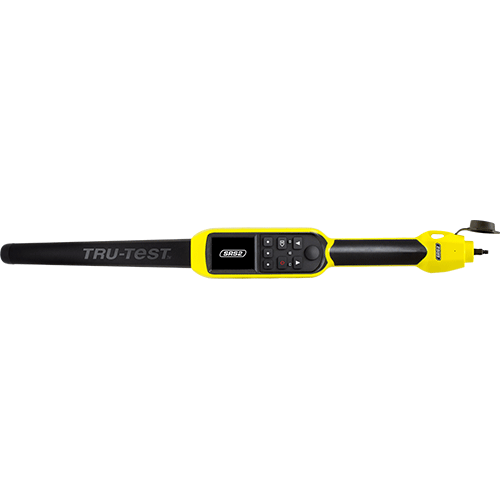
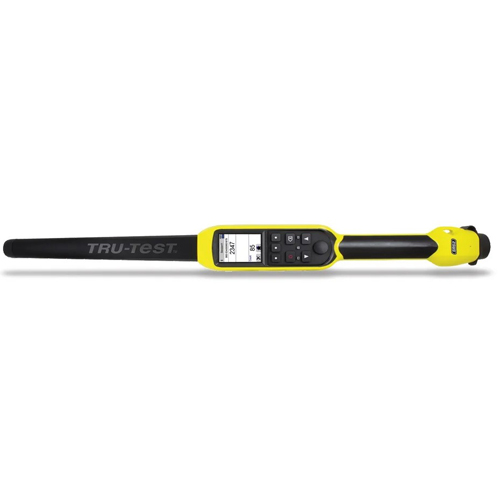
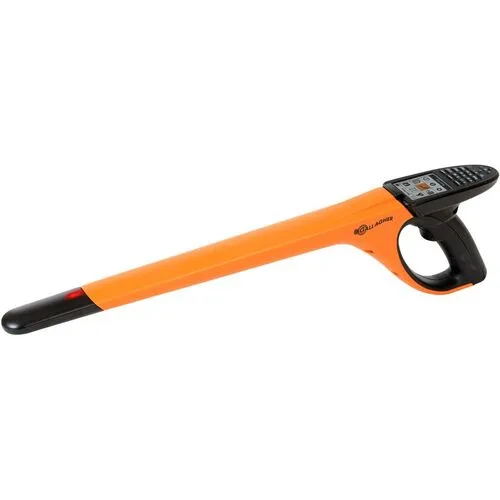
Stick Readers (Handheld)
Best for:
- Crush‑side scanning
- Fieldwork
- Small herds
- Mobile use
EID Stick readers are lightweight, portable and ideal for scanning individual animals during dosing, Bovine TB testing, weighing or routine checks. They’re perfect for farms that want flexibility without installing fixed equipment.
Advantages:
- Easy to use
- No installation required
- Bluetooth connectivity for instant data transfer
- Works anywhere on the farm
Best Cattle Crush for UK Farms: Integration That Works
Panel Readers (Fixed)
Best for:
- Weigh crates
- Auto‑drafting systems
- High‑throughput yards
- One‑person handling
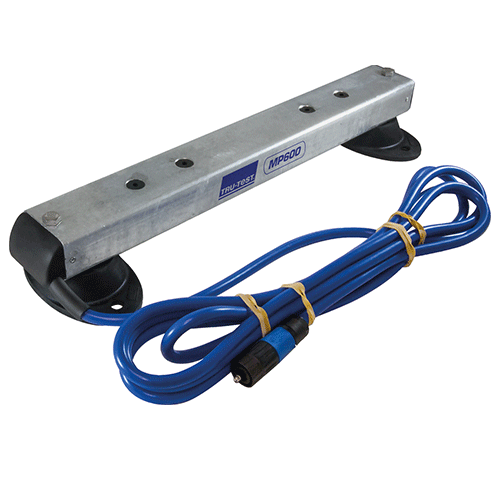
Panel readers scan tags automatically as cattle move past, making them ideal for busy yards or farms that want hands‑free data capture.
Advantages:
- Fast, automatic scanning
- No need to stop animals
- Perfect for weighing + EID integration
- Reduces labour and handling time
2. Position Your EID Reader for Maximum Accuracy
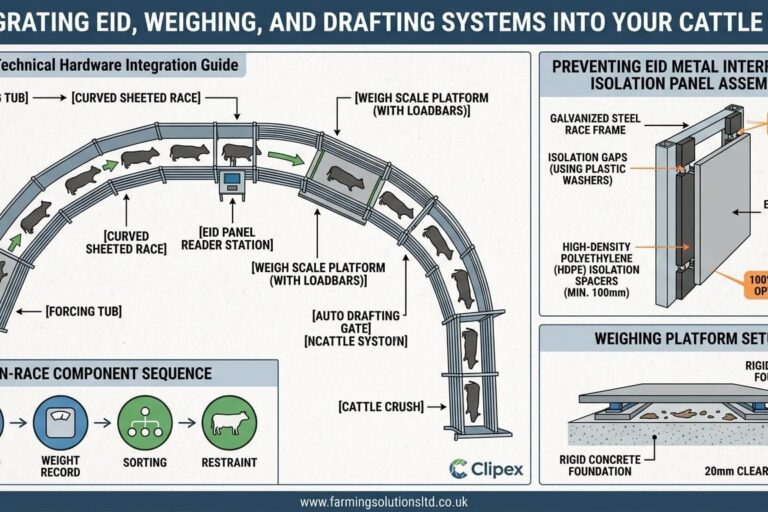
Where you place your reader has a huge impact on read rates and cattle flow. Poor placement leads to missed tags, slow handling and frustrated operators.
Best positions for panel readers:
- At the entry to the crush – Cattle naturally pause here, giving the reader time to capture the tag.
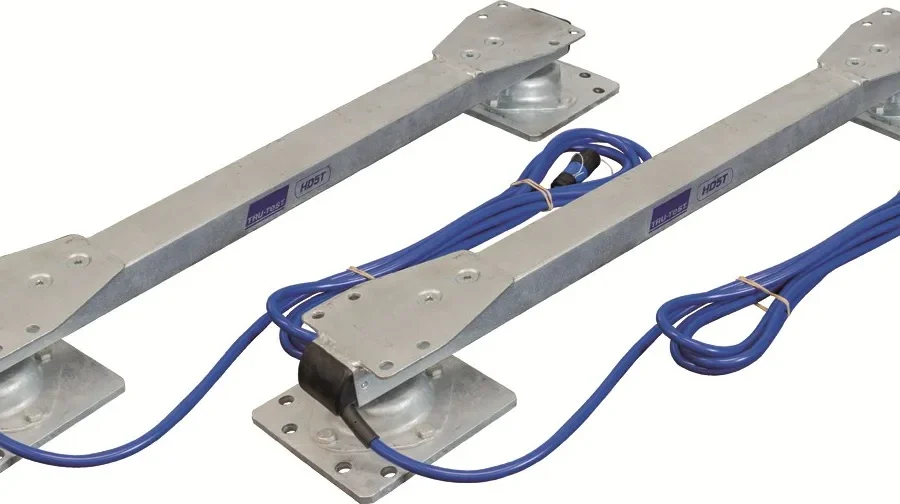
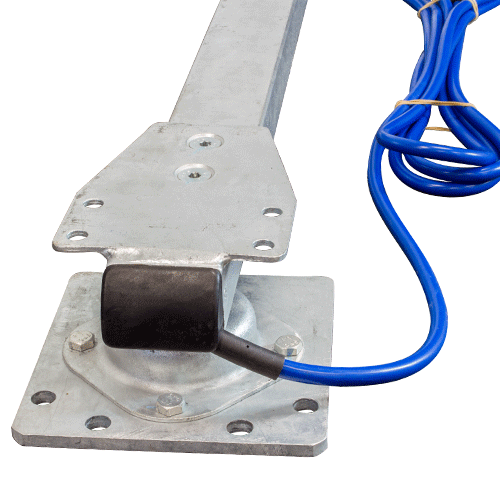
- Inside or above the weighing crate – This ensures every weight is automatically linked to the correct animal.
- At drafting points – Ideal for auto‑drafting by weight, group or management category.
- In a pre‑catch area – Useful for high‑speed scanning before animals enter the crush.
Avoid placing readers near:
- Large steel posts
- Power cables
- Other electronic equipment
- Areas with excessive movement or shadows
Metal interference is the most common cause of poor read performance. A small adjustment in placement can dramatically improve accuracy.
3. Integrate Your Reader With Your Weighing System
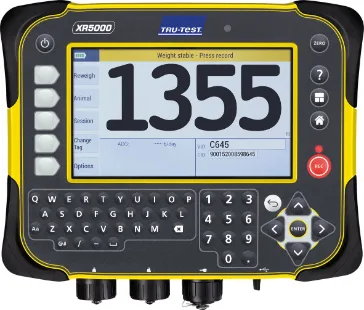
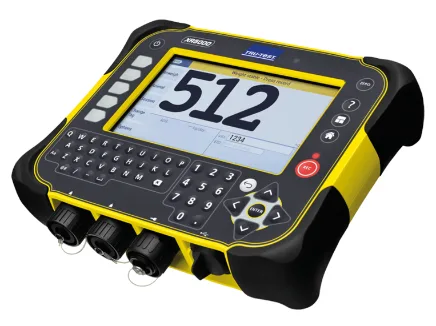
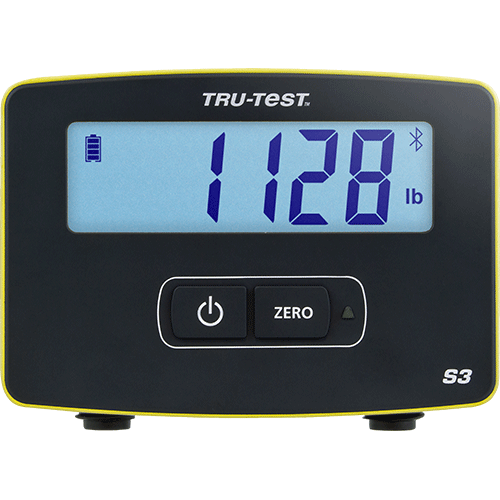
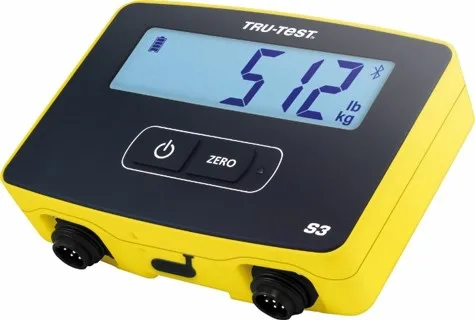
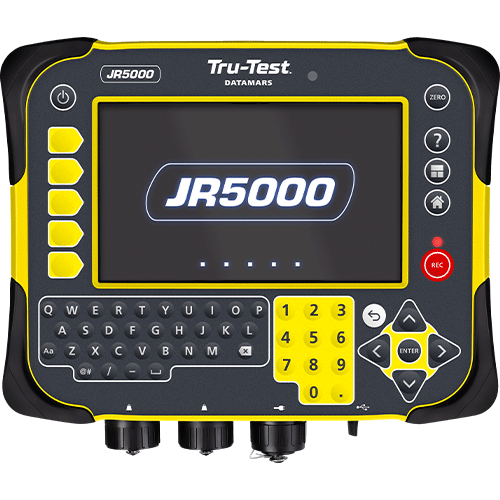
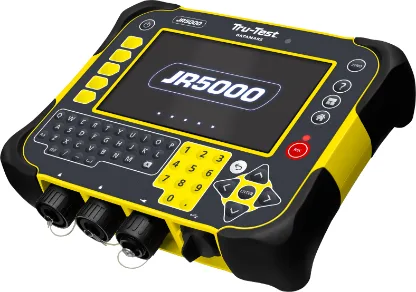
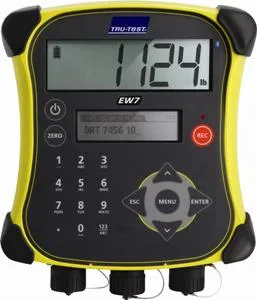
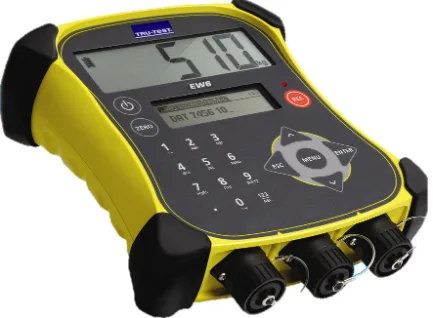
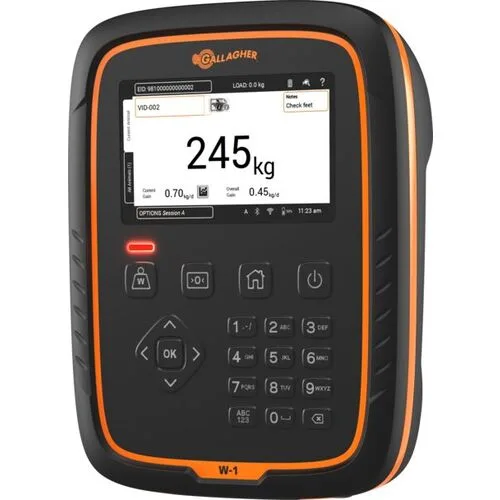
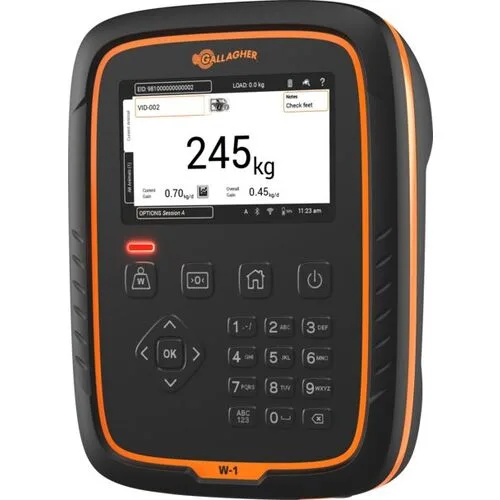
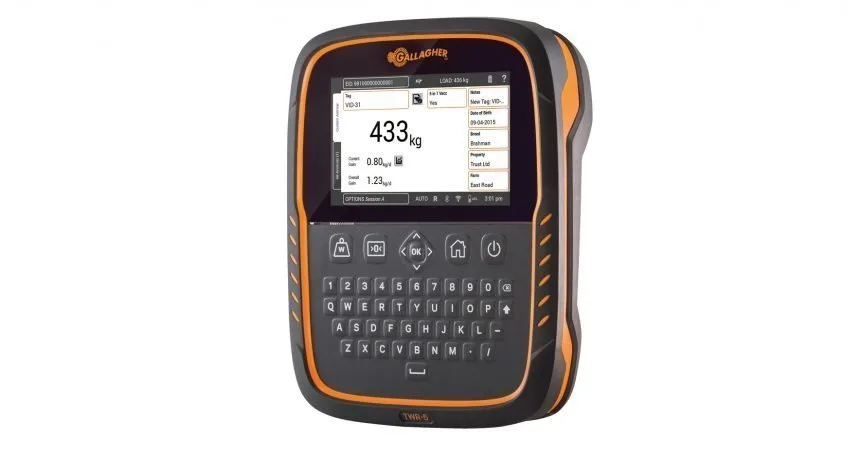
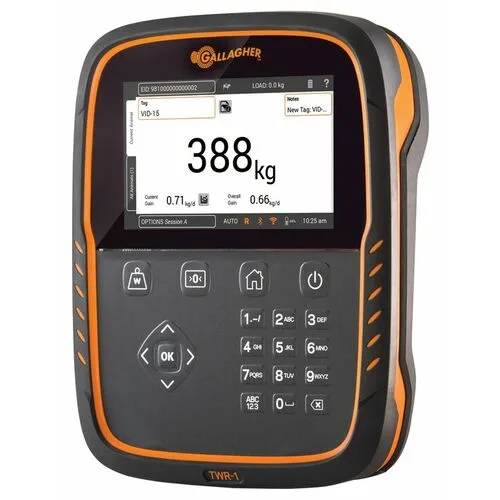
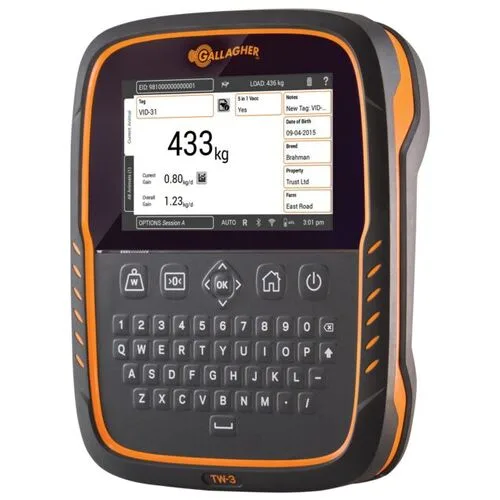
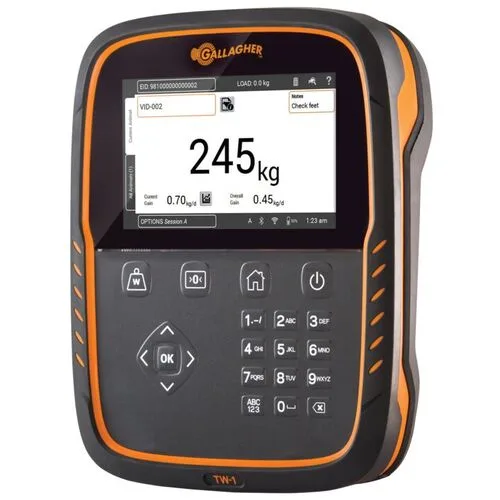
The biggest efficiency gains come when your EID reader and weighing system work together. Modern indicators can automatically pair an animal’s ID with its weight, saving time and eliminating manual entry.
Benefits of EID + weighing integration:
- Instant weight recording
- No writing down numbers
- No risk of mixing up animals
- Faster throughput
- Better performance monitoring
This is especially valuable during:
- TB testing – The Role of EID & Weighing in TB Monitoring
- Growth rate monitoring
- Finishing cattle management
- Breeding decisions
- Health checks
If your weighing system supports Bluetooth or wired connectivity, integration is usually straightforward.
4. Sync Your EID Data With Farm Software
Once your reader is capturing data, the next step is syncing it with your software platform. Most modern EID readers connect to:
- Farm management apps
- Cloud‑based herd software
- Weighing indicators
- Movement reporting tools
This allows you to build a complete digital record of each animal, including:
- Weights
- Treatments
- Movements
- TB test results
- Breeding data
- Performance history
Digital records reduce paperwork, improve accuracy and make compliance easier.
5. Design Your Yard to Support EID Flow
Even the best EID tag readers or stick readers won’t perform well if the yard layout works against it. Good yard design ensures cattle move calmly and consistently past the reader.
Yard features that improve EID performance:
- Solid‑sided races to reduce distractions
- Consistent lighting with no shadows
- Curved approaches to maintain flow
- Non‑slip flooring
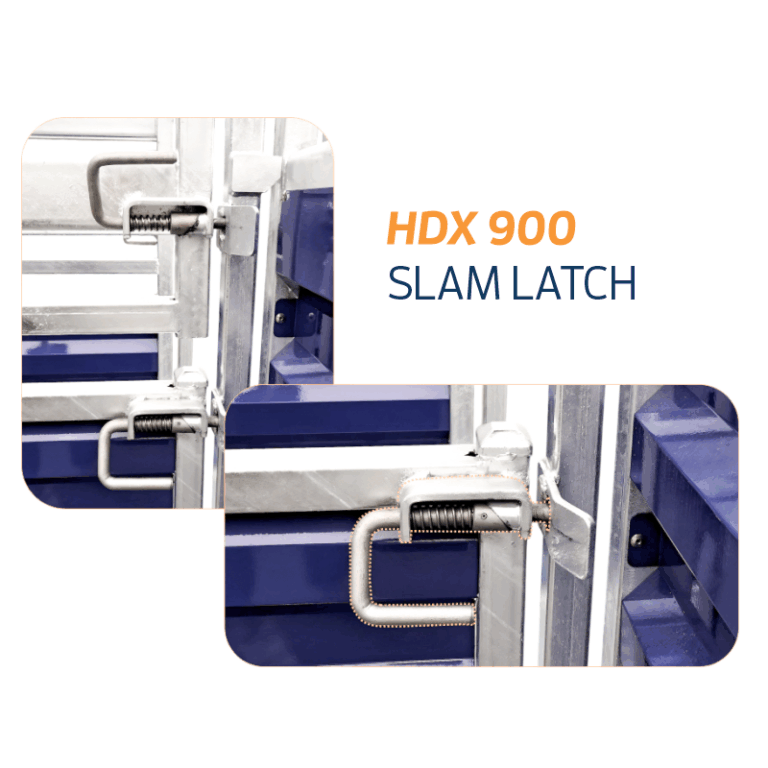
- Quiet gates and latches
- A clear, calm crush entry
When cattle move willingly, read rates improve, and handling becomes faster and safer.
6. Train Staff to Use EID Effectively
Technology only works when people know how to use it confidently.
Training should cover:
- How to position the reader
- How to pair devices
- How to check read rates
- How to sync data
- How to troubleshoot interference
A short training session can save hours of frustration later.
Final Thoughts on Integrating EID into Your Cattle Handling Systems
Integrating EID readers into your cattle handling system isn’t complicated – but doing it properly makes a huge difference. With the right reader, good placement, proper integration and a yard designed for calm flow, you can transform the speed, accuracy and safety of your handling.
EID isn’t just about meeting new regulations. It’s about building a smarter, more efficient, future‑proof cattle system.
UK Cattle EID: What Farmers Need to Know (2025–2027)






5 Comments