
EID for Sheep
Practical strategies for better flock management, compliance and performance tracking
Electronic Identification (EID) has been mandatory for sheep in the UK since 2010, although many farms still underuse its full potential. When integrated properly into sheep handling systems, Sheep EID becomes a powerful tool for improving flock management, simplifying compliance and reducing labour.
Whether you’re scanning tags during weighing, drafting, dosing or lambing, the right setup makes EID fast, accurate and stress-free.
This guide explains how to use EID Readers, including EID Stick Readers and EID Tag Readers, effectively across your handling workflow – and how to link them with your Weighing and EID Systems, Sheep Handlers, and wider Flock Handling Equipment strategy.
1. Understand What Sheep EID Can Actually Do
EID isn’t just about movement reporting. When used properly, it allows you to build a complete digital record of each animal – including:
- Weight history
- Treatments and medicines
- Lameness and health issues
- Breeding and lambing data
- Performance trends
- Group management
This data helps you make better decisions, reduce paperwork and improve traceability across your flock. It also supports grant compliance and strengthens your biosecurity protocols.
2. Choose the Right EID Reader for Your Setup
There are two main types of EID Readers used in sheep handling:
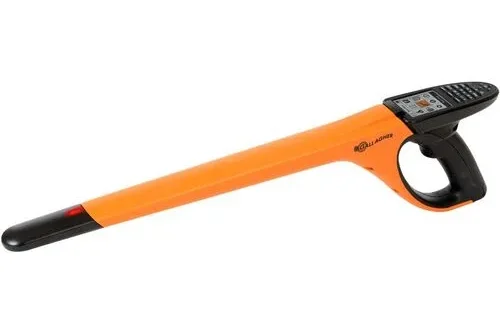
EID Stick Readers (Handheld)
Best for:
- Mobile scanning
- Fieldwork
- Small flocks
- Lambing sheds
- Crush-side dosing
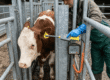
Stick readers are lightweight, portable and ideal for scanning individual sheep during routine tasks. They’re especially useful in lambing pens, dosing races and mobile setups.
EID Tag Readers (Panel Style)
Best for:
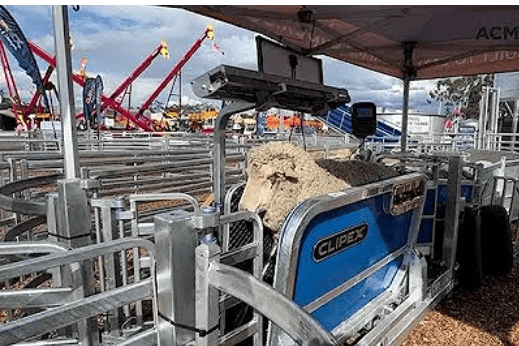
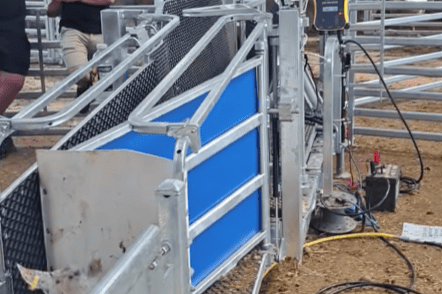
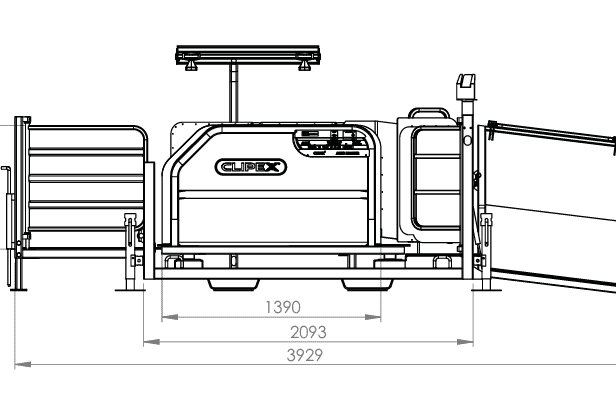
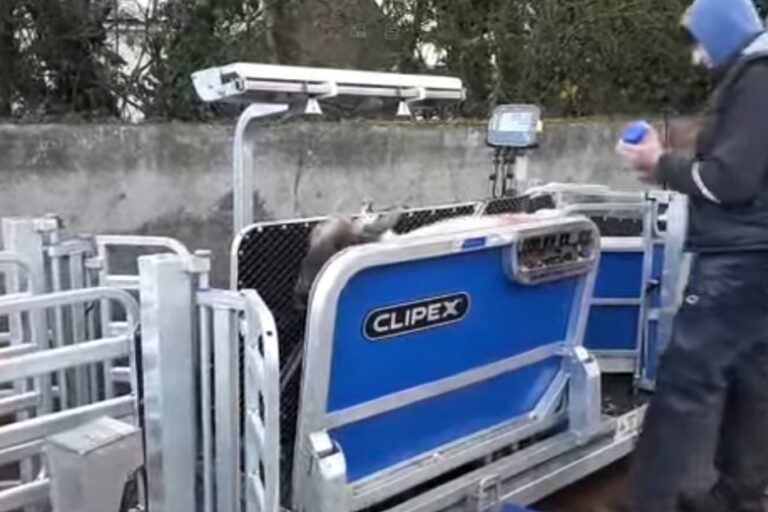
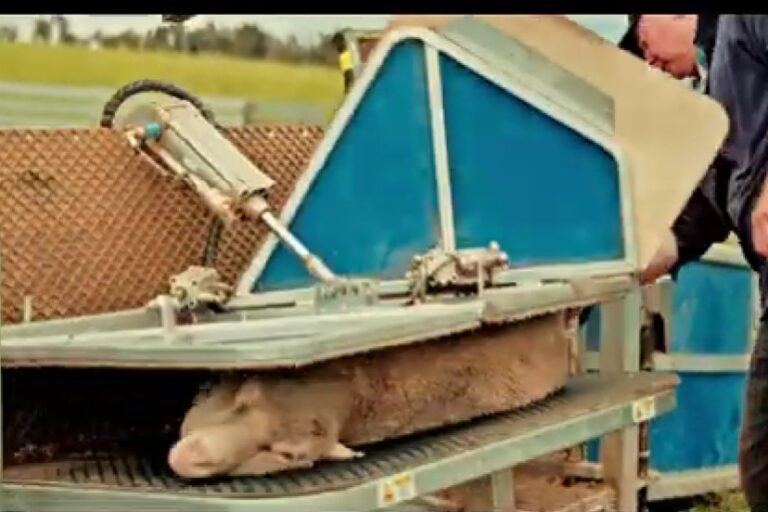
- Weigh crates
- Auto-drafters
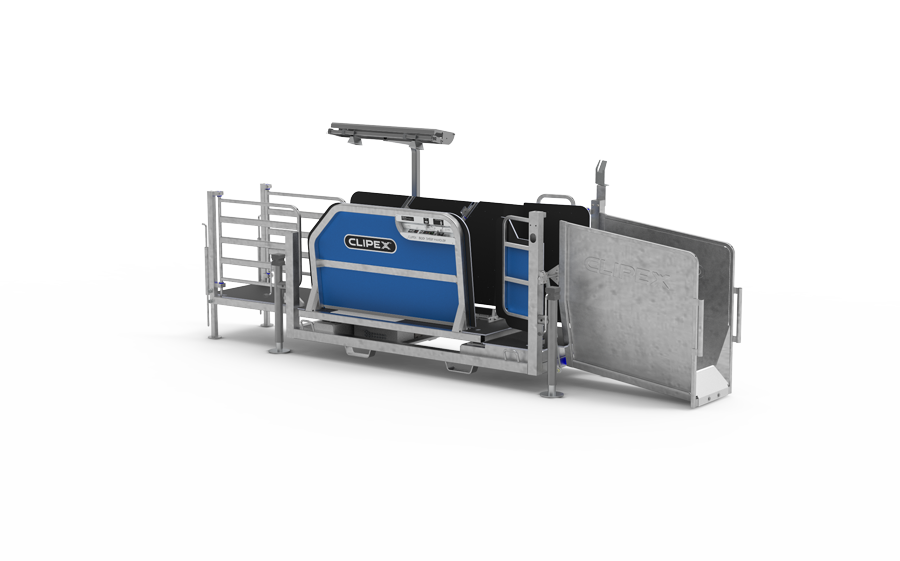
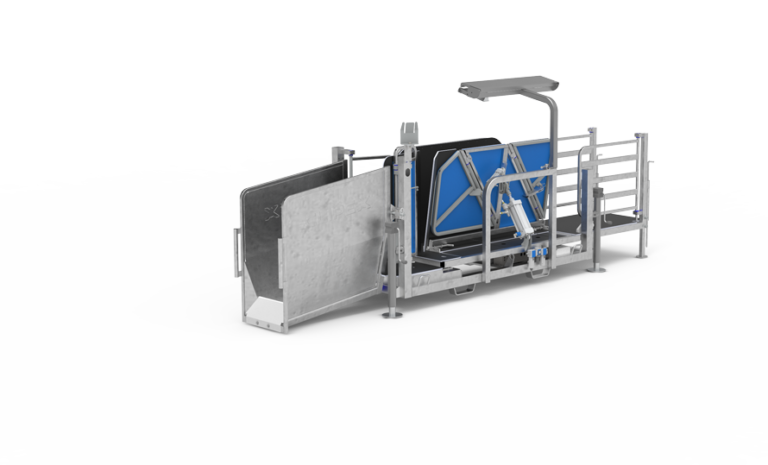
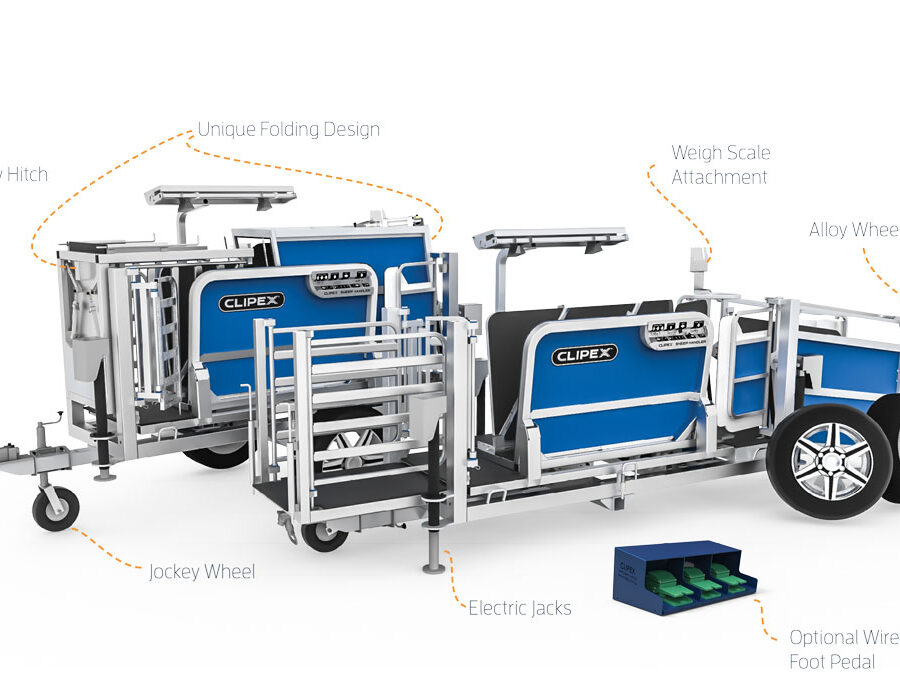
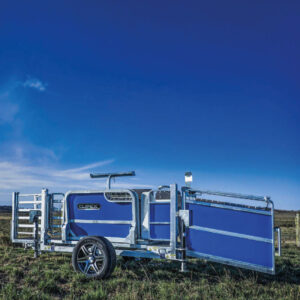
- High-throughput Sheep Handlers
- One-person operation
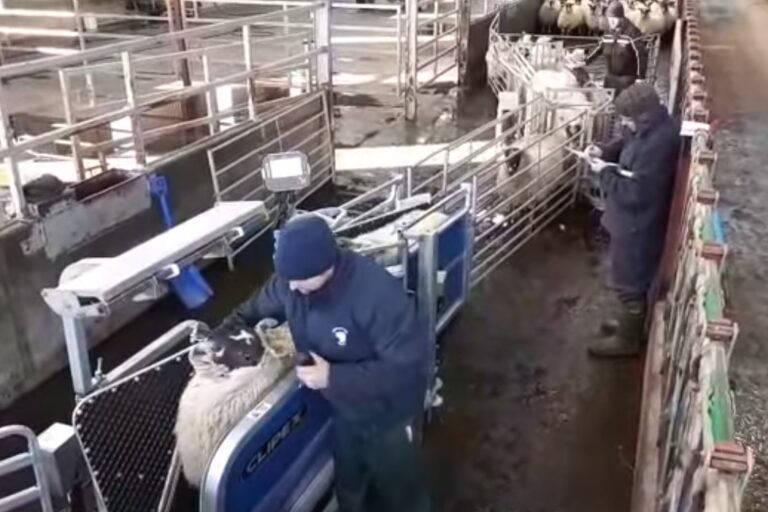
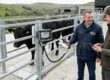
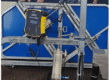
Panel readers scan tags automatically as sheep move through the race or crate, making them perfect for fast, hands-free data capture.
3. Integrate EID Into Your Sheep Handling System
To get the most from EID, your sheep handling system needs to support calm, consistent flow. Poor layout leads to missed reads, stress and slow throughput.
Key design features:
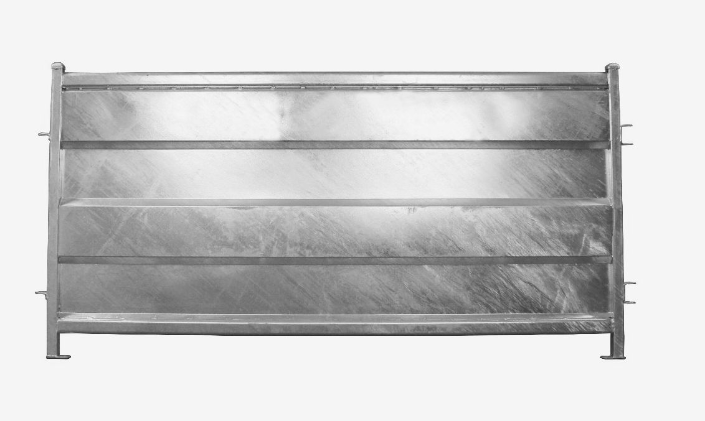
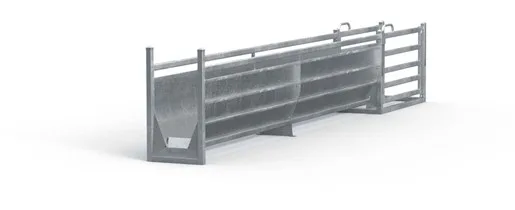
- Solid-sided Sheep Races to reduce distractions
- Curved approaches to the crate or handler
- Non-slip flooring
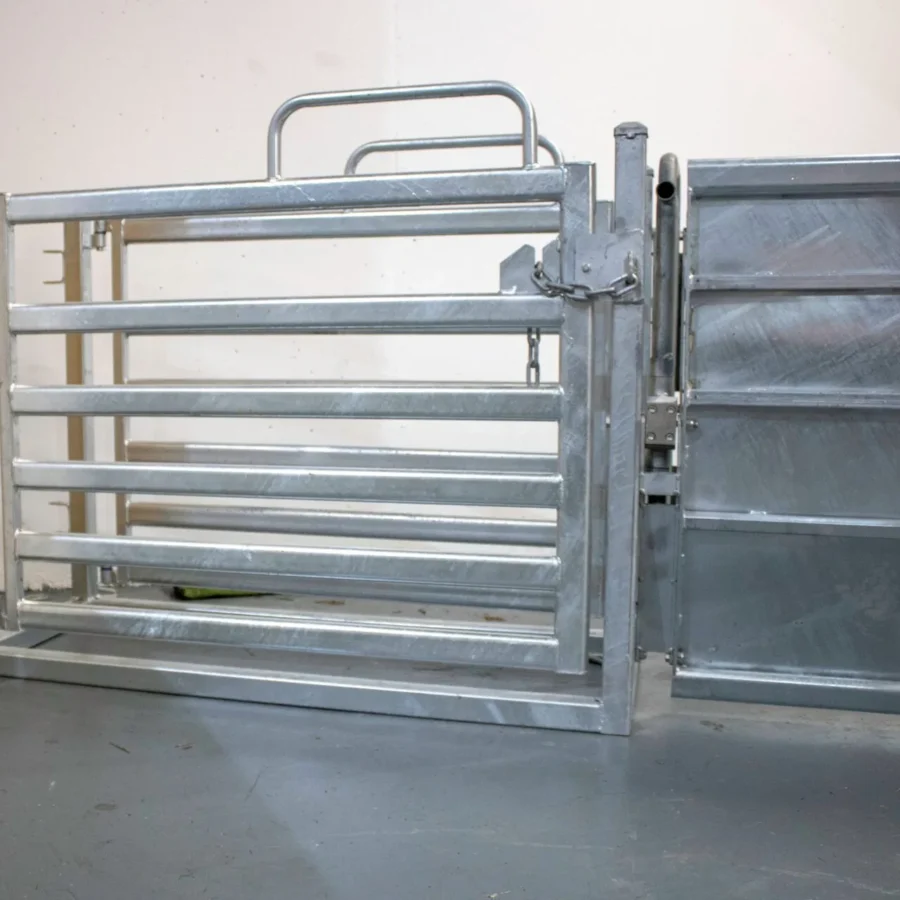
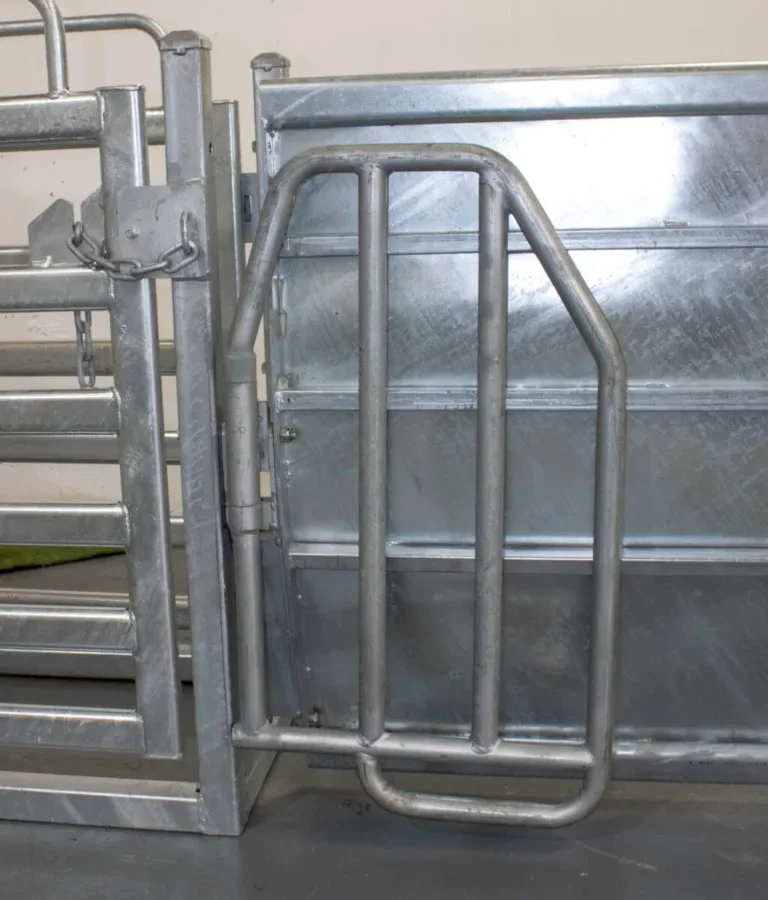
- Quiet gates and latches
- A pre-catch area for scanning and weighing
- Safe operator access
When sheep move willingly, EID reads are more reliable, and handling becomes faster and safer.
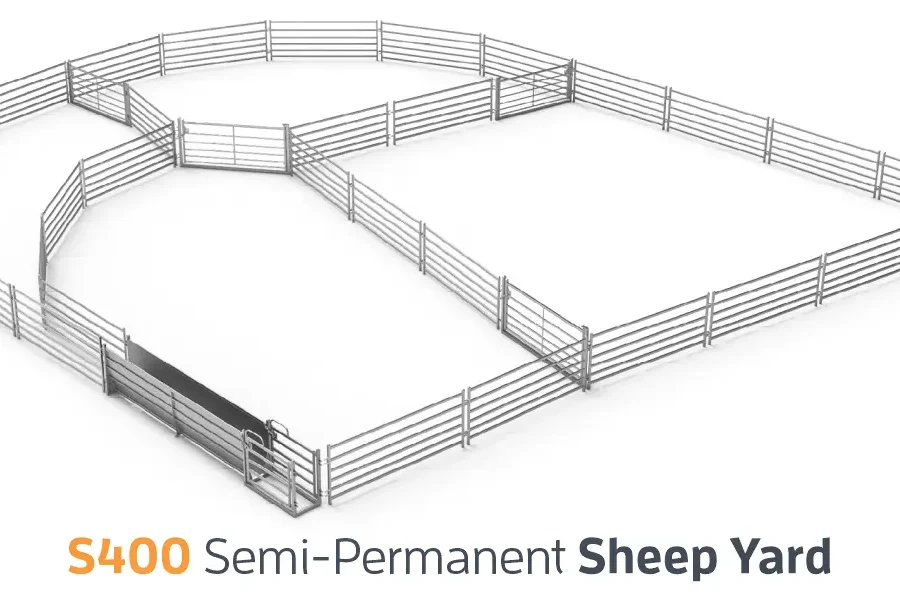
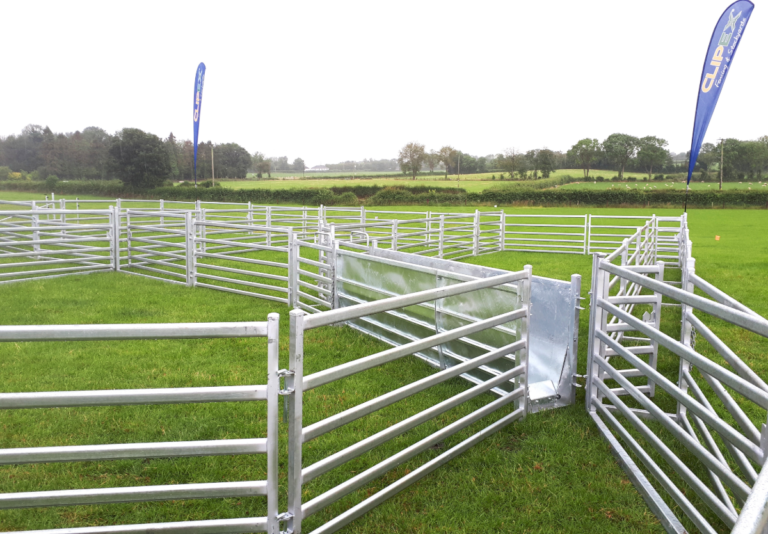
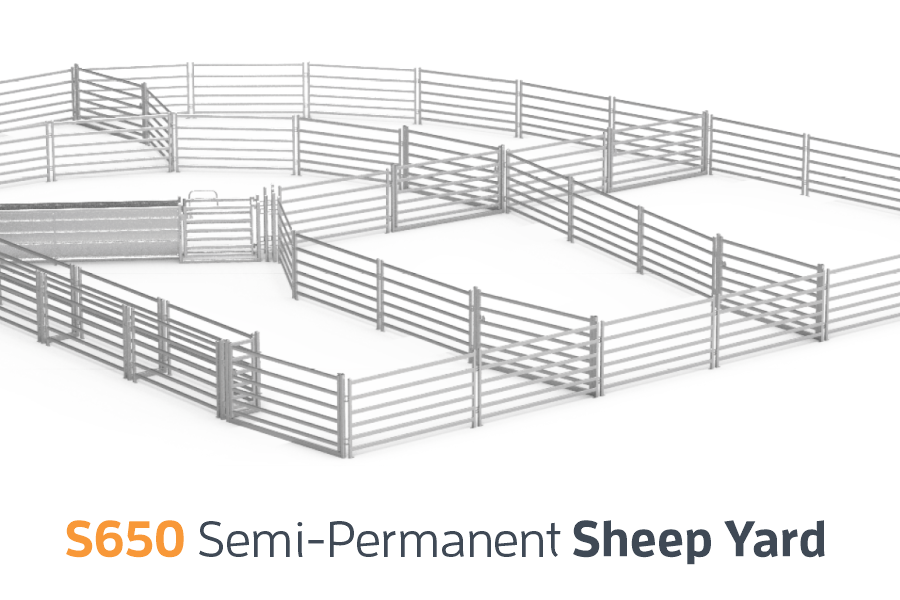
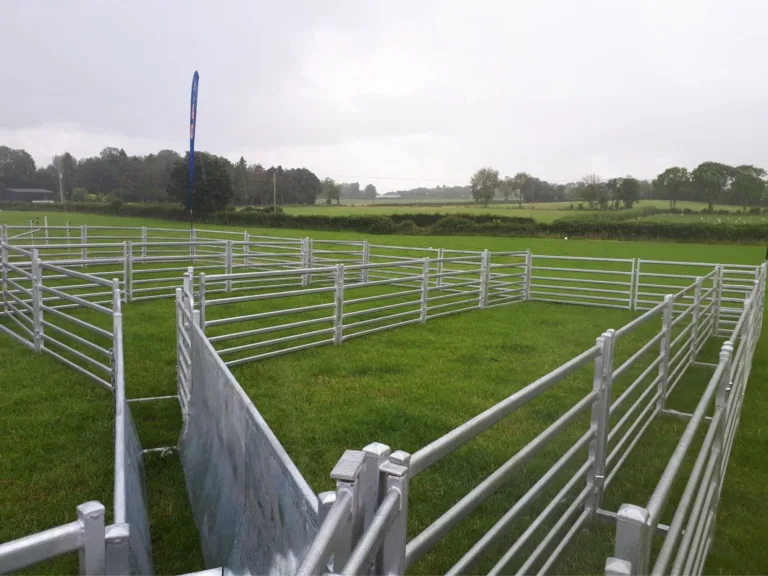
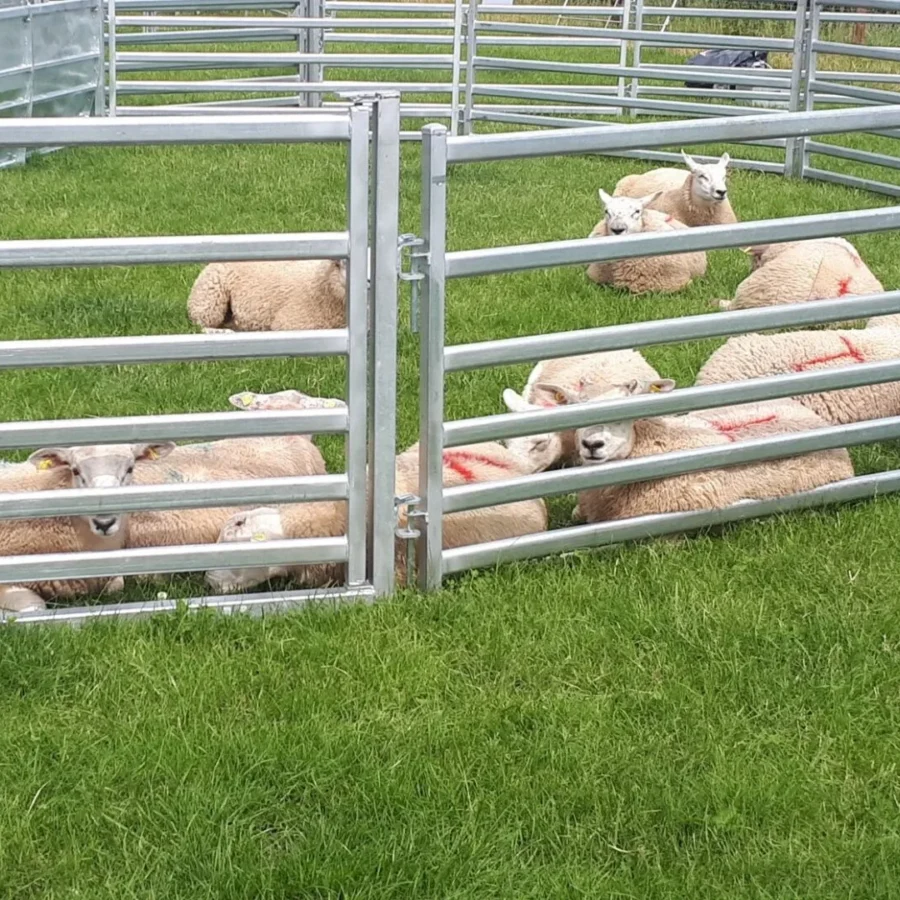
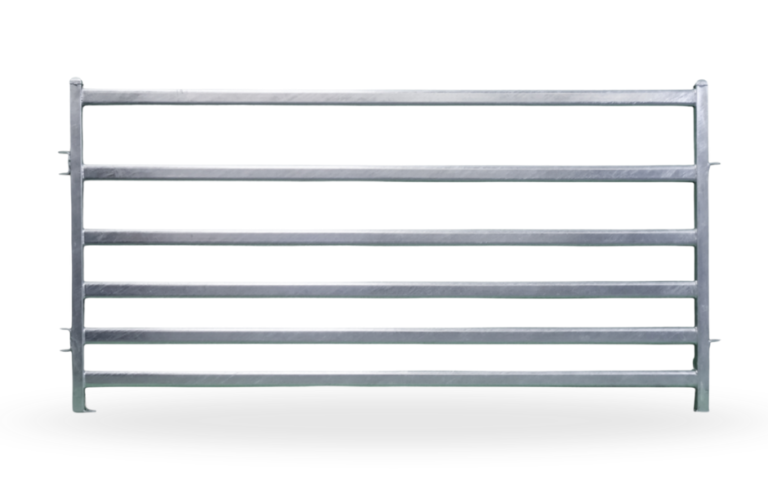
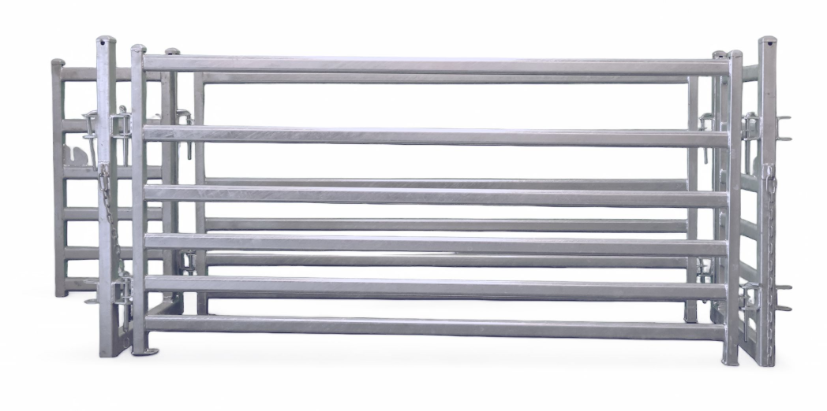
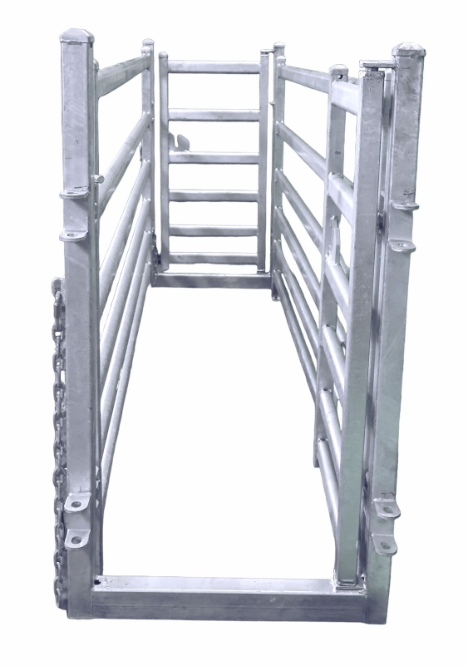
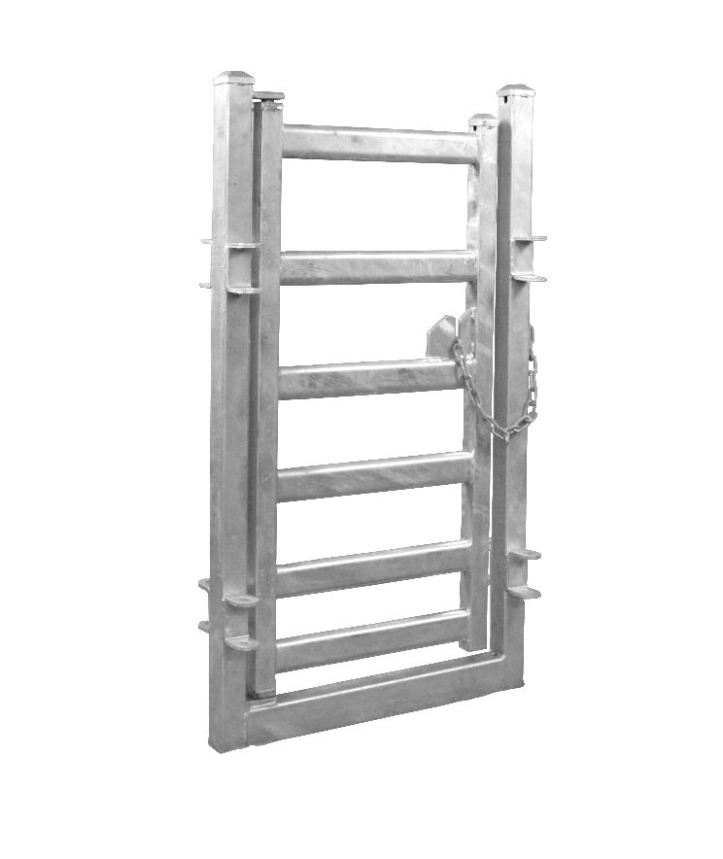
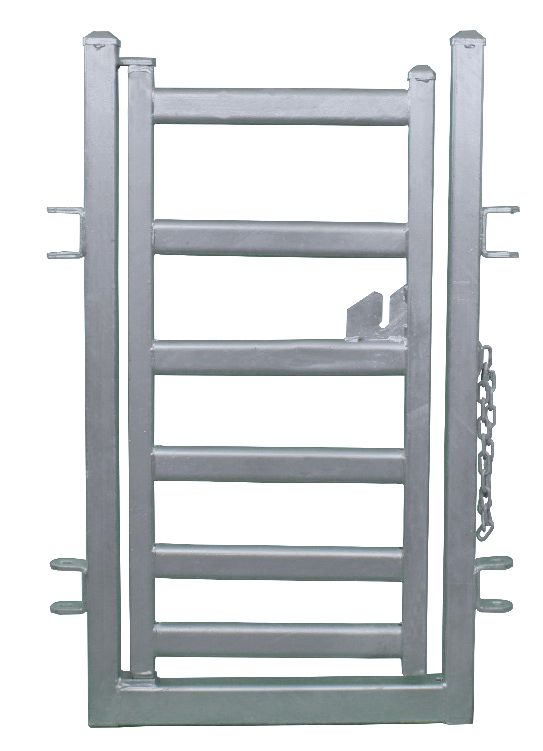
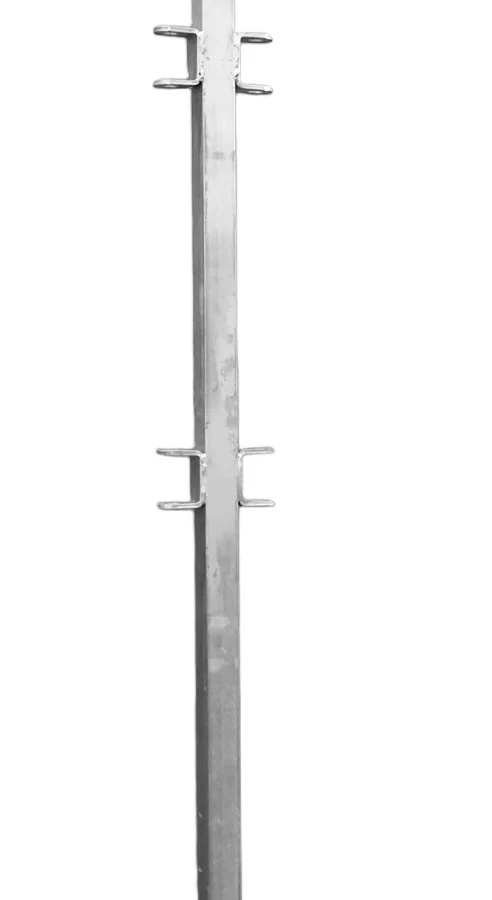
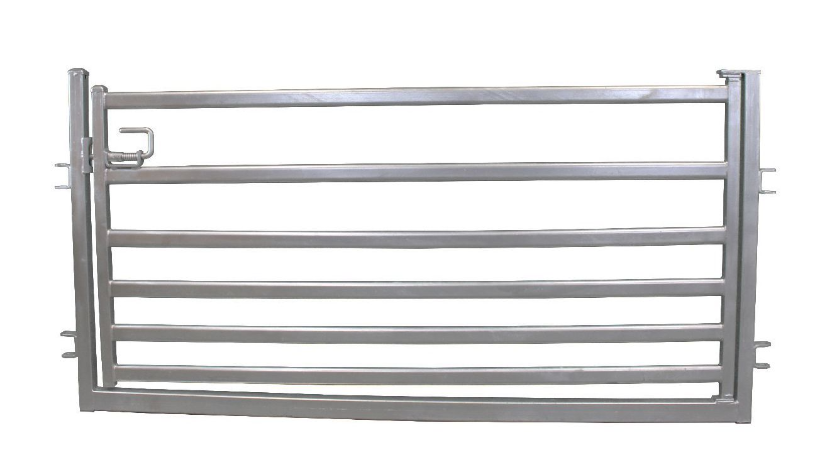
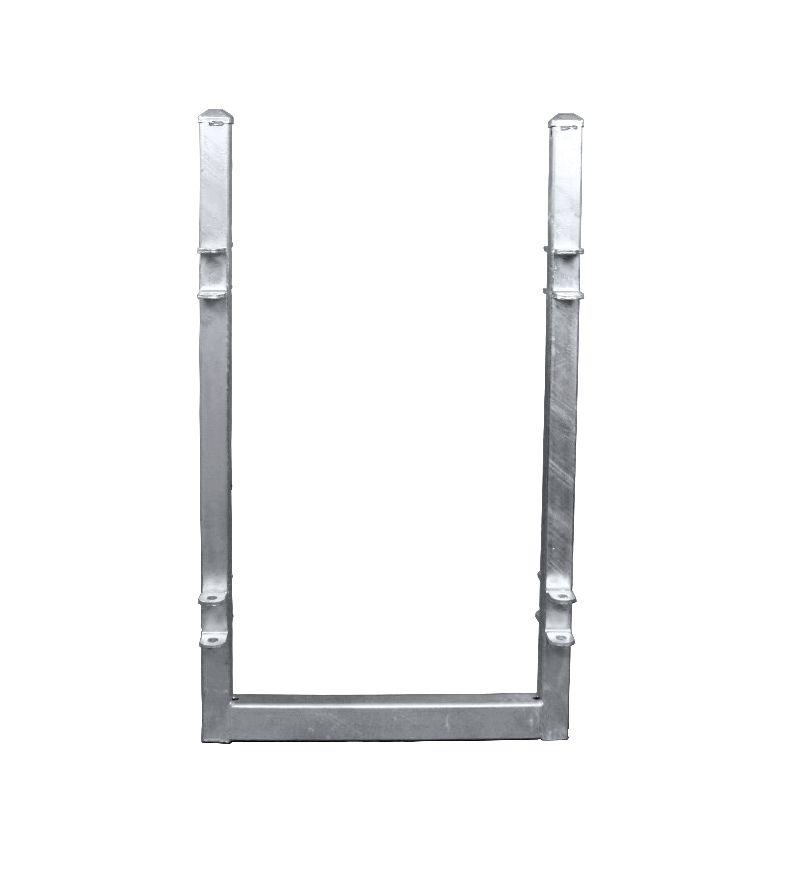
If you’re upgrading your yard, consider Sheep Yard Components and Sheep Hurdles that support one-person operation and low-stress handling – especially for weighing and drafting.
4. Link EID Readers With Your Weighing System
The biggest efficiency gains come when your EID Reader and weighing system work together. Most modern indicators can automatically pair an animal’s ID with its weight, saving time and eliminating manual entry.
Benefits of EID + weighing integration:
- Instant weight recording
- No writing down numbers
- No risk of mixing up animals
- Faster throughput
- Better performance monitoring
This is especially valuable during:
- Lamb growth tracking
- Ewe condition scoring
- Finishing lamb management
- Breeding group selection
- Health checks and dosing
Integrated Weighing and EID Systems are essential for farms looking to improve efficiency and reduce labour.
5. Sync Your EID Data With Farm Software
Once your reader is capturing data, the next step is syncing it with your farm software. Most modern EID readers connect to:
- Flock management apps
- Cloud-based record systems
- Weighing indicators
- Movement reporting tools
This allows you to build a full flock history, including:
- Growth rates
- Medicine use
- Performance data
- Breeding records
- Compliance reports
Digital records reduce errors, improve traceability and make inspections easier.
6. EID Supports Biosecurity and Disease Prevention
While sheep are less affected by TB and rarely exhibit signs of the disease, they are generally regarded as hosts that facilitate the spillover of the disease. EID still plays a role in TB Prevention and wider biosecurity. By tracking movements, weights and treatments, you can:
- Identify animals showing signs of poor health
- Monitor weight loss linked to stress or disease
- Isolate high-risk groups
- Maintain clean, accurate records for vet support
- Reduce handling time and contact points
When combined with physical tools like Universal Creep Feeders and well-designed Sheep Yards, EID helps reduce stress and improve hygiene – both key factors in disease control.
7. Train Staff to Use EID Effectively
Technology only works when people know how to use it confidently.
Training should cover:
- How to position the reader
- How to pair devices
- How to check read rates
- How to sync data
- How to troubleshoot interference
A short training session can save hours of frustration later, especially during lambing, weighing or drafting.
Final Thoughts
Sheep EID is more than a compliance tool – it’s a gateway to smarter flock management. By integrating EID Stick Readers, EID Tag Readers, Weighing and EID Systems, Sheep Handlers, and well-designed Sheep Yard Components, farmers can improve accuracy, reduce labour and build a stronger, more resilient flock.
Whether you’re managing 100 sheep or 1,000, investing in integrated sheep handling equipment is a practical, future-proof step toward better performance, stronger biosecurity and easier day-to-day handling.
For more livestock handling advice and sheep equipment advice, explore our full range of Flock Handling Equipment and EID-compatible



1 Comment