Choosing the Right Sheep Handler for Your Flock Size
Choosing the right sheep handler is one of the most important decisions you’ll make when upgrading your sheep handling equipment. A good handler reduces labour, improves safety, speeds up routine tasks and supports better flock management. But with so many options available – from manual sheep handlers to automatic systems and integrated weighing setups – it can be difficult to know which one is right for your flock size and workload.
This guide breaks down the key considerations to help you choose the best handler for your farm.
Why Your Sheep Handler Matters
A sheep handler is the heart of your sheep handling system. It affects:
- Throughput
- Labour requirements
- Animal welfare
- Operator safety
- Accuracy of dosing and inspection
- Long‑term flock performance
Choosing the right one ensures your Sheep Yards – Flock Management system works smoothly and efficiently.
1. Start With Your Flock Size
Small Flocks (Up to 150 sheep)
You need a handler that is:
- Affordable
- Compact
- Easy to move
- Simple to operate
A basic manual handler or tipping unit is usually enough. You don’t need automation – you need practicality.
Medium Flocks (150–500 sheep)
You need:
- A robust, reliable handler
- Good restraint for dosing and dagging
- Optional weighing integration
- Compatibility with Sheep Races and Sheep Hurdles
A mid‑range handler with optional loadbars is ideal.
Large Flocks (500–1,500 sheep)
You need:
- High throughput
- Strong, durable construction
- One‑person operation
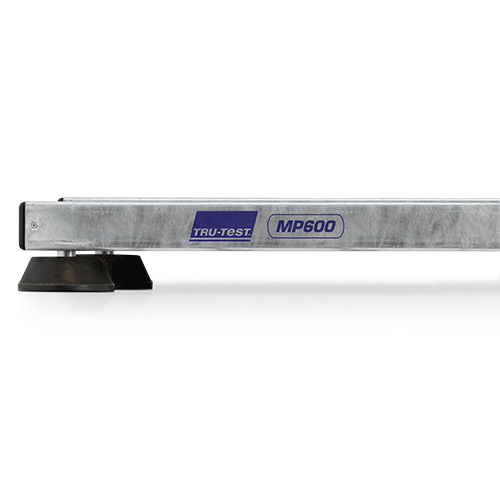
- Integration with Weighing and EID Systems
- Smooth flow through your sheep handling system
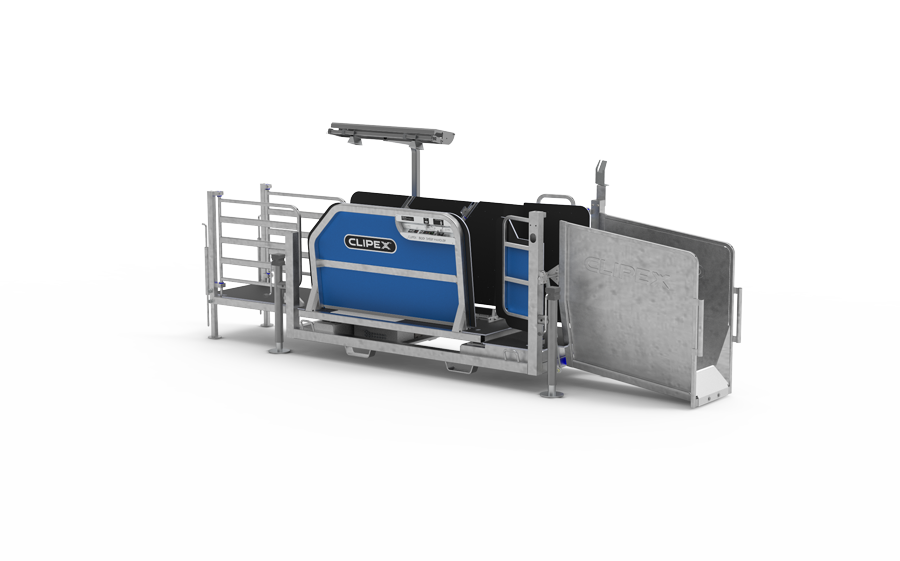
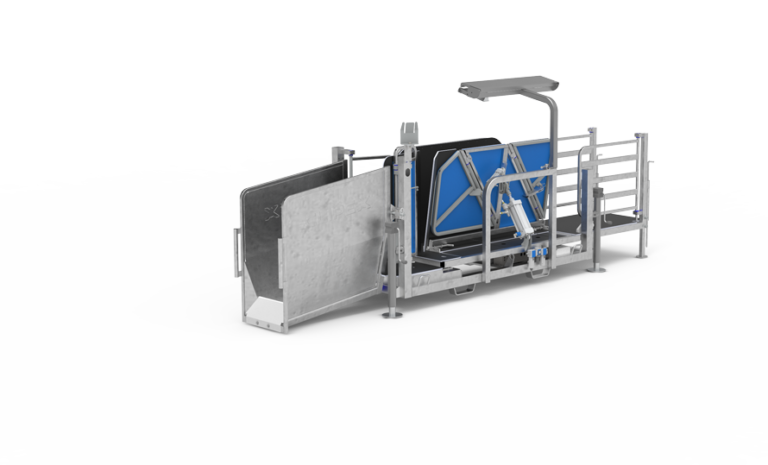
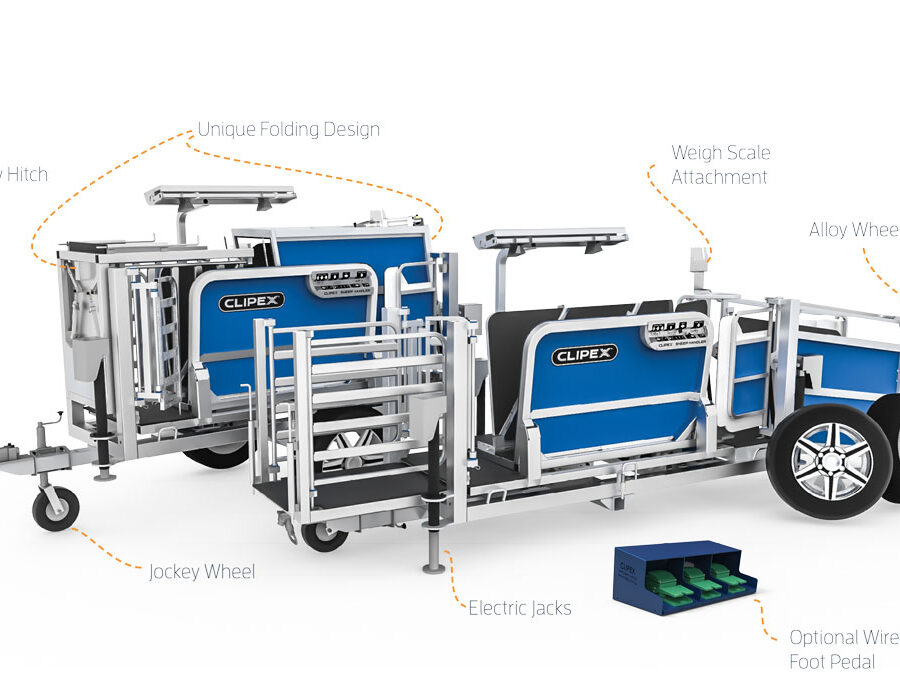
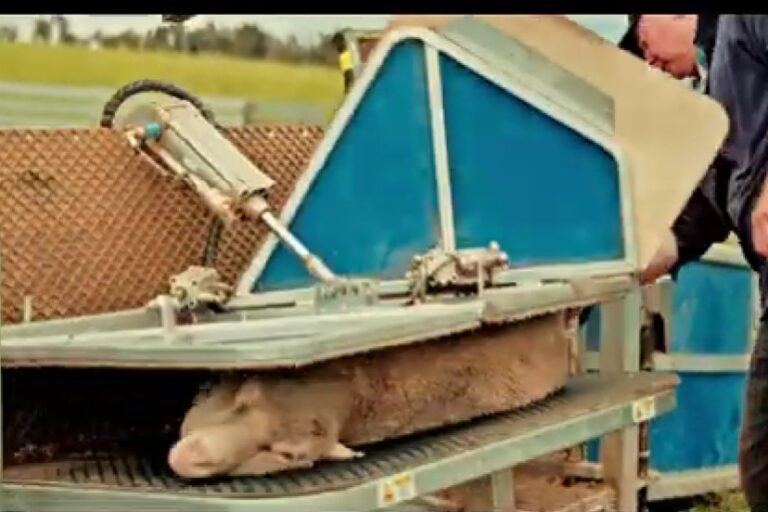
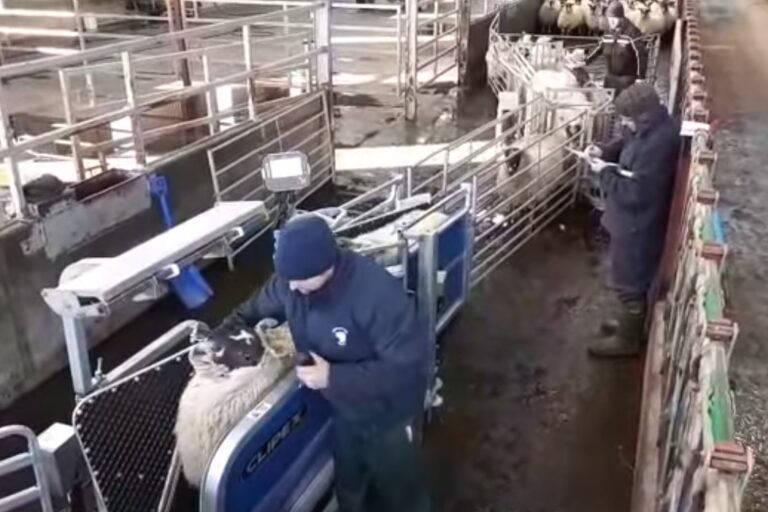
A premium handler like the Clipex Sheep Handler is ideal.
Very Large Flocks (1,500+ sheep)
You need:
- Automation
- Pneumatic or powered operation
- Full EID integration
- Compatibility with auto drafting
- Heavy‑duty build quality
This is where a handler + auto drafter combination becomes essential.
2. Consider the Type of Work You Do Most
Dosing & Vaccinating
You need a handler with:
- Strong side access
- Good head control
- Smooth entry and exit
Dagging & Crutching
You need:
- A tipping or rollover function
- Secure restraint
- Good operator access
Weighing
You need:
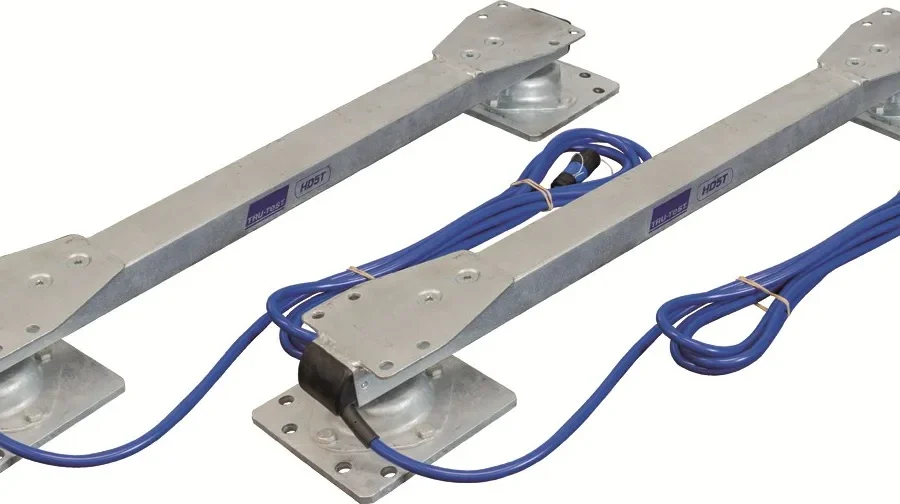
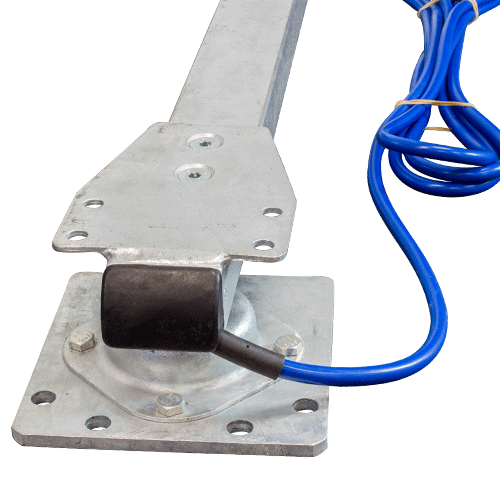
- Loadbar compatibility
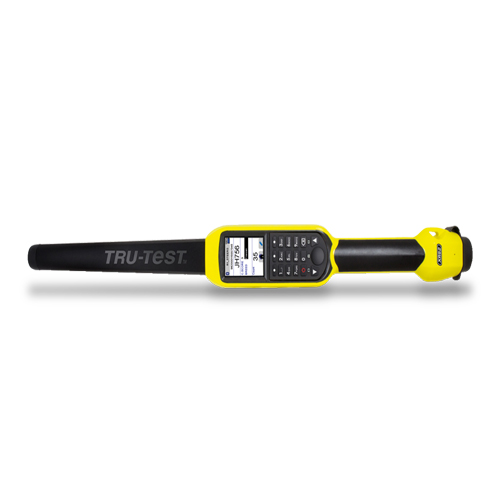
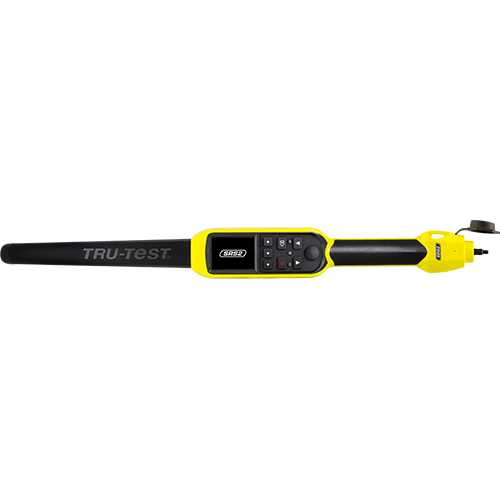
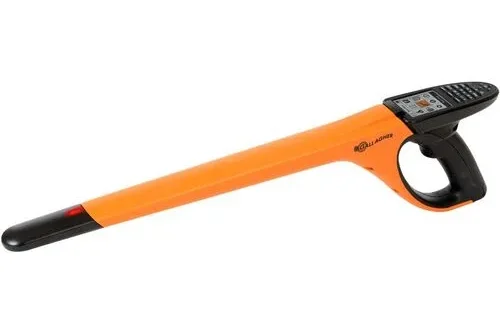
- EID Reader integration
- Stable, accurate platform
Foot Checks
You need:
- Safe tipping
- Good leg access
- Non‑slip flooring
High‑Volume Drafting
You need:
- A handler that integrates with an auto-drafter
- Fast reset times
- Smooth sheep flow
3. Labour Availability
One‑Person Operation
If you often work alone, choose a handler with:
- Automatic entry gates
- Easy reset
- Smooth flow
- Minimal physical effort
Two‑Person Teams
You can use a simpler handler, but efficiency still matters.
Seasonal Labour
If you rely on temporary help, choose a handler that is:
- Intuitive
- Safe
- Easy to learn
4. Yard Layout & Mobility
Permanent Yards
Choose a heavy‑duty handler that integrates with:
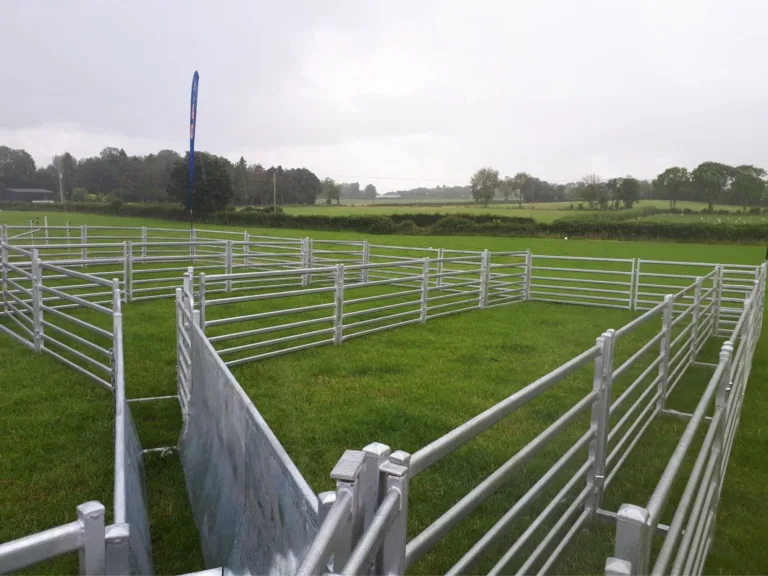
- Sheep Yard Components
- Sheep Races
- Forcing pens
- Drafting lanes
Mobile Setups
Choose a handler that is:
- Lightweight
- Easy to tow or move
- Quick to set up
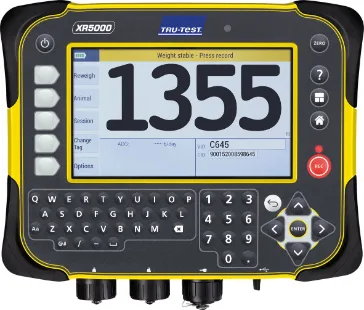
5. Integration With Weighing & EID Systems
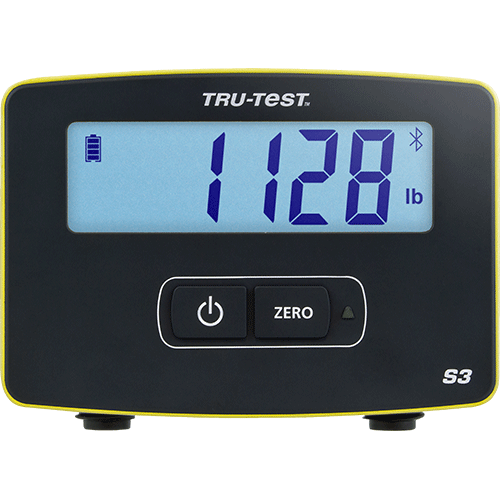
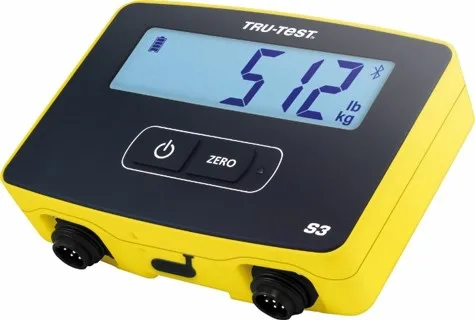
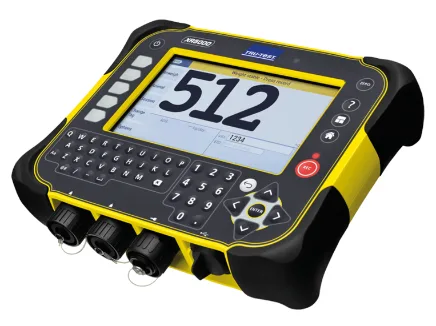
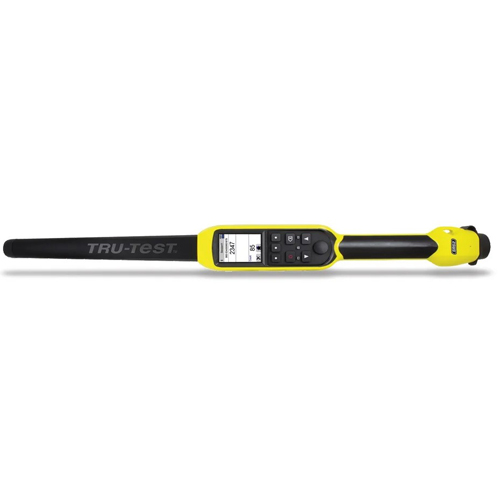
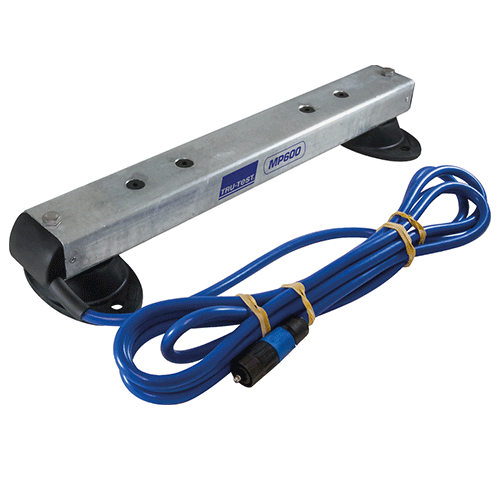
Modern flock management relies on data. If you want to future‑proof your system, choose a handler that integrates with:
This allows you to track:
- Growth rates
- Condition scores
- Medicine use
- Breeding performance
- Sale readiness
6. Build Quality & Durability
Look for:
- Galvanised steel
- Strong welds
- Smooth edges
- Quiet operation
- Non‑slip flooring
- Reliable locking mechanisms
A handler should last 10–20 years, not 2–3.
7. Budget & Long‑Term Value
A handler is an investment. Consider:
- Labour savings
- Reduced injuries
- Faster throughput
- Improved accuracy
- Better welfare
- Grant eligibility
Many handlers qualify for:
- FETF Grant (England)
- Small Grants Efficiency (Wales)
- FBIS (Northern Ireland)
- PSF (Scotland)
Choosing the right sheep handler depends on flock size, workload, labour availability and long‑term flock management goals. Small flocks need simplicity. Medium flocks need versatility. Large flocks need throughput and integration. Very large flocks need automation.
A well‑chosen handler becomes the backbone of your sheep handling system — saving time, reducing labour and improving welfare for years to come.
Take a look at these other useful guides:


⚠️ IMPORTANT: FETF 2026 DEADLINE
The application window for the Farming Equipment and Technology Fund (FETF) 2026 is strictly time-limited.
Window Closes: Midday on 28th April 2026.
Our Recommendation: To ensure your bespoke yard design and itemised quotes are ready for submission, please request your quotes by 21st April 2026. Applications submitted in the final 48 hours often face technical delays on the RPA portal.
FETF 2026 Success Guide & Item Code Cheat Sheet
Avoid costly mistakes, get the correct specs, and improve your chances of a successful FETF application.
Bullet points:
- Includes key item codes (FETF60, FETF61 etc)
- Avoid common application mistakes
- Designed for cattle & sheep handling upgrades
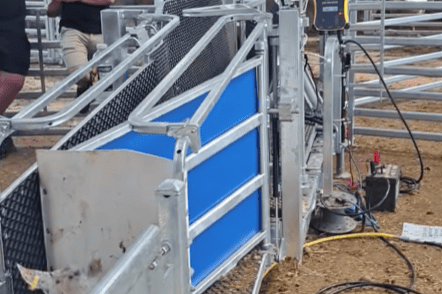
Sheep Handler EID Integration: Connecting Scales, Readers, and Software
Sheep Handler EID Integration Implementing an automated handling system like the Clipex® 6-in-1 Auto Sheep…
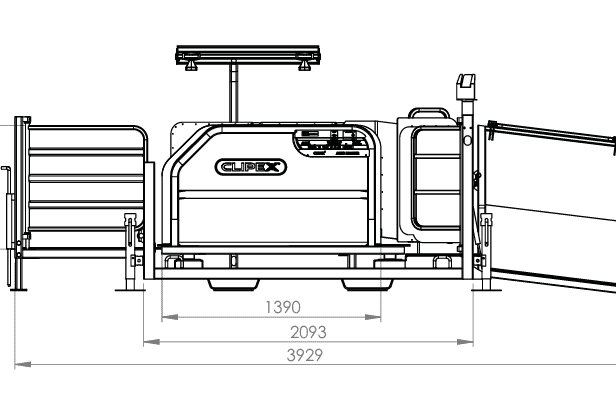
Pneumatic Sheep Handlers: Air Compressor Selection and Winter Management
Pneumatic Sheep Handlers When upgrading to a high-throughput automated system, such as the Clipex® 6-in-1…

Clipex Sheep Handling Demo Day – Doncaster (Friday, 22nd May)
See the Clipex Sheep Handler & Bespoke Livestock Yards in Action Live! Join Farming Solutions…
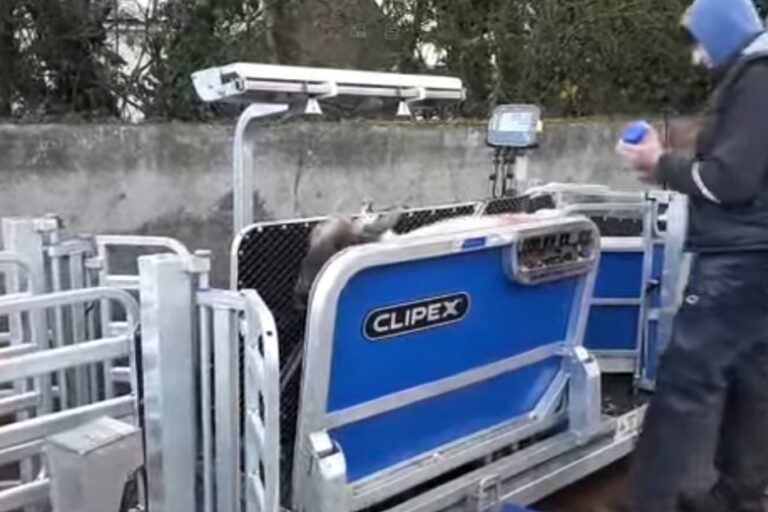
FETF 2026 for Sheep Handling System Upgrades
The Farming Equipment and Technology Fund (FETF) 2026 FETF 2026 for Sheep Handling System Upgrades…

How to Choose the Right Sheep Handler for Your Flock Size
Choosing the Right Sheep Handler for Your Flock Size Choosing the right sheep handler is…
Sheep Handlers vs Auto Drafters
Sheep Handlers vs Auto Drafters: What’s the Difference & Which Do You Need? Sheep Handlers…
Sheep EID – How to Use It Effectively
EID for Sheep Practical strategies for better flock management, compliance and performance tracking Electronic Identification…
UK Sheep EID – How to Use It Effectively in 2025 and Beyond
UK Sheep EID Practical advice for flock traceability and smarter management UK Sheep EID has…
Clipex Sheep Handler Comparison
Clipex Sheep Handler Comparison: 6‑in‑1 Auto Drafter vs Automatic Sheep Handler A practical guide to…