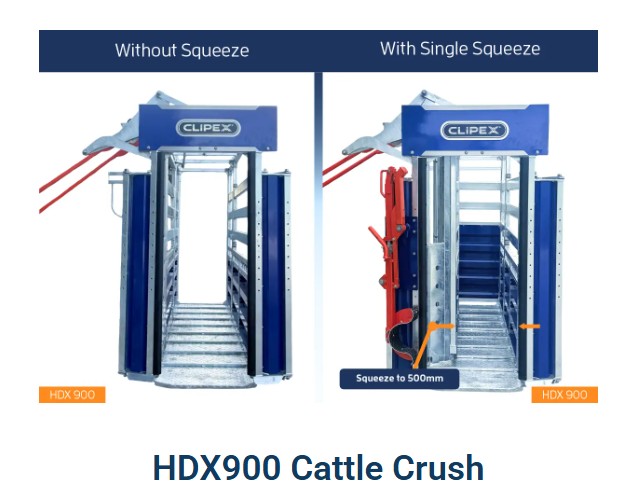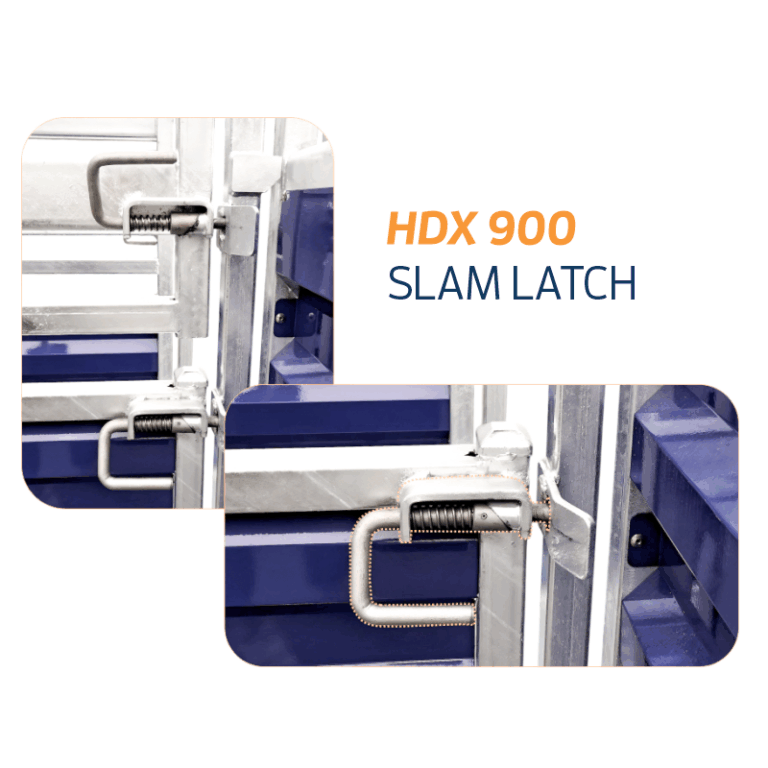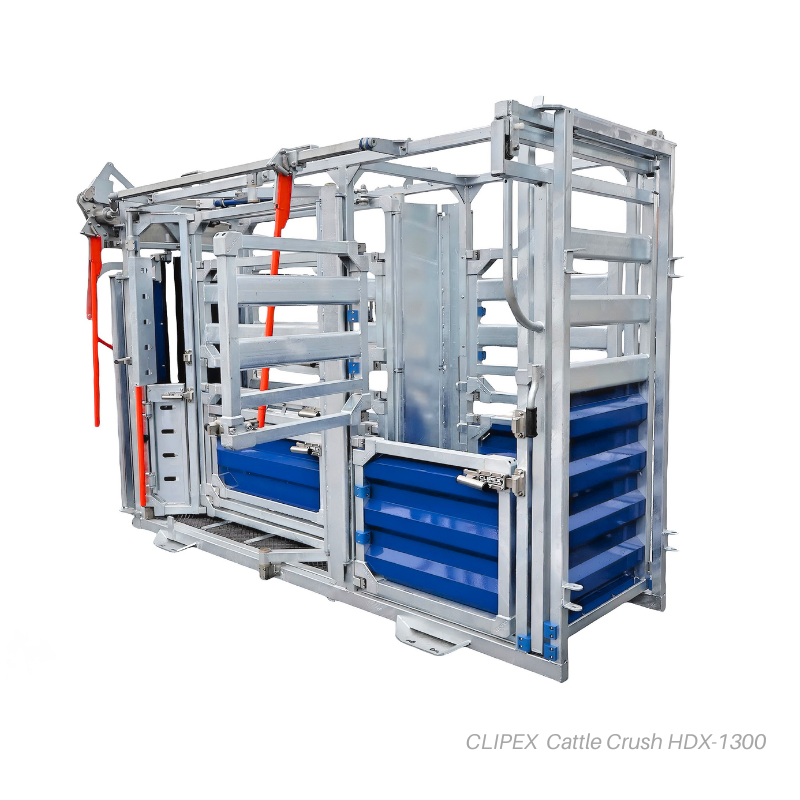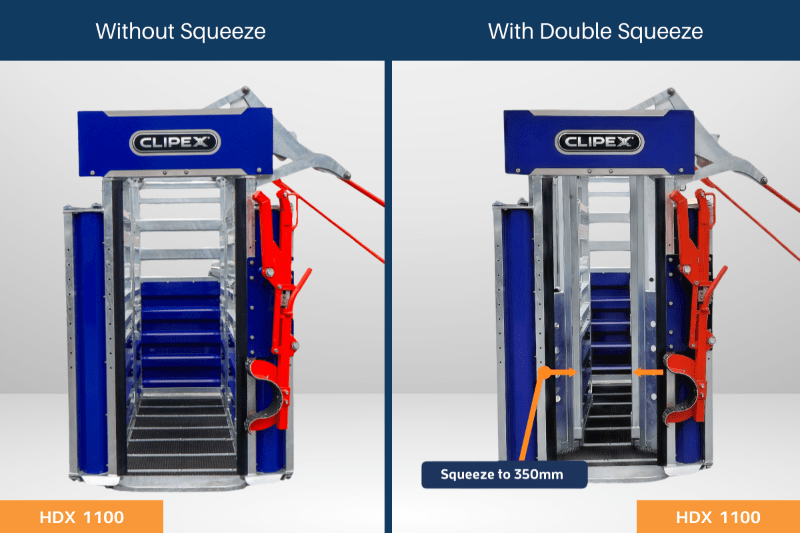
Cattle Crush Comparison
A practical guide to choosing the right crush for safety, efficiency and long‑term value
Cattle Crush Comparison – Choosing the right cattle crush is one of the most important equipment decisions a livestock farm can make. A good crush improves safety, reduces stress, speeds up routine tasks and protects both handlers and cattle. But with so many types available — standard, heavy‑duty, yoke‑style, hydraulic, manual, portable – it can be difficult to know which one is genuinely right for your farm.
This guide breaks down the main types of cattle crushes, their strengths, their limitations and the situations where each one performs best.
1. Standard Manual Cattle Crushes
Best for: Small herds, low‑frequency handling, tight budgets
Standard manual crushes are the most common entry‑level option. They’re simple, reliable and suitable for farms that handle cattle occasionally rather than daily.
Pros
- Affordable
- Low maintenance
- Easy to operate
- Suitable for routine tasks (dosing, tagging, foot checks)
Cons
- Not ideal for large or lively cattle
- Slower for high‑throughput handling
- Limited safety features compared to premium models
Ideal for:
Small family farms, low‑stress cattle, occasional handling.
2. Heavy‑Duty Manual Crushes
Best for: Larger herds, beef units, farms handling strong or unpredictable cattle
Heavy‑duty crushes are built with stronger steel, reinforced frames and more secure headgates. They’re designed for farms that need durability and safety without the cost of hydraulics.
Pros
- Stronger and safer for big cattle
- Longer lifespan
- Better head control
- Suitable for more frequent handling
Cons
- More expensive than standard crushes
- Still labour‑intensive compared to hydraulic models
Ideal for:
Beef farms, suckler herds, and farms with mixed cattle sizes.
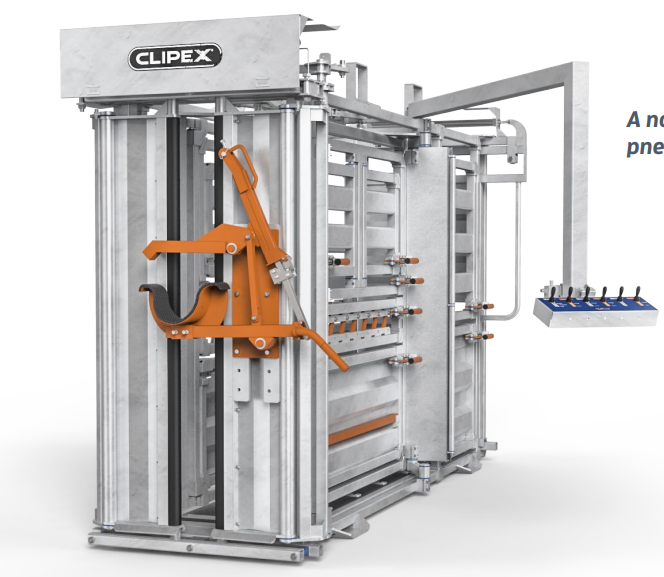
3. Hydraulic Cattle Crushes
Best for: High‑throughput farms, dairy units, one‑person handling
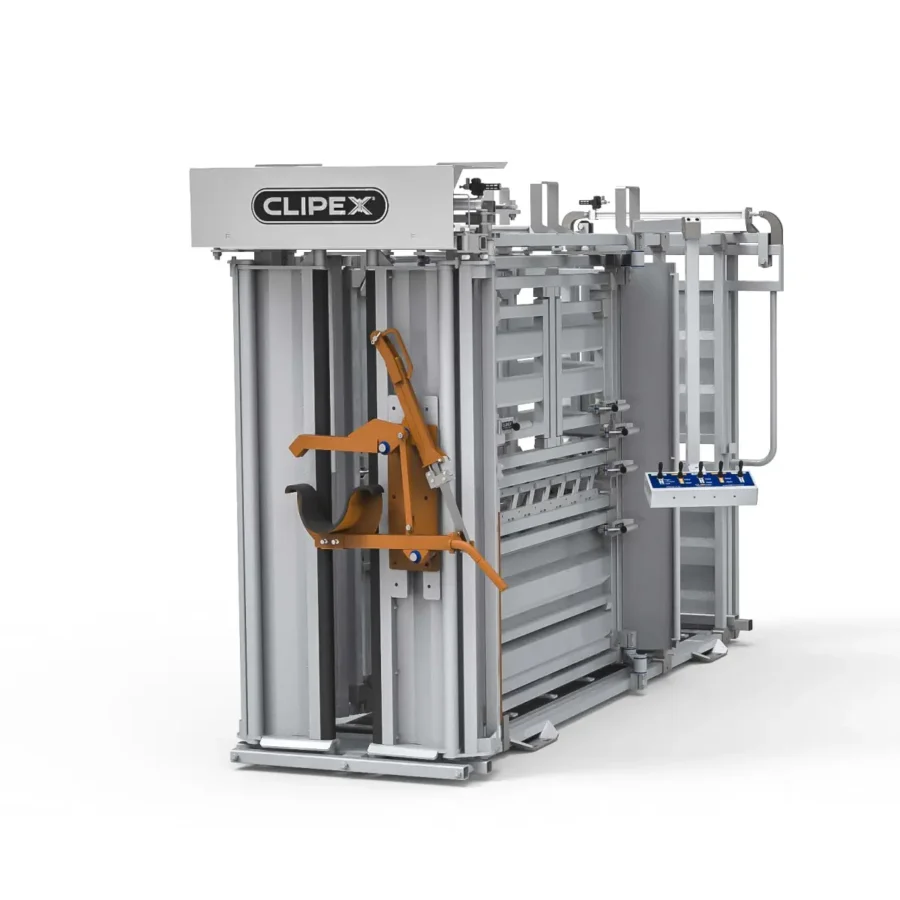
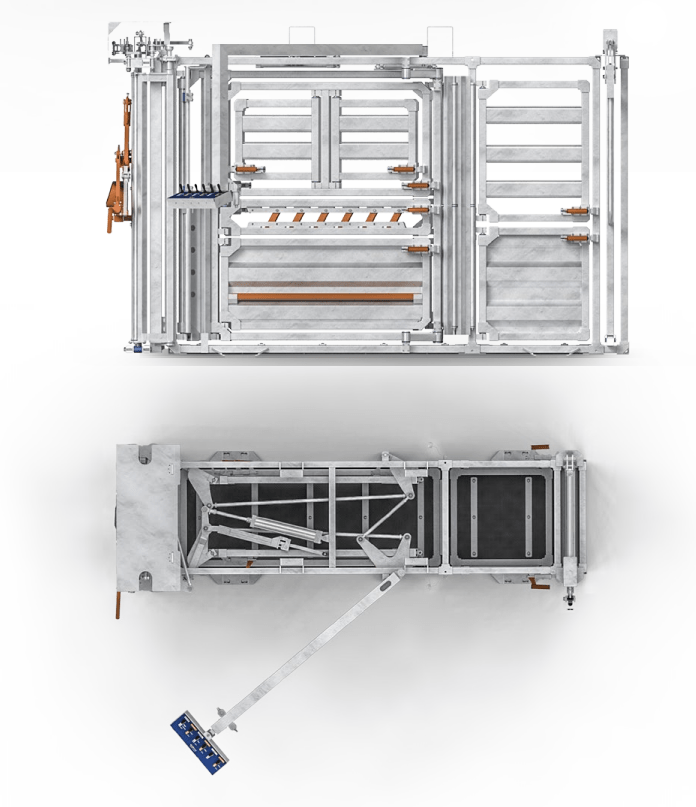
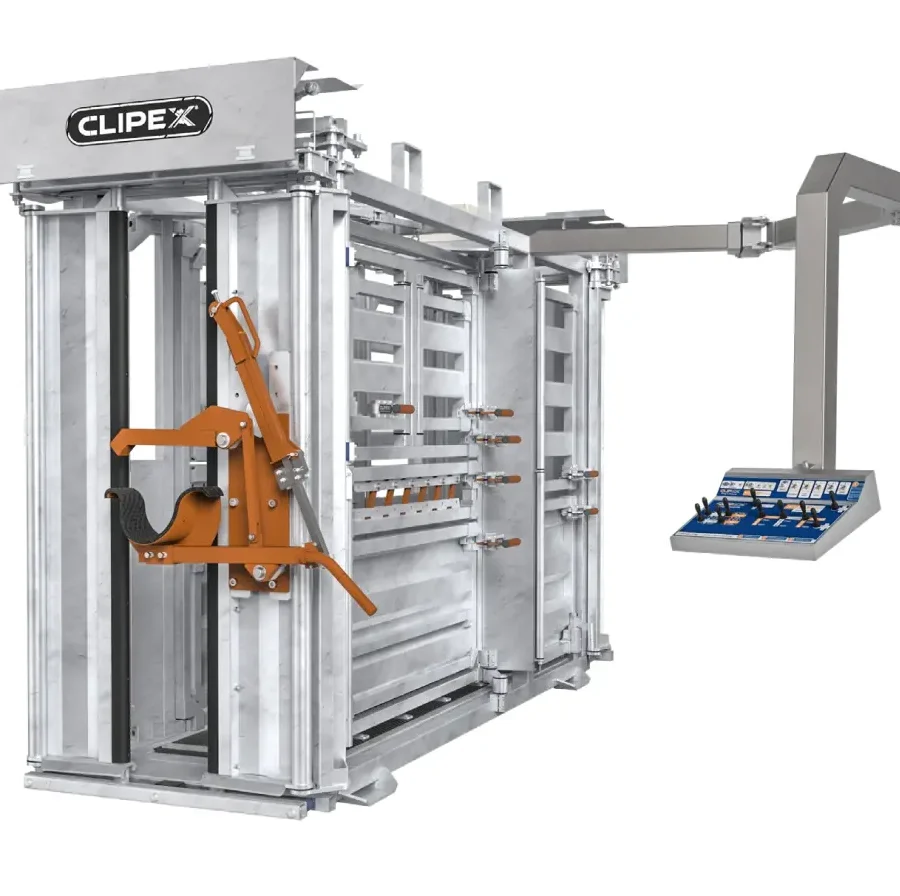
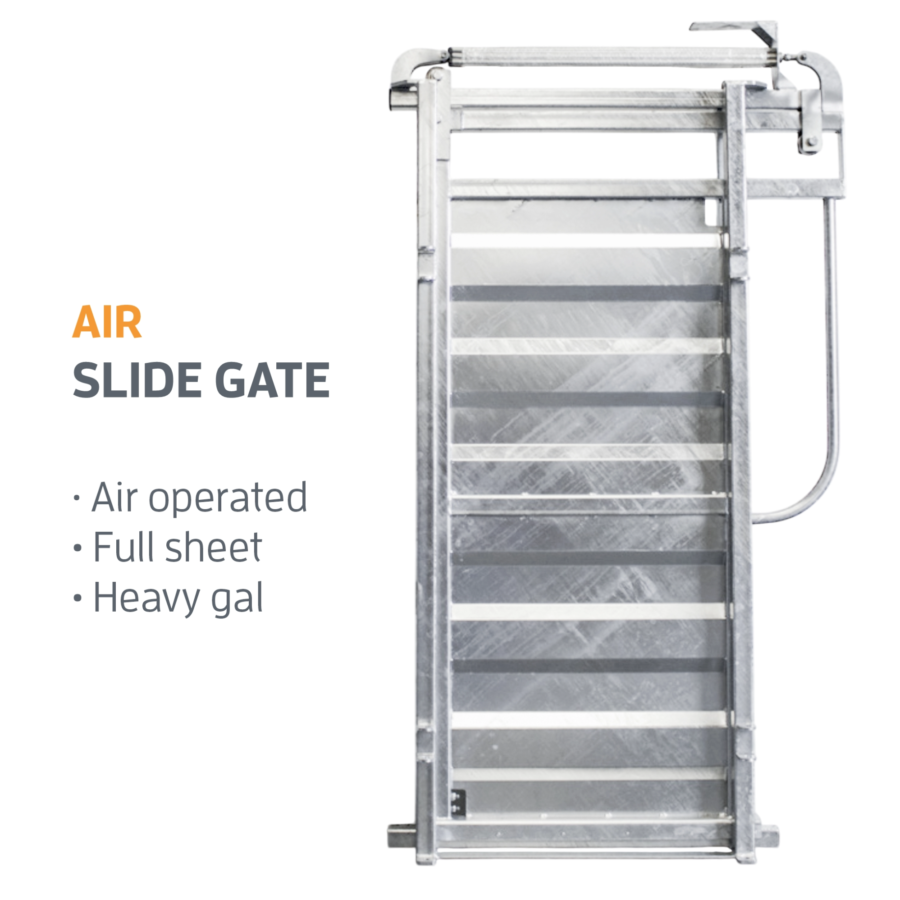
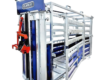
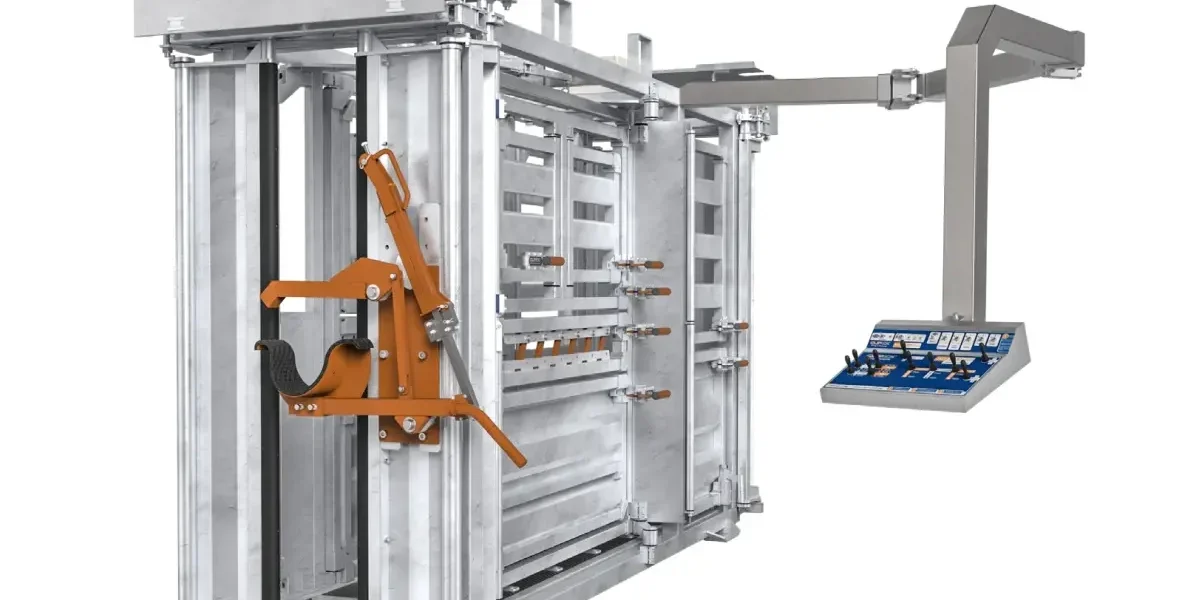
Hydraulic crushes offer the highest level of safety, speed and control. They allow handlers to operate gates, head yokes and side panels at the push of a button.
Pros
- Fast, smooth and quiet operation
- Excellent for one‑person handling
- Reduced stress for cattle
- Minimises risk of injury to handlers
- Ideal for frequent tasks like TB testing, weighing and foot trimming
Cons
- Higher upfront cost
- Requires a power source
- More maintenance than manual crushes
Ideal for:
Large herds, dairy farms, high‑frequency handling, and farms prioritising safety and labour reduction.
4. Portable Cattle Crushes
Best for: Out‑wintered cattle, multi‑site farms, seasonal handling
Portable cattle crushes are designed for flexibility; They’re lighter, easier to move and ideal for farms that handle cattle in multiple locations.
Pros
- Easy to transport
- Great for grazing systems
- Useful for seasonal tasks (weaning, dosing, TB testing)
Cons
- Not as strong as fixed heavy‑duty models
- Limited features
- Less stable for large or excitable cattle
Ideal for:
Farms with multiple blocks of land, out‑wintered cattle, and contractors.
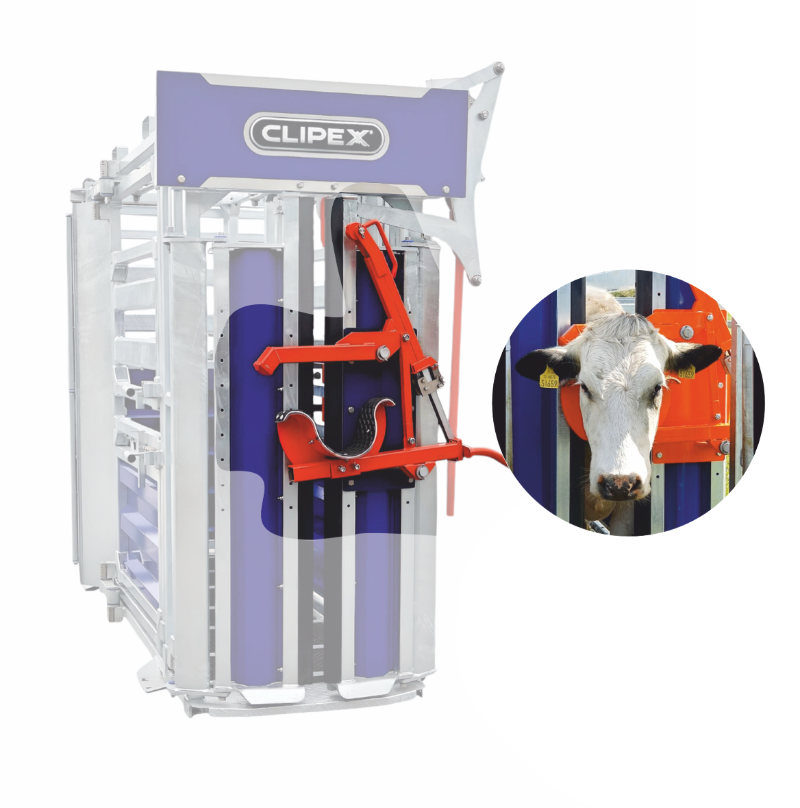
5. Yoke‑Style vs Full‑Headgate Crushes
Yoke‑Style (Self‑Locking)
- Good for calm cattle
- Simple and affordable
- Less control for vet work
Full‑Headgate
- Better head restraint
- Safer for handlers
- Ideal for vet work, tagging, bolusing and TB testing
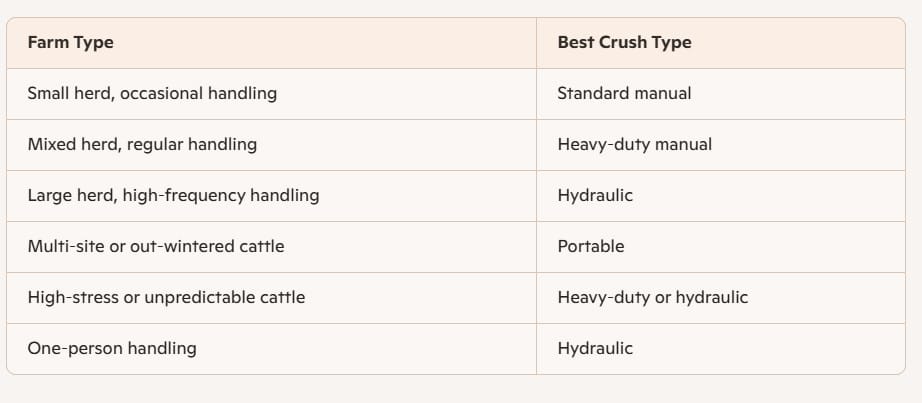
Which Cattle Crush Is Right for Your Farm?
Here’s a quick decision guide:
Final Thoughts
The right cattle crush depends on your herd size, handling frequency, labour availability and long‑term goals. Investing in the right model improves safety, reduces stress and pays for itself through faster, smoother handling.
If you’re planning a yard upgrade, your crush choice should also fit seamlessly into your wider system layout — something your Livestock Handling System Design service can help farmers get right from the start.
- Browse our Cattle Handling Equipment
- Read next: How to Improve Cattle Flow Through Your Handling System