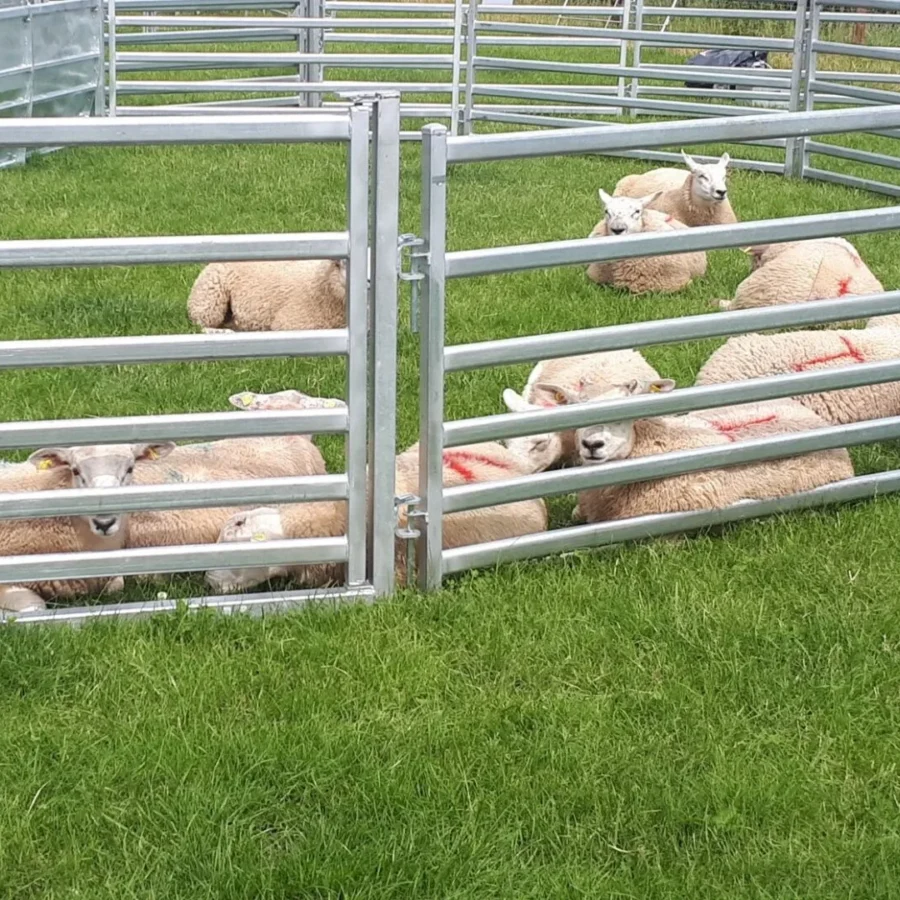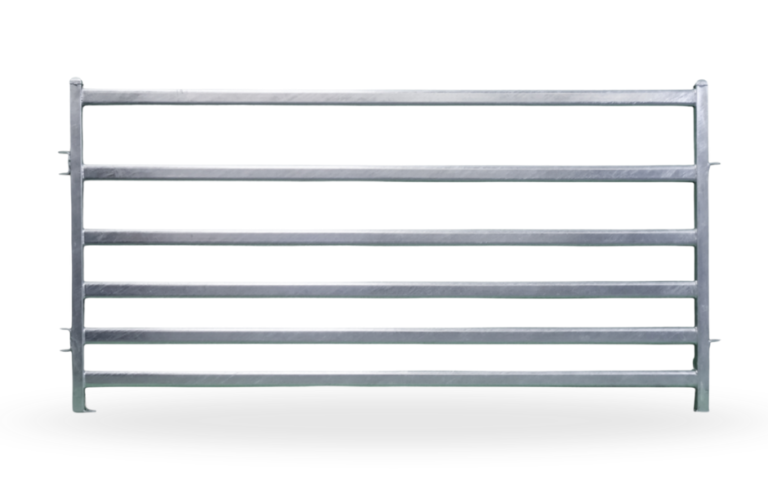
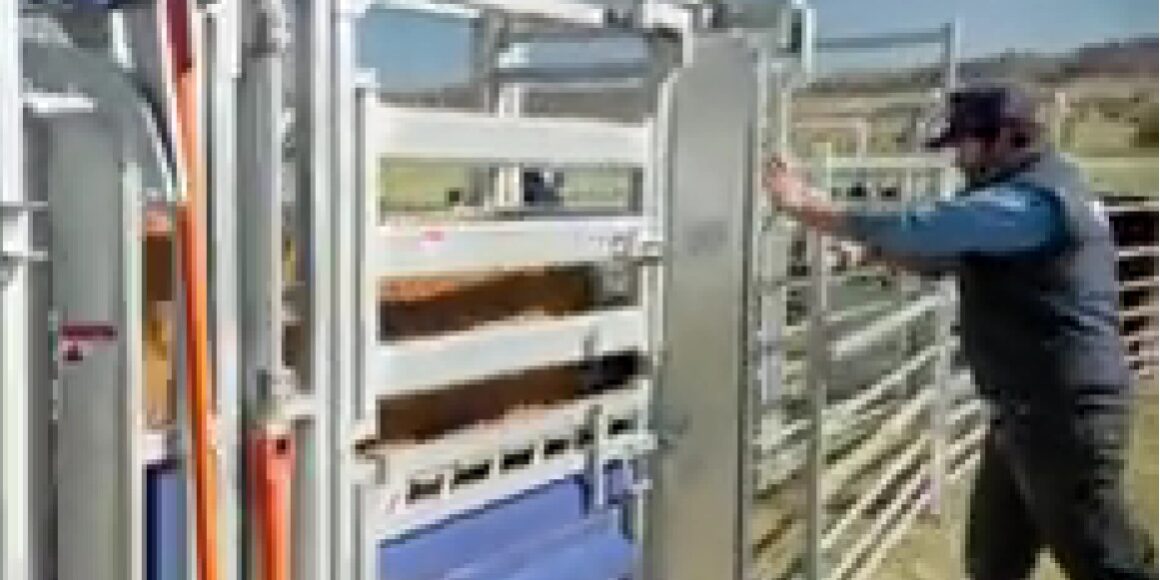
One-Person Handling Systems
How to build cattle and sheep yards that work efficiently with minimal labour
One‑person handling is no longer a luxury – it’s becoming a necessity. With labour shortages, rising costs and increasing compliance demands, UK farms need livestock handling systems that allow safe and efficient work with minimal staff.
A well‑designed yard doesn’t just make one‑person handling possible – it makes it easy. Here’s how to design a system that supports calm livestock flow and safe, confident operation.
1. Start With Behaviour, Not Equipment
Cattle and sheep move best when the design respects their natural instincts.
Key behavioural principles:
- Animals move towards light, not darkness
- They prefer curves over sharp corners
- They follow the animal in front
- They avoid shadows, noise and sudden movement
- They move better when they can’t see the operator too early
Designing around these principles reduces the need for extra people.
2. Build a System That Maintains Flow Automatically
One‑person handling relies on animals moving forward without constant pressure.
Essential features:
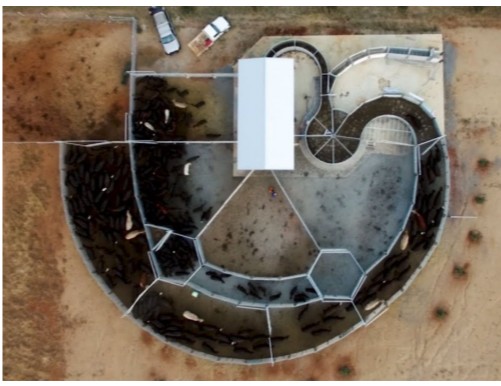
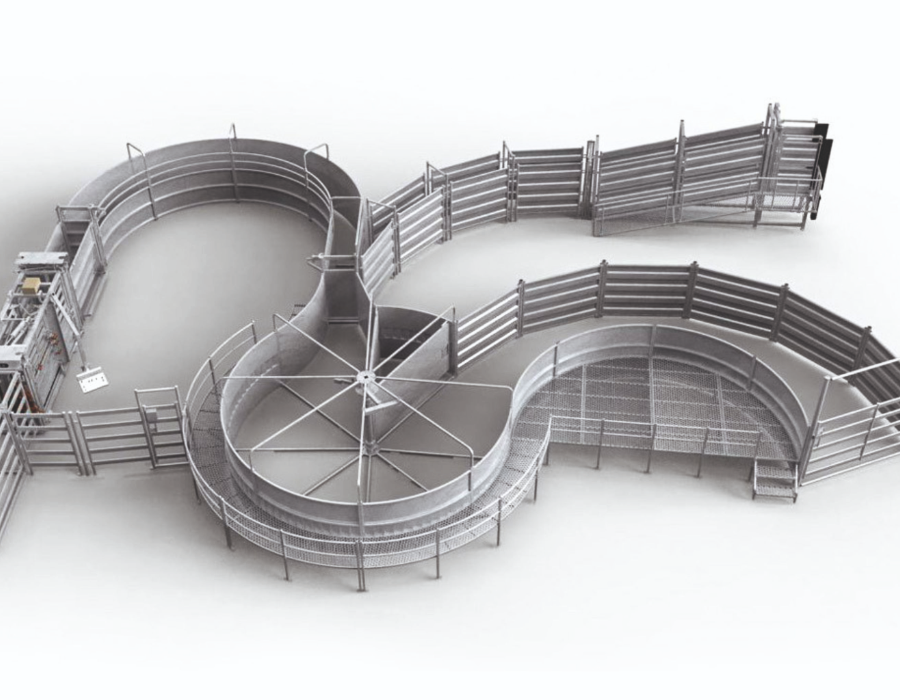
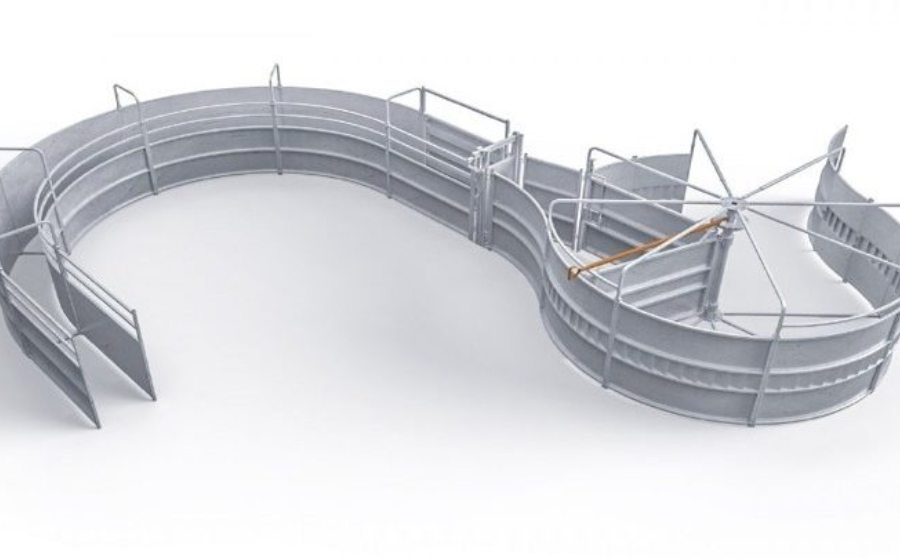
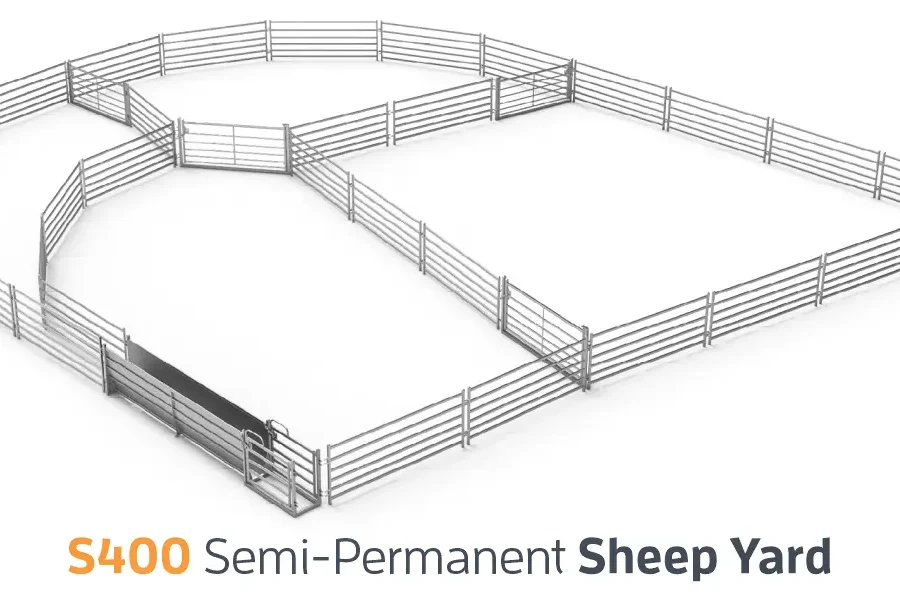
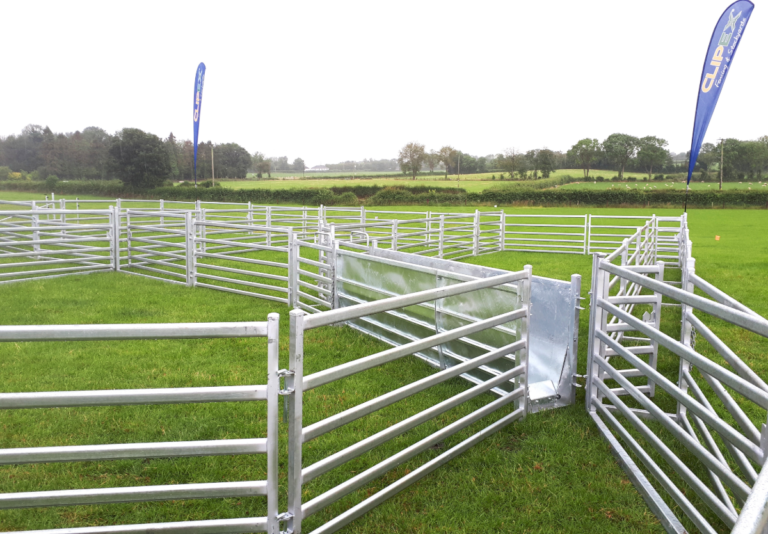
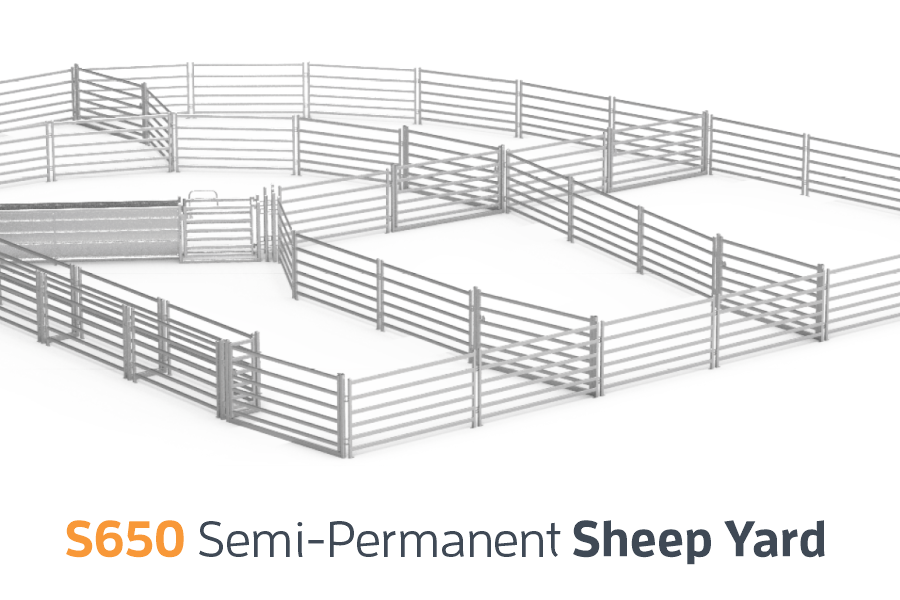
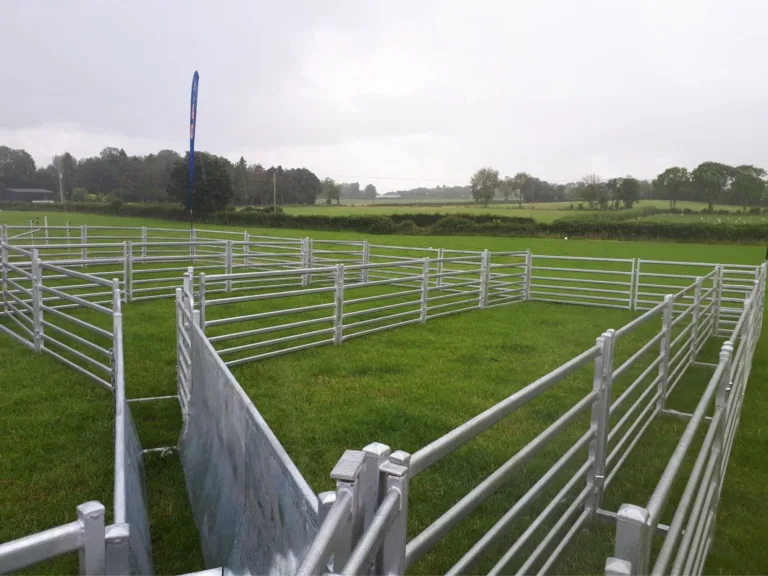
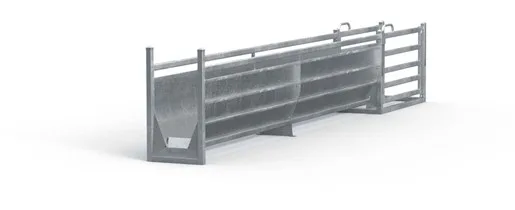
- Curved or tapered races
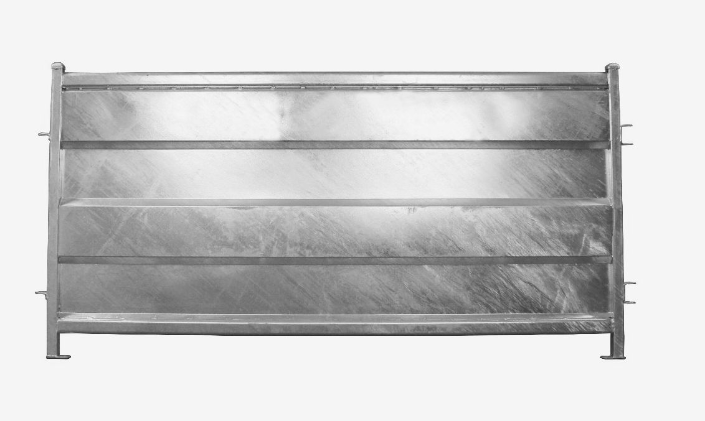
- Solid sides to reduce distractions
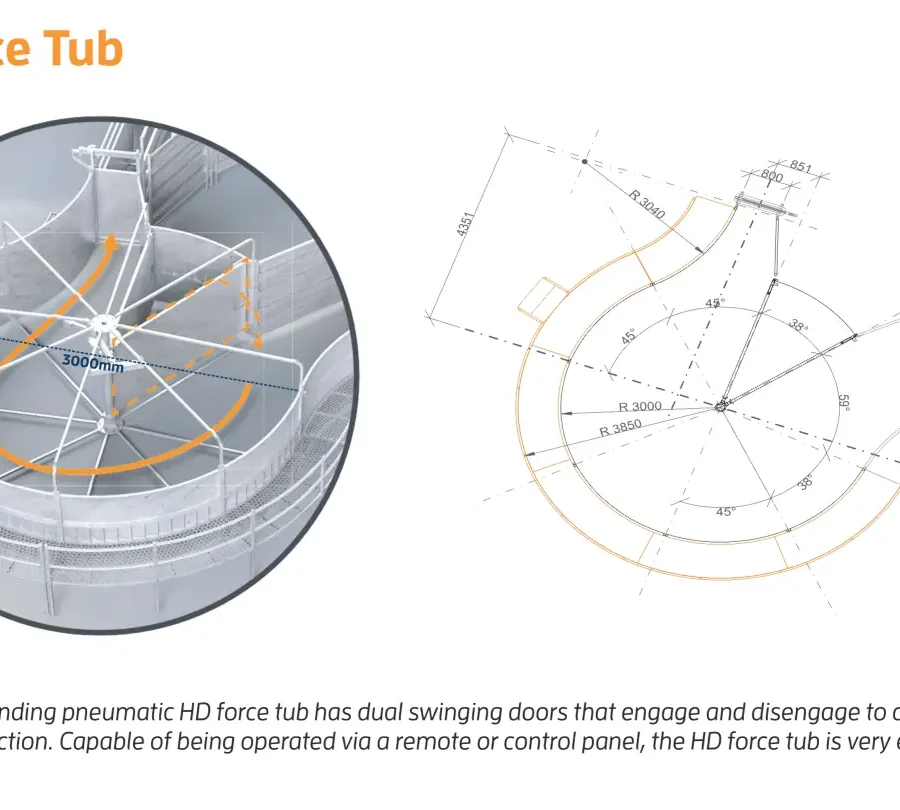
- A well‑designed forcing tub
- Anti‑backing devices
- A pre‑catch area before the crush or handler
When animals move willingly, one person can manage the entire process.
3. Use Gates That Do the Work for You
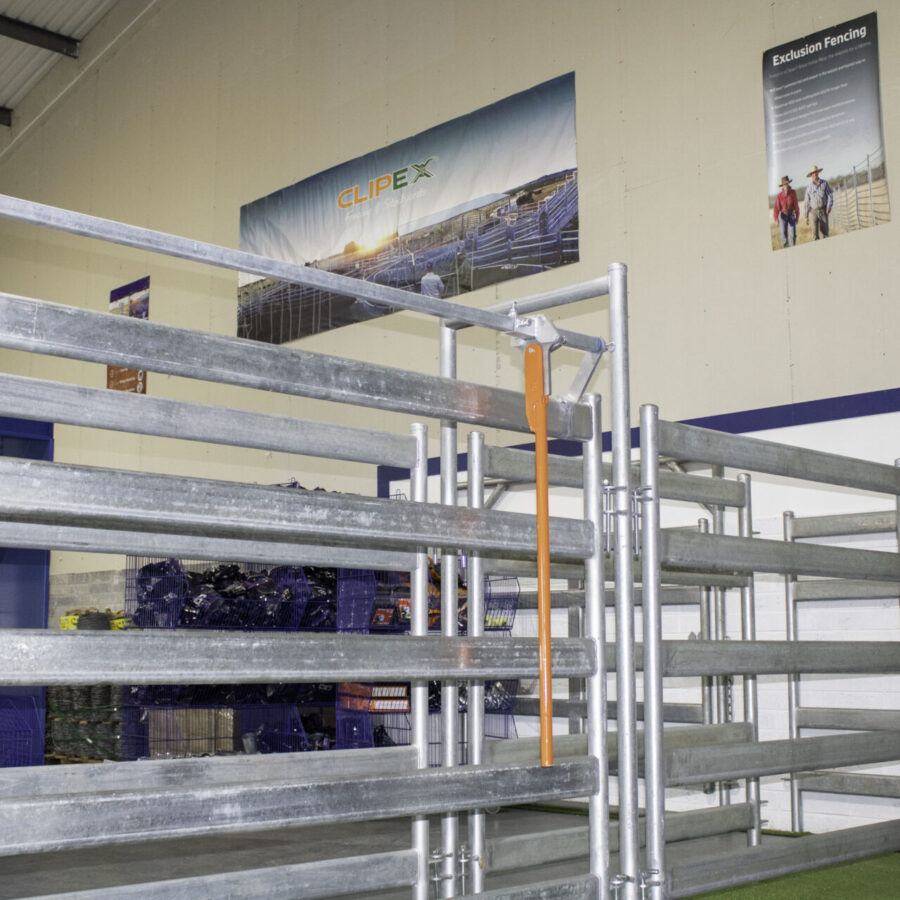
Gates are the backbone of one‑person handling.
Look for:
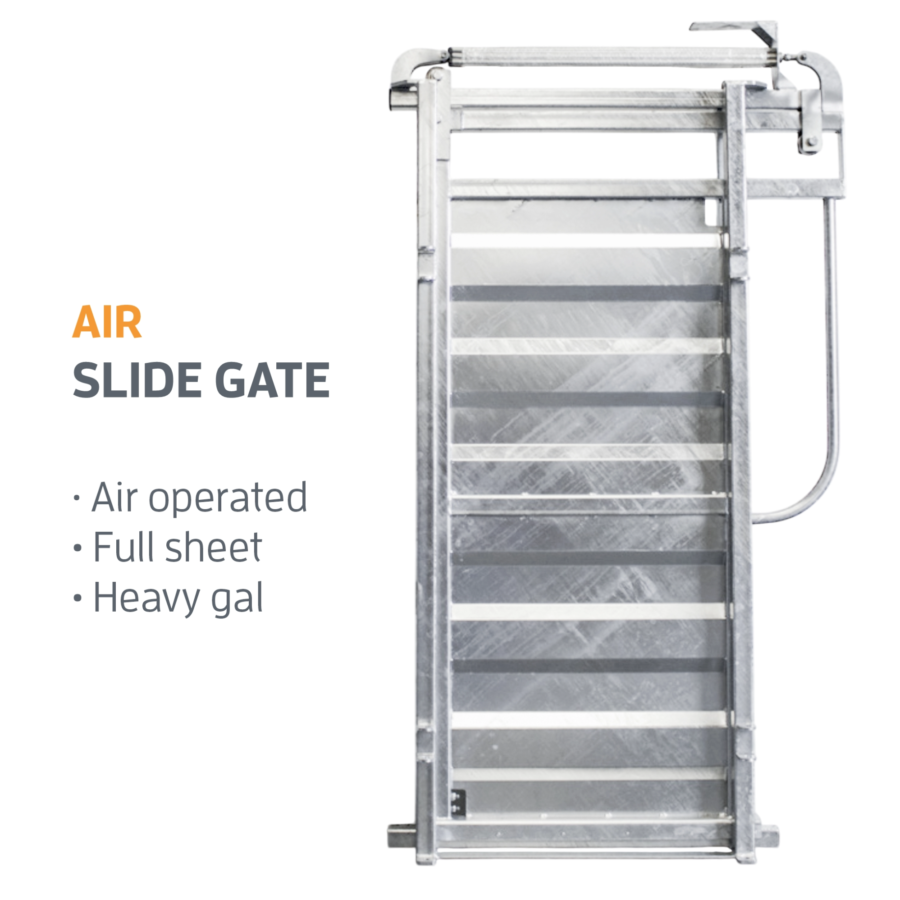
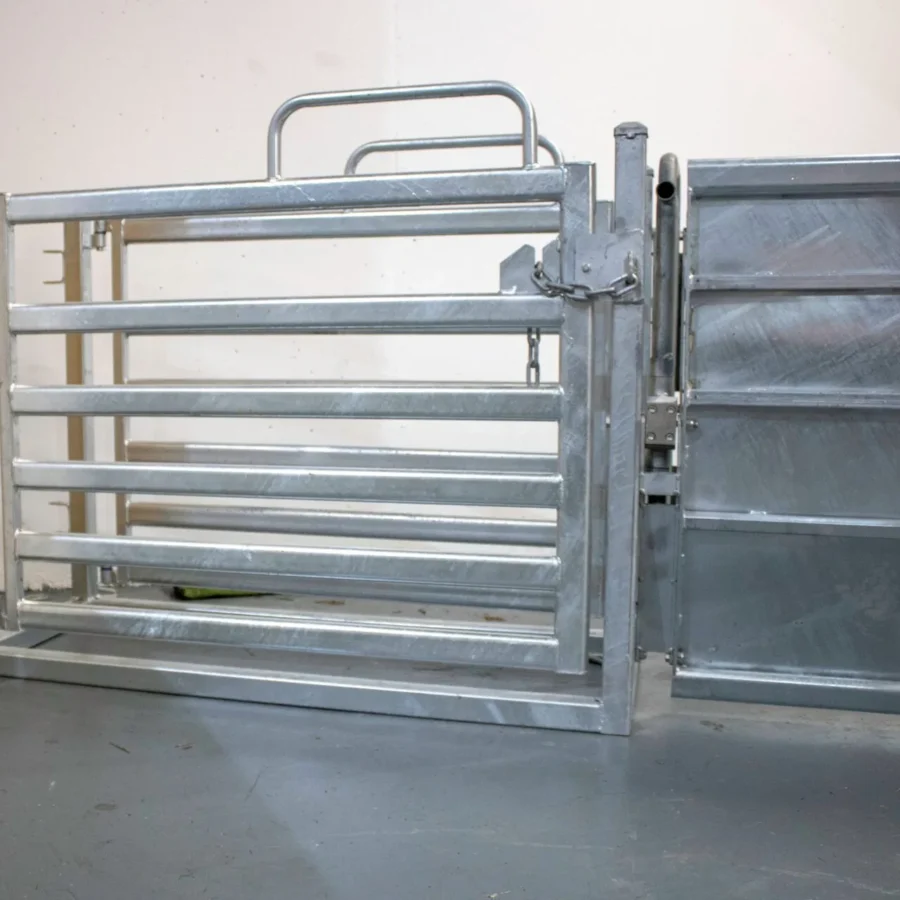
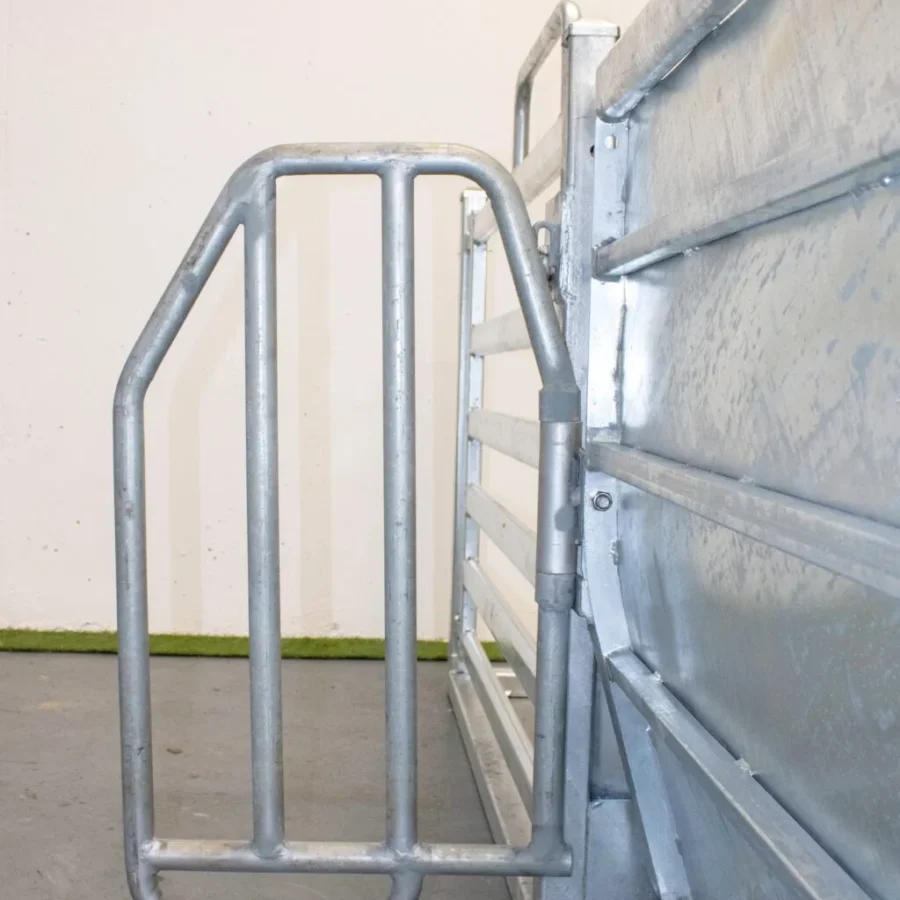
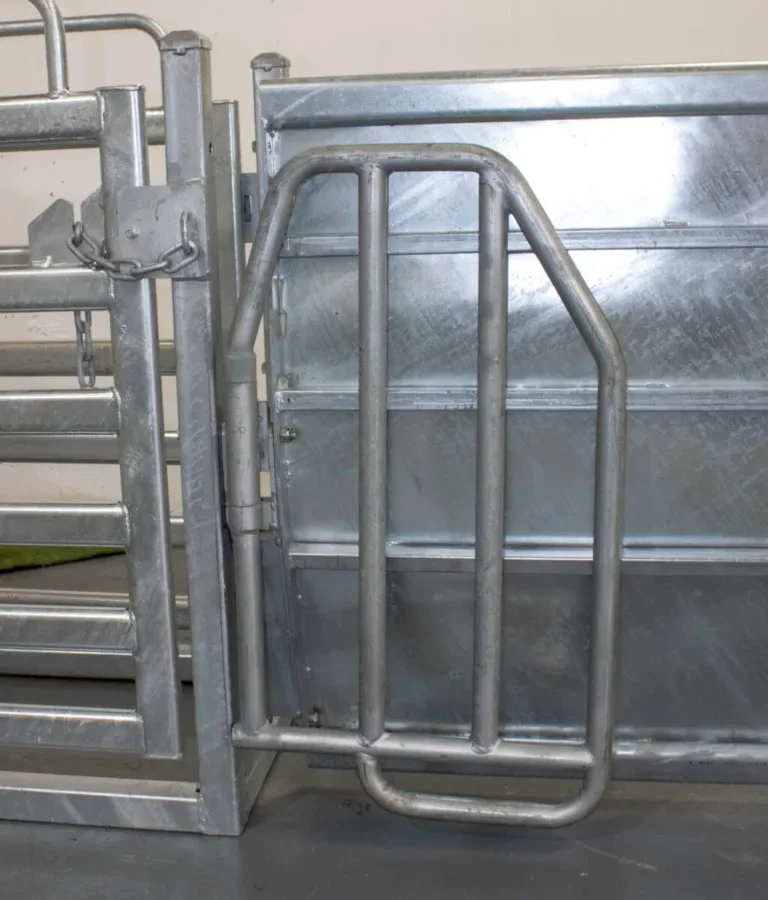
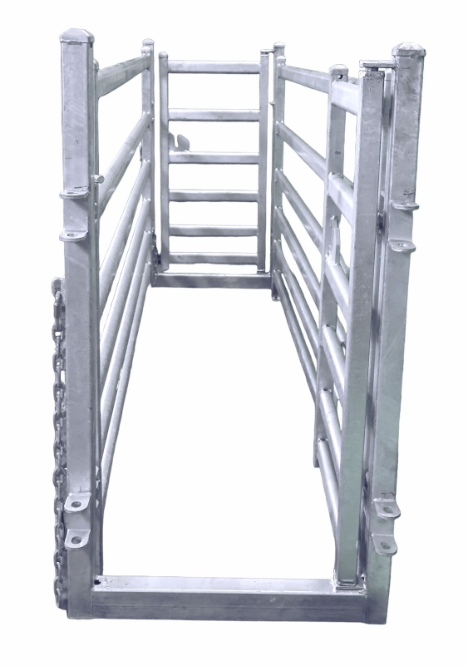
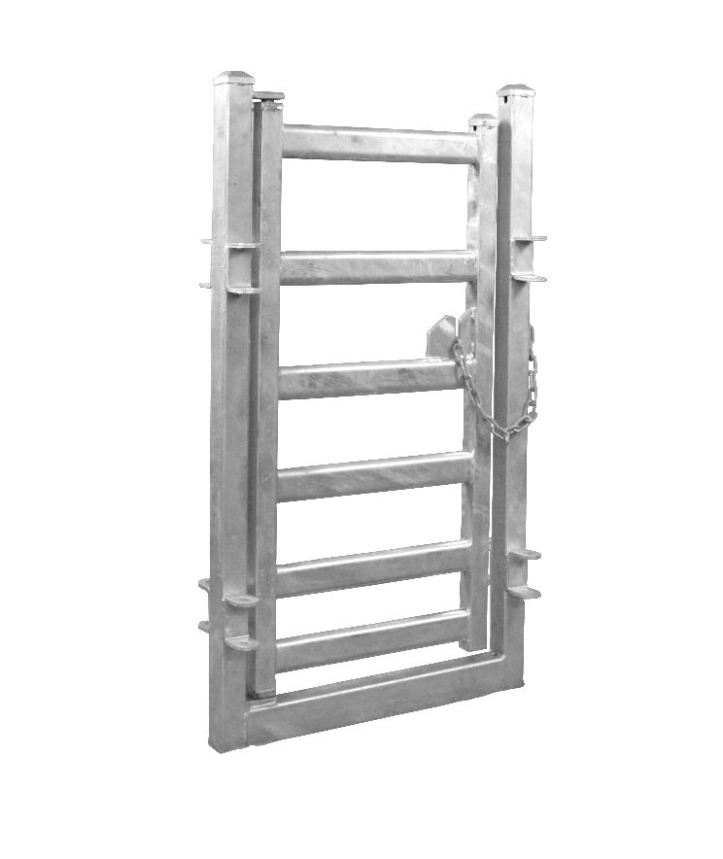
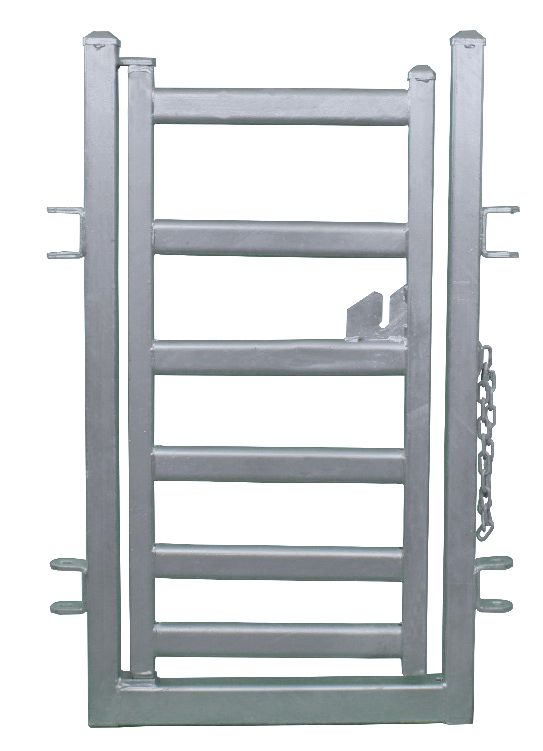
- Auto‑locking gates
- Spring‑loaded or self‑closing gates
- Drafting gates positioned within arm’s reach
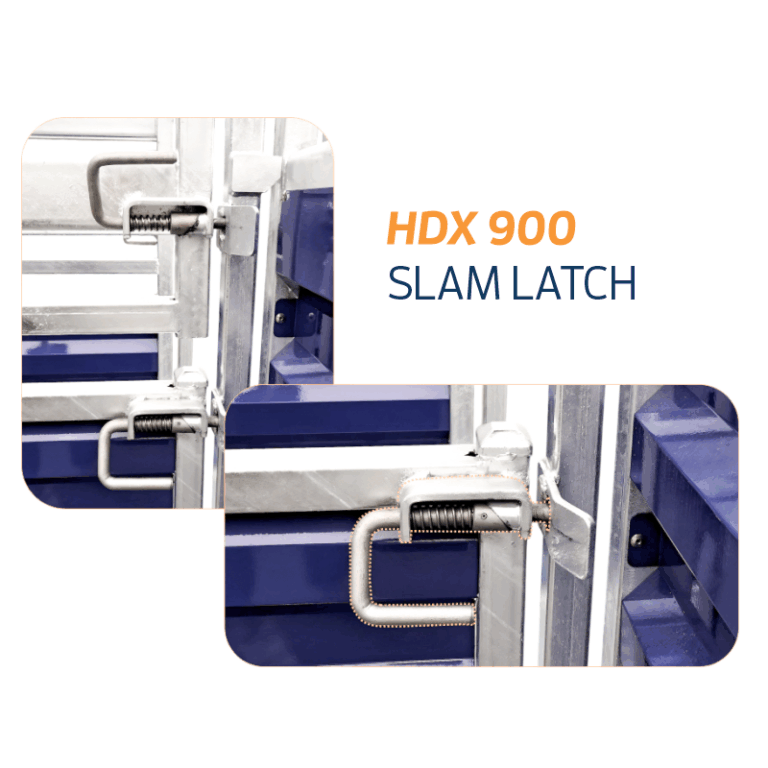
- Quiet, smooth latches
- Catwalks for safe operator movement
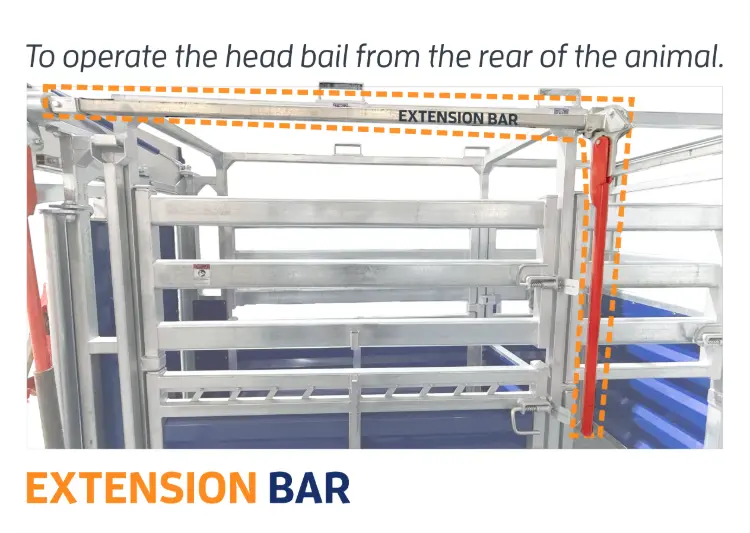
Every gate should be operable with one hand.
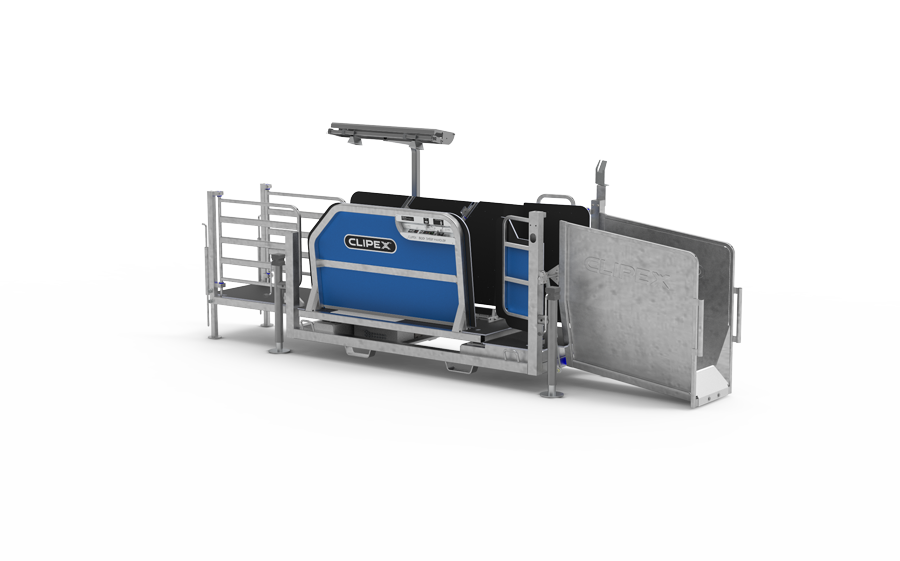
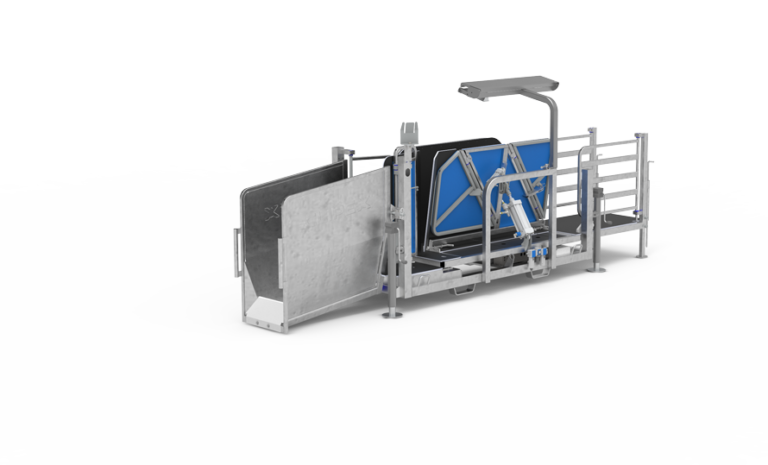
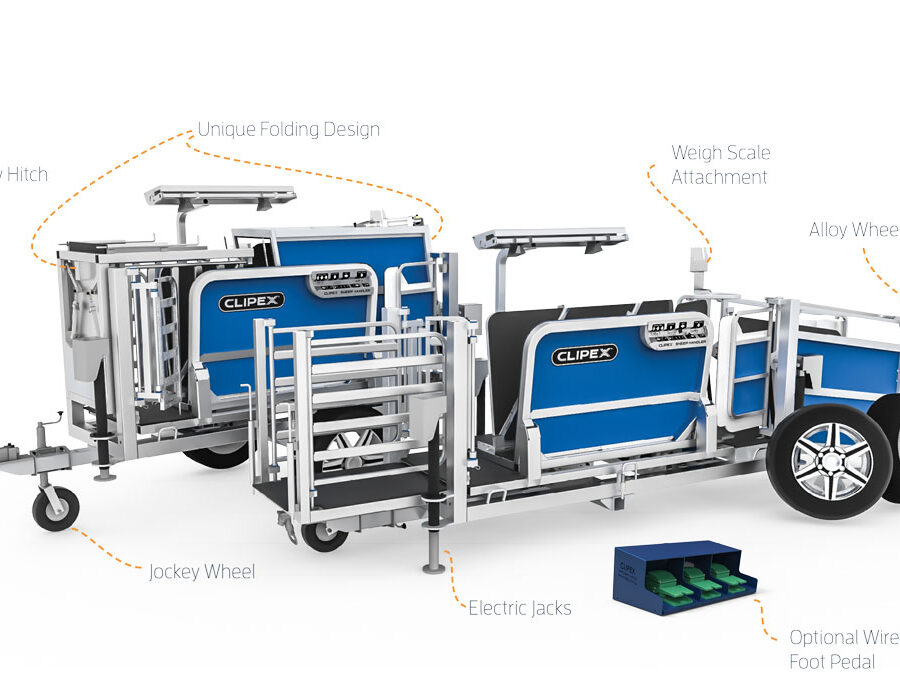
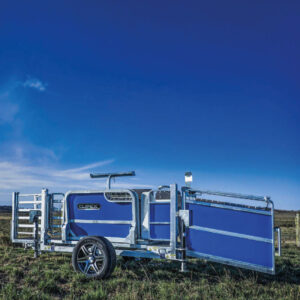
4. Choose Equipment Designed for Solo Operation
Modern livestock handling equipment is built with one‑person operation in mind.
For cattle:
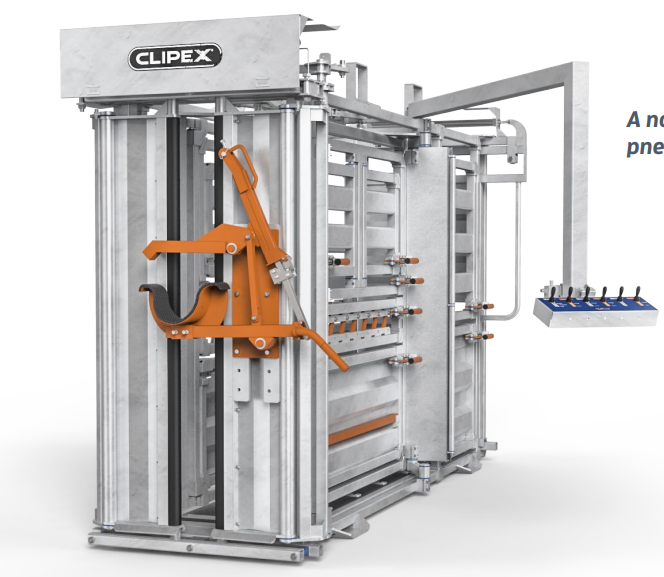
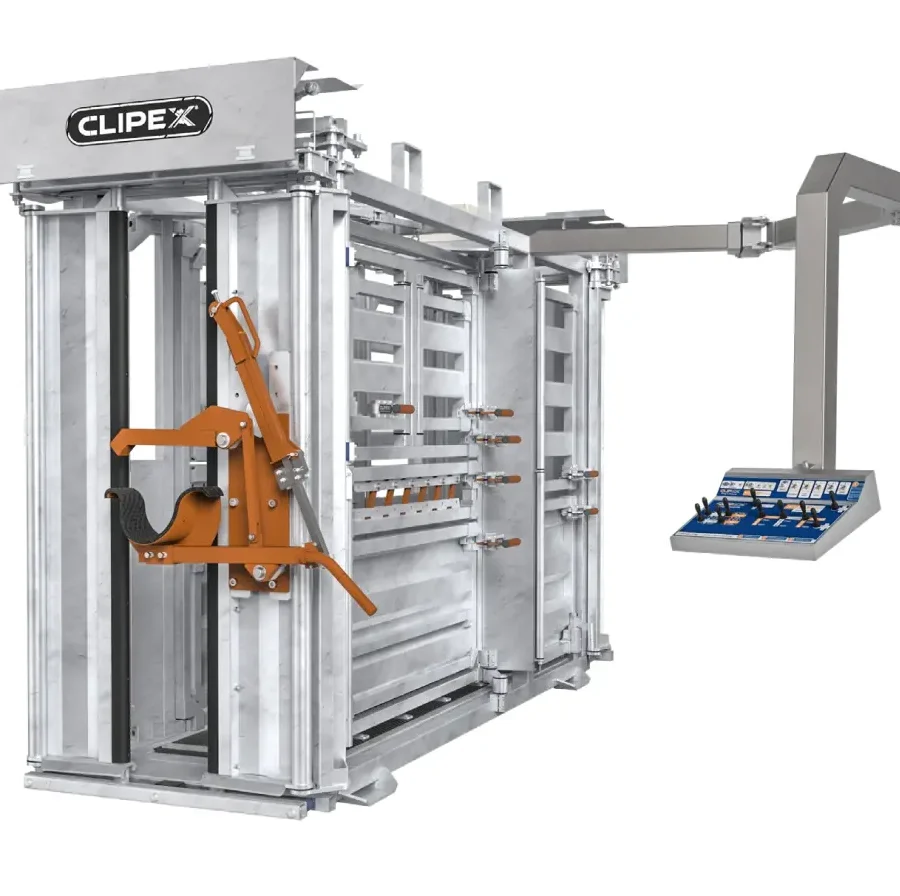
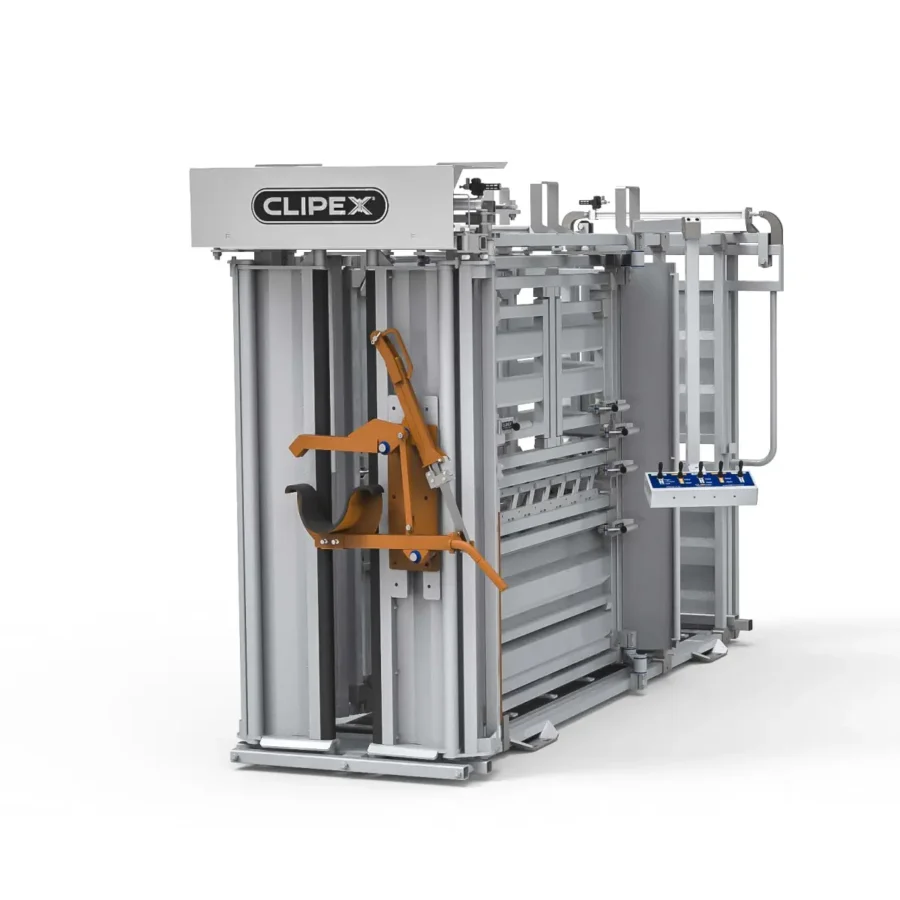
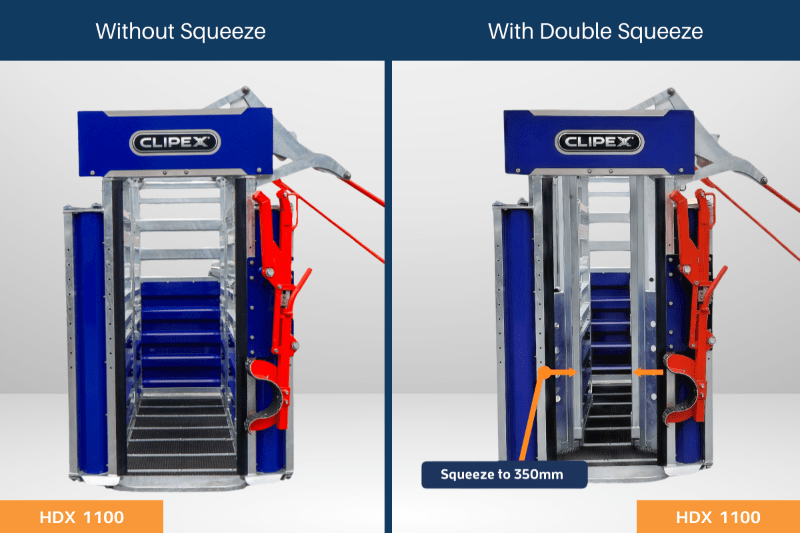
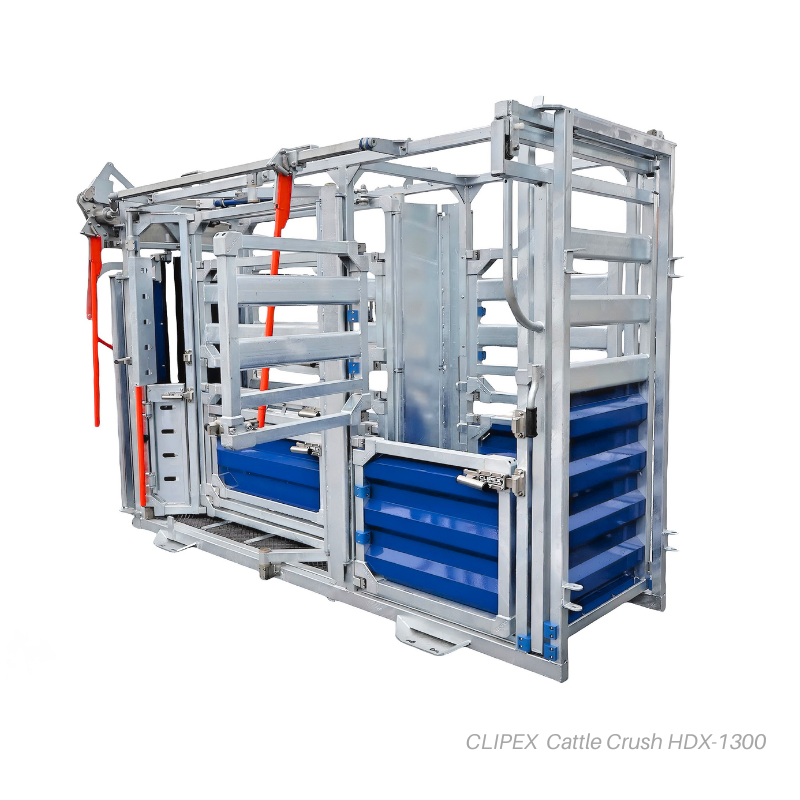
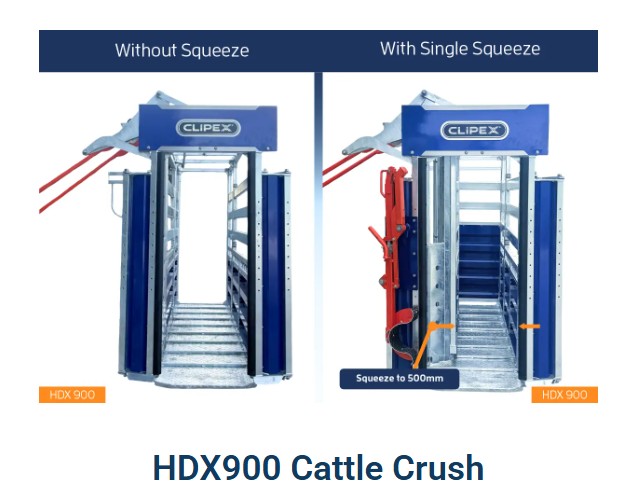
- Manual cattle crushes or pneumatic crushes
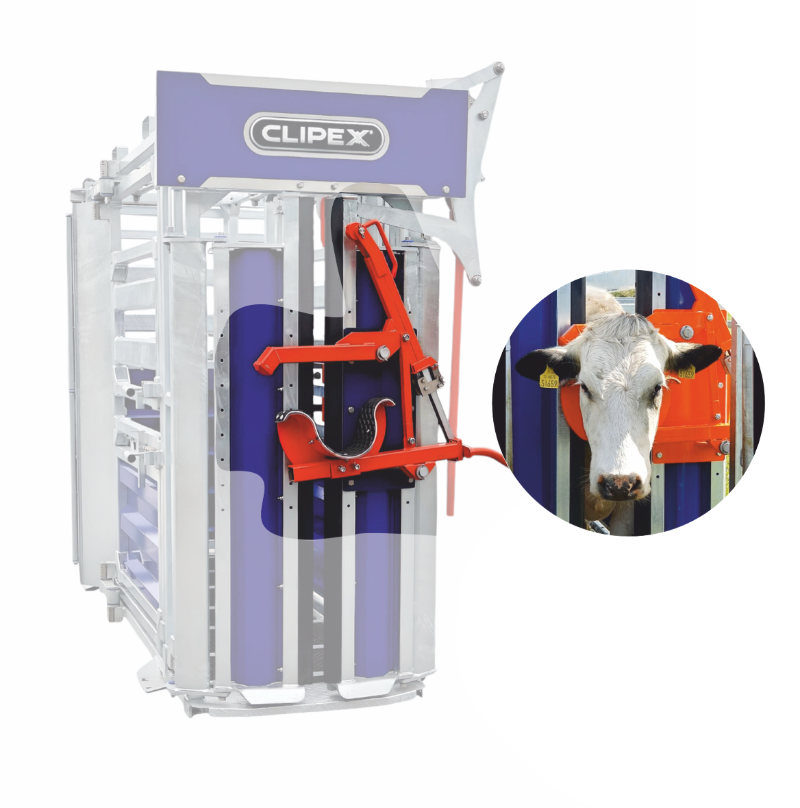
- Head scoops
- Anti‑backing bars
- Quiet, low‑stress designs
For sheep:
These tools reduce the need for physical restraint or extra handlers.
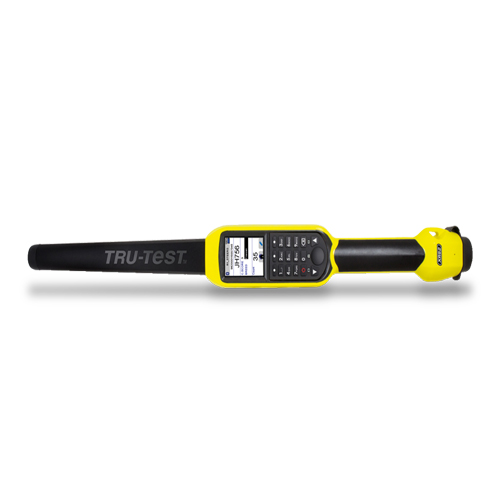
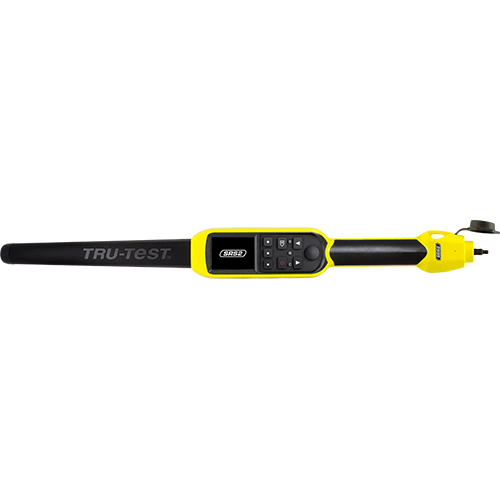
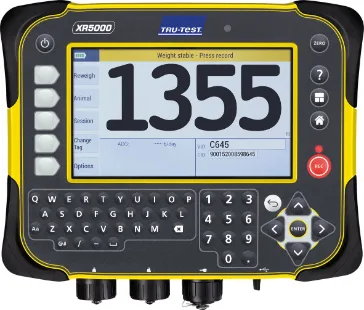
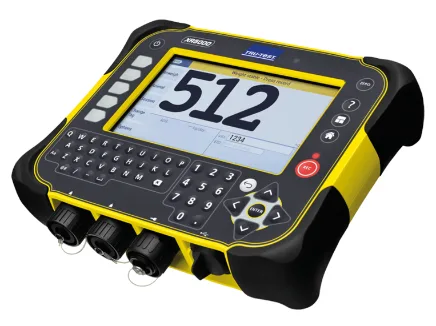
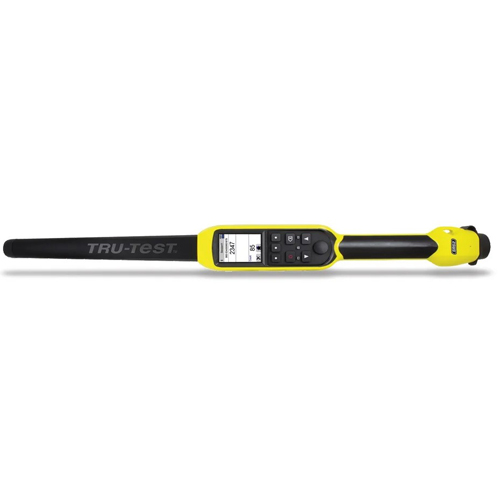
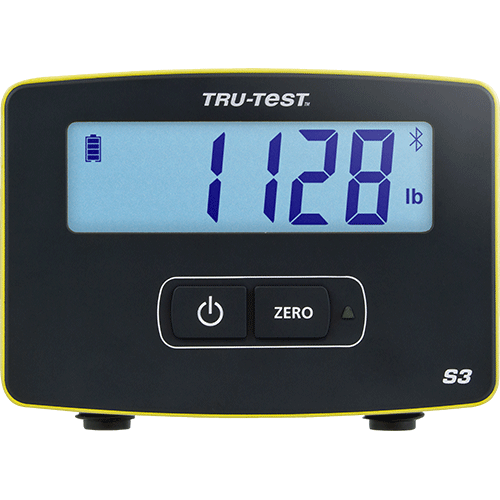
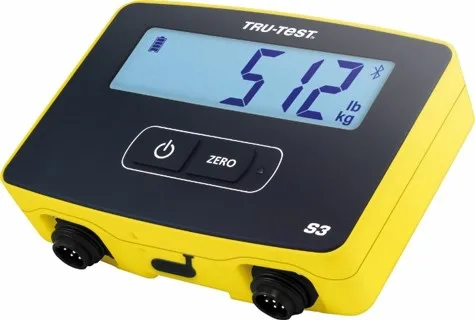
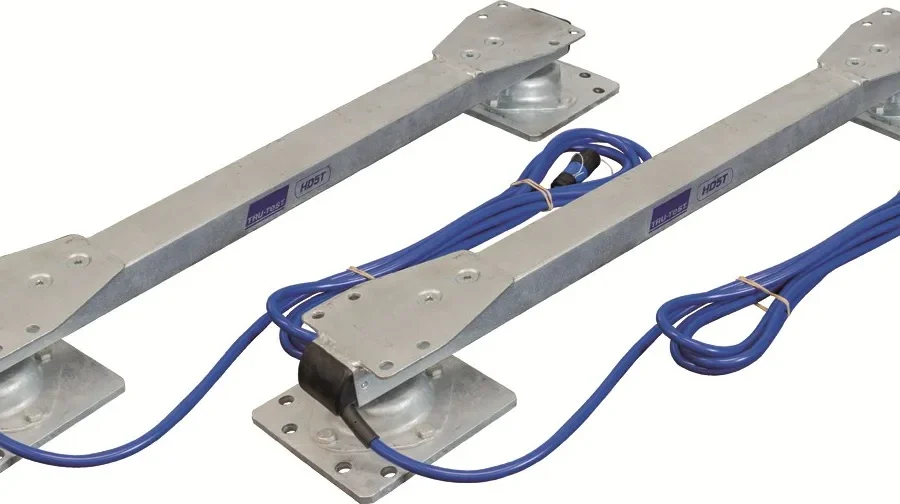
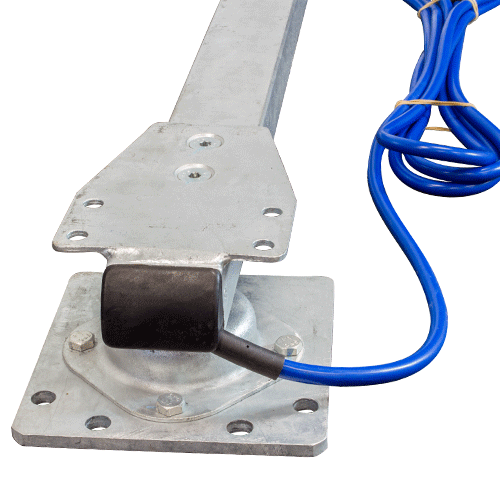
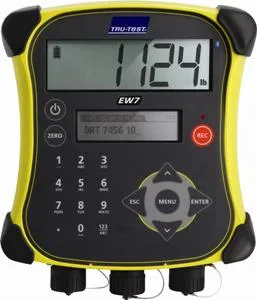
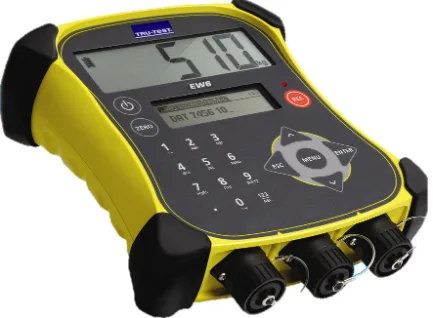
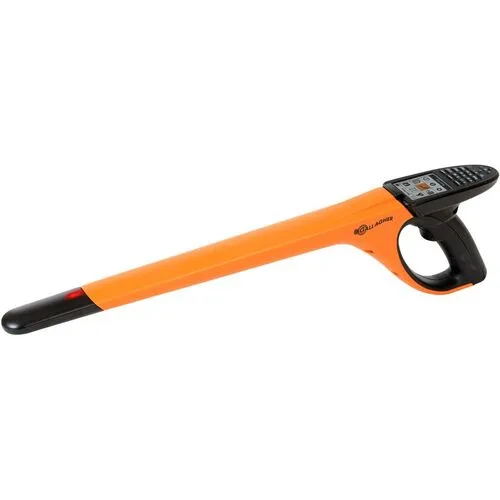
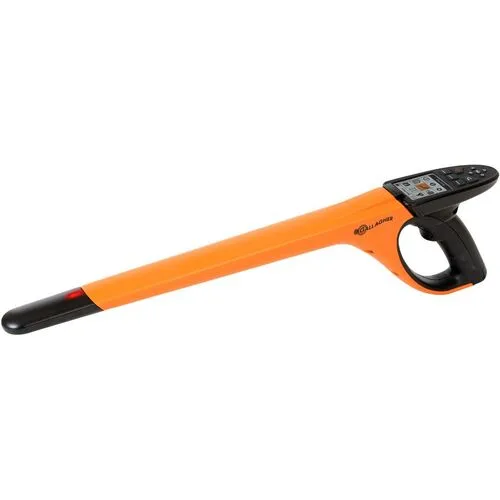
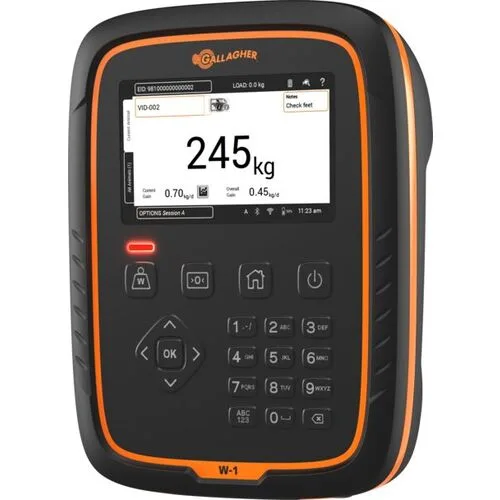
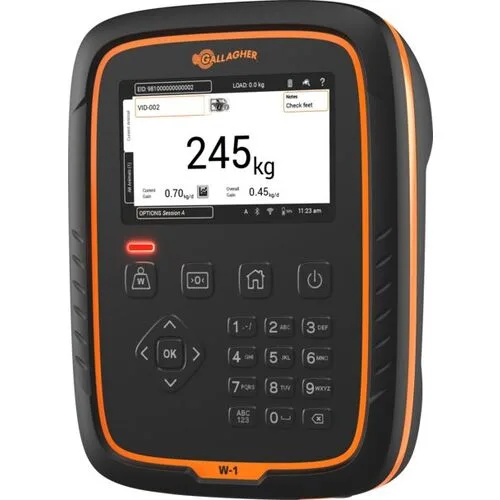
5. Integrate Weighing, EID & Data Capture
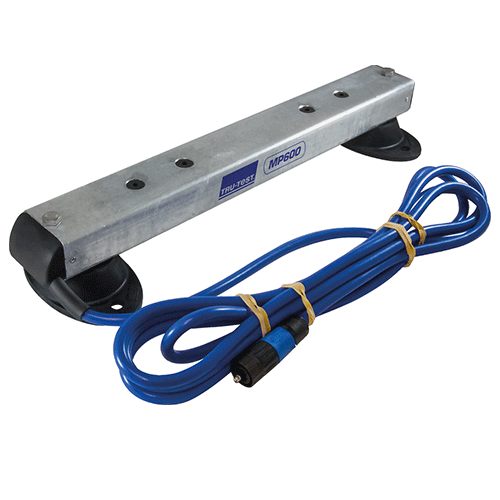
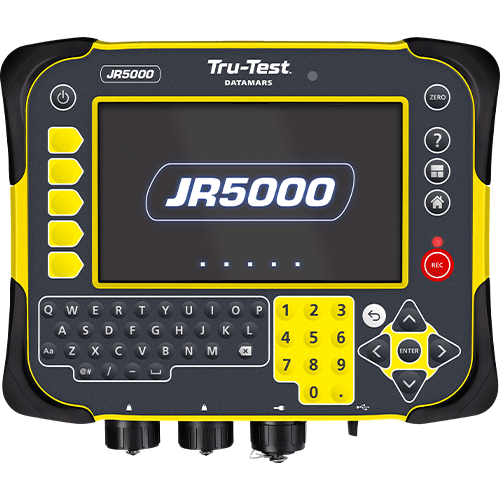
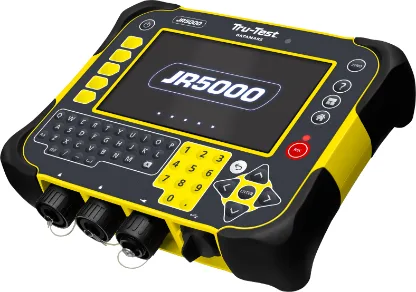
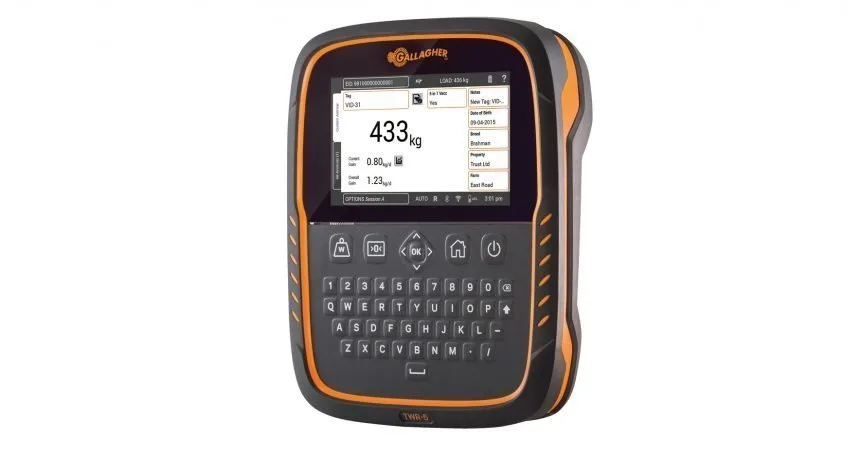
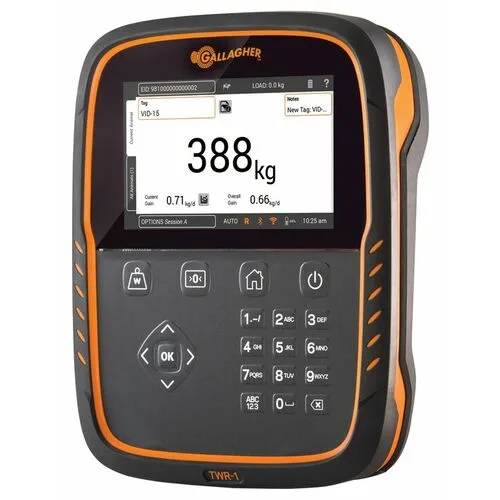
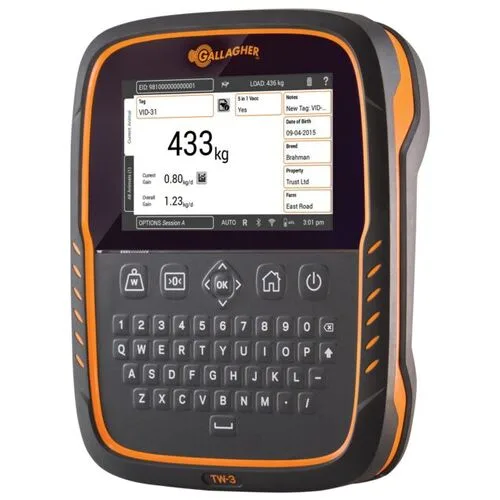
One‑person handling works best when data is captured automatically.
Benefits:
- No need for someone to write down numbers
- No shouting across the sheep yard or cattle yard
- No missed tags
- Faster, more accurate records
This is especially important for Bovine TB testing, dosing, lambing and performance recording.
6. Prioritise Operator Safety
One‑person handling only works if the operator is protected.
Safety features include:
- Catwalks
- Escape gaps
- Non‑slip flooring
- Solid barriers
- Good lighting
- Quiet equipment
A safe operator is a confident operator, and confident handling improves flow.
Final Thoughts
Designing for one‑person operation isn’t about cutting corners — it’s about building a system that works smarter. With the right layout, gates and cattle handling equipment, and sheep handling equipment, one person can handle cattle or sheep safely, calmly and efficiently.