What Are the Most Effective On‑Farm TB Prevention Measures?
A Practical Breakdown for UK Cattle Farmers**
Bovine TB continues to place huge pressure on UK cattle farms, but the good news is that many of the most effective prevention measures are simple, practical and easy to integrate into everyday routines. While no single action can eliminate risk entirely, combining several proven strategies can significantly reduce the likelihood of indirect transmission and strengthen your farm’s overall biosecurity.
Here’s a clear, farmer‑focused breakdown of the most effective TB prevention measures recommended across UK agriculture.
1. Keep Wildlife Away From Feed and Water
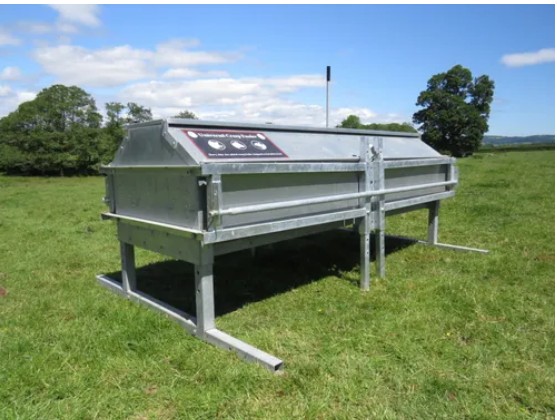
Badgers and other wildlife are a major source of indirect TB transmission. Preventing them from accessing cattle feed is one of the most impactful steps farmers can take.
Key actions:
- Raise feed off the ground
- Avoid open troughs in high‑risk areas
- Clean up spilt feed promptly
- Protect feed stores and bins
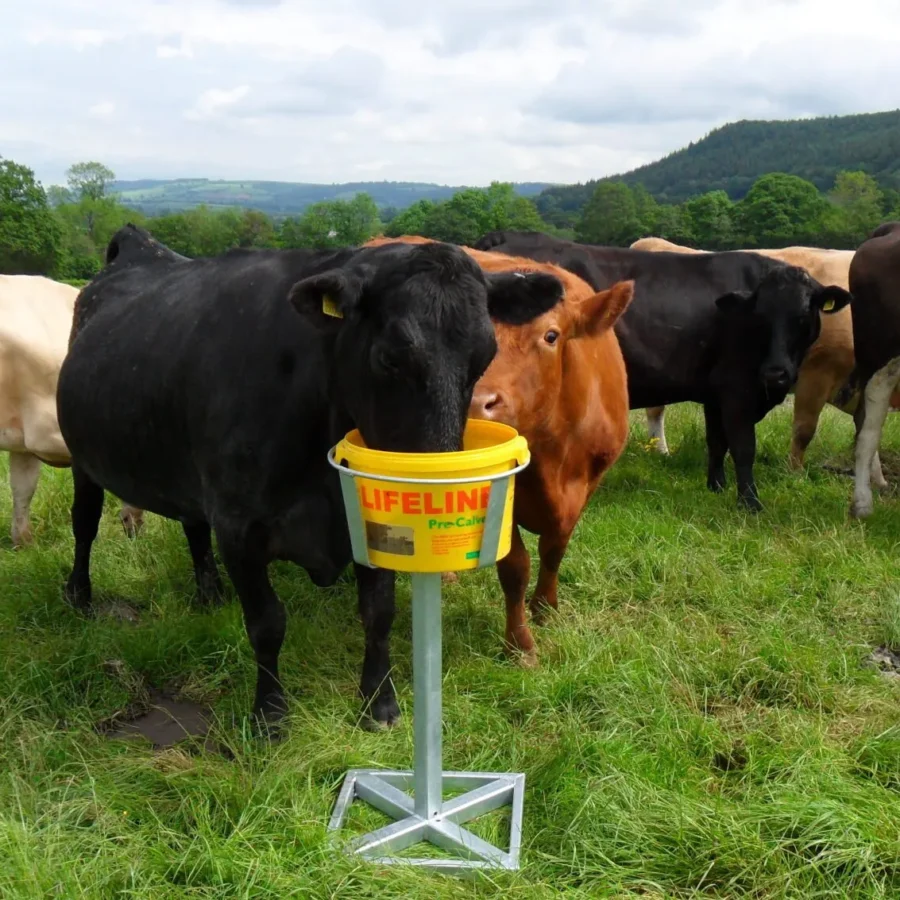
Where your products help: The TB Buster provides a secure, wildlife‑proof feeding solution that keeps feed clean and reduces contamination risk.
2. Protect Youngstock With Controlled Feeding Access
Calves are more susceptible to TB and often feed at ground level, where contamination risk is highest.
Best practice:
- Use protected, calf‑only feeding systems
- Keep creep areas clean and dry
- Avoid feeding calves near badger runs or latrines
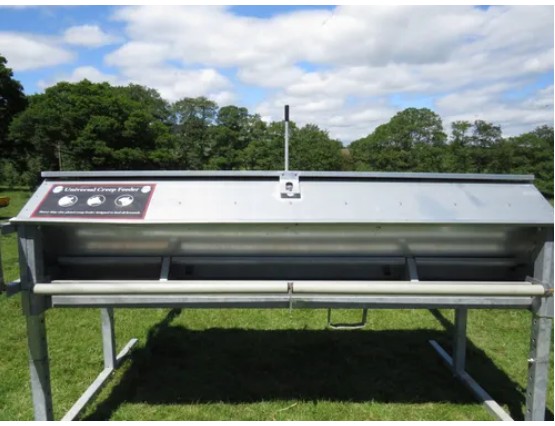
Your product advantage: The Universal Creep Feeder gives calves safe, controlled access to clean feed while preventing wildlife interference.
3. Strengthen Yard Hygiene and Biosecurity
Good hygiene reduces the spread of all diseases, including TB.
Practical steps:
- Maintain clean handling areas
- Disinfect equipment regularly
- Manage slurry responsibly
- Keep yards free from leftover feed
- Control visitor access and vehicle movement
4. Manage Wildlife Access Around Buildings and Yards
Reducing wildlife presence around cattle areas lowers the chance of indirect contact.
Actions include:
- Blocking access under gates and fences
- Securing feed stores
- Avoiding feed placement near hedgerows
- Identifying and avoiding badger runs
4. Manage Wildlife Access Around Buildings and Yards
Reducing wildlife presence around cattle areas lowers the chance of indirect contact.
Actions include:
- Blocking access under gates and fences
- Securing feed stores
- Avoiding feed placement near hedgerows
- Identifying and avoiding badger runs
6. Stay Informed About Local TB Risk Levels
Risk varies by region, and knowing your area’s status helps you plan ahead and tighten controls when needed.
TB prevention is about stacking small, effective measures that collectively reduce risk. By protecting feed, improving yard design, strengthening hygiene and using wildlife‑proof equipment like the TB Buster and Universal Creep Feeder, farmers can significantly improve their TB resilience and protect long‑term herd health.