Sheep Handlers vs Auto Drafters: What’s the Difference & Which Do You Need?
Sheep Handlers vs Auto Drafters – Efficient sheep handling is one of the biggest labour challenges on UK farms. Whether you’re weighing lambs, dosing ewes, dagging, condition scoring or sorting groups, the right equipment can transform the speed, safety and accuracy of your flock work. Two of the most important pieces of modern sheep handling equipment are sheep handlers and auto drafters – but they’re often confused, and many farmers aren’t sure which one they actually need.
This guide breaks down the differences, strengths and limitations of each, and helps you decide which system is right for your flock size, workload and long‑term flock management goals.
What Is a Sheep Handler?
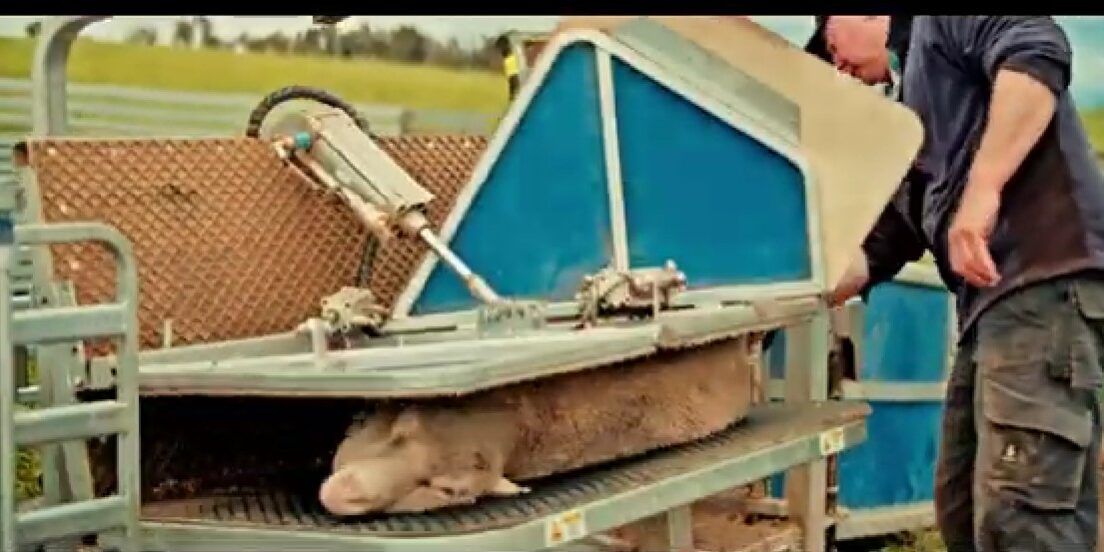
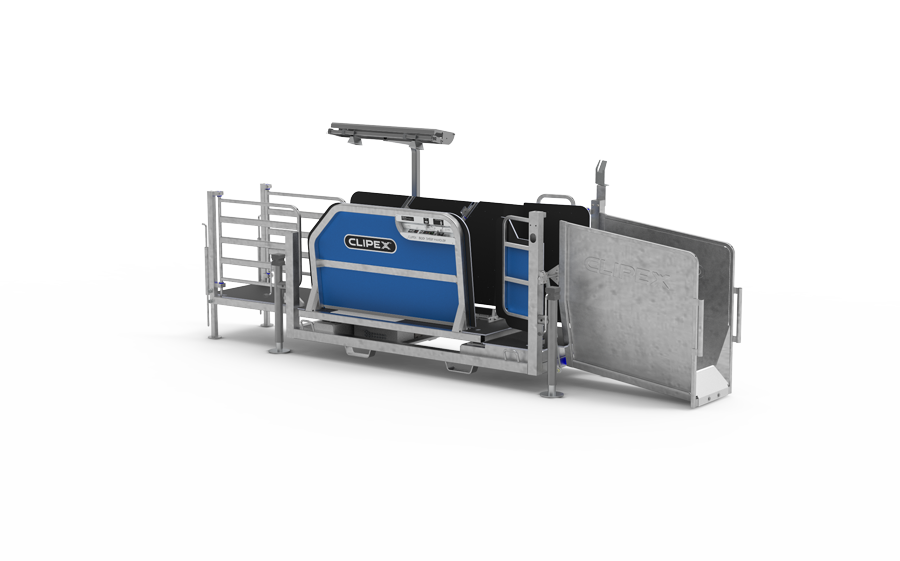
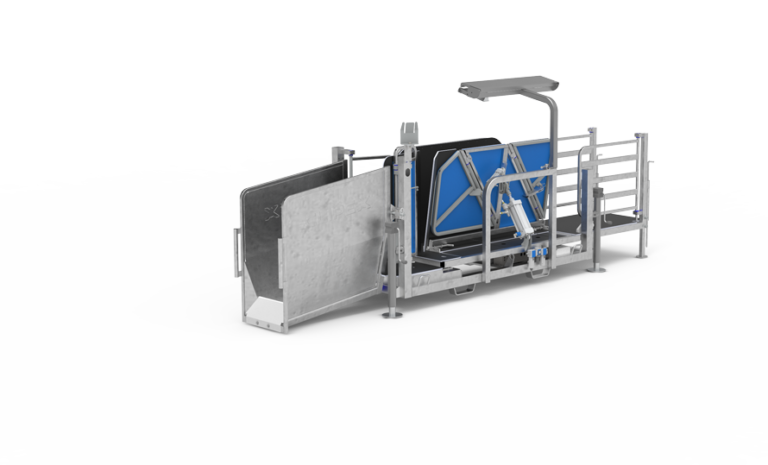
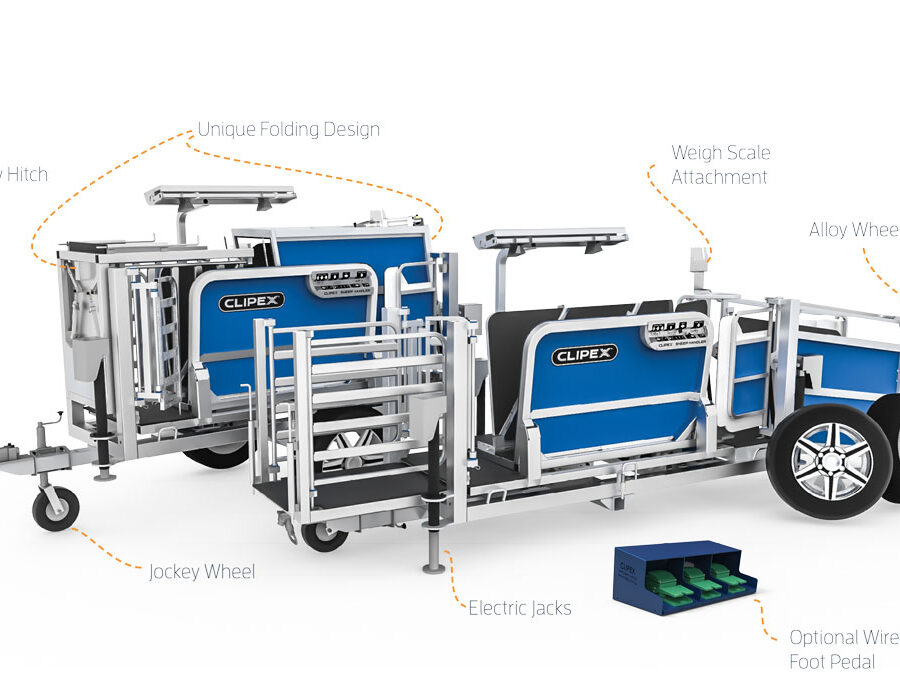
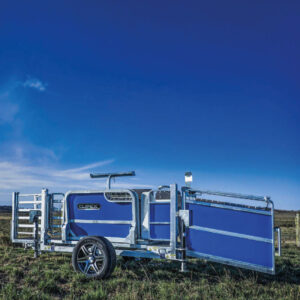
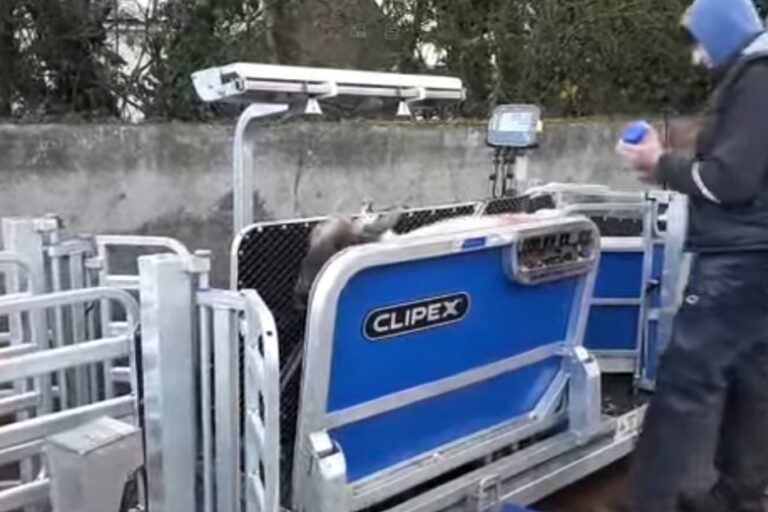
A sheep handler is a multi‑function unit designed to restrain, tip, hold or present sheep safely for a wide range of tasks. Modern handlers, such as the Clipex Sheep Handler, are designed to reduce labour, improve safety and minimise stress on both sheep and operators.
Typical tasks a sheep handler is used for:
- Dosing
- Dagging
- Crutching
- Vaccinating
- Condition scoring
- Weighing (when paired with loadbars)
- Foot checks
- General inspection
Handlers are designed to make one‑person operation possible, even with large or lively sheep. They’re ideal for farms that need a reliable, all‑round system for regular flock work.
What Is an Auto Drafter?
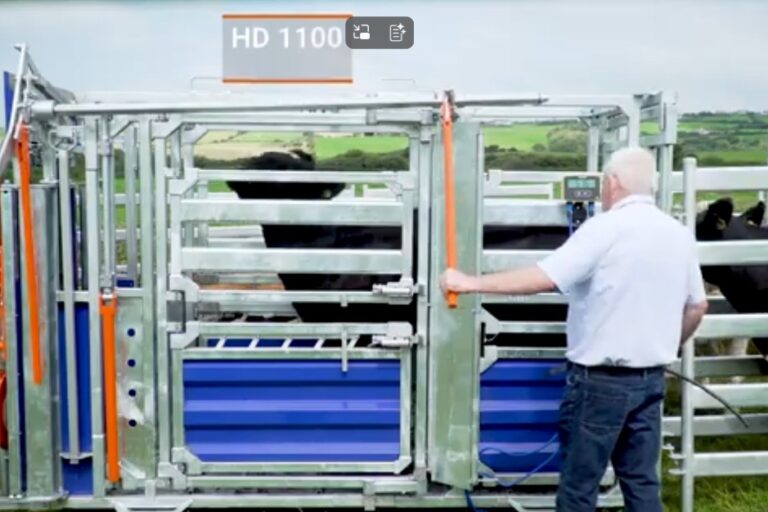
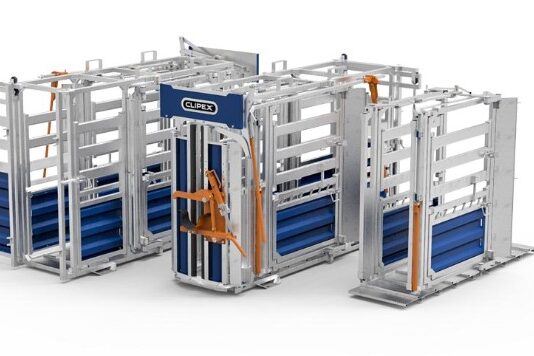
An auto drafter is a high‑speed sorting system that automatically drafts sheep into 2‑way or 3‑way groups based on weight, EID data or preset criteria. The Clipex 6‑in‑1 Auto Drafter is a good example – it reads the animal’s EID tag, instantly weighs it, and drafts it into the correct pen without manual intervention.
Typical tasks an auto drafter is used for:
- Sorting finishing lambs by weight
- Separating ewes by condition score
- Drafting breeding groups
- Sorting lambs for sale
- Splitting mobs for grazing management
- High‑throughput weighing sessions
Auto drafters are designed for speed, accuracy and labour reduction. They’re ideal for farms where sorting is a major bottleneck.
Key Differences Between Sheep Handlers and Auto Drafters
1. Purpose
- Sheep Handler: Designed for hands‑on tasks.
- Auto Drafter: Designed for high‑speed sorting and weighing.
2. Throughput
- Handler: Slower, controlled, one‑at‑a‑time work.
- Auto Drafter: Fast – up to hundreds of sheep per hour.
3. Labour Savings
- Handler: Reduces physical strain and makes jobs safer.
- Auto Drafter: Dramatically reduces time and labour during sorting.
4. Integration with Weighing and EID
- Handler: Can integrate with Weighing and EID Systems, but not always automated.
- Auto Drafter: Fully integrated – EID Readers, loadbars and indicators work together automatically.
5. Cost
- Handler: Generally lower cost.
- Auto Drafter: Higher investment, but major time savings.
Which One Do You Need?
Choose a Sheep Handler if you:
- Do a lot of hands‑on flock work
- Need a safe way to restrain sheep for dosing, dagging or inspection
- Want to reduce physical strain
- Have a small or medium flock
- Need a versatile, all‑round system
- Want to improve safety and efficiency without a large investment
A handler is the backbone of most sheep yards, especially for farms that do regular health and welfare tasks.
Choose an Auto Drafter if you:
- Regularly sort large groups of sheep
- Finish lambs and need accurate weight‑based drafting
- Want to automate weighing and sorting
- Have a large flock or multiple mobs
- Want to reduce labour dramatically
- Need consistent, data‑driven flock management
- Already use EID Readers and weighing systems
Auto drafters are ideal for high‑throughput operations where speed and accuracy matter.
Do Some Farms Need Both?
Absolutely – and increasingly, many do.
A typical modern setup includes:
- Sheep Handler for hands‑on tasks
- Auto Drafter for sorting and weighing
- Sheep Races and Sheep Handling Hurdles to connect the system
- Weighing and EID Systems for data capture
- Sheep Yard Components for flow and safety
This combination creates a complete sheep handling system that reduces labour, improves welfare and supports long‑term flock management.
Choosing between a sheep handler and an auto-drafter depends on your flock size, workload and priorities. If you need a versatile, hands‑on tool for everyday tasks, a handler is essential. If you need speed, accuracy and automation, an auto drafter is the smarter investment.
Either way, both systems can transform your sheep work — and when combined, they create one of the most efficient flock management setups available.
FETF 2026 for Sheep Handling System Upgrades
The Farming Equipment and Technology Fund (FETF) 2026 FETF 2026 for Sheep Handling System Upgrades…
FETF 2026 Application: How to Score Highly
FETF 2026 Application (Farmer Friendly Guide) FETF 2026 Application: How to Score Highly – The…
FETF 2026 for Cattle Handling System Upgrades
The Farming Equipment and Technology Fund (FETF) 2026 FETF 2026 for Cattle Handling System Upgrades …
Grants & Funding for Cattle Handling Equipment (2026)
Grants & Funding for Cattle Handling Equipment (Updated for 2026) Grants & Funding for Cattle…
Welsh Small Grants – Efficiency Scheme: Upgrade Your Livestock Handling Equipment
Welsh Small Grants Efficiency Scheme The latest Small Grants – Efficiency (Window 5) scheme from…

How to Choose the Right Sheep Handler for Your Flock Size
Choosing the Right Sheep Handler for Your Flock Size Choosing the right sheep handler is…