If your sheep handling day always seems to go wrong in the same spot, it’s probably not the sheep. It’s the sheep yard design. One hesitant ewe at the race entrance can turn a straightforward job into stop-start traffic: backing up, spinning, people stepping into pressure to “help”, and the whole line learning to fight you next time.
On most UK farms, you’re running sheep through a sheep handler and sheep handling system for dosing, tagging, foot work, drafting, weighing, and EID reads. None of that is complicated. What costs you time and puts bodies at risk is the flow between jobs: a collecting pen that jams, a forcing pen that’s the wrong shape, the first couple of metres of race where sheep stall, or a work point where someone ends up reaching into moving sheep.
This guide shows you what smooth yard flow actually looks like, where the real choke points hide, and how to fix them with layout choices, the right yard components, and sensible placement of weighing and EID so they don’t create a queue. It also covers the unglamorous UK realities, footing, drainage, hinges, wear points-because that’s where handling systems usually fail in the wet.
At the end, you’ll have a 10-minute yard audit you can use to find your biggest bottleneck or safety risk, and a clear idea of when it’s worth bringing in Farming Solutions Ltd to help with equipment selection or a bespoke yard design.
What Makes Sheep Move Smoothly Through a Yard?
Good sheep handling is mostly about removing reasons for sheep to stop. If the first ewe hesitates, the whole race turns into a concertina: backing up, spinning, and people stepping into the wrong place to “help”. Smooth flow comes from a few repeatable rules you can build into any yard, from a handful of hurdles to a semi-permanent setup.
Start with what the sheep can see. Sheep move better when they have a clear line of sight to open space and the next pen, and they slow when they face a dead end, a shadowy doorway, or a hard corner. A race that runs straight for a few metres before any bend, with solid sides to block distractions, usually beats a zig-zag made from open hurdles.
Sheep Handling Flow Rules That Stop Backflow
- Keep the pressure gentle and timed. Walk up to the point of balance, release, then step away. Constant pushing teaches sheep to brace and turn.
- Remove pinch points. The worst jams happen at narrow gateways, sudden race width changes, and drafting gates set too tight for horned sheep or heavy ewes.
- Make “one-way” the default. Use gates that swing with the flow and block return routes. If sheep can see a gap behind them, some will take it.
- Reduce stops at the work point. Set the handling position so the next sheep can step up while you dose, tag, inspect feet, or record EID. Long pauses in the race raise noise, pressure, and scrambling.
- Give people safe places to stand. Build in operator lanes, step-throughs, and reach points so nobody climbs rails or stands in the sweep of a gate.
Operator safety is part of flow, not an extra. When the only way to fix a jam is to jump into the pen, the yard design is forcing risky decisions. A better layout gives you a way to change the angle, close a gate, or ease pressure from outside the sheep’s space.
If you are planning sheep handling equipment upgrades, Farming Solutions Ltd often starts by mapping where sheep hesitate and where people step into danger. Those two spots usually share the same cause.
How Do You Set Up Yard Flow From Collecting Pen to Exit?
The cleanest way to fix hesitation points is to design sheep handling flow as one continuous route, with no “decision moments” where sheep can stop, turn, or see people blocking the path. Think in modules: collect, apply gentle pressure, narrow, do the job, split, leave.
- Collecting area (and entry): Bring sheep into a pen that is big enough to settle, then shrink the group before the forcing pen. Use a wide, straight entry off the field or track. If the first turn is tight, sheep pile up and you start the day fighting.
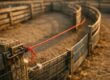
- Forcing pen: Feed the race from a forcing pen that lets you “peel” sheep off the front. A curved or angled front helps, but the main rule is simple: do not overfill. Overfilled pens create pressure spikes, jumping, and backing up.
- Race: Keep the first 2 metres of the race bright and obvious. Sheep stop where they see a dark hole, a sharp corner, or a person in the line of travel. Solid-sided races reduce distractions, especially where dogs, quad bikes, or people move nearby.
- Work point: Put dosing, foot care, tagging, and EID scanning where operators can work from a protected position. Build a clear operator walkway alongside the race so nobody climbs hurdles or leans into moving sheep.
- Drafting and exit: Draft immediately after the work point, then send sheep into pens with clear exits. Plan the return route so drafted groups do not cross the incoming flow.
Good Yard Flow vs Bad Layout Traps
- Good: Straight, wide gateways into the collecting pen. Bad: A narrow gate followed by an immediate 90-degree turn.
- Good: Forcing pen feeds the race with a smooth arc. Bad: A dead-end pen where sheep face the handler and stop.
- Good: Drafting pens open away from the race. Bad: Draft gates that swing into the only walkway.
- Good: One-way flow from entry to exit. Bad: Sheep exit across the yard and meet the next batch coming in.
If you sketch your yard and you can draw a single unbroken arrow from field gate to exit pen, you are close. If you need to draw two-way arrows, you have found the next fix.
Which Sheep Handling Components Actually Improve Flow?
A one-way arrow on paper only becomes real when the kit forces one-way movement. The right sheep handling components do two jobs at once: they remove excuses for sheep to stop, and they keep people out of the pen when pressure rises.
Think in modules you can rearrange for dosing, foot work, drafting, weighing, or EID. Each module either keeps flow steady or creates a new choke point.
Sheep Handling Components That Improve Flow
- Hurdles and gates: Use hurdles to build clean, straight approaches and block return routes. A proper yard gate should swing with the flow and latch positively. If a gate can bounce back into the operator lane, it will, usually when the race is full.
- Forcing pen (crowding pen): The forcing pen controls pressure. A forcing pen that is too big invites sheep to circle and face you. A forcing pen that is too small gets overfilled and turns into a scramble. A curved forcing area usually feeds a race better than a square corner where sheep jam and turn back.
- Race (run): The race is where hesitation becomes a queue. Solid or sheeted sides reduce distractions from people, dogs, and machinery. Keep width consistent so sheep do not hit a sudden pinch. Add a simple anti-back bar or one-way gate if sheep regularly reverse.
- Drafting gates: Drafting works when the decision point is obvious and the exits are clear. Set the drafting gate after the work point so you do not stop sheep twice. Make sure drafted sheep cannot see an easy route back into the main flow.
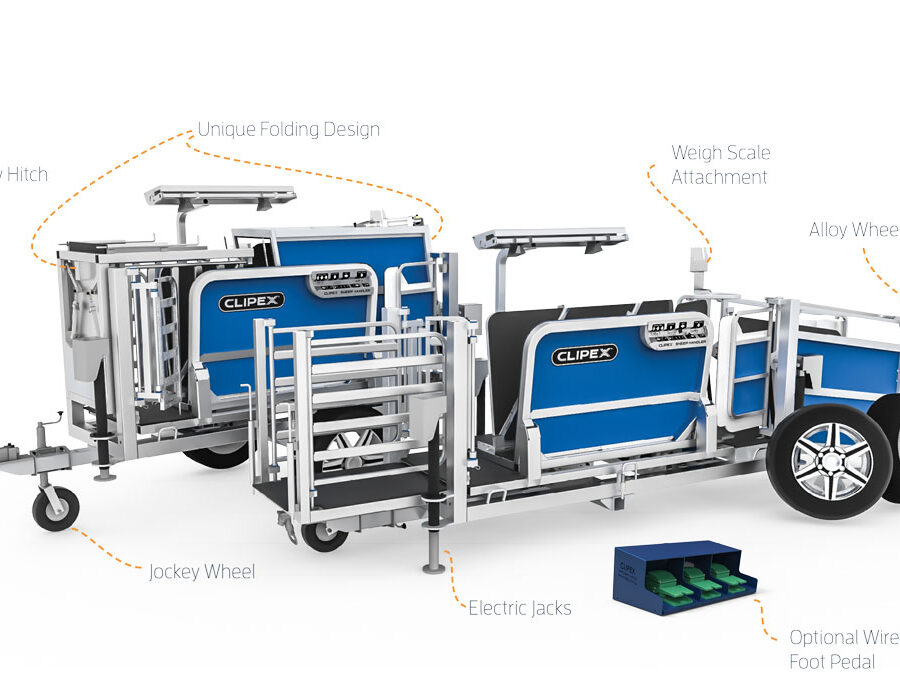
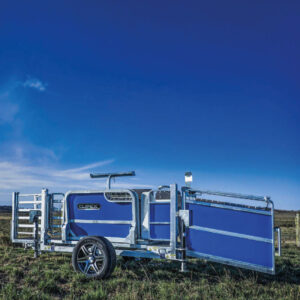
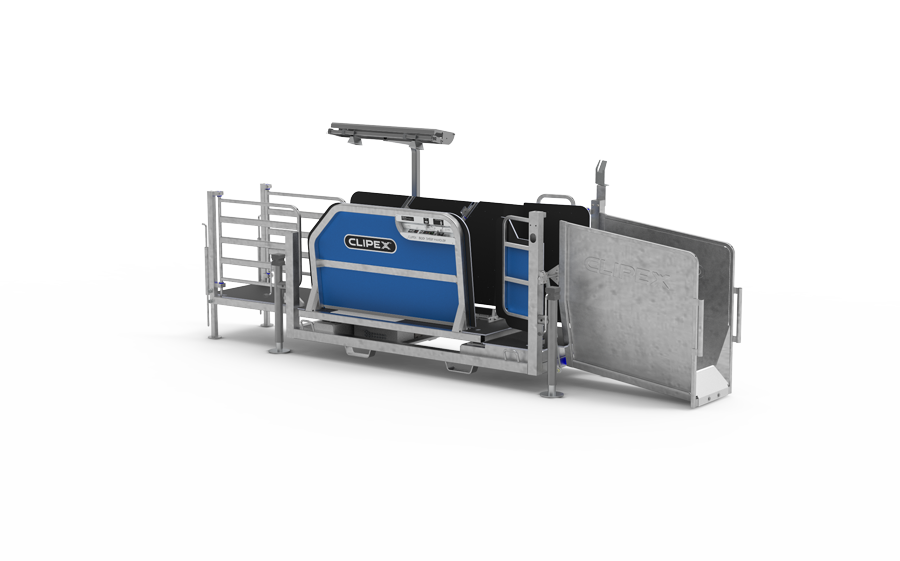
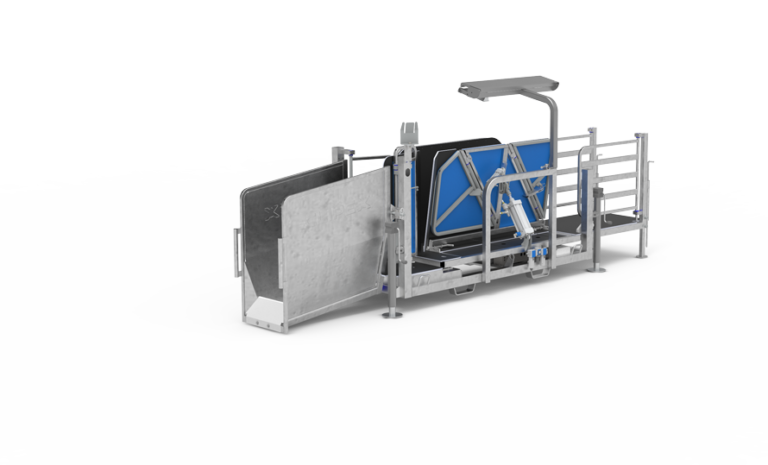
- Sheep handler (handling crate): A sheep handler holds the animal safely for dosing, dagging, foot inspection, or ear work. It reduces wrestling in the race, which lowers bruising and operator strain. Put it where the next sheep can step up without pushing into the operator.
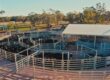
- Semi-permanent panels and fixed races: Semi-permanent yards (galvanised panels, fixed posts, proper hinges) pay off when you handle sheep weekly. They keep angles and widths consistent, so sheep learn the route and flow improves over time.
If you are choosing components, Farming Solutions Ltd usually starts with the work point and drafts backward. That approach stops the common mistake of buying a race, then trying to “make it fit” with awkward corners and unsafe gates.
Where Should Weighing and EID Sit So They Don’t Create a Queue?
If you add weighing and EID at the wrong point, sheep handling turns into stop-start traffic. The race fills, sheep back up, and the operator ends up wrestling for tags and heads. Put weighing and EID reader where sheep already have to pass in single file, and where you can work without pausing the whole line.
The simplest rule is this: weigh and read EID in the straight run, before drafting. That keeps the “measurement” step separate from the “decision” step. If you draft first, you create short bursts of flow, then longer pauses while you sort pens and close gates.
Sheep Handling Layout for Weighing and EID That Keeps Flow Moving
- Race into weigh crate. Feed the weigh crate directly from the race so sheep step forward naturally. Avoid a tight turn into the crate, it triggers hesitation.
- EID read point at the crate or immediately after. Mount the antenna where the tag passes close and consistently (for example on the side panel or a short read section after the crate). Consistent tag distance matters more than “more power”.
- Short “buffer” race after the crate. Give yourself space for one or two sheep to stand while you confirm a read or retake a weight. This stops a single missed read from halting the forcing pen.
- Drafting gate after the buffer. Once you have weight and EID captured, draft into pens with clear exits. The drafting gate becomes the only place you deliberately slow flow.
Most bottlenecks come from operators trying to do two jobs in one spot. If you dose at the same point you weigh, you create long pauses with a full race. Split tasks into separate passes when you can, or use a sheep handler or work area before the weigh crate so the “data capture” run stays quick.
Accuracy depends on calm movement and stable kit. Put the weigh crate on level ground with firm footing, keep cables and reader mounts out of the knock zone, and control interference. If you use electronic ID, follow UK tag rules and recording requirements from GOV.UK sheep and goat identification so your data matches compliance.
When Farming Solutions Ltd designs yards, they usually plan the weigh and EID section as its own “clean” module. It is easier to expand later than to untangle a queue you built into the middle of the race.
The Unsexy Fixes That Make or Break Sheep Handling in UK Weather
That “clean module” for weighing and EID only stays clean if the boring stuff works: footing, drainage, hinges, and the bits that take a battering in British rain. Most sheep handling failures on UK farms happen when the yard turns slippery, noisy, or sharp, then people rush and sheep scramble.
Start with the surface. Sheep do not flow on polished concrete, algae, or compacted mud with a skin of slurry. A rough, even finish beats deep grooves that trap muck and trip feet. Put non-slip where pressure peaks: the forcing pen front, the first 2 metres of race, the handler entrance, and the drafting exits. If you cannot keep a brush on the ground because it skates, your sheep will skid too.
Drainage is the other half. If water sits in the forcing pen or race, it becomes slurry fast, then you get slipping, jumping, and bruising. Give wash-down water somewhere to go, keep gutters clear, and stop roof run-off dumping into the collecting area. Simple fall and a clear channel often fixes more “bad sheep” behaviour than another gate.
Small Maintenance Jobs That Protect Flow and Welfare
- Quiet the bangs. Loose chains, rattling sheet sides, and gates that hit posts make sheep stop and bunch. Fit rubber stops where gates meet steel, and tighten fixings before busy weeks.
- Remove sharp edges. Check sheeted race panels, cut ends, and weld spatter at shoulder height. A small burr can rip wool and skin when sheep press the sides.
- Watch wear points. Hinges, latch pins, drafting gate pivots, and anti-back bars wear first. If a latch needs a “lift and shove”, someone will leave it half-caught.
- Keep widths consistent. Bent hurdles and bowed race sides create sudden pinches that jam horned sheep and heavy ewes.
- Check moving parts in wet. Handles and slides that feel fine dry can seize when grit and water get in.
If you are upgrading, Farming Solutions Ltd usually asks one unglamorous question first: where does the water go when you wash down, and where does it sit after a storm. Answer that, then build your sheep handling flow around dry, quiet, predictable footing.
A 10-Minute Yard Audit Checklist (And When to Call Farming Solutions Ltd)
Dry, quiet footing is the foundation. The next step is to find the one place your sheep handling breaks down, because that single choke point usually causes the rest of the chaos.
Set a timer for 10 minutes. Watch one full run, from collecting pen to exit. Do not change anything while you watch.
- Where does flow first stop? Mark the exact spot (gateway, forcing pen front, first 2 metres of race, weigh crate entry, drafting gate).
- What triggers the stop? Look for a shadow at the race mouth, a tight turn, a sudden width change, a gate swinging into the operator lane, or sheep seeing people ahead.
- Where do people step into risk? Note every time someone climbs a hurdle, reaches into moving sheep, or stands in a gate sweep.
- Where do sheep reverse? Backing up usually means the race entrance looks like a dead end, or the pressure stays constant.
- What makes noise? Listen for rattling chains, banging sheet, or latches that need a kick.
- What slips? Identify the wet patch, polished concrete, or poached corner that changes sheep behaviour.
- Where does the queue form? If you weigh, scan EID, and dose in one spot, you have built a traffic light into the race.
Once you have the bottleneck, measure what matters before you buy anything. Count your typical batch size and your target throughput (sheep per hour). Measure race length and width, gateway widths, and the space you have for a collecting pen and forcing pen. Note slopes, drainage routes, power availability for weighing and EID, and where a vet or contractor needs safe access.
When to Call Farming Solutions Ltd
Call Farming Solutions Ltd when your fix needs more than moving hurdles. Examples include adding a sheep handler, fitting a weigh crate and EID read section without slowing flow, changing gate swings to protect operator lanes, or planning a semi-permanent yard that keeps widths and angles consistent. A quick layout sketch with a few measurements often shows whether you need one new module or a full re-route.
If you want a practical next step today, film a 60-second clip of sheep entering the race and note the first hesitation point. That clip usually tells you what to change first.