If your sheep yard keeps jamming at the race mouth, you can feel it in five minutes: sheep spin, the noise goes up, and someone ends up standing where sheep want to go. That’s rarely “bad sheep”. It’s usually a layout that breaks the forward draw with a blind corner, a dead-end, or a pen that’s the wrong size for the batch you’re trying to run.
This guide shows what good flow looks like in practical terms, where the key parts sit so sheep keep stepping on, and how to plan dimensions around the groups you actually handle. You’ll also see where weighing and EID belong so you can record and draft without turning a run around.
Whether you’re tweaking an existing setup or planning semi-permanent sheep yards from scratch, the aim is the same: safer handler positions, calmer sheep, and less time spent fighting gates. Get the “main run” right first, then add weighing, EID, and holding pens so they sit on that same forward path.
How Do You Design Sheep Yards That Keep Sheep Moving?
A “main run” only works if your sheep yards keep sheep drawing forward without stopping to look for an exit. Most flow problems come from the same few layout mistakes: blind corners, dead-ends, and pressure points where sheep feel trapped and turn back.
Good yard flow is simple: give sheep a clear line to follow, keep the next space visible, and remove reasons to hesitate. You will move more sheep with calmer pressure than with more people pushing.
- Build a forward draw: pens and gates should always offer one obvious “next place” (collecting pen to forcing pen to race). If sheep can see two options, they will split or spin.
- Keep the exit in sight: sheep step into races faster when they can see daylight and space ahead. Avoid solid walls that create a black hole at the race mouth. Use sheeted sides on the race itself to stop distractions, not on the approach where you need draw.
- Design out dead-ends: every pen needs a working gate that moves sheep on, not a pen you must empty backwards. Backing sheep out of a corner teaches them to resist the next time.
- Reduce sharp turns: a gentle curve into the race works better than a hard 90-degree corner. If you must turn, put the turn in a wider forcing area, not at the race entrance.
- Remove pinch points: avoid narrowing too early. Sheep bunch at a funnel that tightens before the race, then stall. Keep the approach wide, then tighten once sheep commit to the race.
Practical Flow Rules for Sheep Yards
Set gates so they swing with the movement, not against it. A gate that opens into the flow becomes a brake because sheep hit it with their shoulders and stop.
Give handlers safe positions that do not block the lead sheep. If the operator stands in the “gap” sheep aim for, the front animals stop, then the whole batch compresses behind them.
Keep footing consistent. A single slippery patch at the forcing pen or race mouth causes baulking that looks like “stubborn sheep”, then turns into pushing, noise, and more slipping.
Which Sheep Yard Parts Matter Most (and Where Do They Go)?
Sheep hesitate when the ground changes underfoot, and they hesitate again when the next step is unclear. The best sheep yard make the next step obvious: a wide, calm space that narrows in a controlled way, then a straight run through the work point, then a clean split into pens or a load-out.
Think in one direction. If you can walk a batch from pen to race to draft without turning them back, you are most of the way there.
- Collecting pen: the “parking area” that receives sheep off pasture. Keep it simple, with gates that let you feed batches into the forcing pen without a lot of people shouting or pushing.
- Forcing pen: the buffer that controls pressure into the race. A forcing pen works best when sheep can see forward into the race mouth, and you can regulate flow with one gate rather than body-blocking.
- Race: the single-file lane where handling happens. Put your work point here (drenching, foot checks, dagging, vaccinating) so sheep move forward into the job, then forward out again.
- Drafting area: place the drafting gate at the race exit, where sheep naturally want to keep going. Add clear runs into each outlet pen so drafted sheep do not jam at the first corner.
- Holding pens: pens after drafting for “keep”, “treat”, “sell”, “return to field”, or “await loading”. Put them where you can shut a gate and step away without sheep leaking back into the main run.
Gates, Sheeting, And Footing Where They Matter
Gates and hurdles decide whether you can run a one-person job. Hang gates so they swing with sheep flow, not against it. Avoid gate ends that create pinch points at the forcing pen and race entrance.
Sheeting belongs where sheep get distracted: the forcing pen sides, the race mouth, and any spot with people moving close by. Leave more open rails in collecting and holding pens so handlers can see stock and spot problems early.
Footing needs to stay consistent from forcing pen into the race. Use non-slip surfaces, fix drainage so water and slurry do not pool, and remove single “slick patches” that trigger baulking and then crowding.
How Big Should Sheep Yards and Races Be for Your Flock?
If sheep hesitate at the race mouth, size is often part of the problem. Over-wide pens let sheep swirl and turn back. Under-sized pens compress sheep, then you get pushing and slipping. Set your sheep yards dimensions around the group size you actually handle per run, then make the race fit the sheep you run through it most.
Start with a simple capacity decision: what is your normal “batch” off pasture and what is your maximum batch on busy days (weaning, scanning, dosing, drafting for sale)? Build the collecting and holding space for that maximum, then keep the forcing area smaller so you can control pressure.
Practical Sizing Checkpoints for Sheep Yards
- Collecting and holding pens: plan enough pen space to hold your biggest workable group without packing them tight. If you regularly need to split a batch, build at least one extra holding pen so you can park a line while you work another.
- Forcing pen: keep it small enough that sheep face the race entrance, rather than circling. A forcing pen that feels “roomy” usually slows flow because sheep find space to turn.
- Race width: size for the animals you handle most. Adult ewes typically need a wider race than lambs, but a race that is too wide encourages sheep to turn or stand sideways. Many farms solve this with an adjustable race (sliding sides or removable spacers) so one setup suits lambs and ewes.
- Race length: a longer race holds more sheep between jobs (dosing, weighing, EID, drafting), but it also increases the distance where a single baulk stops everything. A moderate length with a calm, steady feed from the forcing pen usually outperforms a very long race.
- Drafting area: give yourself space after the drafting gate for sheep to clear the gate and commit to a pen. Tight pens immediately after the draft create blockages and mis-drafts.
How to Choose the Right Sheep Handler for Your Flock Size
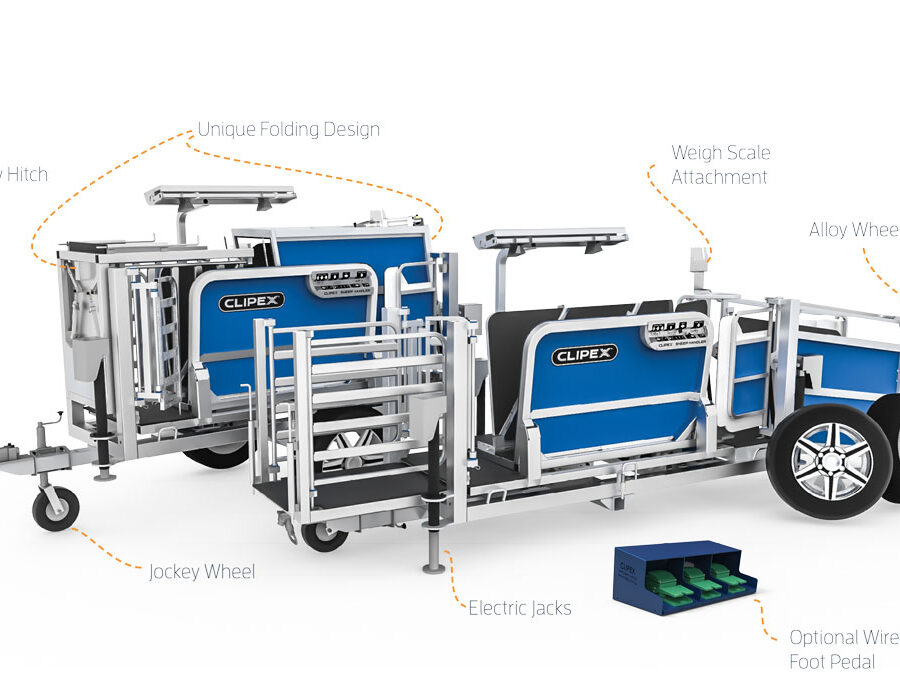
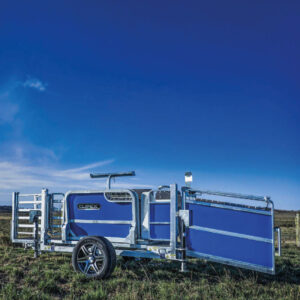
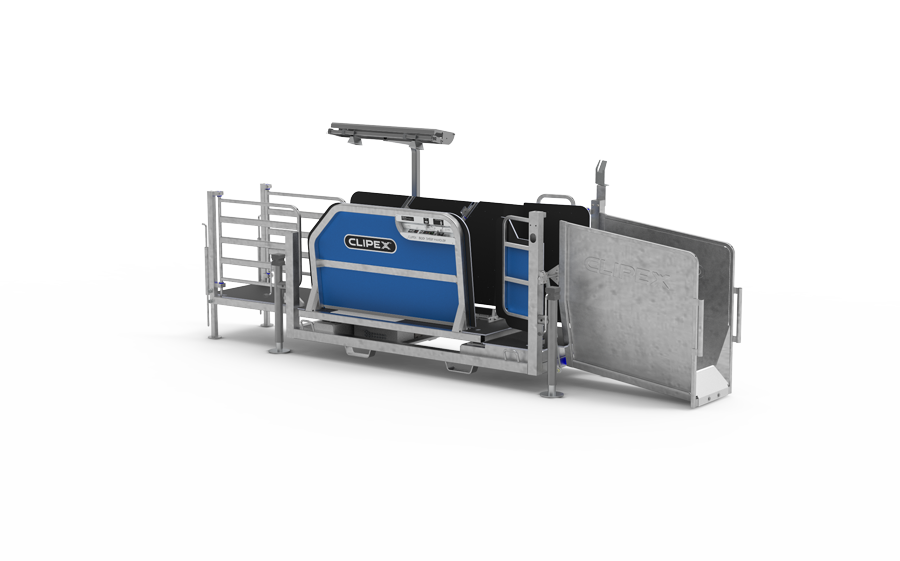
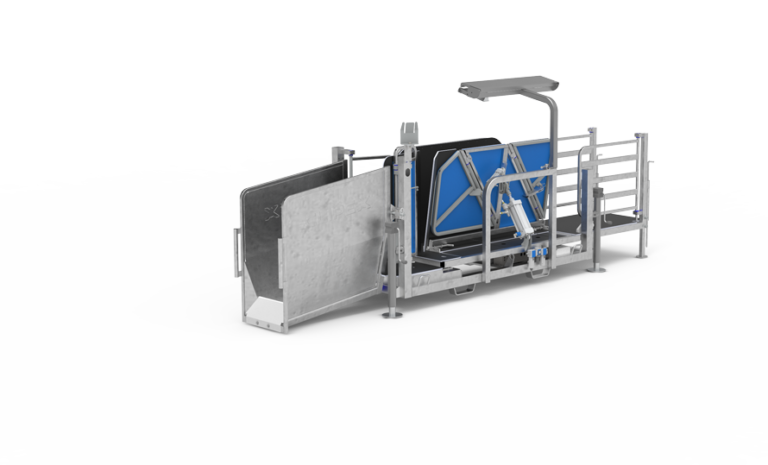
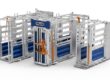
Clipex Sheep Handler Comparison
Use your handling frequency to avoid over-building. If you weigh lambs weekly, prioritise a race and drafting setup that one person can run. If you only handle sheep a few times a year, spend money on safe gate swings, solid latches, and non-slip footing before you add more pens.
Where Should Weighing and EID Go So You Don’t Break the Flow?
If you weigh lambs weekly, the weigh point has to sit on the main run of your sheep yards. Put weighing and EID where sheep already want to go, then draft immediately after, so you never need to turn a batch around to “go back through”.
The cleanest setup is simple: race into weigh, then straight into a drafting gate, then into holding pens. You get one forward movement, one record, one decision.
- Race: keep sheep single-file and settled before the work point.
- Weigh crate or platform: place it in-line, so sheep step forward into it without a bend.
- EID read zone: mount the reader antenna where the tag passes consistently (usually at head height on the race side, close to the weigh point).
- Drafting gate: put it immediately after weighing, so the weight and EID read trigger a straight-through draft.
- Clear exits: give each draft outlet a short, open run into a pen so sheep do not jam at the first corner.
Sheep EID – How to Use It Effectively
Power, Data, And A Practical Record-and-Draft Workflow
Plan power and data early, because it dictates where you can physically place the weigh head and EID gear. Many farms run a 12V battery setup, others prefer mains with a weatherproof socket. Either way, keep cables out of walkways and away from gates that swing.
A workable flow for one person is: bring a small batch into the forcing pen, feed the race steadily, weigh each animal, capture the EID, then let the drafting gate split them into “keep”, “treat”, or “sell” pens. If you need manual entry, put the indicator where the operator can see it without stepping into the lead sheep’s line.
For EID reliability, reduce “tag wobble” and distractions. Use sheeted race sides through the read zone, avoid a sudden change in light at the EID reader, and keep metalwork consistent around the antenna so you do not create odd read positions.
UK Sheep EID – How to Use It Effectively in 2025 and Beyond
If you are buying or upgrading equipment, Farming Solutions Ltd can supply sheep yard components, weigh crates, EID options, sheep handling equipment, and help place them so the yard still runs as one forward system – Sheep Handling Systems
The Most Common Sheep Yards Bottlenecks (and the Fast Fixes)
Most sheep yards slow down for predictable reasons: sheep lose the forward draw, pressure builds in the wrong place, or the handler has to stand where sheep want to go. Fix the choke point first, then change the layout if you still need more throughput.
- Race-entry crowding: sheep bunch at the funnel, then stop. Fast fix: widen the approach, then tighten only at the race mouth. Feed smaller groups from the forcing pen so the lead sheep commit.
- Pressure point at a hard corner: a 90-degree turn at the race entrance causes baulking and shoulder-to-shoulder jamming. Fast fix: move the turn back into a wider forcing area, or add a short curved lead-in so sheep meet the race straight.
- Sheep turning back: they spot an open gap, or see people and distractions through rails. Fast fix: sheet the race and the first section of the lead-in, then block “escape lines” with a properly hung gate or infill panel.
- Slippery patch at the work point: one slick spot creates a stop-start wave through the whole batch. Fast fix: repair drainage, scrape out slurry, and add a non-slip surface where feet land first (forcing pen exit and race mouth).
- Bad gate swings: gates open into the flow, catch sheep, and create a pinch point at the hinge end. Fast fix: rehang so gates swing with movement, and keep the hinge post out of the “funnel line” into the race.
- Unsafe operator positions: you body-block the lead sheep, then get crushed when the batch surges. Fast fix: create a handler lane and step-through points, and use a backing gate in the race so pressure stays controlled.
Phase Your Fixes So You Do Not Rebuild Twice
Start with changes you can do in an afternoon: rehang one gate, add sheeting to the race, patch footing at the race mouth, and mark safe handler standing zones. Then run a full handling day and time each stage (collecting pen, forcing pen, race, drafting).
If the same choke point stays, swap modular parts next: a better forcing pen gate, a longer lead-in, or a different drafting gate position. Farming Solutions Ltd can supply hurdles, races, drafting gates, and sheeting panels in a way that lets you upgrade in phases without breaking the main run.
When to Upgrade vs Start Fresh (and How Farming Solutions Ltd Helps)

Phased upgrades work when one choke point is the problem. A fresh layout makes sense when the whole run fights you. The right call saves money and, more importantly, stops you training sheep to stop, turn back, and jam every time you handle them in your sheep yard.
Upgrade Vs Start Fresh: Simple Decision Triggers
- Upgrade in phases if your collecting pen, forcing pen, and race are broadly in the right place, but you have one or two repeat issues (race-entry crowding, a bad gate swing, a slippery patch, a draft that blocks up). Swapping a forcing gate, adding sheeting through the read zone, or extending a lead-in often fixes most of the frustration.
- Start fresh if you regularly turn sheep back on themselves, you cannot add weighing and EID without crossing the flow, or the site forces dead-ends you cannot gate around. A yard that needs three people to “hold gaps” is usually a layout problem, not a labour problem.
- Start fresh if safety is the driver: no escape routes, handlers working inside pinch points, or gates that you must lift and drag under pressure. Those are design faults that upgrades rarely solve cleanly.
- Upgrade if you need flexibility: semi-permanent panels and modular races let you change pen sizes for lambs versus ewes, or reconfigure for loading days.
If you are unsure, map one job end-to-end (for example: gather, dose, weigh, EID, draft, load). If you count more than one stop to reset gates, or any point where sheep must face backwards, a new main run usually pays back fastest.
When you ask Farming Solutions Ltd for a design, supply, or install quote, send enough detail for a layout that fits your site and your handling routine:
- Site dimensions: a rough sketch with lengths, widths, and any fixed obstacles (buildings, walls, troughs, drains).
- Ground and access: surface type, slope, wet spots, and how a lorry or telehandler reaches the area.
- Flock and batch size: typical group size through the race, plus your busiest day of the year.
- Task list: drafting, dosing, dagging, foot work, scanning, weighing, EID, loading, and who does it (one person or a team).
- Photos and short video: the current run, especially the race entrance, draft area, and any pinch points.
Pick one next action today: measure the space you actually have, then decide whether you want to remove the worst bottleneck first, or commit to a clean forward main run that makes every handling day calmer.