EID & Weighing in TB Monitoring
How smart livestock equipment improves traceability, accuracy and disease control
EID & Weighing in TB Monitoring – Bovine Tuberculosis Prevention – Bovine TB remains one of the most persistent and costly challenges in UK cattle farming. With movement restrictions, repeated testing and the emotional strain of reactor breakdowns, farmers are under pressure to improve biosecurity, strengthen TB Prevention, and streamline compliance.
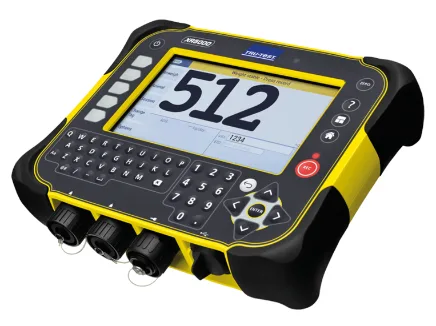
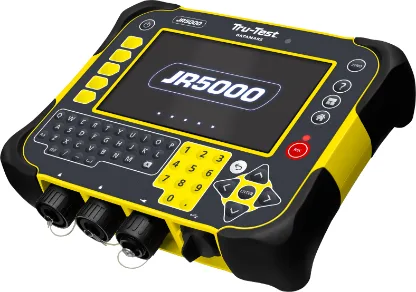
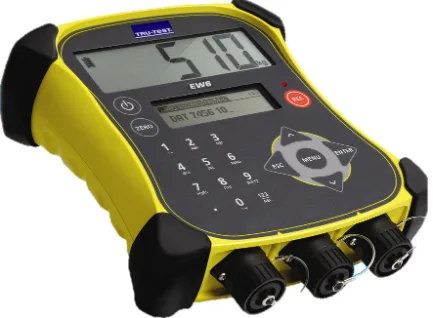
While no single tool can eliminate TB, integrating EID readers, EID Stick Readers, EID Tag Readers, and modern weighing systems into your livestock handling system can significantly improve the way TB is monitored, managed and recorded.
This guide on The role of EID & Weighing in TB Monitoring explains how electronic identification and weight recording support better TB control – and how to integrate them into your cattle handling system for maximum benefit.
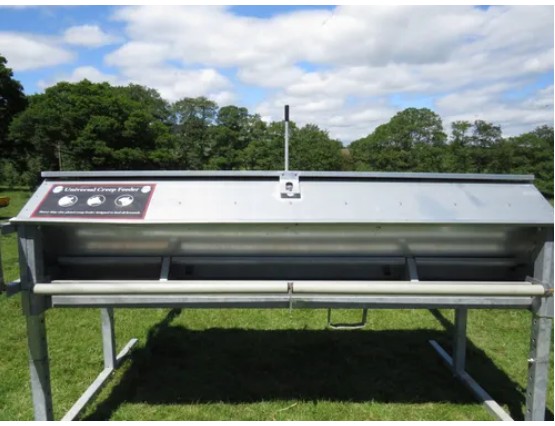
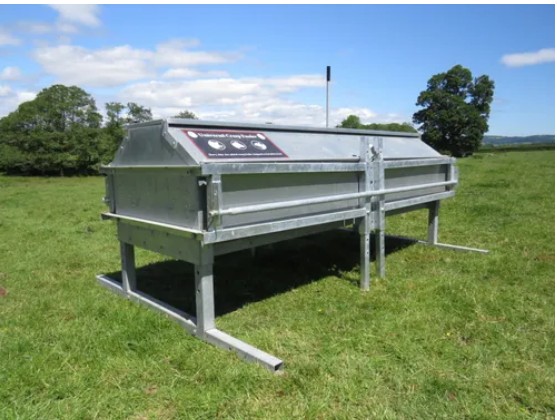
Alongside digital tools, physical infrastructure such as TB Buster barriers and Universal Creep Feeders also play a valuable role in reducing nose‑to‑nose contact and limiting wildlife contamination – two major TB transmission routes.
This guide explains how these tools work together to support better TB control.
1. Accurate Identification Is the Foundation of TB Monitoring
EID & Weighing in TB Monitoring – During TB testing, every animal must be correctly identified, restrained, injected and rechecked. Manual tag reading is slow, stressful and prone to error – especially in large herds or busy cattle yards.
EID technology eliminates:
- Misreads and transcription errors
- Duplicate tag numbers
- Time spent checking paperwork
- Stress caused by prolonged restraint
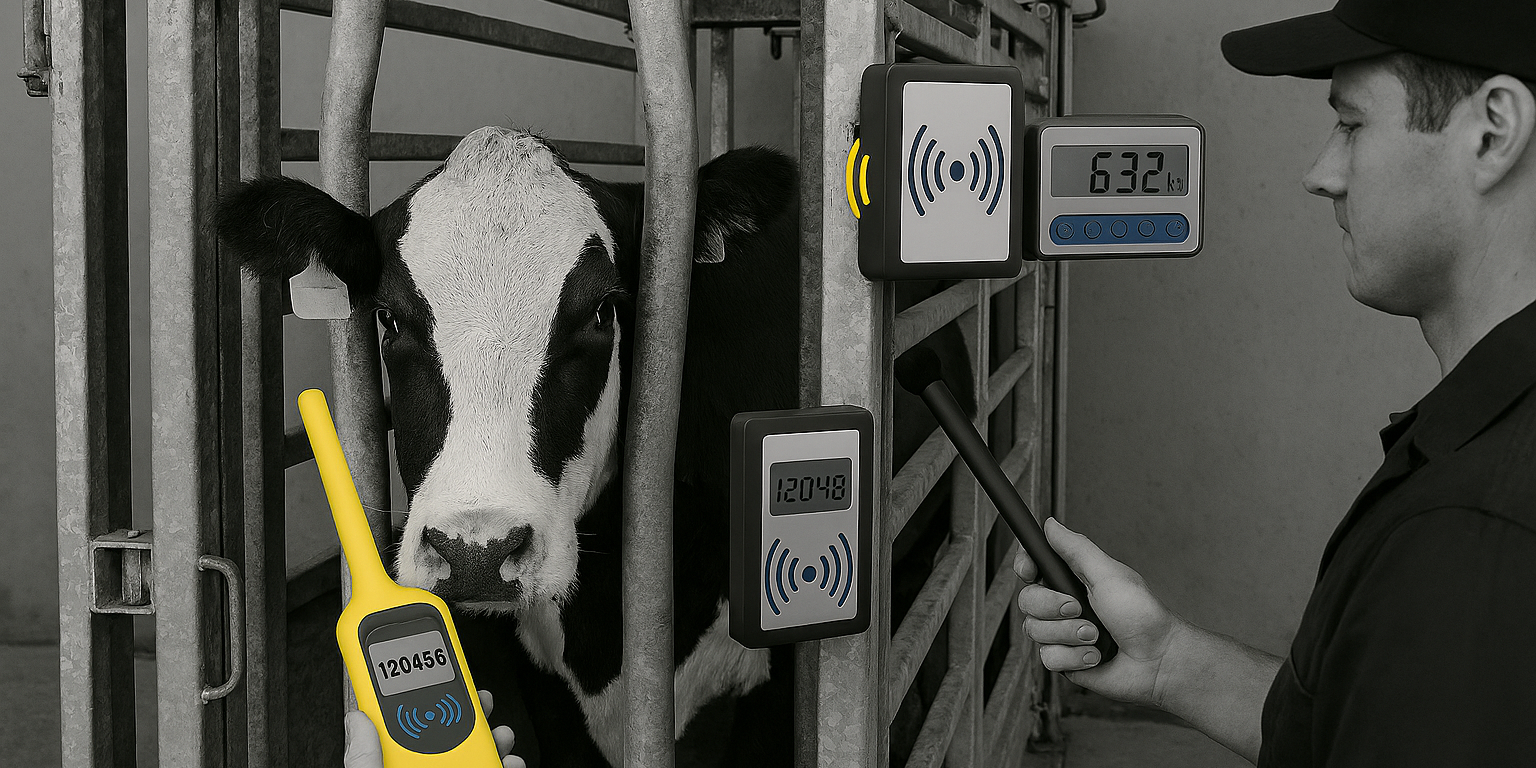
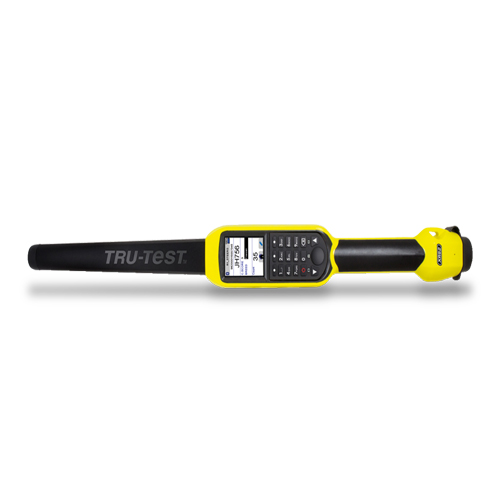
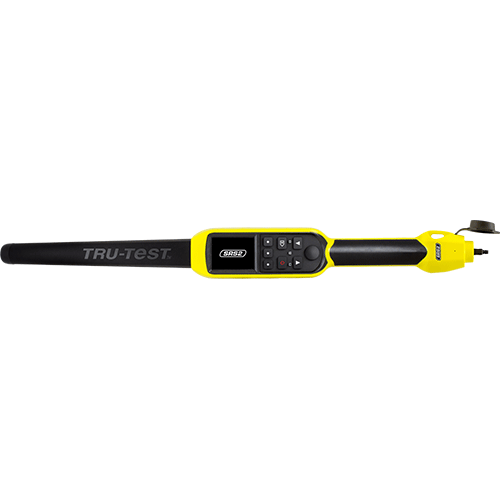
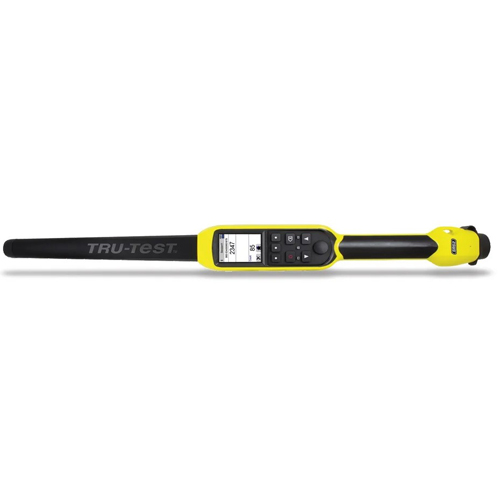
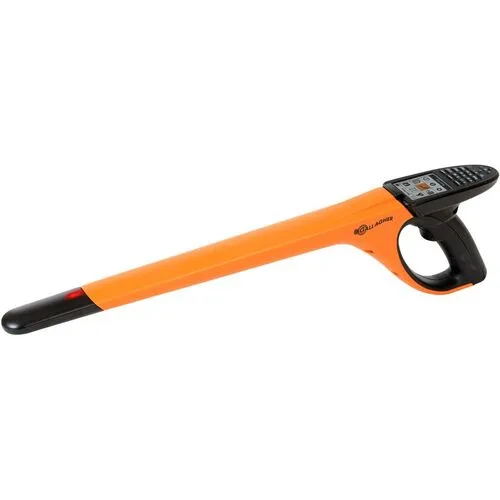
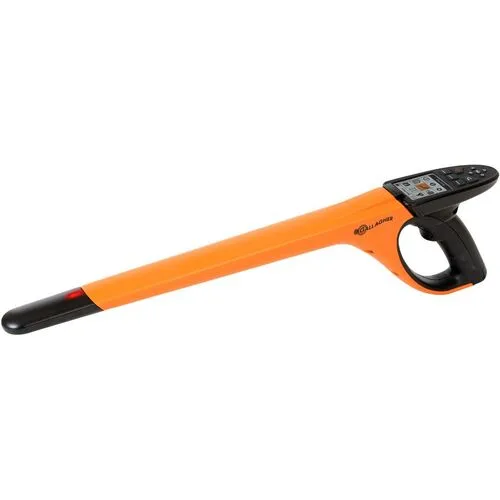
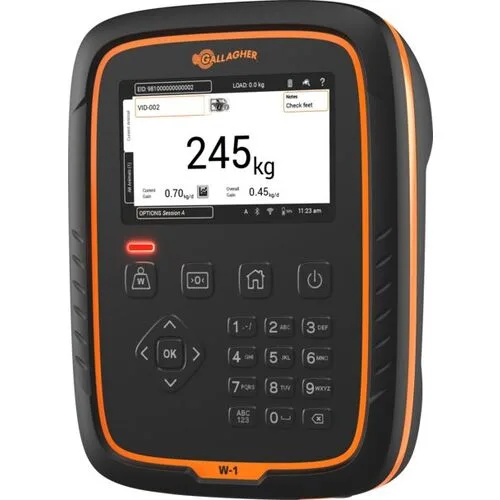
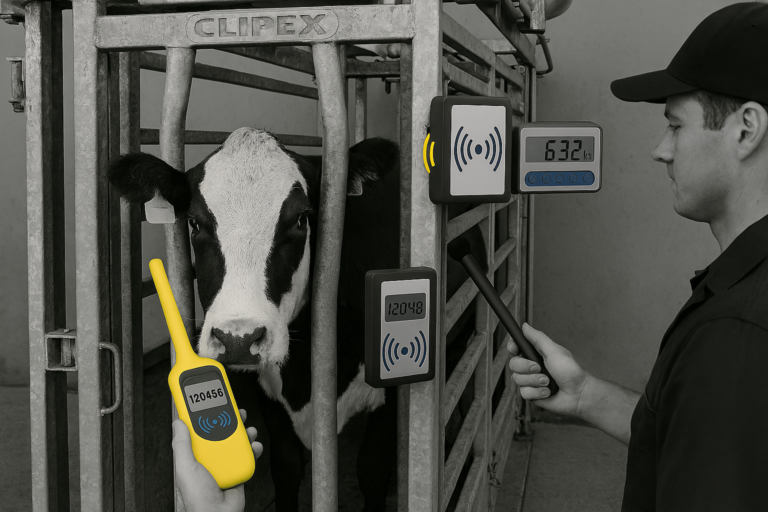
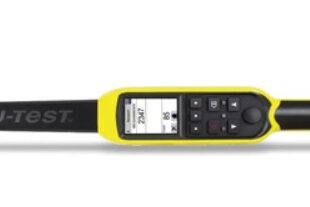
Using EID Stick Readers or EID Tag Readers, you can instantly confirm an animal’s identity and link it to its movement history, treatment records and previous test results. This improves traceability and ensures full compliance with APHA protocols.
Whether you’re using a handheld stick reader or a fixed panel reader, EID gives you confidence that every animal is accounted for – and every record is accurate.
2. Weighing Systems Help Spot TB Risk Early
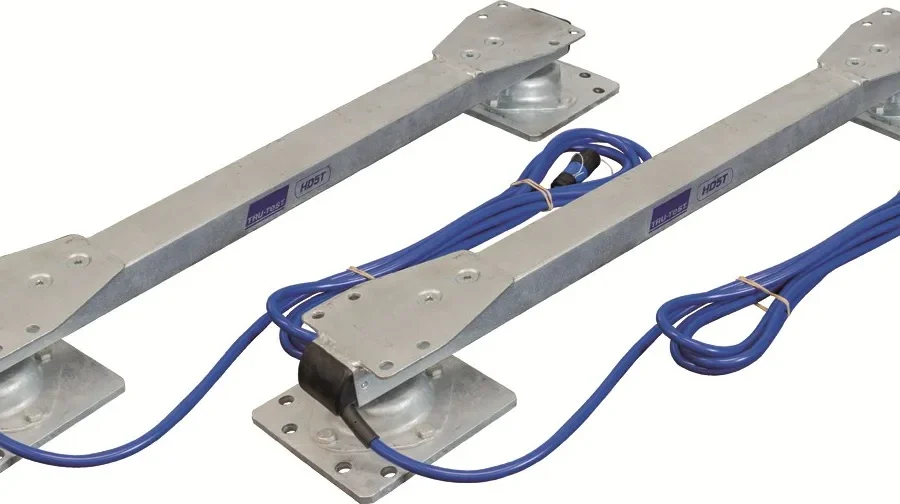
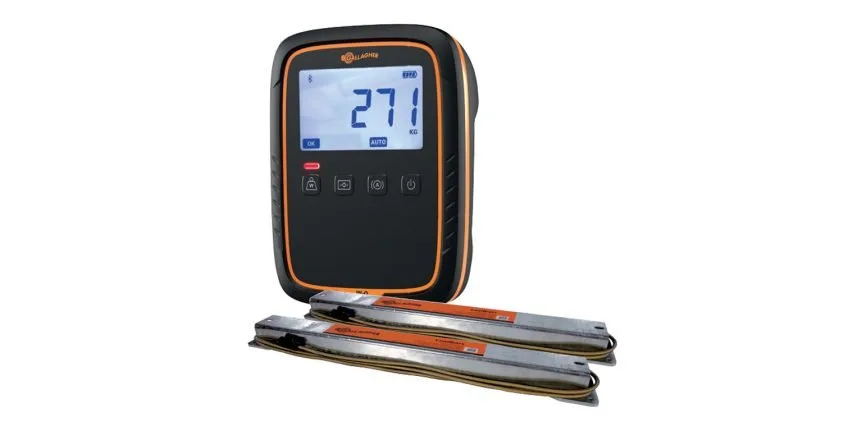
Weight loss is one of the earliest indicators of poor health – and in some cases, Bovine TB. Regular weighing helps identify animals that are underperforming, losing condition or showing signs of stress. The combination of EID & Weighing enables TB Monitoring, and ensures early risk analysis.
Benefits of weighing during TB monitoring:
- Detect poor doers before symptoms escalate
- Monitor weight trends across the herd
- Identify animals needing closer observation
- Support decisions around isolation or culling
- Provide evidence for vet consultations or grant applications
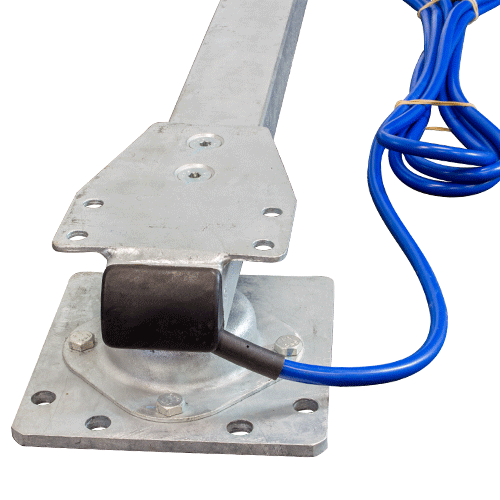
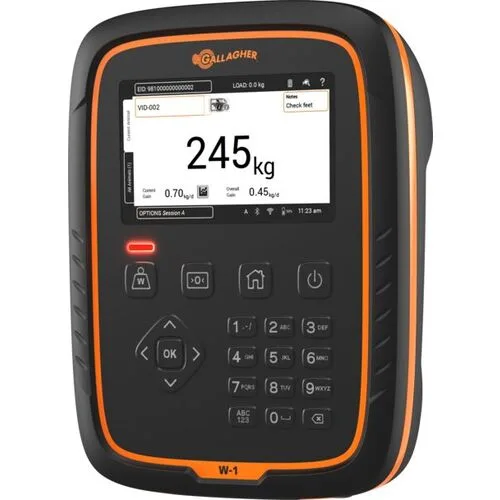
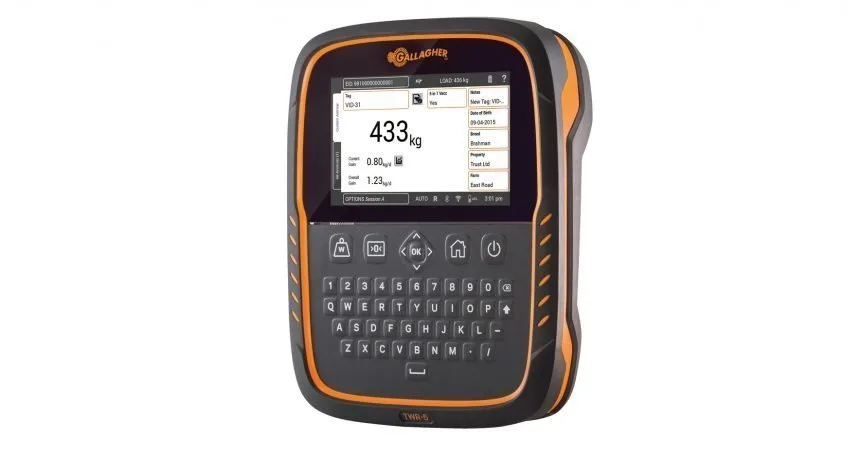
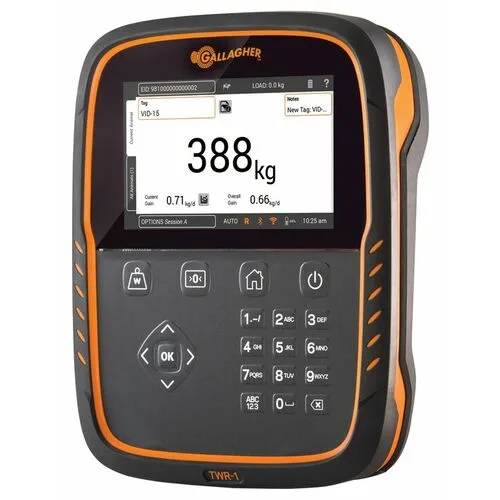
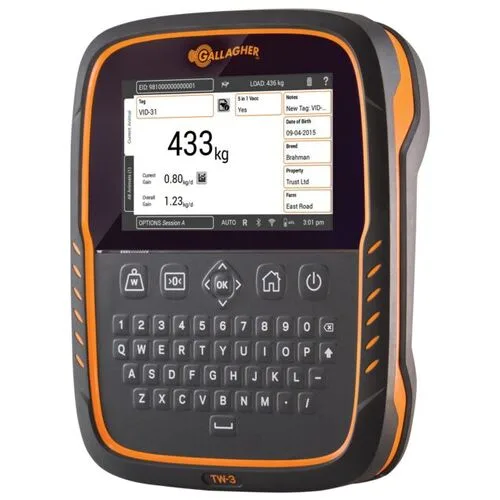
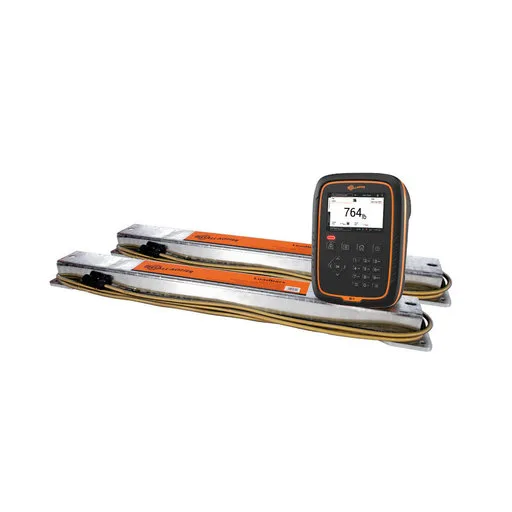
When EID & weighing are incorporated for TB monitoring, your weighing system automatically links each weight to the correct animal, building a complete health profile over time.
This is especially valuable for:
- High‑risk herds
- Farms in TB hotspot areas
- Herds under movement restrictions
- Youngstock and finishing cattle
3. EID + Weighing = Better Data, Less Stress
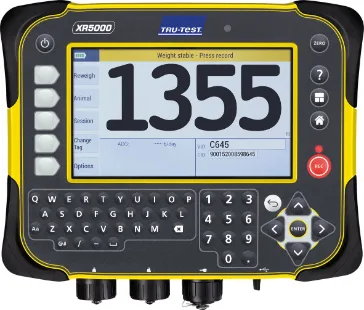
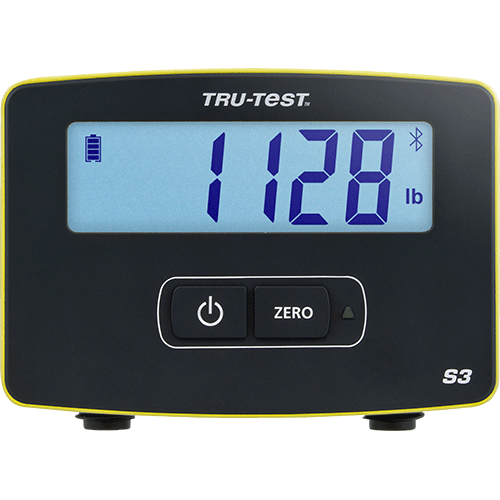
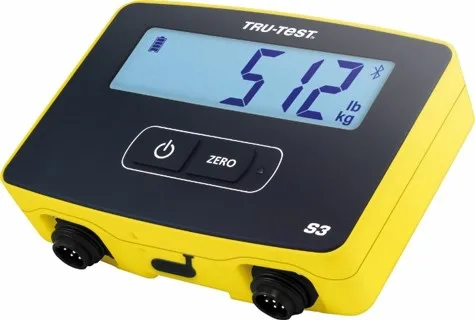
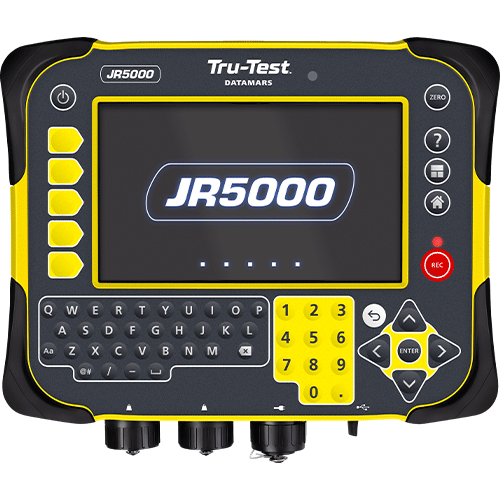
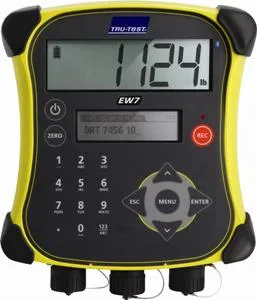
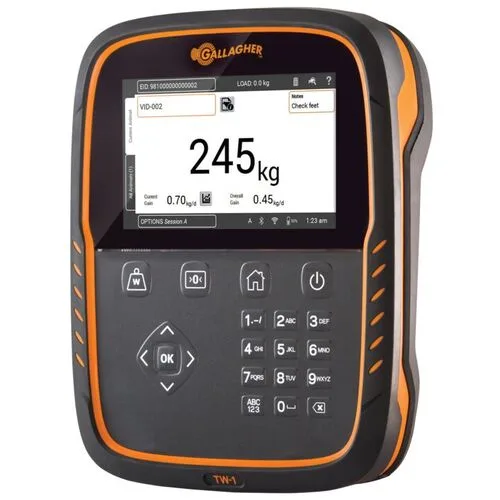
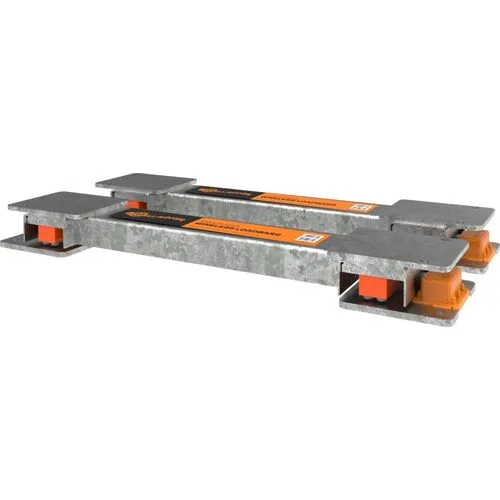
The real power of EID and weighing comes when they work together. By integrating your EID reader with your weighing indicator, you can automatically record:
- Animal ID
- Weight
- Date
- Location
- Notes or observations
This data can then be synced with your farm software, giving you instant access to performance trends, health records and compliance reports.
Benefits include:
- Faster throughput during TB testing
- Reduced labour and paperwork
- Improved accuracy
- Easier reporting to vets and authorities
- Better decision‑making around treatment and isolation
For farms preparing for the 2027 mandatory UK cattle EID rollout, this integration is a future‑proof investment.
4. Physical TB Prevention Tools: TB Buster & Universal Creep Feeders
Digital tools help with monitoring – but physical TB Prevention equipment helps reduce the risk of infection in the first place.
TB Buster Barriers
TB Buster is designed to reduce nose‑to‑nose contact between cattle and wildlife, particularly badgers – one of the most common transmission routes for Bovine TB. These barriers:
- Prevent direct contact at feed areas
- Reduce contamination of troughs
- Limit wildlife access to high‑risk zones
- Support biosecurity plans during breakdowns
They’re simple, effective and easy to integrate into existing yards or feed areas.
Universal Creep Feeders
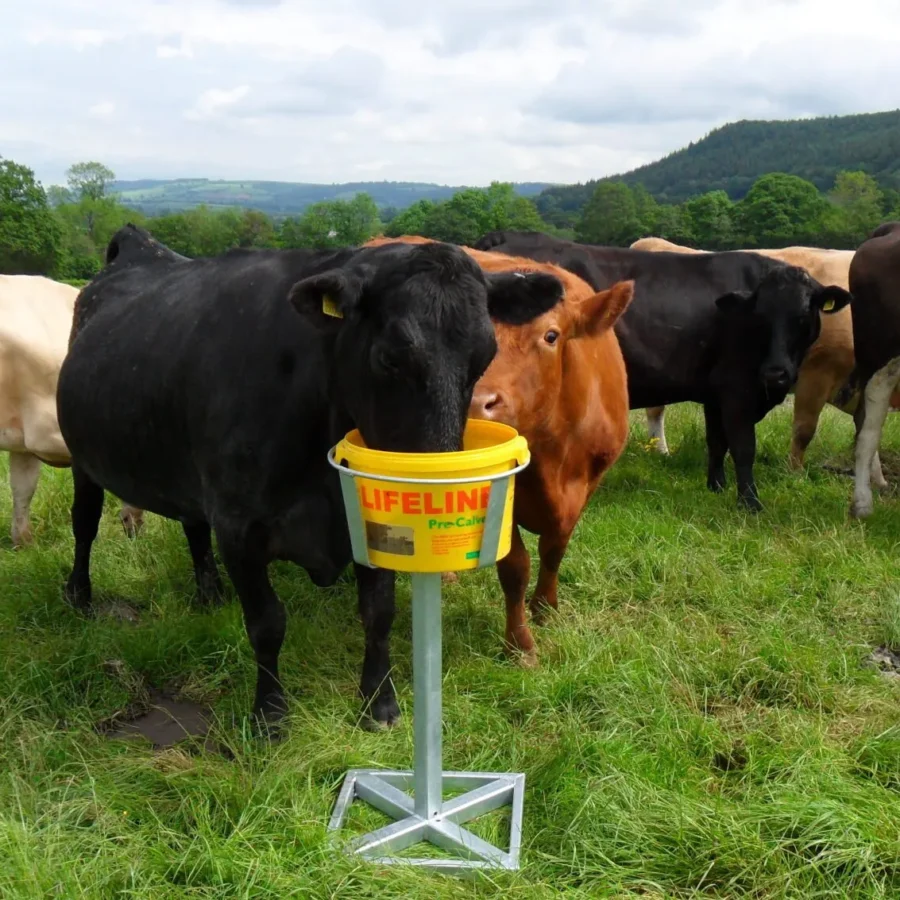
Universal Creep Feeders also play a role in TB Prevention by:
- Reducing feed contamination
- Keeping calves and youngstock separate from adult cattle
- Minimising wildlife access to feed
- Supporting controlled, hygienic feeding environments
Cleaner feeding areas mean fewer opportunities for TB bacteria to spread.
Together, TB Buster and Universal Creep Feeders complement your digital monitoring tools by reducing the environmental and wildlife‑related risks that contribute to TB breakdowns.
5. Yard Design Matters – Especially During TB Testing
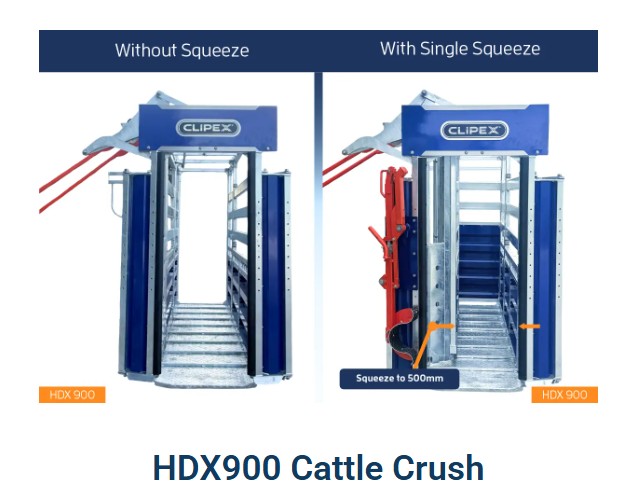
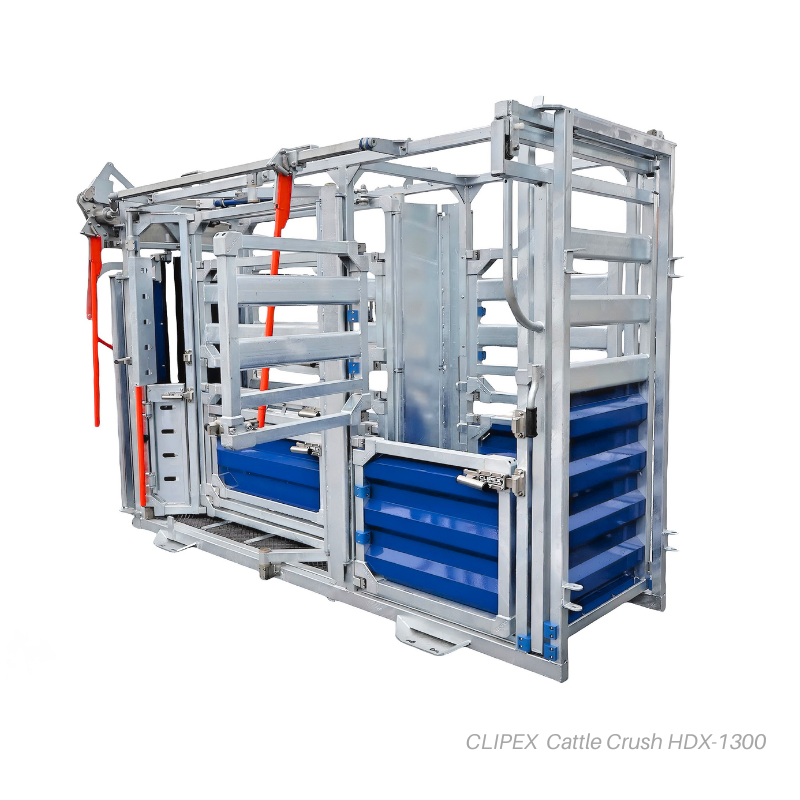
Even the best equipment won’t perform well in a poorly designed yard. During TB testing, cattle need to move calmly and predictably through your livestock handling system to minimise stress and maximise safety.
Key design features include:
- Solid‑sided races to reduce distractions
- Curved approaches to the cattle crush
- Non‑slip flooring
- Quiet gates and latches
- A pre‑catch area for scanning and weighing
- Safe operator access and escape routes
When cattle flow smoothly, EID reads are more reliable, weighing is faster, and testing becomes safer for everyone involved.
Final Thoughts
TB monitoring is complex, stressful and time‑sensitive – but smart livestock equipment can make it easier. By integrating EID readers, EID Stick Readers, EID Tag Readers, weighing systems, TB Buster barriers, Universal Creep Feeders, and well‑designed handling systems, farmers can improve accuracy, reduce labour and build a stronger defence against disease.
Whether you’re preparing for the 2027 EID rollout or simply want to improve your TB testing workflow, investing in integrated equipment is a practical, future-proof step toward stronger TB Prevention and better herd health.




Welsh Small Grants – Efficiency Scheme: Upgrade Your Livestock Handling Equipment
Welsh Small Grants Efficiency Scheme The latest Small Grants – Efficiency (Window 5) scheme from…
Sheep EID – How to Use It Effectively
EID for Sheep Practical strategies for better flock management, compliance and performance tracking Electronic Identification…
The Role of EID & Weighing in TB Monitoring
EID & Weighing in TB Monitoring How smart livestock equipment improves traceability, accuracy and disease…

How to Integrate EID Readers Into Your Cattle Handling System
Integrating EID Readers into Your Handling System Practical guidance for smoother, faster, more accurate cattle…
UK Sheep EID – How to Use It Effectively in 2025 and Beyond
UK Sheep EID Practical advice for flock traceability and smarter management UK Sheep EID has…
UK Cattle EID: What Farmers Need to Know (2025–2027)
UK Cattle EID Electronic Identification is coming — here’s how to prepare UK Cattle EID…