How to Handle Large, Strong or Aggressive Cattle Safely

How to Handle Large, Strong or Aggressive Cattle Safely

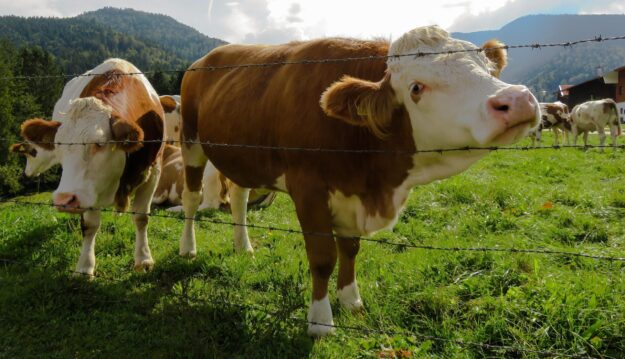
How to Handle Large, Strong or Aggressive Cattle Safely: Practical Advice for UK Farms Handling cattle is a routine part of farm life, but when animals are large, strong, or showing signs of aggression, the risks increase dramatically. Whether you’re working with powerful beef animals, protective suckler cows, or big dairy cows during foot trimming…
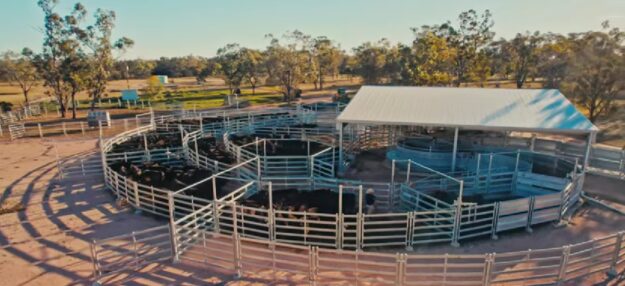
Improving Cattle Flow

Improving Cattle Flow: Behaviour‑Based Handling Tips

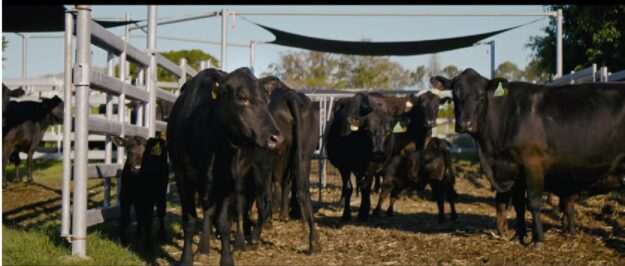
Handling tips to improve cattle flow Improving cattle flow – Good cattle flow is the foundation of safe, efficient livestock handling. Whether you’re working with dairy cows, beef stores, or suckler cows with calves at foot, smooth movement through your cattle handling system reduces stress, improves welfare, and makes routine tasks faster and safer. Poor…

The Role of Handling Systems in TB Control

The Role of Handling Systems in TB Control

The important role of Handling Systems in TB Control The Role of Handling Systems in TB Control – Bovine TB remains one of the most disruptive and costly diseases affecting UK cattle farms. While wildlife control, testing regimes, and biosecurity at pasture often dominate the conversation, one area that deserves far more attention is the…

HDX 900 Manual Cattle Crush - Manual vs Pneumatic Crushes

Manual vs Pneumatic Crushes – Which Is Best for Your System?

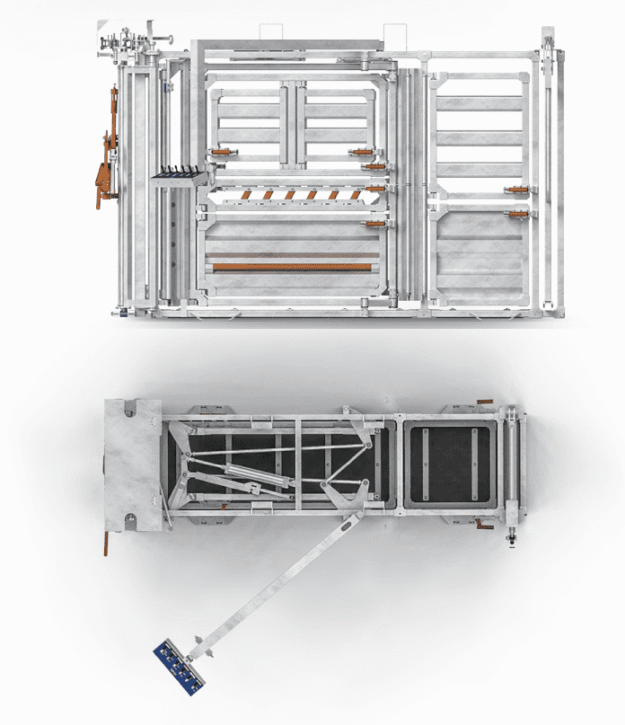
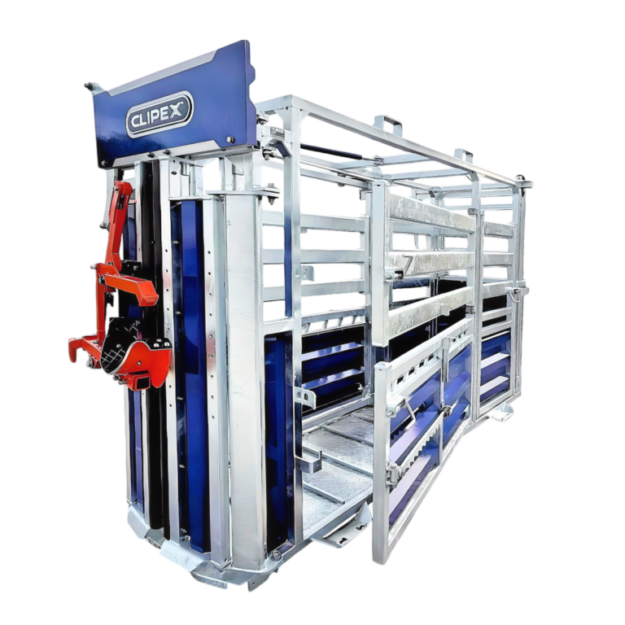
Manual vs Pneumatic Crushes Understanding the differences so you can choose the right crush for your farm cattle crushes are one of the most important investments a livestock farm will ever make. It affects safety, efficiency, animal welfare, labour requirements and long‑term running costs. Today, farmers typically choose between manual and pneumatic crushes – but…