
Effective Youngstock Management Reduces TB Transmission
Youngstock are the future of every beef and dairy enterprise – but they are also one of the most vulnerable groups when it comes to bovine TB. Calves and growing cattle have developing immune systems, higher susceptibility to infection, and more frequent close‑contact behaviours that increase transmission risk. While TB control is often discussed in terms of wildlife, testing regimes, and adult herd management, youngstock management is one of the most overlooked yet powerful tools for reducing TB risk on UK farms.
This guide explains why youngstock are so important in TB control, how infection spreads within and between age groups, and the practical steps farmers can take to reduce risk – both in calf pen design and in cattle handling systems. It also highlights how equipment such as the Universal Creep Feeder, TB‑aware handling layouts, and good biosecurity practices can make a measurable difference.
Practical Ways to Reduce TB Risk in Cattle Handling Areas
1. Why Youngstock Are More Vulnerable to TB
Young animals are biologically and behaviourally more susceptible to TB infection.
On‑Farm TB Prevention: What Are the Most Effective Measures?
Biological vulnerability
- Immature immune systems
- Higher respiratory rate (increasing aerosol exposure)
- Greater susceptibility to stress‑related immune suppression
Behavioural vulnerability
- More nose‑to‑nose contact
- Grouping in tight spaces
- Frequent licking, rubbing, and exploratory behaviour
- Higher curiosity around wildlife attractants
This combination makes youngstock a key risk group and a key opportunity for intervention.
2. How TB Spreads Among Youngstock
TB spreads primarily through respiratory droplets, but youngstock are also exposed through:
- Contaminated feed
- Shared water sources
- Close contact in calf pens or handling areas
- Wildlife contamination
- Poor ventilation in calf sheds
- Stress during weaning or regrouping
Understanding these pathways helps farmers target the most effective control measures.
How Can I Reduce the Risk of Bovine TB on My Farm?
3. Separate Youngstock From Adult Cattle Wherever Possible
One of the simplest and most effective TB‑control strategies is age segregation.
Why separation matters
- Adult cattle may be latent carriers
- Older animals shed more bacteria when infected
- Youngstock are more susceptible to infection
- Mixing increases nose‑to‑nose contact and aerosol exposure
Practical steps
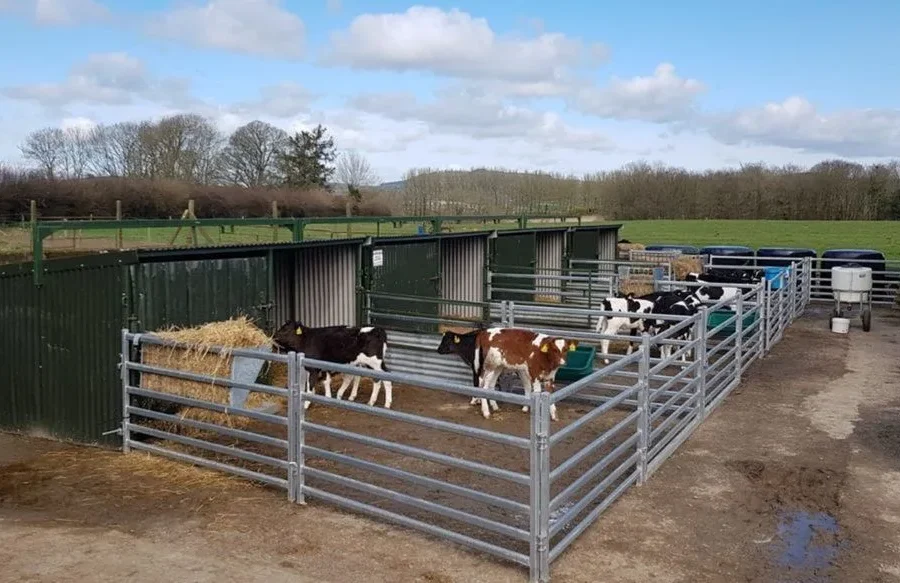
- Use dedicated youngstock housing
- Avoid mixing calves with adult cows in handling areas
- Use separate races or pens during routine work
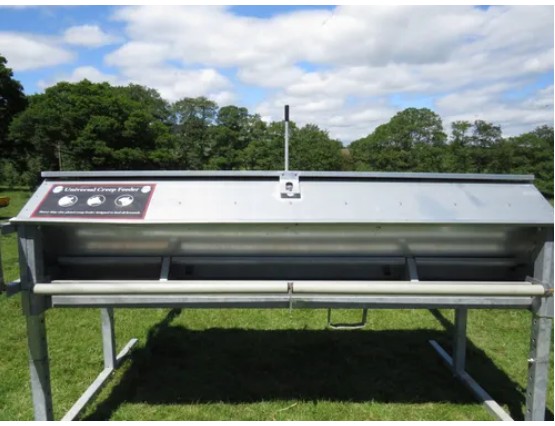
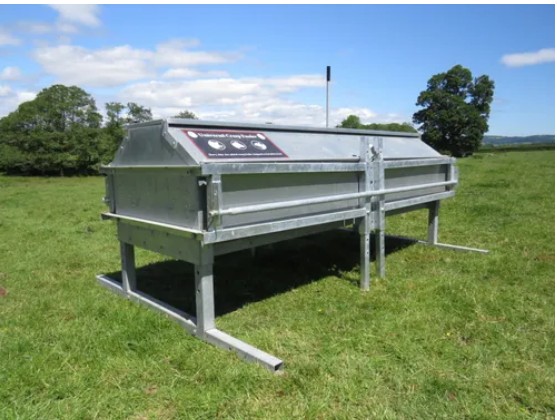
- Feed calves separately using equipment like the Universal Creep Feeder
Segregation reduces the risk of cross‑age transmission and helps protect the most vulnerable animals.
4. Improve Ventilation in Calf Housing and Handling Areas
Poor ventilation is one of the biggest TB risk factors for youngstock. Stale, humid air allows respiratory droplets to linger, increasing exposure.
Ventilation improvements include:
- Open ridge vents
- Yorkshire boarding
- Windbreak mesh instead of solid walls
- Avoiding overstocking
- Ensuring good airflow in handling areas
- Avoiding enclosed, poorly ventilated crush sheds
Good airflow disperses infectious droplets quickly, reducing the chance of transmission.
5. Reduce Stress During Weaning, Handling, and Group Changes
Stress suppresses immunity, making calves more vulnerable to TB infection.
Stress‑reduction strategies
- Use low‑stress weaning methods (e.g., fenceline weaning)
- Avoid abrupt regrouping
- Use calm, behaviour‑based handling
- Maintain consistent routines
- Ensure good nutrition during stressful periods
Handling stress can be reduced by using quiet, well‑designed cattle handling equipment, including smooth‑operating cattle crushes – manual crushes or pneumatic crushes that minimise noise and agitation.

6. Prevent Wildlife Access to Youngstock Feed and Housing
Badgers and other wildlife can contaminate feed, bedding, and water sources -a major TB risk for calves.
Practical wildlife‑proofing measures
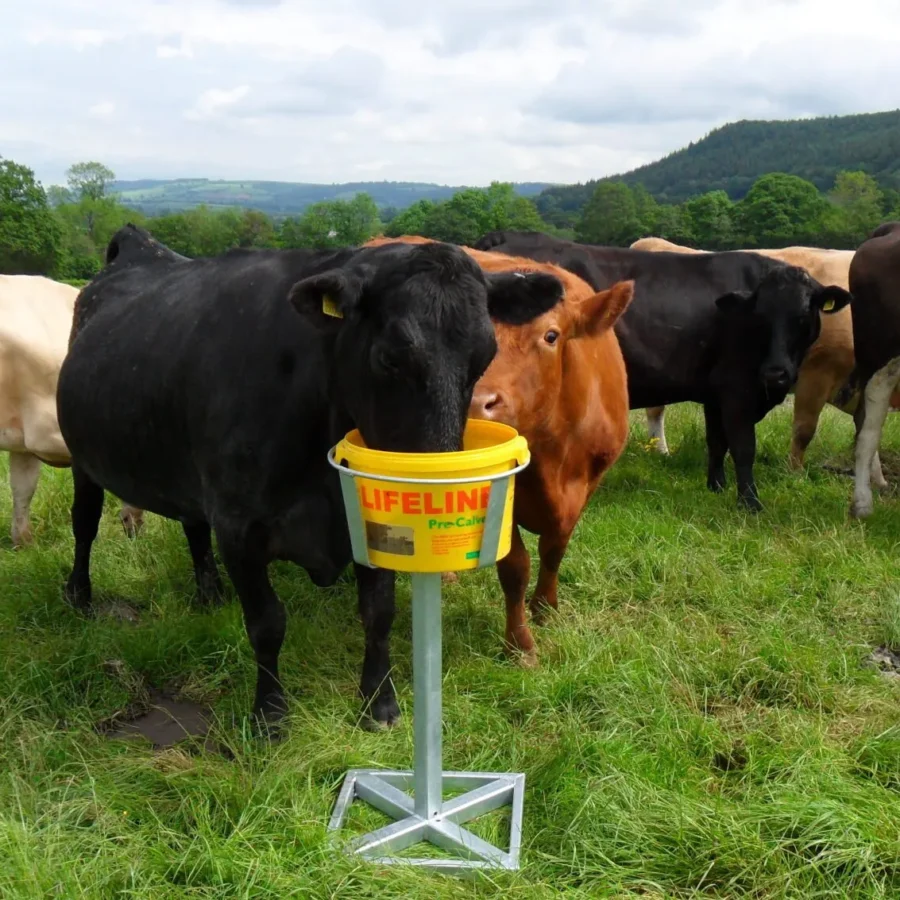
- Raise feed troughs off the ground
- Use enclosed feeders such as the Universal Creep Feeder
- Store feed securely
- Block gaps under gates and fences
- Avoid feeding youngstock on the ground
- Keep water troughs clean and raised
Reducing wildlife access is one of the most effective ways to protect youngstock from environmental TB exposure and be proactive in TB prevention.
7. Improve Hygiene in Calf Pens and Handling Areas
Youngstock environments can quickly accumulate organic matter, moisture, and bacteria -all of which support TB survival.
Hygiene improvements include:
- Regular scraping and bedding
- Good drainage
- Disinfecting pens between batches
- Cleaning handling areas after use
- Avoiding shared equipment between adult and youngstock groups
Clean, dry environments reduce the survival time of TB bacteria and lower infection pressure.
8. Use Handling Systems That Minimise Close Contact
Handling areas are high‑risk environments for TB transmission because they bring cattle into close proximity.
To reduce risk:
- Use solid‑sided cattle races to prevent nose‑to‑nose contact
- Avoid overcrowding in forcing tubs
- Maintain steady cattle flow
- Use anti‑backing devices to keep spacing consistent
- Handle youngstock separately from adult cattle
Good design reduces the time youngstock spend in high‑risk areas and lowers the chance of aerosol spread.
The Role of Handling Systems in TB Control
9. Support Youngstock Immunity Through Nutrition and Management
Healthy calves are more resilient to infection.
Key immunity‑boosting practices
- Ensure strong colostrum intake
- Maintain consistent nutrition
- Avoid sudden dietary changes
- Provide adequate minerals and vitamins
- Reduce parasite burden
- Minimise stress during weather extremes
Stronger immunity means lower susceptibility to TB infection.
10. Use TB‑Focused Equipment to Reduce Environmental Exposure
Several pieces of equipment can directly support TB‑risk reduction in youngstock areas.
Universal Creep Feeder
- Prevents wildlife access
- Reduces contamination of feed
- Supports age segregation
- Keeps calves away from adult feeding areas
TB Buster (for adult herd areas)
- Reduces wildlife contamination at feeding points
- Helps protect youngstock indirectly by lowering whole‑farm risk
Integrating these tools strengthens your overall TB‑control strategy.
Final Thoughts on How Youngstock Management Reduces TB Transmission Risk
Youngstock management is one of the most powerful -and most overlooked -ways to reduce TB transmission risk on UK farms. By improving ventilation, reducing stress, preventing wildlife access, maintaining good hygiene, and using the right cattle equipment, farmers can significantly lower infection pressure and protect the next generation of their herd.






1 Comment