

FETF Cattle Crush Codes FETF60 & FETF61
The 2026 agricultural landscape in the UK is being shaped by a definitive move toward professionalised, safe, and efficient infrastructure. FETF60 and FETF61 cattle crush grants offer huge cost savings to increase both handler and cattle engineering safety and efficiencies and cost savings.
For the team at Farming Solutions Ltd, as both farmers and engineers, we recognise that cattle crushes are the single most important investment a livestock farm will make. It is the heart of the yard. With the Farming Equipment and Technology Fund (FETF) 2026 now in its final round in its current form, there is a unique window for English farmers to secure significant capital for upgrades that will last 20 years.
Decoding the Grant: FETF60 vs. FETF61
The current grant round offers two distinct paths for crush upgrades, each with specific engineering requirements that must be met to ensure your claim is paid:
FETF60 (Pneumatic Cattle Crush): This grant offers a fixed contribution of £6,590. The technical requirement is strict: the unit must be squeeze-operated via air or hydraulics and include an integrated automatic yoke.
FETF61 (Manual Cattle Crush): This offers a £1,060 contribution. To qualify, the crush must provide full side access and feature a certified anti-slip floor.
The Engineering of the “Squeeze”
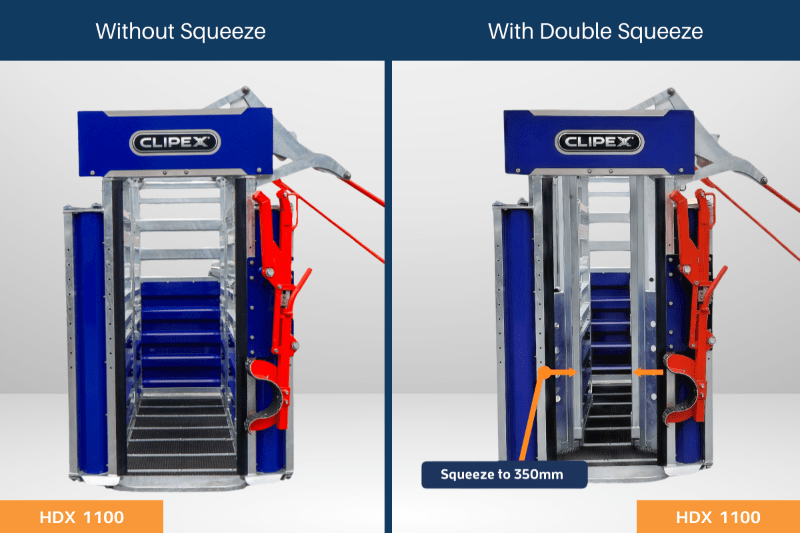
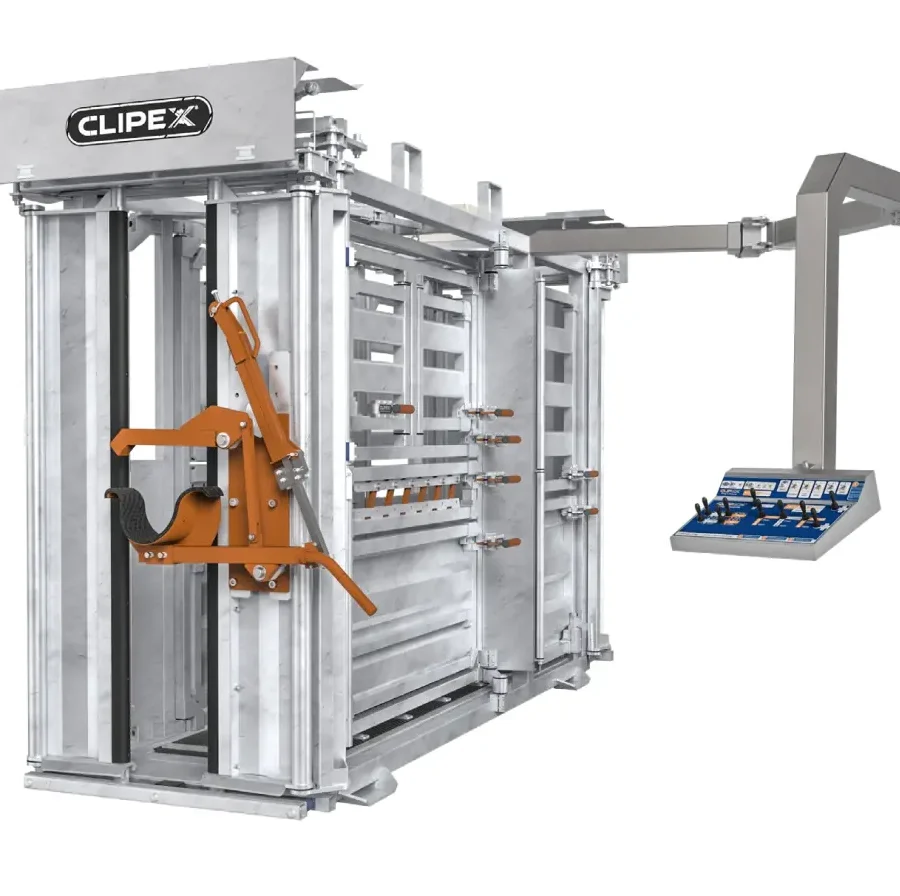
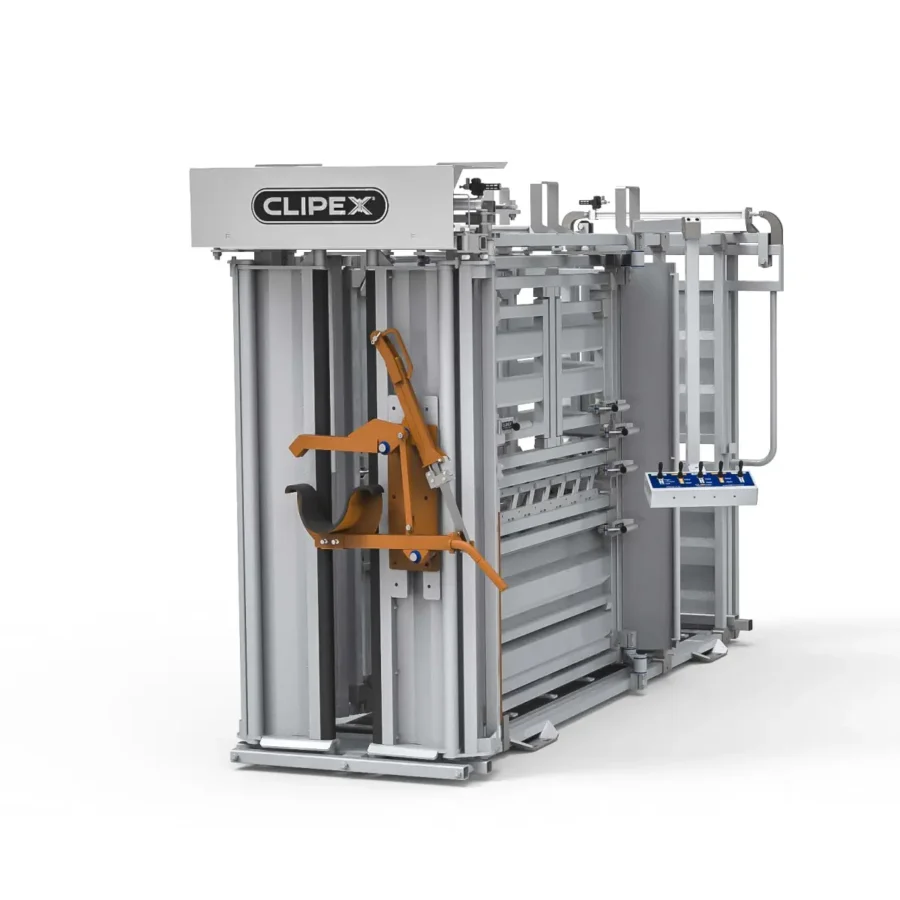
Why does the government prioritise “squeeze” mechanisms? As practitioners, we’ve seen the difference a squeeze makes. When a nervous animal enters a fixed-width crush, they often fight the head bail. However, a squeeze crush-like our Clipex HDX1100 or HD2000–applies gentle, consistent pressure to the animal’s sides. This mimics a “calming effect” used in behavioural psychology, significantly reducing heart rates and the production of cortisol and adrenaline.
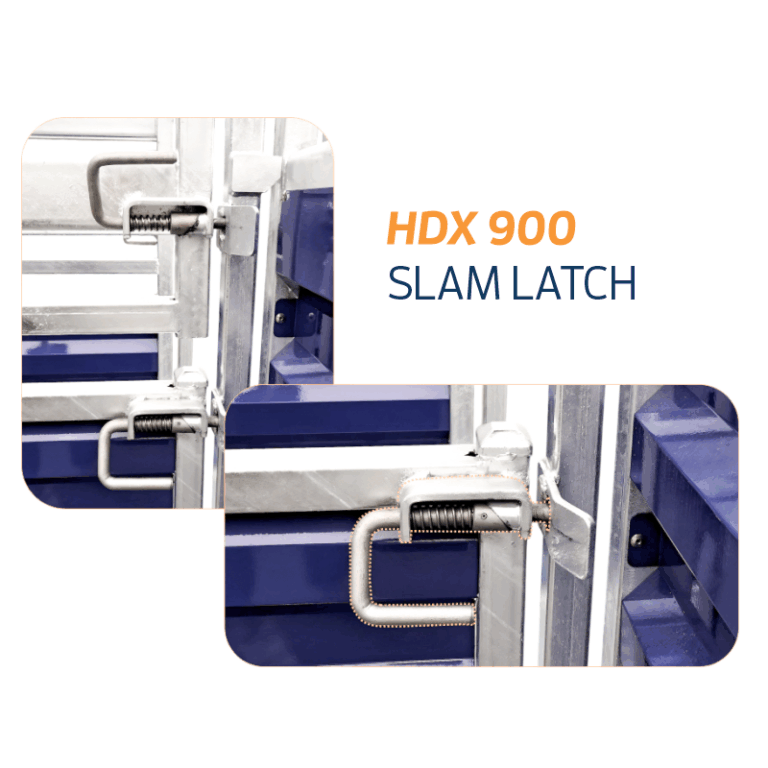
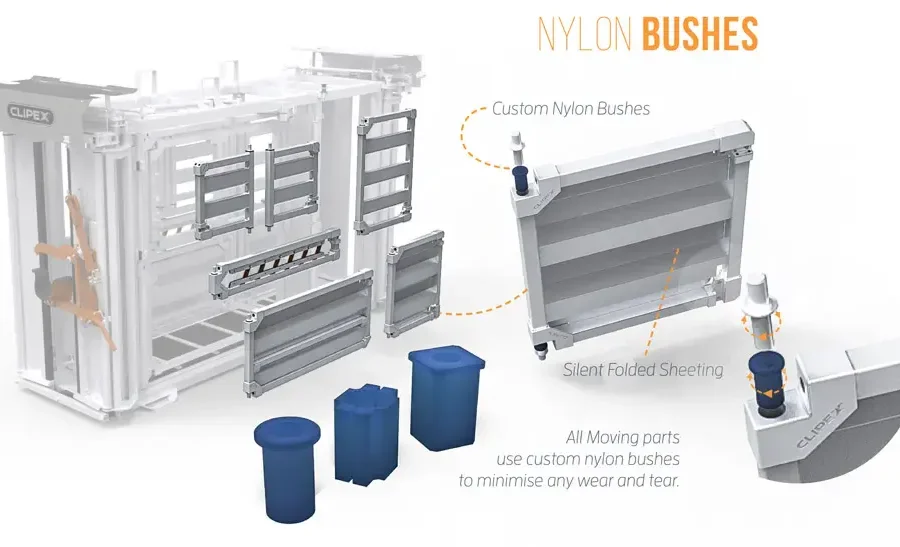
In a pneumatic system (FETF60), this squeeze is powered by air, allowing a single operator to restrain a 900kg bull with the push of a button. For one-man operations or high-throughput dairy units, the reduction in physical fatigue is immeasurable. But even in manual models (FETF61), the engineering matters. A “silent lock” mechanism and nylon bushings on moving parts prevent the metal-on-metal “clang” that triggers an animal’s flight response.
TB Testing: The Ultimate Stress Test
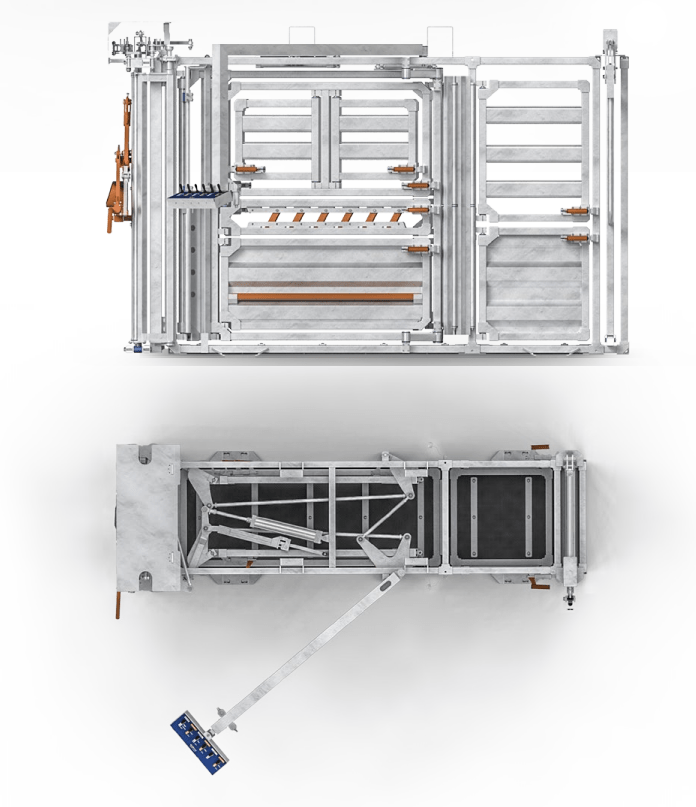
Bovine TB remains the most disruptive disease in UK cattle farming. The testing process is a high-risk event where “makeshift” facilities lead to injuries. Vets are increasingly authorised to abandon tests if handling facilities are deemed unsafe. Our bespoke cattle handling system designs focus on “Vet-Safe” zones, providing 360-degree access to the animal while keeping the operator and vet behind a protective barrier.
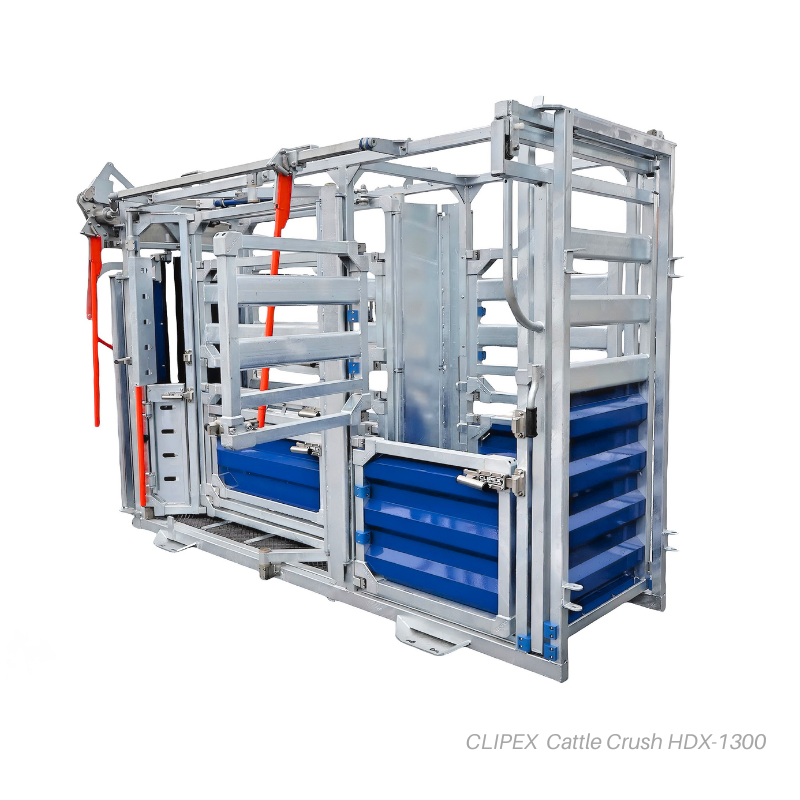
A compliant FETF61 crush must provide this full side access. Our Clipex range features specialised “TB Access Doors” and split gates, allowing a vet to safely reach the neck for injections or the udder for inspections without the risk of being crushed or kicked.
The Economics of Quality
While a standard manual crush might seem cost-effective, a heavy-duty, grant-funded unit offers a superior Return on Investment (ROI). Consider the lifespan: a budget crush may last 5–10 years before the floor rots or the yoke warps. A hot-dip galvanised, heavy-duty Clipex crush is built to last 15–20+ years.

Calculating FETF60 and FETF61 Cattle Crush Grants ROI
Investing in high-end equipment like the Clipex HD2000 (approx. £20,495) can seem daunting, but the long-term economics tell a different story. To help our clients justify these upgrades, we use a benchmarks-driven ROI model.
1. The Core ROI Logic
The most effective way to view this is by calculating the Net Investment against the Lifetime Savings of the unit.
Net Investment (INet}:
Benchmarks: A heavy-duty pneumatic crush like the Clipex HD2000 is approximately £20,495.
With a FETF60 grant of £6,590, the net cost of a premium pneumatic system is significantly reduced.
2. Identifying the Savings Variables
Veterinary Savings: The average cost of a TB skin test event in England is approximately £760 . Research shows that upgrading from makeshift gates to a professional handling system can reduce vet time during TB testing by 50%.
Labour Efficiency: The National Living Wage for 2026 is £12.71 per hour . High-throughput units typically save 10–15 minutes per handling session. For high-frequency units, reducing a 3-person job to a 2-person job through automation is a primary driver of profit.
Infrastructure Lifespan: Standard crushes typically need replacing every 5–10 years. In contrast, heavy-duty, hot-dip galvanized steel systems (like Clipex or Studman) are built to last 15–20+ years.
3. Implementing the “Safety Premium” Formula
Agriculture remains the UK’s most dangerous industry, with 24% of producers injured annually—and 47% of those injuries are caused by inadequate facilities . We calculate “hidden” annual savings through risk mitigation:
Using a baseline injury cost of £8,500 and a 47% facility factor, a compliant crush provides roughly £958.80 in annual risk-reduction savings.
⚠️ IMPORTANT: FETF 2026 DEADLINE
The application window for the Farming Equipment and Technology Fund (FETF) 2026 is strictly time-limited.
Window Closes: Midday on 28th April 2026.
Our Recommendation: To ensure your bespoke yard design and itemised quotes are ready for submission, please request your quotes by 21st April 2026. Applications submitted in the final 48 hours often face technical delays on the RPA portal.
FETF 2026 Success Guide & Item Code Cheat Sheet
Avoid costly mistakes, get the correct specs, and improve your chances of a successful FETF application.
Bullet points:
- Includes key item codes (FETF60, FETF61 etc)
- Avoid common application mistakes
- Designed for cattle & sheep handling upgrades




1 Comment