Manual vs Pneumatic Crushes
Understanding the differences so you can choose the right crush for your farm
cattle crushes are one of the most important investments a livestock farm will ever make. It affects safety, efficiency, animal welfare, labour requirements and long‑term running costs. Today, farmers typically choose between manual and pneumatic crushes – but the right choice depends entirely on your cattle handling system, herd size and workflow.
This guide breaks down the key differences to help you decide which crush is best for your farm.
1. How Manual Crushes Work
Manual crushes rely on mechanical levers, latches and squeeze systems operated by hand. They’re simple, robust and require no power source.
Benefits of manual crushes
- Lower upfront cost
- No compressor or air lines required
- Fewer moving parts
- Easy to maintain
- Ideal for smaller herds or occasional handling
- Reliable in remote locations
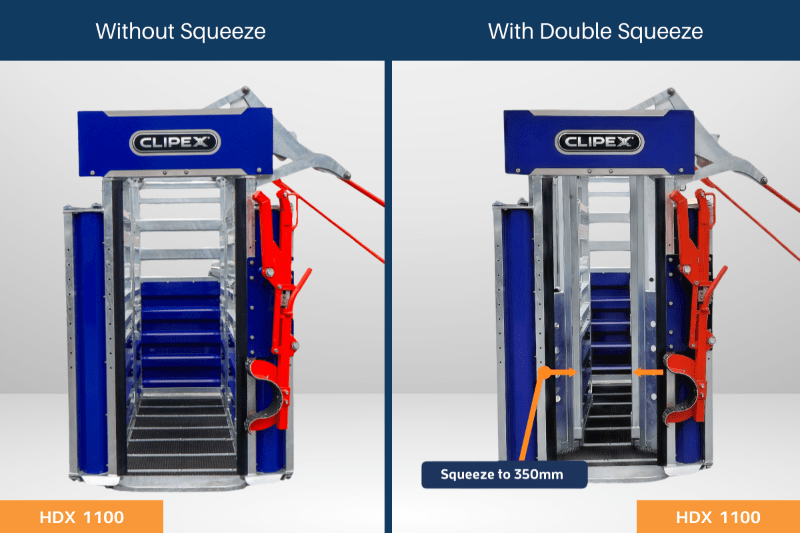
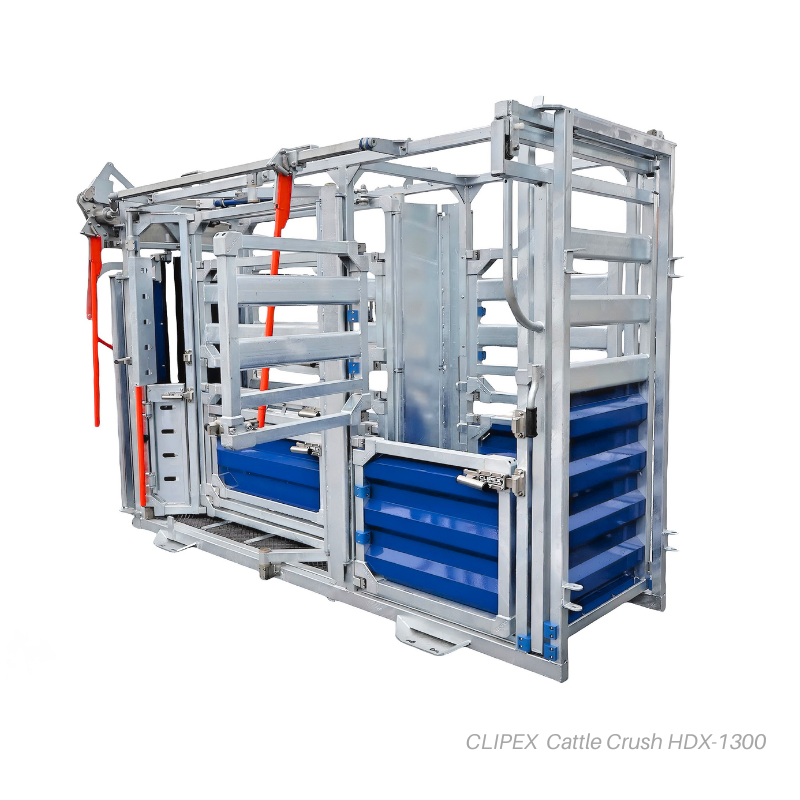
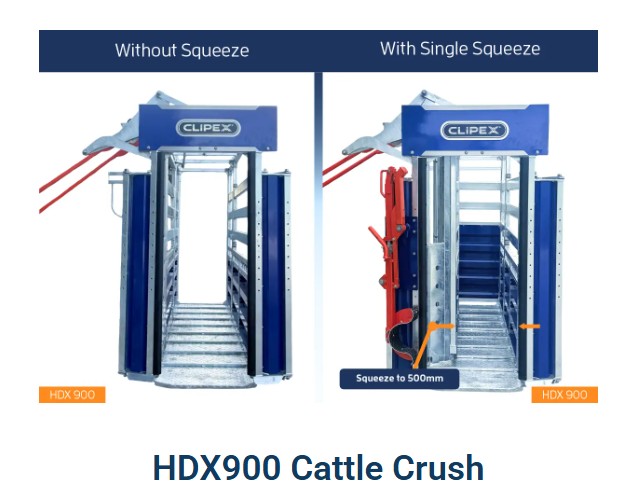
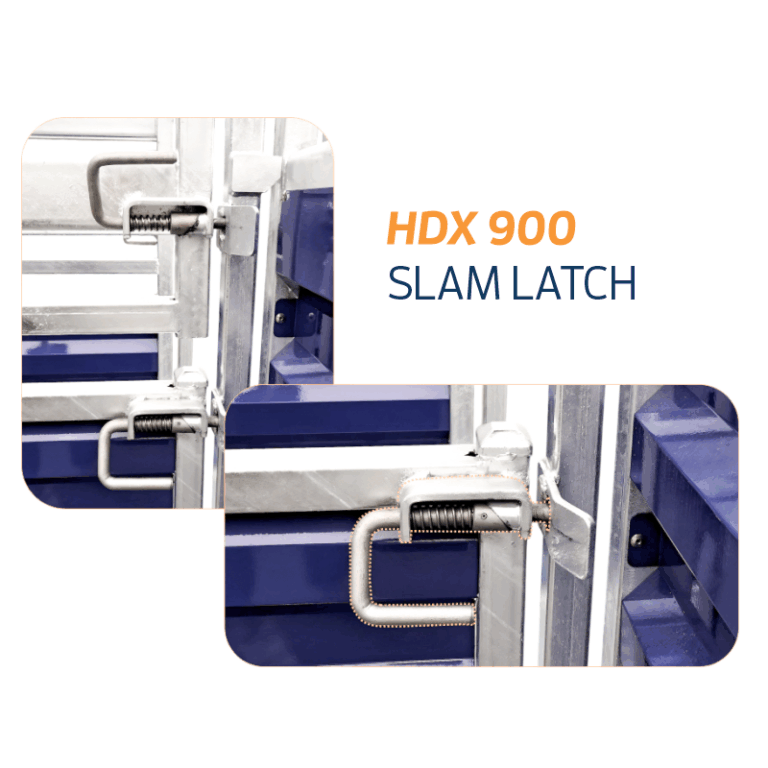
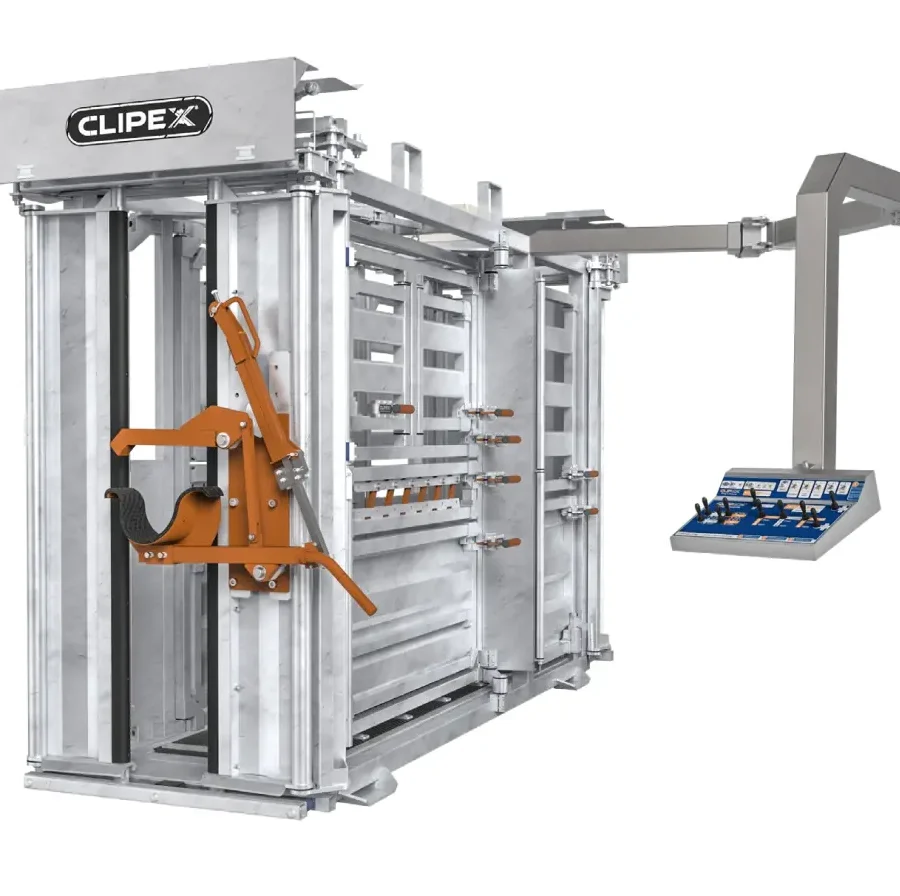
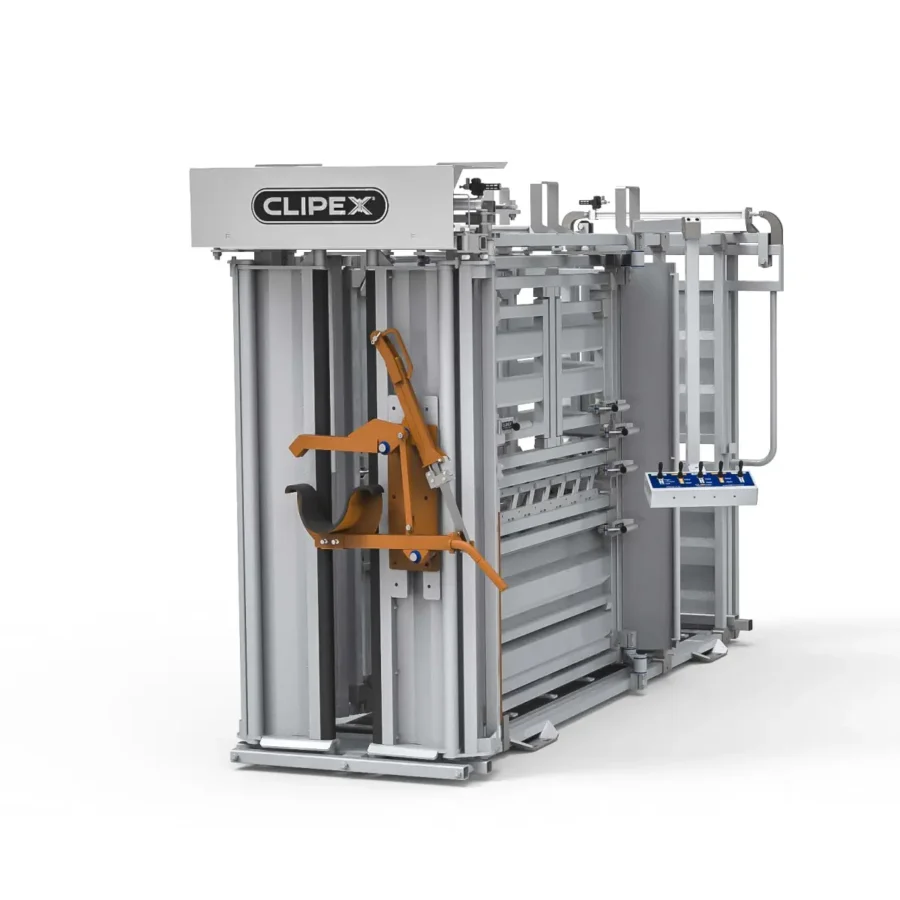
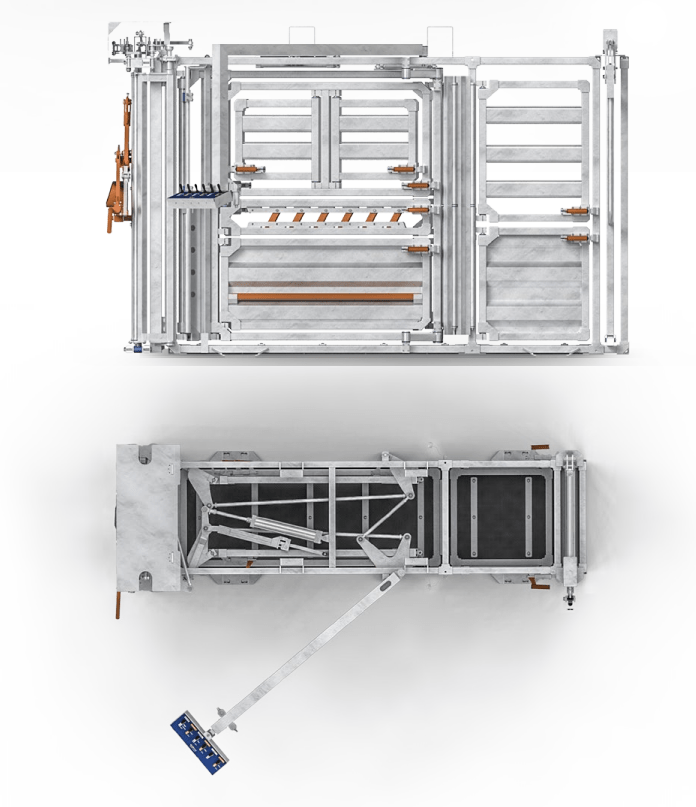
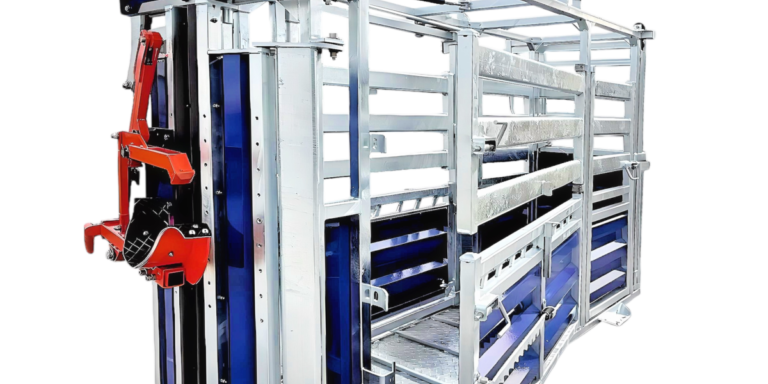
Manual crushes like the Clipex HDX range are designed for heavy-duty use, offering silent locking, strong parallel squeeze and excellent access.
2. How Pneumatic Crushes Work
Pneumatic crushes use compressed air to operate the head bail, squeeze, gates and sometimes the rear sliding door. This makes handling faster, quieter and more consistent.
Benefits of pneumatic crushes
- One‑person operation
- Faster throughput
- Reduced physical effort
- More consistent clamping pressure
- Ideal for large herds or frequent livestock handling
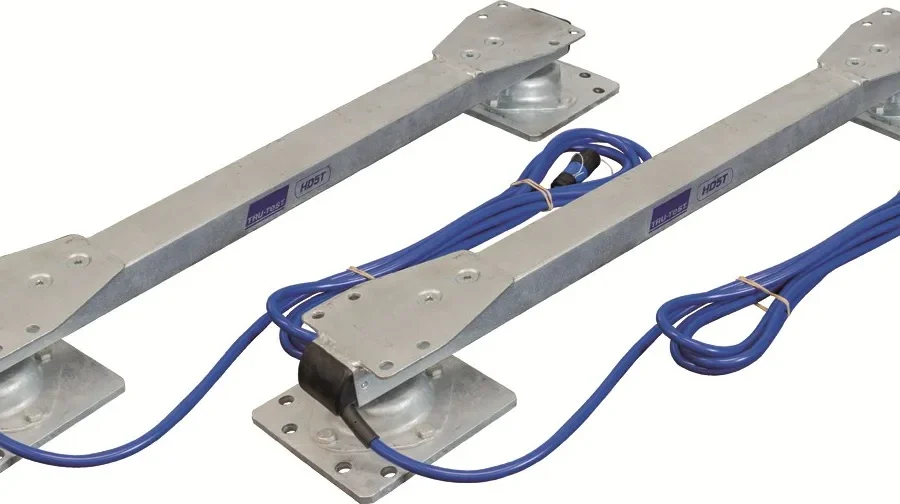
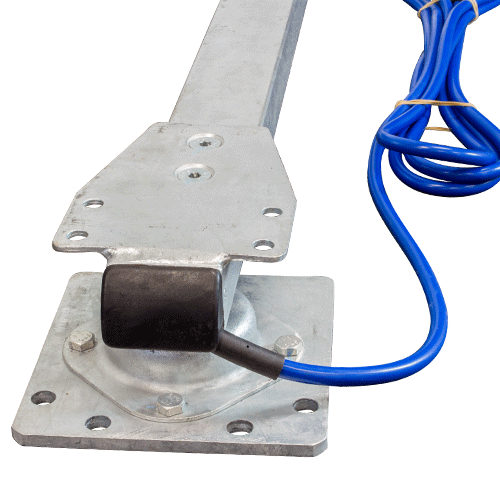
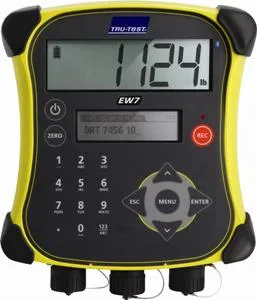
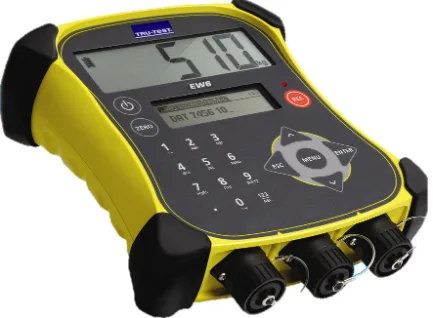
- Excellent for Bovine TB testing, weighing and routine work
Models like the Clipex HD1500 and HD2000 are designed for high‑volume, low‑stress handling.
Clipex HD1500 vs HD2000: What’s the Difference?
3. Manual Vs Pneumatic Crushes: Which Is Safer?
Manual Vs Pneumatic Crushes – both systems are safe when used correctly, but pneumatic crushes offer more control with less effort, reducing operator fatigue and improving consistency.
Manual crushes rely on operator strength and timing, which can vary.
4. Which Is Better for Animal Welfare?
Pneumatic crushes generally offer:
- Smoother operation
- Quieter movement
- More consistent pressure
- Less sudden noise
Manual crushes can be just as welfare‑friendly if well‑designed, but require more operator skill.
5. Manual Vs Pneumatic Crushes: Which Is More Cost‑Effective?
Manual:
- Lower purchase price
- Minimal running costs
- Ideal for low‑frequency use
Pneumatic:
- Higher upfront cost
- Requires compressor
- Saves labour and time
- Best for high‑frequency use
Final Recommendation
Choose a manual crush if you:
- Have a small or medium herd
- Handle cattle infrequently
- Want a lower‑cost, low‑maintenance option
Choose a pneumatic crush if you:
- Handle cattle regularly
- Need one-person operation
- Want faster, quieter, low‑stress handling
- Are preparing for EID‑integrated workflows