
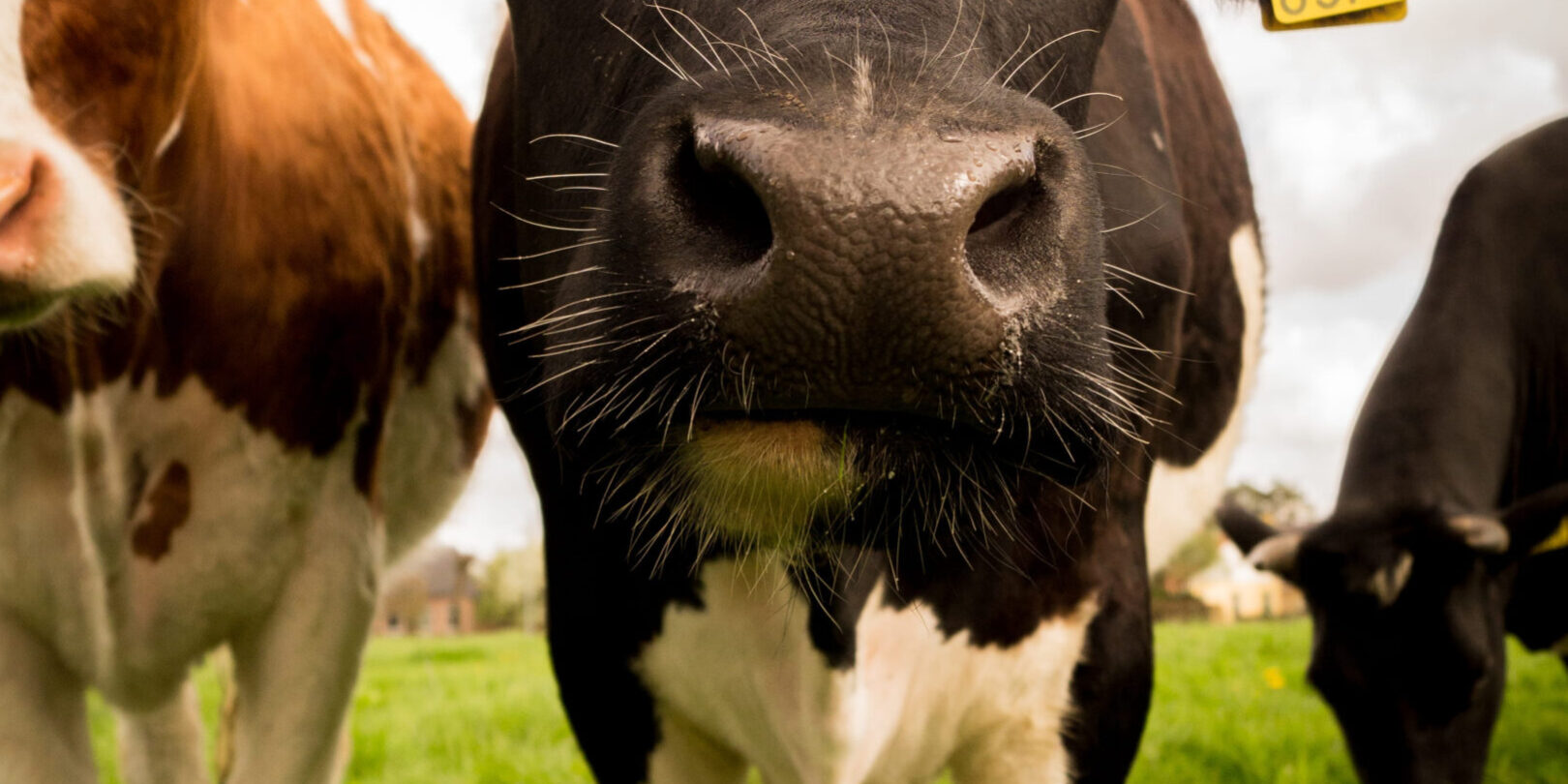
The Future of Cattle EID
The landscape of British livestock farming is shifting. Following a landmark announcement by Defra, the UK is transitioning from manual, visual-only cattle tracking to a sophisticated digital system. From 2027, mandatory Electronic Identification (EID) will be introduced for all newborn calves in England.
For farmers, this isn’t just a regulatory hurdle-it’s a technological leap that promises to streamline day-to-day operations, bolster national biosecurity, and safeguard our international trade reputation. At Farming Solutions Ltd, we believe in cattle equipment that works as hard as you do. As both farmers and engineers, we are here to help you navigate this transition to EID integrated cattle handling systems with practical advice and the right infrastructure.
What is Cattle EID?
Electronic Identification (EID) uses Radio Frequency Identification (RFID) technology. A small microchip is embedded within a standard ear tag. When an EID reader (either a handheld “EID stick reader” or a fixed “panel reader“) passes near the animal, it captures the unique 15-digit ID number instantly and wirelessly.
In England, Defra has confirmed that Low Frequency (LF) technology will be the official standard. This aligns with the EID integrated sheep handling systems already successfully used in the UK sheep sector, ensuring a level of familiarity for mixed-enterprise farms.
EID Equipment and Cattle Handling Equipment are FETF Grant Approved
The FETF Grant deadline has just been extended until May12th at Midday.
If you would like quotes from Farming Solutions Ltd for your application or have any questions see below!
The Timeline: Key Dates to Remember
The transition is designed to be phased, allowing the industry time to adapt without the need for an immediate ``whole-herd`` re-tagging.
| Milestone | Date | What it Means |
| Private Beta | December 2025 | Initial testing with a small group of selected keepers. |
| Public Beta | Spring 2026 | Wider testing of the new Livestock Information Service (LIS). |
| System Rollout | Summer 2026 | New LIS cattle service replaces the Cattle Tracing Service (CTS). |
| Mandatory EID | 2027 | All newborn calves in England must have an official EID tag. |
Pro Tip: You do not need to re-tag your entire existing herd. Cattle born before the 2027 deadline can continue to be identified by their current visual tags. Your herd will naturally transition to 100% EID as older animals leave and EID-tagged calves enter the population.
Why the Change? The Core Benefits
The move to EID is driven by three main pillars: Biosecurity, Efficiency, and Trade.
1. Rapid Disease Response
In the event of an outbreak (such as FMD or Bluetongue), speed is everything. EID allows for “near-instant” traceability. Instead of manual paper trails that take days to verify, digital records can pinpoint animal movements in seconds, helping to contain disease and protect the wider industry.
2. Reducing “The Paperwork Headache”
Manual transcription is prone to human error-a digit swapped here or there can lead to compliance issues. EID readers eliminate this. By scanning animals directly into a management app or the new LIS portal, you ensure 100% data accuracy with zero pen-and-paper work.
3. Enhancing International Trade
Post-Brexit, the UK must prove its “Gold Standard” in food safety to unlock new global markets. A robust, digital traceability system is a powerful selling point, reassuring international buyers that every cut of British beef can be traced back to its farm of origin with total transparency.
How to Prepare Your Farm for 2027
Preparation isn’t just about buying new tags; it’s about ensuring your cattle handling systems are ready to integrate with digital technology.
Step 1: Evaluate Your Current Hardware
While you aren’t required to own an EID reader (markets and abattoirs will have them), owning one allows you to unlock the management benefits of the system.
Stick Readers: Ideal for scanning animals in a race or crush.
Panel Readers: Best for high-volume throughput, automatically reading tags as cattle pass through a drafting system.
Step 2: Audit Your Livestock Handling Setup
To get the most out of EID, your cattle need to flow smoothly. A “bottleneck” in your cattle race makes scanning difficult and increases stress for both the animal and the handler.
Check your Race & cattle Crushes: Is your equipment “EID-friendly”? Steel structures can sometimes interfere with RFID signals if the reader isn’t positioned correctly.
Incorporate Weighing: EID truly shines when paired with weigh scales. Scanning an EID tag can automatically pull up an animal’s weight history, allowing for precision finishing and better medicine dosing.
Step 3: Manage Your Tag Stocks
Defra recommends that farmers do not “stockpile” old-style visual tags. As we approach 2027, aim to only order what you need for the current year to avoid having redundant stock when the EID mandate begins.
The Farming Solutions Ltd Approach: Built for the Future
At Farming Solutions Ltd, our core values are Quality, Safety, and Faster Livestock Flow. We don’t just sell cattle handling equipment; we design systems that make these new regulations work for you, not against you.
Bespoke Yard Design: We can help you design or retro-fit a cattle yard that incorporates EID readers seamlessly, ensuring that digital tracking doesn’t slow down your workflow.
Durable Equipment: Our cattle crushes and forcing tubs are built by farmers who understand that technology needs to survive the British weather and a 1-tonne bull.
Expert Advice: If you’re unsure how EID will affect your specific setup, we’re here to help. From Tru-Test readers to semi-permanent yard layouts, we provide the tools to make 2027 a smooth transition.
Common Questions (FAQs)
Do I need to buy expensive software?
Not necessarily. The new Livestock Information Service (LIS) will provide the basic tools for compliance. However, many farmers choose to use third-party herd management apps to get deeper insights into their farm’s performance.
What about cross-border movements?
While England is moving to Low Frequency (LF), Scotland has expressed a preference for Ultra-High Frequency (UHF). However, the industry is working closely to ensure “interoperability.” This means tags will be “What You See Is What You Get” (WYSIWYG)-the physical number on the tag will always match the digital ID, ensuring cattle can still be moved and traded across the UK.
Will there be funding?
Historically, many regions have offered grants (such as the FETF in England) for EID equipment and handling system upgrades. Keep a close eye on Defra announcements for future rounds of productivity grants.
Conclusion: Embracing the Digital Shift
The move to Cattle EID is more than a change in ear tags; it is the foundation for a more resilient, efficient, and profitable British beef industry. By preparing now-evaluating your handling systems and understanding the timeline-you can ensure your farm is ready to lead the way in 2027.
Ready to upgrade your cattle handling system for the EID era?
Contact Alan Hughes and the team at Farming Solutions Ltd today for honest, farmer-to-farmer advice and high-quality equipment built to last.
Call us: 07890 325264
Email: alan@farmingsolutionsltd.com

1 Comment