Heavy‑Duty Cattle Crushes: Are They Worth It? A Cost‑Benefit Breakdown for UK Farms
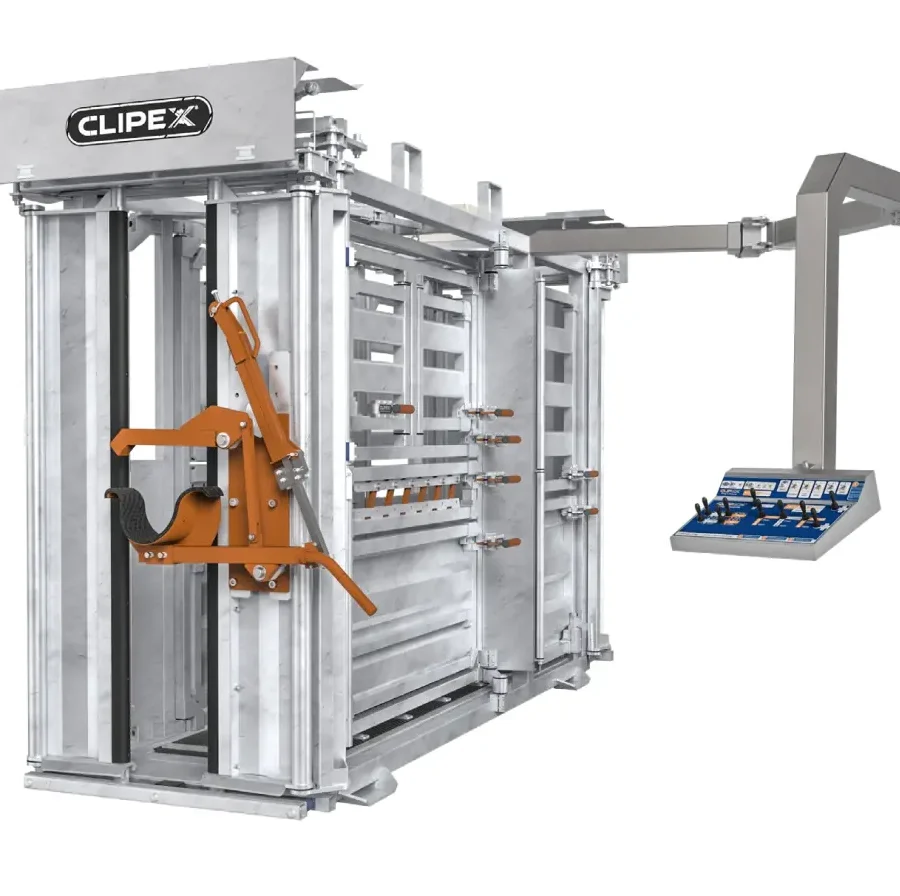
Are heavy-duty cattle crushes worth it? – Investing in cattle crushes as part of their cattle handling equipment is one of the most important decisions a livestock farmer will make. It affects safety, efficiency, labour, animal welfare, and long‑term profitability. But with so many options on the market, from standard manual crushes to premium heavy‑duty models like the Clipex HD and Clipex HDX Series, it’s natural to ask the question: are heavy‑duty cattle crushes really worth the extra investment?
For many UK beef and dairy farms, the answer is increasingly yes. As cattle get larger, labour becomes tighter, and handling demands grow, the benefits of a heavy‑duty crush often outweigh the initial cost. This guide breaks down the real‑world advantages, the financial implications, and the situations where stepping up to a heavy‑duty model makes the most sense.
What Makes a Crush a “Heavy‑Duty Crush”?
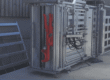
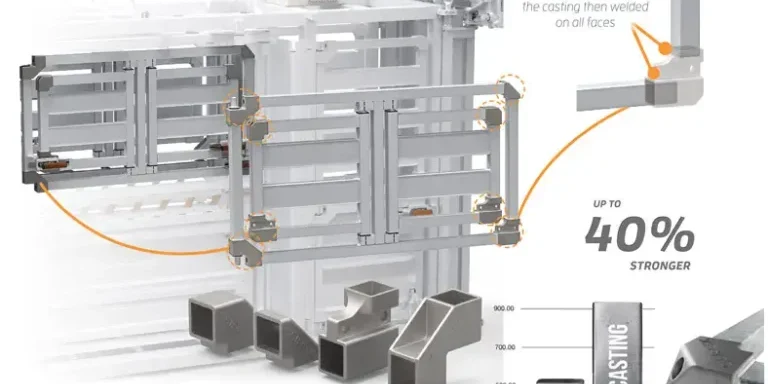
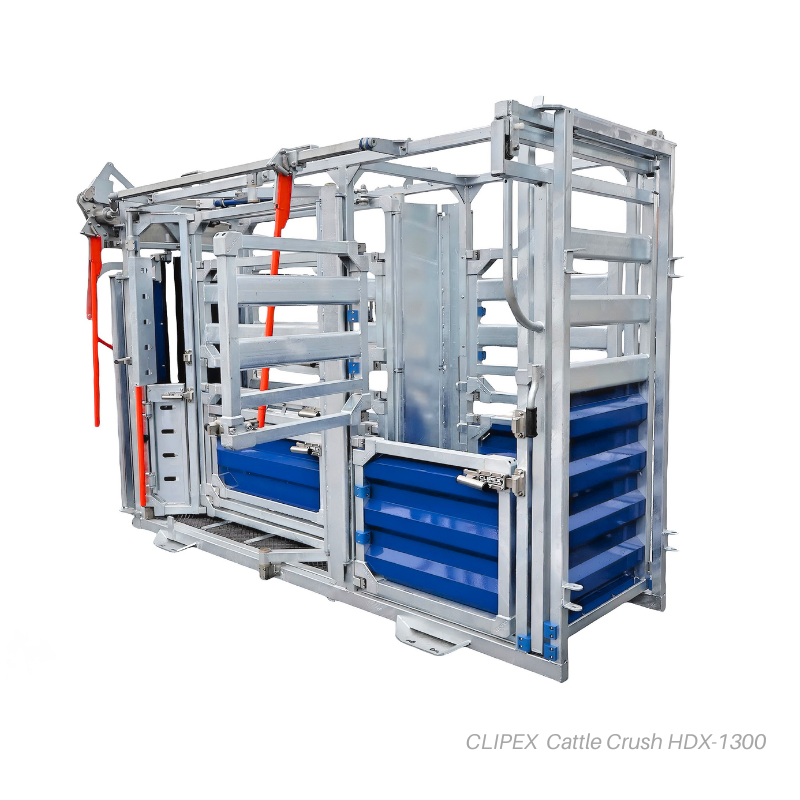
Heavy‑duty cattle crushes aren’t just a stronger version of a standard model – it’s engineered for high‑pressure, high‑frequency handling. Key features typically include:
- Reinforced steel frames and uprights
- Stronger welds and structural bracing
- High‑strength head bails
- Anti‑backing systems designed for powerful cattle
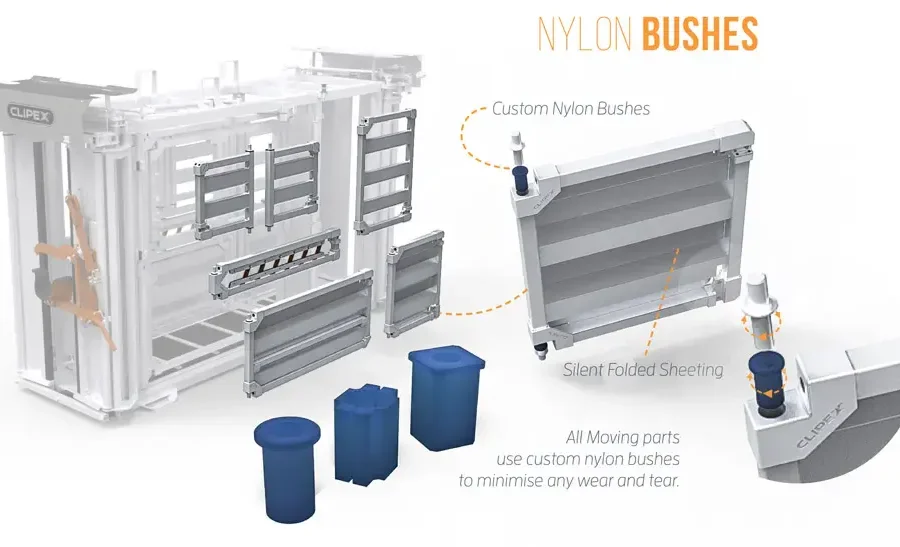
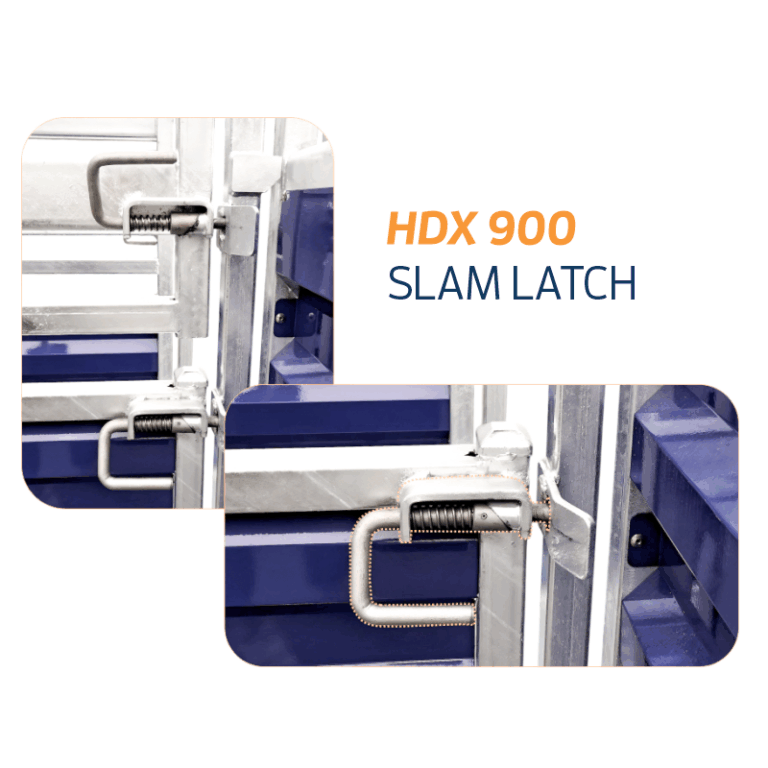
- Quiet, low‑stress latching mechanisms
- Optional hydraulic operation
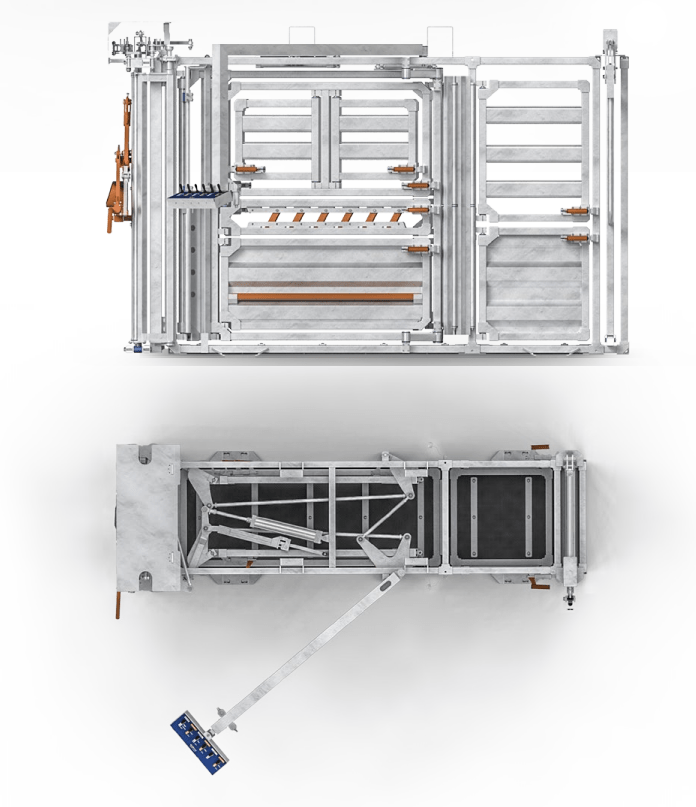
- Enhanced side access for veterinary work
- Longer service life under heavy use
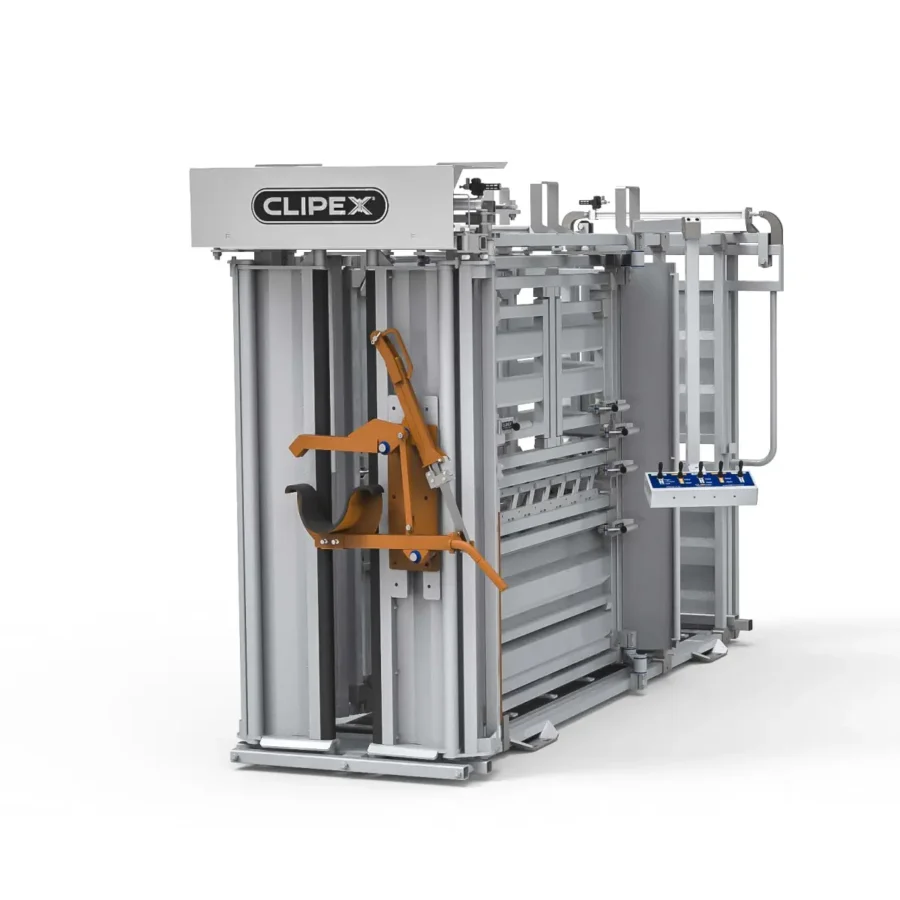
In ranges like the Clipex HD or HDX Series, these upgrades translate into crushes that can withstand years of demanding work with minimal wear.
Why Heavy‑Duty Cattle Crushes Are Becoming More Popular in the UK
UK cattle have changed. Modern beef breeds, and even dairy cows, are significantly larger and stronger than they were 20 years ago. Handling expectations have also shifted, with more emphasis on:
- TB testing
- Mobility scoring
- Foot trimming
- Routine health checks
- AI and fertility work
- Data collection and weighing
A crush that was “good enough” a decade ago may now struggle to cope with the size, strength, and frequency of handling required.
Cost‑Benefit Breakdown: Are Heavy‑Duty Cattle Crushes Worth It?
Let’s look at the real‑world benefits of heavy-duty crushes and how they translate into value for UK farms.
1. Safety: The Most Important Factor
Heavy‑duty cattle crushes dramatically reduce the risk of injury for both cattle and handlers. Stronger frames, reliable locking systems, and stable construction prevent dangerous movement and reduce the chance of accidents.
Benefits for beef farms
- Better control of large, lively finishing cattle
- Safer handling of suckler cows with calves at foot
- Reduced risk when working with bulls (model‑dependent)
Benefits for dairy farms
- Safer foot trimming and mobility scoring
- Better restraint for large Holsteins and cross‑breeds
- Reduced stress during frequent handling
Financial impact: Avoiding even one serious injury to staff or cattle can justify the cost of a heavy‑duty crush.
2. Durability and Long‑Term Value
Heavy‑duty cattle crushes are built to last. Reinforced steel, stronger welds, and premium components mean they can withstand years of daily use without bending, cracking, or wearing out.
Why this matters
- Standard crushes may need replacing every 5–10 years
- Heavy‑duty cattle crushes often last 15–20+ years
- Lower maintenance costs over time
- Higher resale value
Financial impact: A heavy‑duty crush may cost more upfront, but the cost per year of use is often significantly lower.
3. Efficiency and Labour Savings
Time is money, especially on farms with limited labour. Heavy‑duty crushes both manual crushes and pneumatic crushes, include features that speed up handling and reduce physical effort.
Efficiency benefits
- Faster head bail capture
- Smoother operation
- Better cattle flow
- Hydraulic options reduce operator fatigue
- Improved access speeds up treatments
For dairy farms
Frequent handling (AI, foot trimming, mobility scoring) makes efficiency essential. A heavy‑duty crush with hydraulic operation can save hours every week.
For beef farms
Large groups can be processed faster, reducing cattle stress and improving throughput.
Financial impact: Saving even 10–15 minutes per handling session adds up quickly across a year.
4. Better Animal Welfare
Low‑stress handling is now a priority for both beef and dairy producers. Heavy‑duty crushes are designed with welfare in mind:
- Quiet latches
- Smooth edges
- Non‑slip flooring
- Secure, stable restraint
- Reduced bruising and injury
Calmer cattle move better, handle better, and perform better.
Financial impact: Improved welfare reduces stress‑related losses and improves productivity.
5. Future‑Proofing Your Handling System
A heavy‑duty crush is a long‑term investment that supports future cattle handling system upgrades:
- EID integration
- Weighing systems
- Drafting units
- Hydraulic controls
- Full cattle yard redesigns
Choosing a heavy‑duty model now prevents the need for costly replacements later.
HD vs HDX: Which Heavy‑Duty Crush Is Right for You?
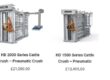
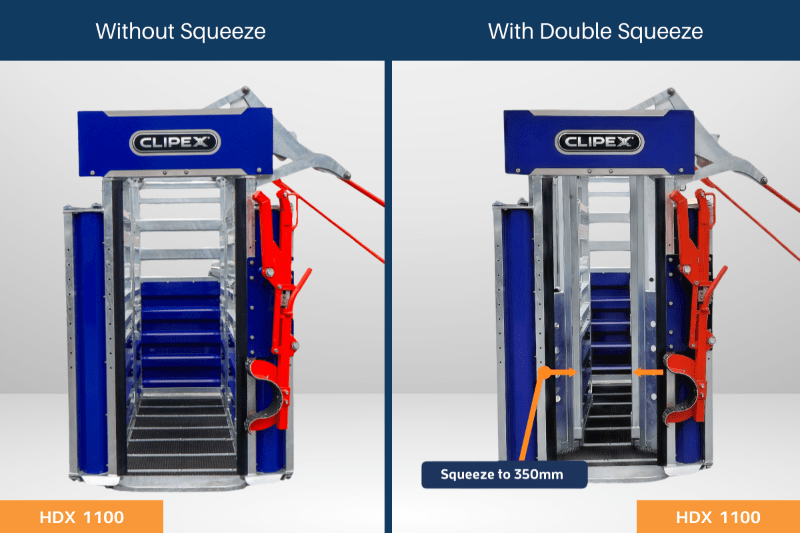
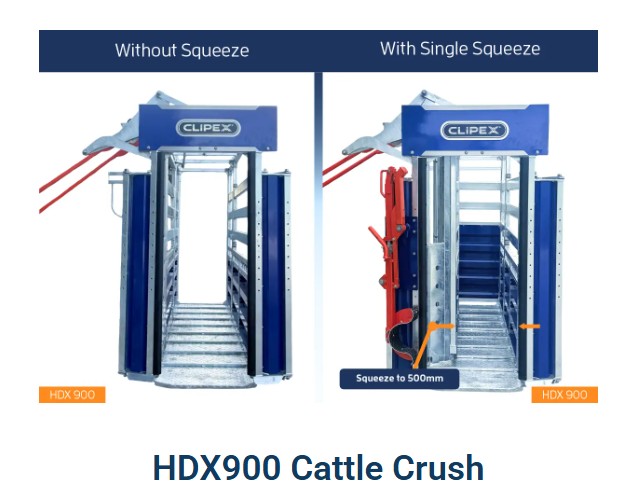
The Clipex HD Series and Clipex HDX Series are two of the most popular heavy‑duty options in the UK. Here’s how they compare:
Clipex HD Series
Best for:
- Small to medium beef farms
- Dairy farms with moderate handling frequency
- Mixed herds
- Farms wanting heavy‑duty strength at a lower price point
Clipex HDX Series
Best for:
- Large beef finishing units
- High‑throughput dairy farms
- Farms handling big, strong cattle
- Producers wanting hydraulic operation
- Units where speed and safety are top priorities
If you handle cattle frequently, work with large animals, or want a crush that will last decades, the HDX is often the better long‑term investment.
How to Handle Large, Strong or Aggressive Cattle Safely
So, Are Heavy‑Duty Crushes Worth It?
For most UK beef and dairy farms, yes, Heavy-duty crushes offer excellent long‑term value. The combination of safety, durability, efficiency, and welfare benefits makes them a smart investment that pays for itself over time.
⚠️ IMPORTANT: FETF 2026 DEADLINE
The application window for the Farming Equipment and Technology Fund (FETF) 2026 is strictly time-limited.
Window Closes: Midday on 28th April 2026.
Our Recommendation: To ensure your bespoke yard design and itemised quotes are ready for submission, please request your quotes by 21st April 2026. Applications submitted in the final 48 hours often face technical delays on the RPA portal.
FETF 2026 Success Guide & Item Code Cheat Sheet
Avoid costly mistakes, get the correct specs, and improve your chances of a successful FETF application.
Bullet points:
- Includes key item codes (FETF60, FETF61 etc)
- Avoid common application mistakes
- Designed for cattle & sheep handling upgrades


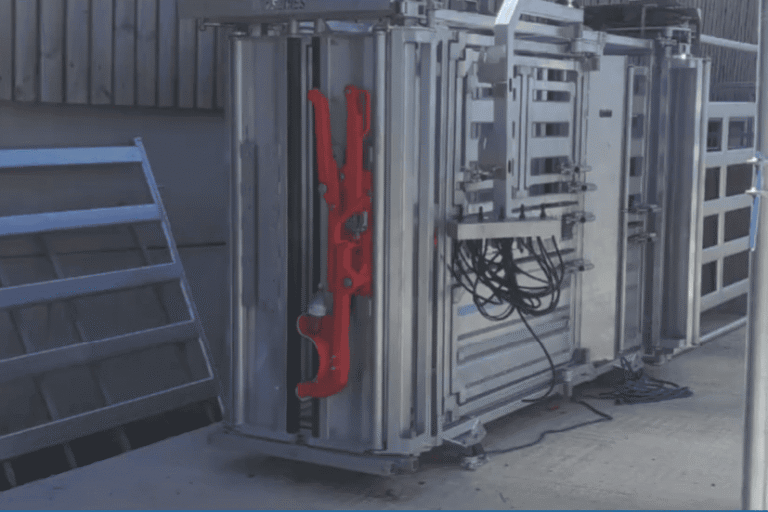
Cattle Crush Cost: Is a Premium Upgrade Worth the ROI?
If you are evaluating a new cattle crush or a…
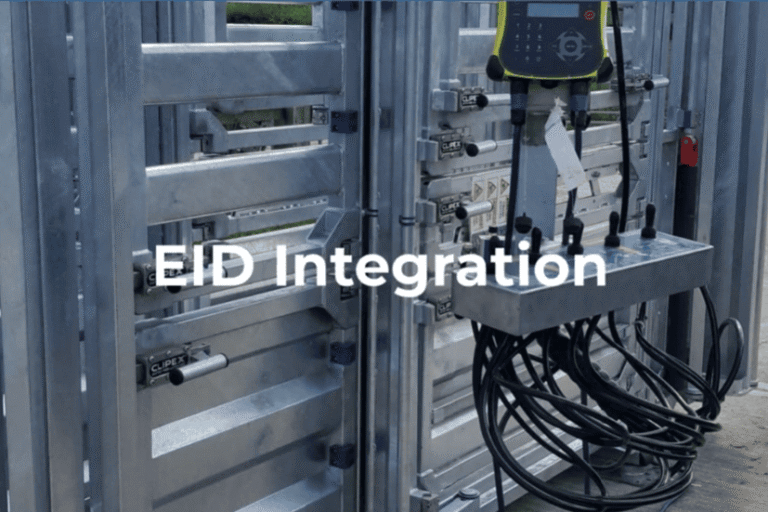
Cattle EID 2027: Your Farm’s Roadmap to a Smarter, Safer Future
The Dawn of a New Era in Cattle Traceability The…
The Best Equipment for Handling Cattle Alone
Labour shortages are one of the biggest challenges facing UK…
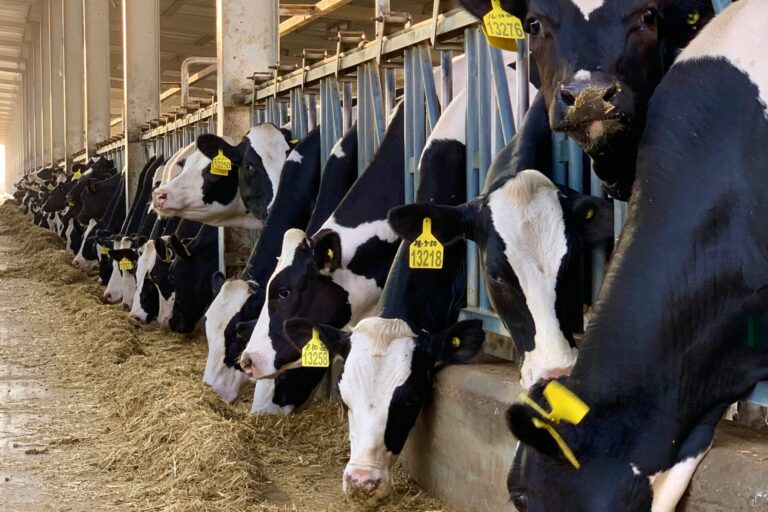
What Dairy Farms Should Look for in a Cattle Crush
Which cattle crush for dairy farms? Choosing the right cattle…
Preparing for the New Era: A Guide to Cattle EID in England (2027)
The Future of Cattle EID The landscape of British livestock…
FETF60 and FETF61 Cattle Crush Grants: Engineering Safety
FETF Cattle Crush Codes FETF60 & FETF61 The 2026 agricultural…
How to Maintain Your Cattle Crush for Long‑Term Performance
Maintain Your Cattle Crush For Longevity Cattle crushes are a…
Cattle Crush Selection for UK Farms: Integration That Works
Cattle Crush Selection UK Cattle Crush Selection UK Farms -…