
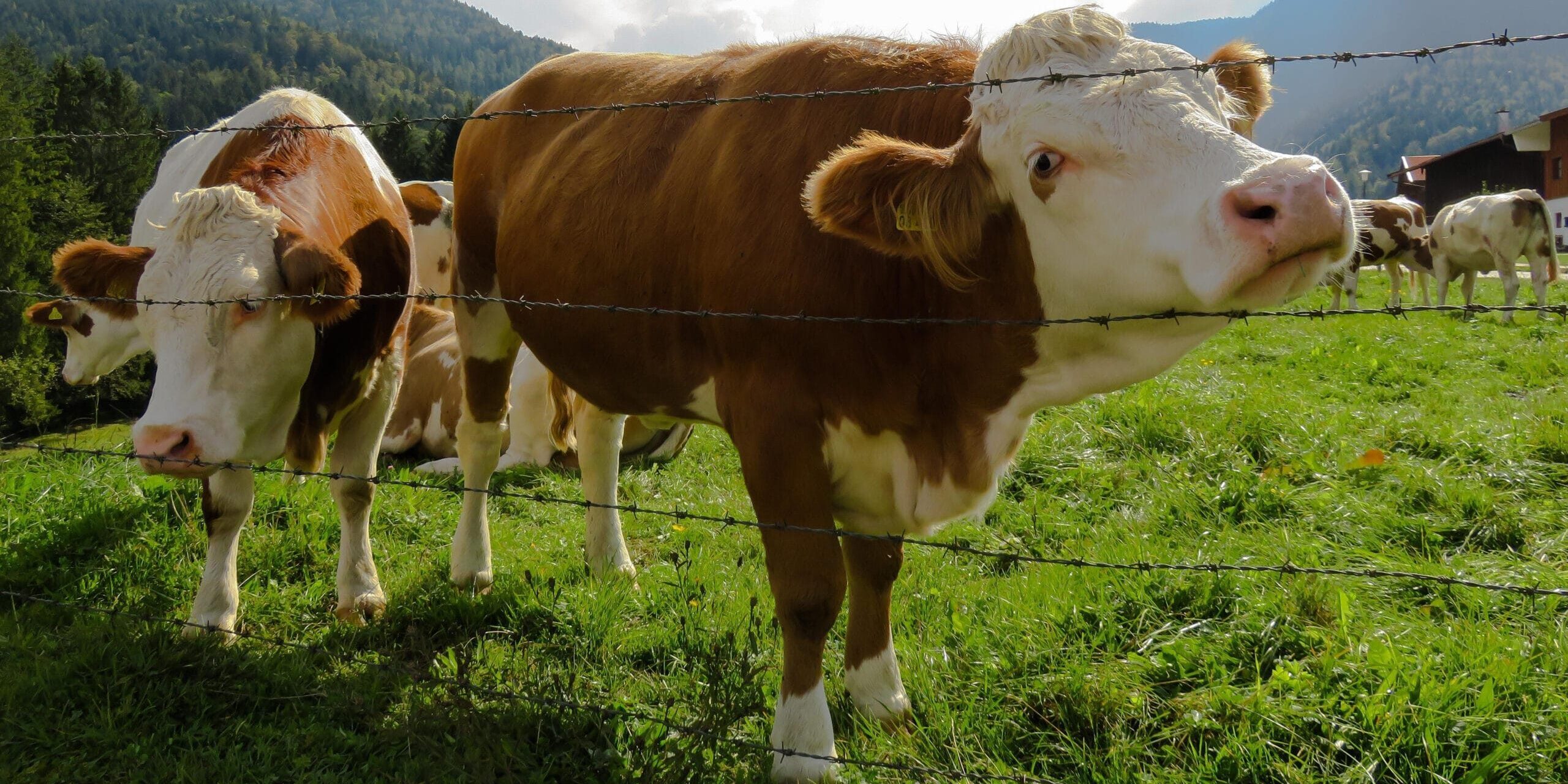
How to Handle Large, Strong or Aggressive Cattle Safely: Practical Advice for UK Farms
Handling cattle is a routine part of farm life, but when animals are large, strong, or showing signs of aggression, the risks increase dramatically. Whether you’re working with powerful beef animals, protective suckler cows, or big dairy cows during foot trimming or mobility scoring, safe handling depends on the right approach – and the right cattle handling equipment.
This guide explains how UK farmers can safely manage large or difficult cattle, the behavioural principles behind good handling, and how modern cattle handling systems, cattle crushes both manual crushes, and pneumatic crushes can reduce risk, improve efficiency, and protect both livestock and handlers.
Understanding Why Cattle Become Difficult to Handle
Cattle are prey animals with strong flight instincts. When they feel threatened, cornered, or confused, they may:
- Push forward or backwards
- Attempt to jump or climb
- Kick or swing their head
- Become vocal, restless, or unpredictable
Large beef animals and dairy cows can weigh 600-900kg, and even a small movement can injure a handler. Aggression is often a sign of fear, pain, or poor handling conditions – not “bad behaviour”.
Recognising the triggers helps prevent escalation.
Common causes of difficult behaviour
- Poor race design or tight corners
- Slippery floors
- Loud, sudden noises
- Shadows, bright light, or distractions
- Separation from herd mates
- Previous negative handling experiences
- Pain or discomfort (e.g., lameness, mastitis, injury)
Good handling starts with understanding these stressors and designing your system to minimise them.
1. Use the Right Cattle Handling Equipment
Safe handling begins with cattle equipment that is strong, reliable, and designed for the size and temperament of your cattle. Modern cattle handling systems are built around animal behaviour, encouraging calm movement and reducing the risk of injury.
Key equipment features that improve safety
- High, solid race sides to prevent climbing
- Anti‑backing devices to stop animals reversing
- Non‑slip flooring to reduce panic and falls
- Quiet latches and gates to minimise noise
- Smooth edges and rounded corners to prevent bruising
- Strong, reinforced frames for large or lively cattle
Systems designed with these principles help cattle move more willingly and reduce the risk of aggressive behaviour.
2. Choosing Between Manual Crushes and Pneumatic Crushes
The cattle crush is the heart of any handling system. When dealing with large or strong animals, the choice between manual Vs pneumatic crushes can make a significant difference.
Manual Crushes
Manual crushes remain popular because they are:
- Cost‑effective
- Reliable
- Simple to operate
- Suitable for most routine tasks
A well‑designed manual crush with a strong head bail, anti‑backing bar, and good side access is perfectly adequate for many beef and dairy farms. Heavy‑duty models (like the Clipex HD Series) offer the strength needed for big animals without the price tag of a pneumatic system.
Pneumatic Crushes
Pneumatic (air‑powered) crushes offer:
- Faster, smoother operation
- Reduced physical effort
- Quieter, low‑stress handling
- Better control of large or lively cattle
- Improved safety for handlers
Pneumatic crushes are particularly valuable for:
- High‑throughput beef units
- Large dairy herds with frequent handling
- Farms with limited labour
- Foot trimming and veterinary work
Their ability to restrain cattle quickly and quietly makes them ideal for animals that are strong, unpredictable, or easily stressed.
3. Design Your Cattle Handling System Around Flow
Even the best crush won’t solve handling problems if the system leading into it is poorly designed. Good cattle handling systems use behavioural principles to encourage calm, natural movement and improve cattle flow.
Key design principles
- Curved races encourage forward movement
- Solid sides prevent distractions
- Gradual narrowing helps guide cattle into the crush
- Avoid right‑angle turns which cause hesitation
- Good lighting reduces shadows and fear points
- Non‑slip surfaces prevent panic
A well‑designed system reduces the need for shouting, pushing, or physical pressure, all of which can trigger aggressive responses.
4. Improve Handling Techniques
Even with the best equipment, safe handling depends on calm, consistent technique.
Best practice handling tips
- Work quietly and avoid sudden movements
- Use the animal’s flight zone and point of balance
- Keep cattle in small groups to reduce pressure
- Avoid isolating a single animal for too long
- Never stand directly behind or beside the head
- Allow cattle time to see where they are going
- Stay out of kick zones
Training staff in low‑stress handling techniques is one of the most effective ways to reduce aggression and improve safety, which is especially important when handling large, strong or aggressive cattle safely.
5. Recognise When an Animal Is Becoming Dangerous
Large or aggressive cattle often show early warning signs. Spotting these helps prevent accidents.
Warning signs include:
- Head held high
- Pawing the ground
- Tail flicking aggressively
- Turning sideways to appear larger
- Snorting or vocalising
- Refusing to move forward
- Swinging the head or shoulders
If an animal shows these behaviours, step back, reduce pressure, and allow it time to settle.
6. When to Upgrade Your Equipment
If you regularly handle large, strong, or unpredictable cattle, upgrading your cattle handling equipment may be essential.
Signs your current setup isn’t safe enough
- Cattle frequently turn or back up in the race
- Animals climb or jump at the sides
- Gates bend or flex under pressure
- Staff struggle to restrain animals
- Handling takes too long or requires too many people
- You avoid certain tasks because the system feels unsafe
In these cases, a heavy‑duty manual crush or a pneumatic crush can significantly improve safety and efficiency.
Final Thoughts on Handling Large, Strong or Aggressive Cattle Safely
Handling large, strong, or aggressive cattle safely requires a combination of good equipment, good system design, and good technique. Modern cattle handling equipment – from heavy‑duty manual crushes to advanced pneumatic crushes – is designed to reduce stress, improve control, and protect both cattle and handlers.
Investing in the right cattle handling system not only improves safety but also boosts efficiency, reduces labour, and supports better welfare across the herd.



1 Comment