
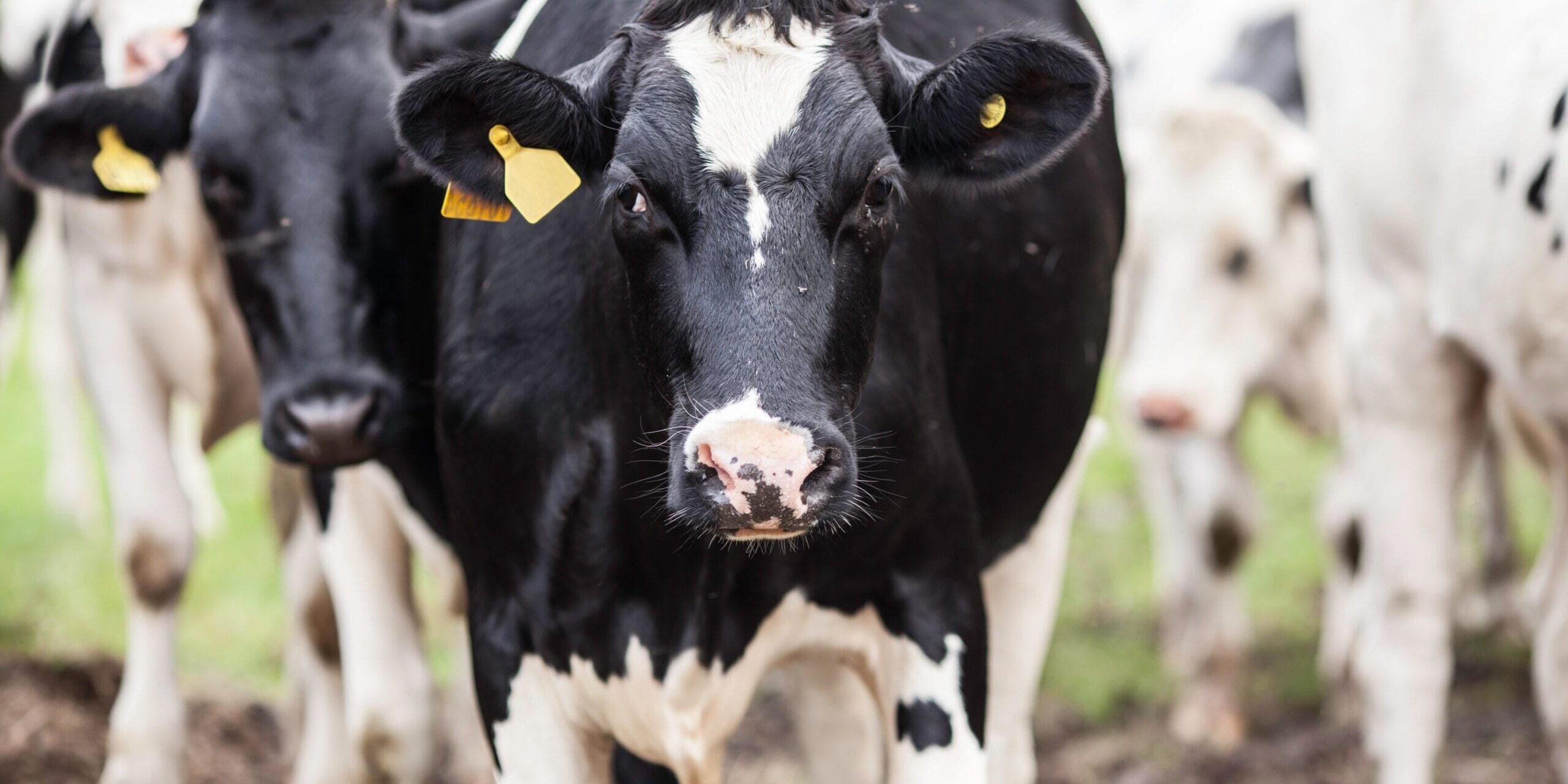
Designing a Handling System for Mixed Beef and Dairy Enterprises: Choosing the Right Crush and Equipment
Mixed beef and dairy enterprises are becoming increasingly common across the UK, with many farms running suckler cows alongside a milking herd, or finishing beef animals from dairy‑bred calves. While this diversification brings resilience and flexibility, it also poses unique challenges for designing safe, efficient cattle handling systems.
Beef and dairy cattle behave differently, grow differently, and require different types of routine handling. A system that works perfectly for a dairy herd may struggle with strong, lively beef animals – and vice versa. The key is designing a setup that accommodates both, supported by the right cattle handling equipment, from races and gates to cattle crushes, including manual crushes and pneumatic crushes.
This guide breaks down what mixed enterprises should prioritise, the best crush features for beef suckler herds, and how to choose between manual and hydraulic (pneumatic) crushes.
1. Understanding the Needs of Mixed Beef and Dairy Herds
Beef and dairy cattle have different handling profiles:
Dairy cattle
- Handled frequently (AI, foot trimming, mobility scoring, vet work)
- Generally calmer and more accustomed to people
- Require excellent side access for foot care
- Benefit from quiet, low‑stress cattle equipment
Beef cattle
- Handled less often
- Can be stronger, more reactive, and more unpredictable
- Require robust, heavy‑duty equipment
- Need secure races and strong anti‑backing systems
A mixed enterprise must therefore design a system that is:
- Strong enough for beef
- Efficient enough for dairy
- Safe for staff
- Flexible for different tasks
- Easy to operate with limited labour
2. Designing a Handling System That Works for Both Herds
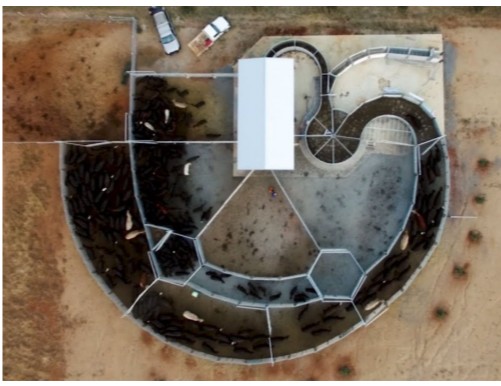
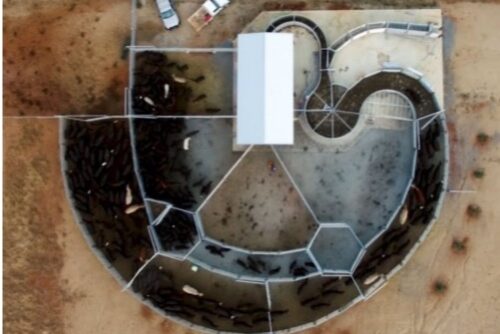
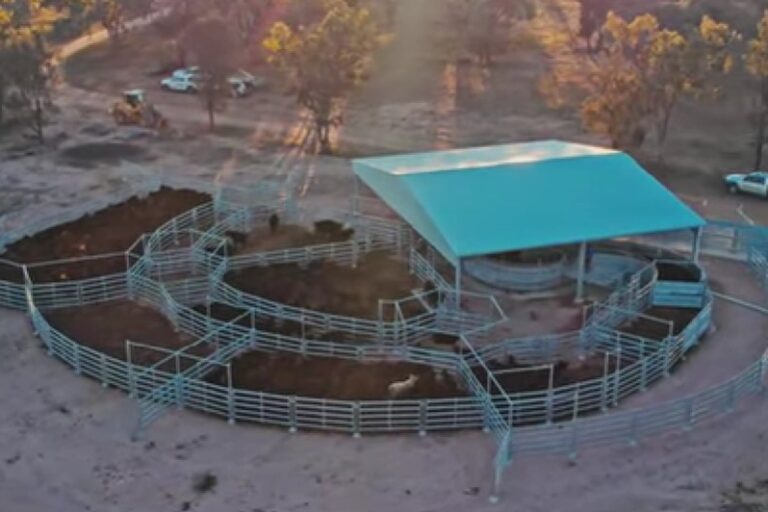
A well‑designed system reduces stress, improves safety, and speeds up routine work. For mixed herds, the layout must support both calm dairy flow and the more assertive behaviour of beef animals.
Key design principles
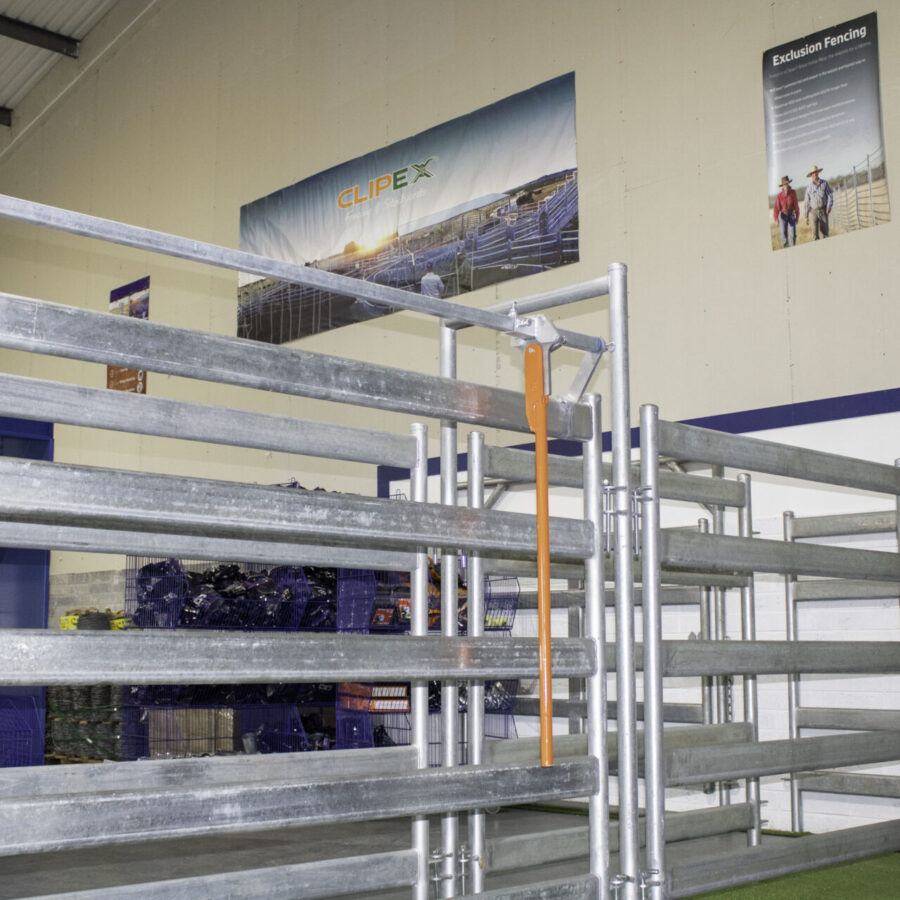
Solid race sides
Beef animals are more likely to baulk or attempt to escape if they can see movement outside the race. Solid sides improve flow for both beef and dairy.
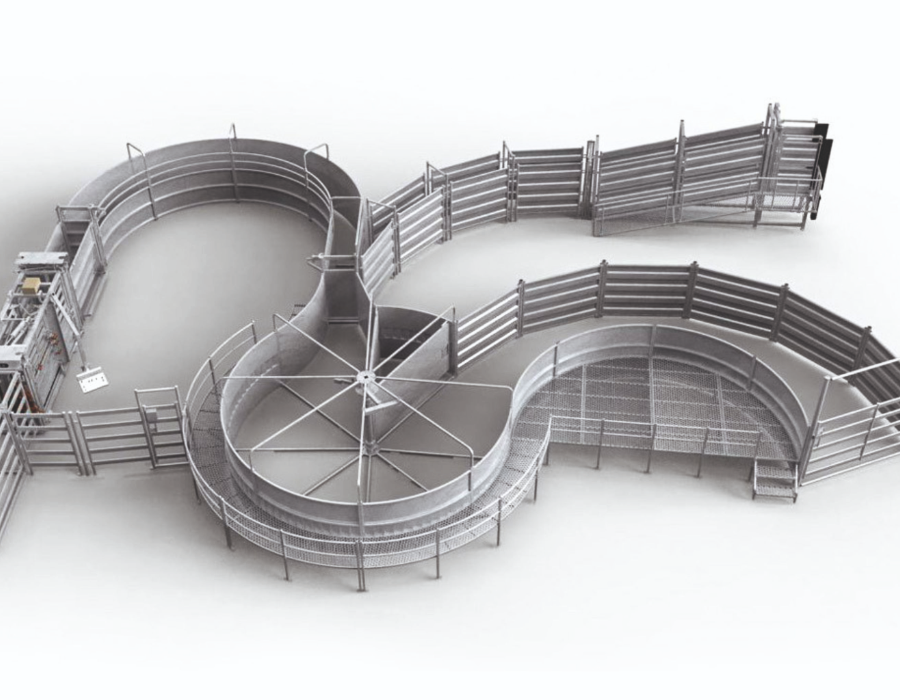
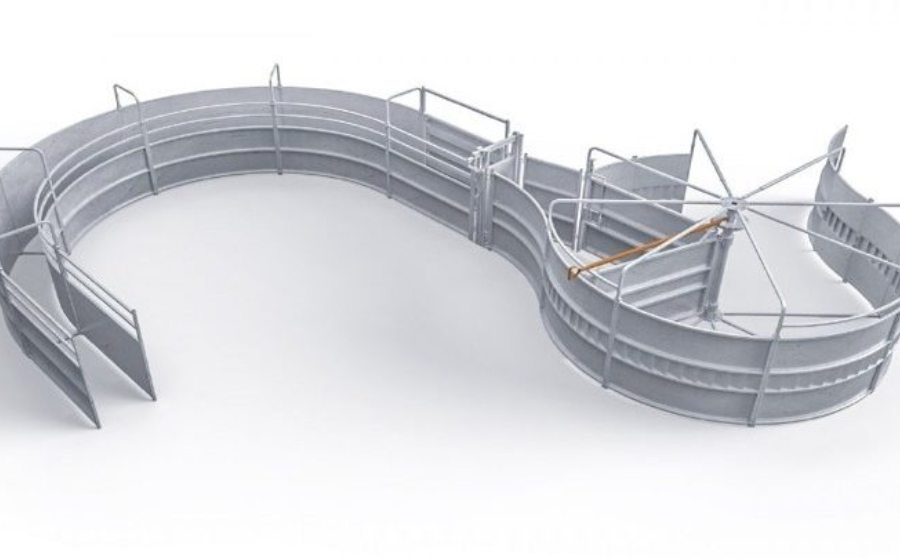
Curved or offset races
Cattle naturally follow curves. Curved races reduce hesitation and improve forward movement, especially for beef cattle.
Non‑slip flooring
Essential for dairy cows (to prevent slipping during foot care) and for beef animals that may push or turn sharply.
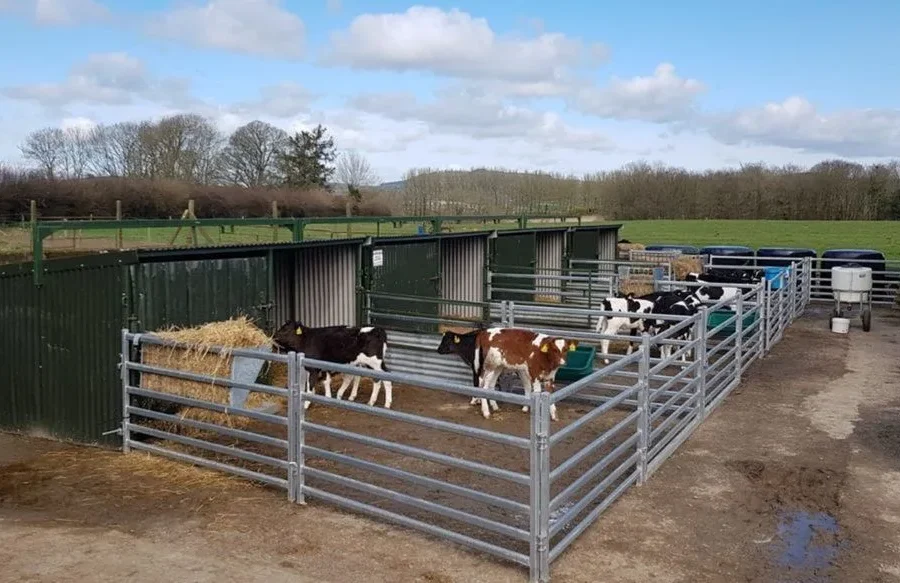
Safe holding pens
Mixed herds benefit from pens that allow:
- Sorting
- Grouping
- Safe movement of cows with calves
- Separation of dairy cows for foot trimming
Anti‑backing devices
Beef animals often reverse when stressed. Good anti‑backing systems improve flow and reduce risk.
Good lighting
Shadows cause hesitation. Dairy cows in particular respond well to bright, even lighting.
Cattle handling systems built around these principles will handle both herd types safely and efficiently.
3. The Best Crush Features for Beef Suckler Herds
Beef suckler cows – especially those with calves at foot – can be unpredictable, strong, and protective. A cattle crush for beef herds must prioritise strength, safety, and control.
Essential features for beef suckler herds
Heavy‑duty construction
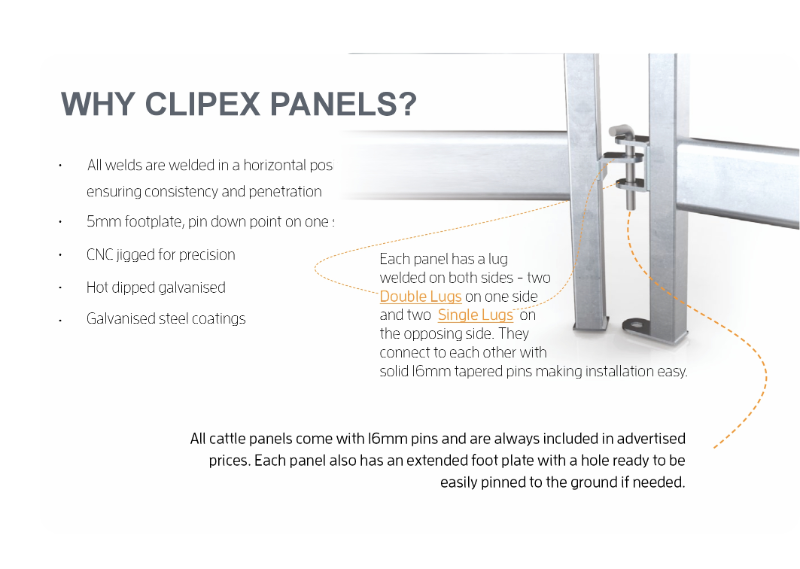
Beef animals exert more force than dairy cows.so heavy duty crushes with reinforced frames, strong welds, and robust head bails are essential.
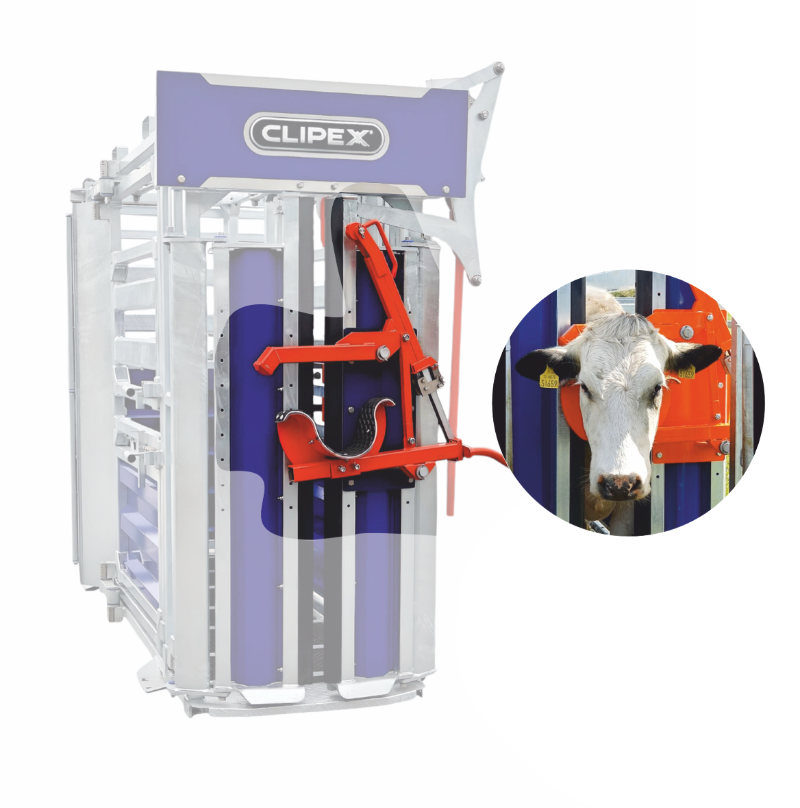
Reliable head bail with fast capture
Beef cattle often move quickly. A fast‑acting head bail improves safety and reduces stress.
Anti‑backing bar or ratchet system
Prevents animals reversing unexpectedly – a major safety risk.
High, solid sides
Stops climbing and reduces distraction.
Multiple access points
Beef herds require:
- Dosing
- Vaccination
- TB testing
- Pregnancy diagnosis
Good side access speeds up these tasks.
Quiet operation
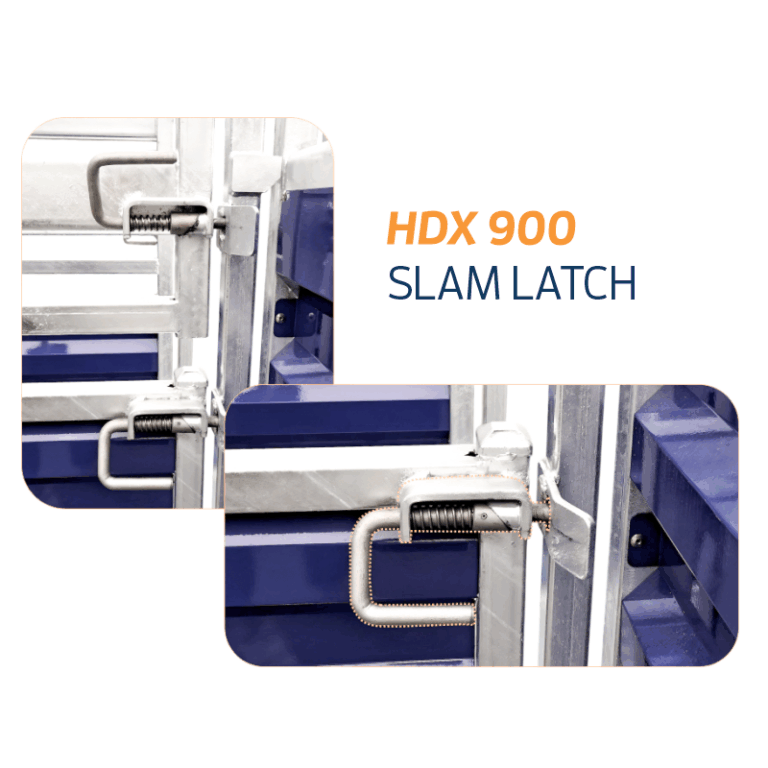
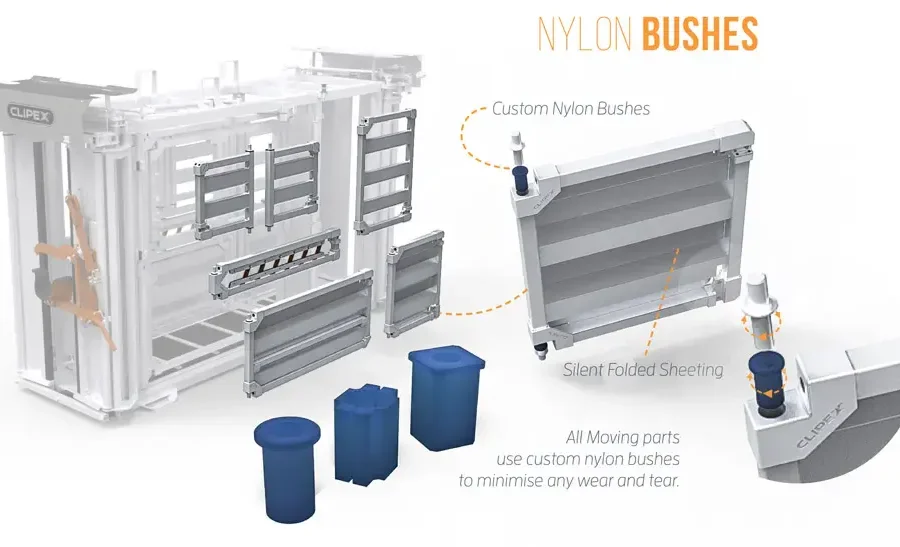
Beef cattle react strongly to noise. Quiet latches and smooth movement reduce agitation.
Optional hydraulic or pneumatic operation
For large beef units, hydraulics improve control and reduce operator fatigue.
4. Manual vs Hydraulic (Pneumatic) Cattle Crushes: Which Is Best for Your Farm?
Choosing between manual crushes Vs pneumatic crushes is one of the biggest decisions for mixed enterprises. Both have advantages, and the right choice depends on herd size, handling frequency, and labour availability.
Manual Crushes
Manual crushes remain popular across the UK because they are:
- Cost‑effective
- Simple to operate
- Reliable with minimal maintenance
- Suitable for both beef and dairy
- Strong enough for large animals (in heavy‑duty crush models)
Best for:
- Small to medium mixed farms
- Farms with moderate handling frequency
- Producers wanting a durable crush without the cost of hydraulics
- Beef herds where strength is more important than speed
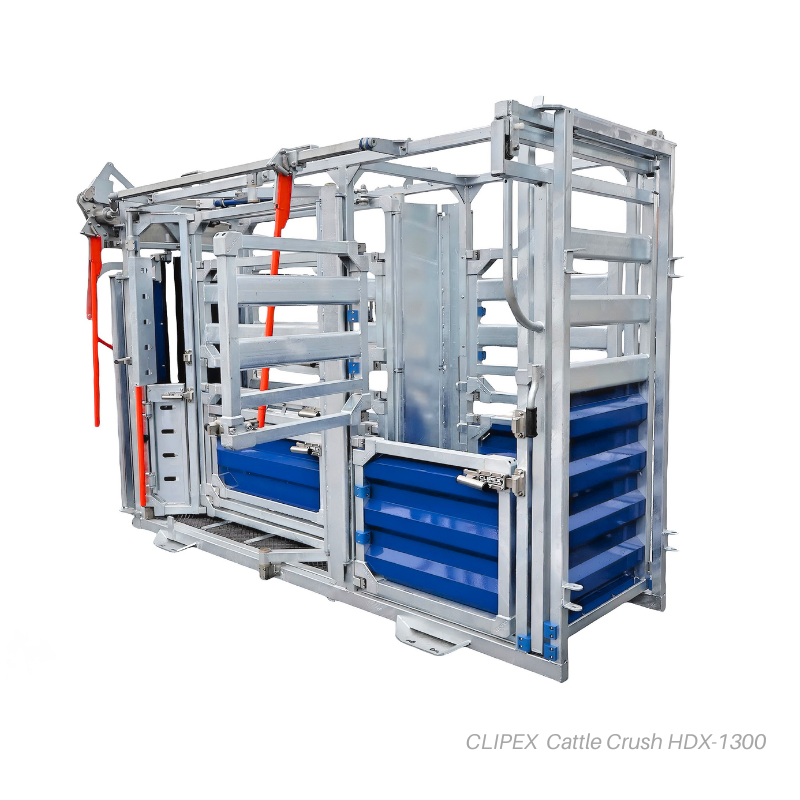
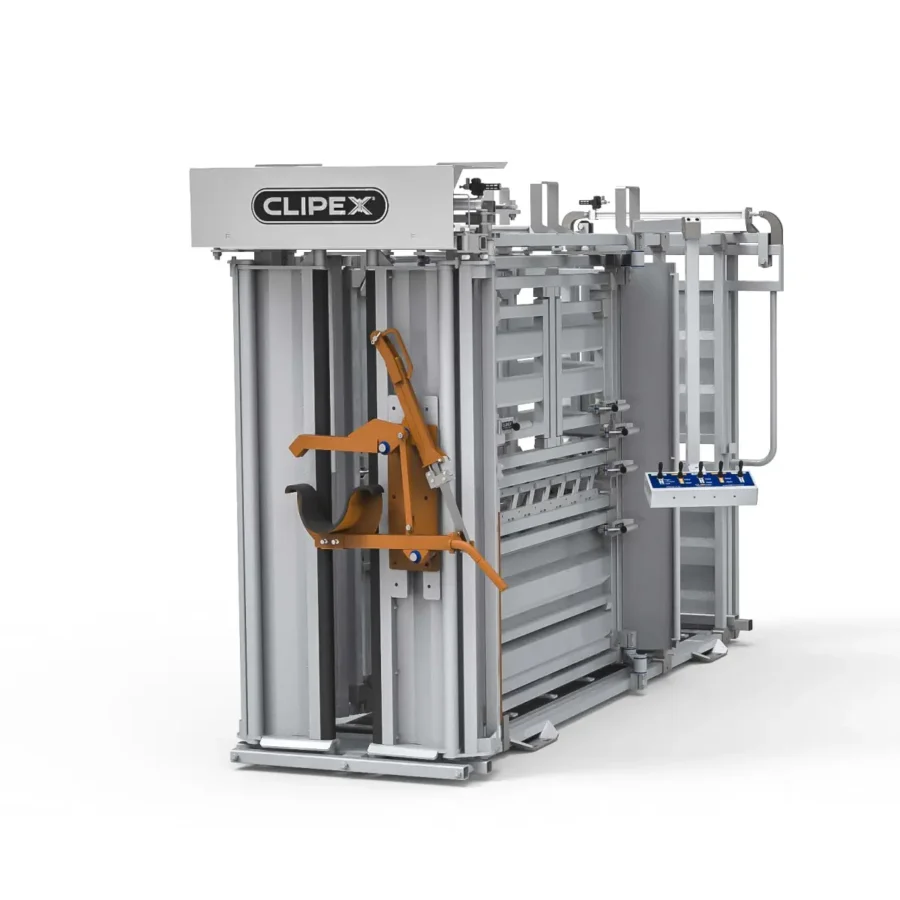
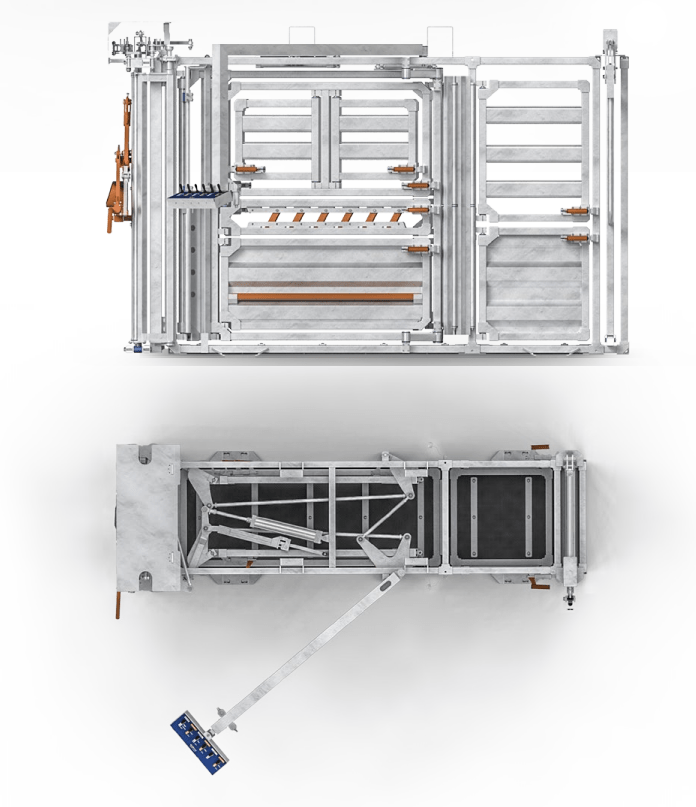
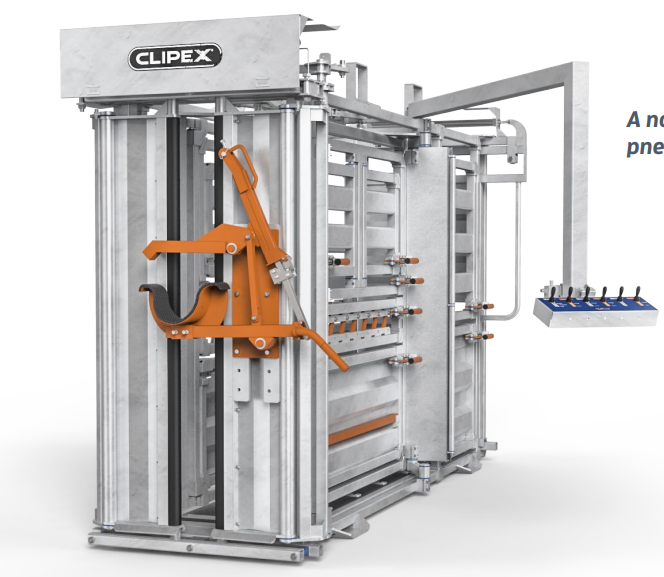
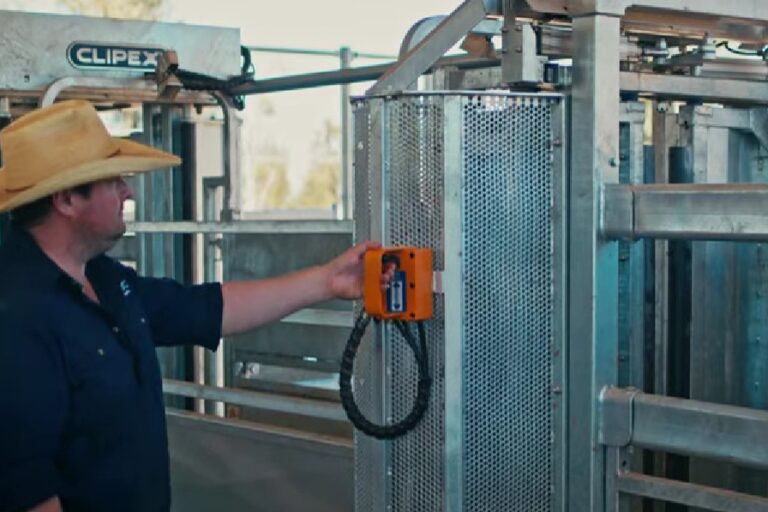
A heavy‑duty manual crush (e.g., Clipex HD) is often the ideal middle‑ground for mixed enterprises.
Pneumatic Crushes
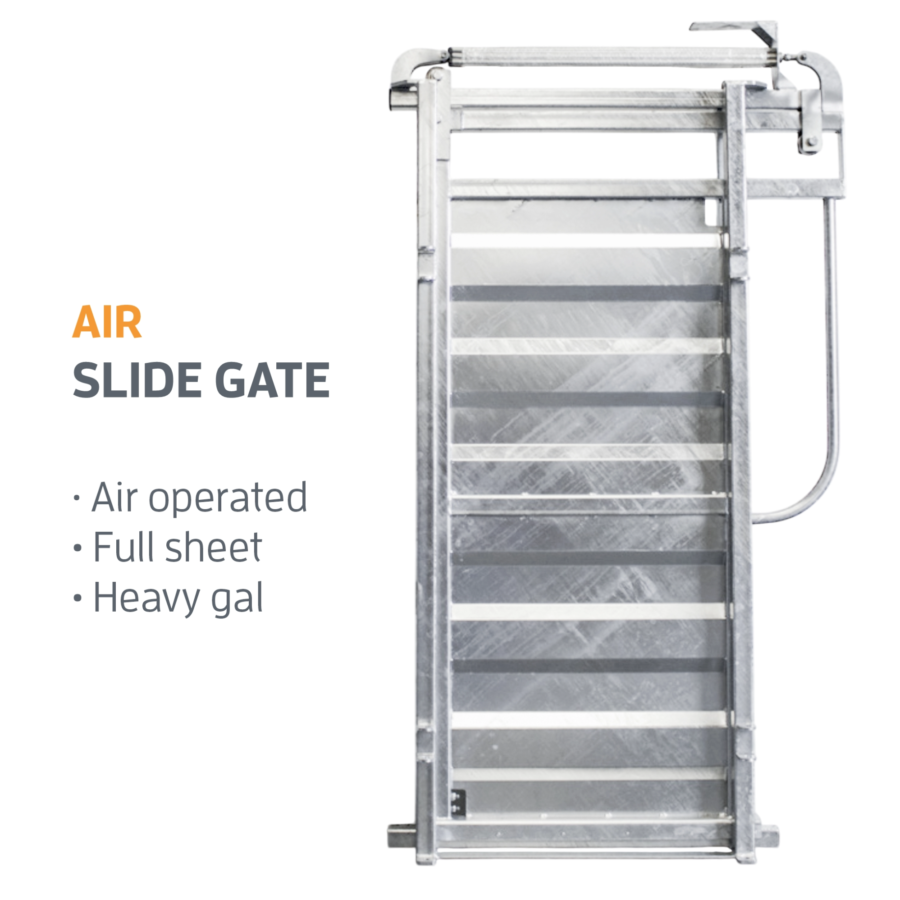
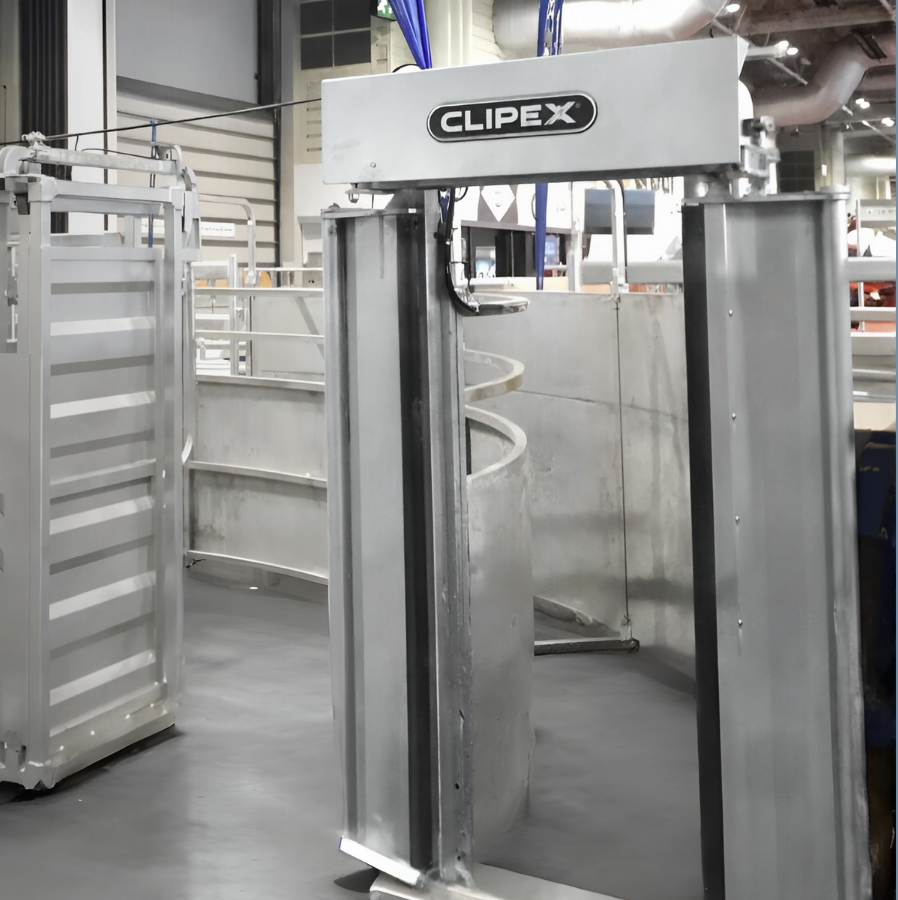
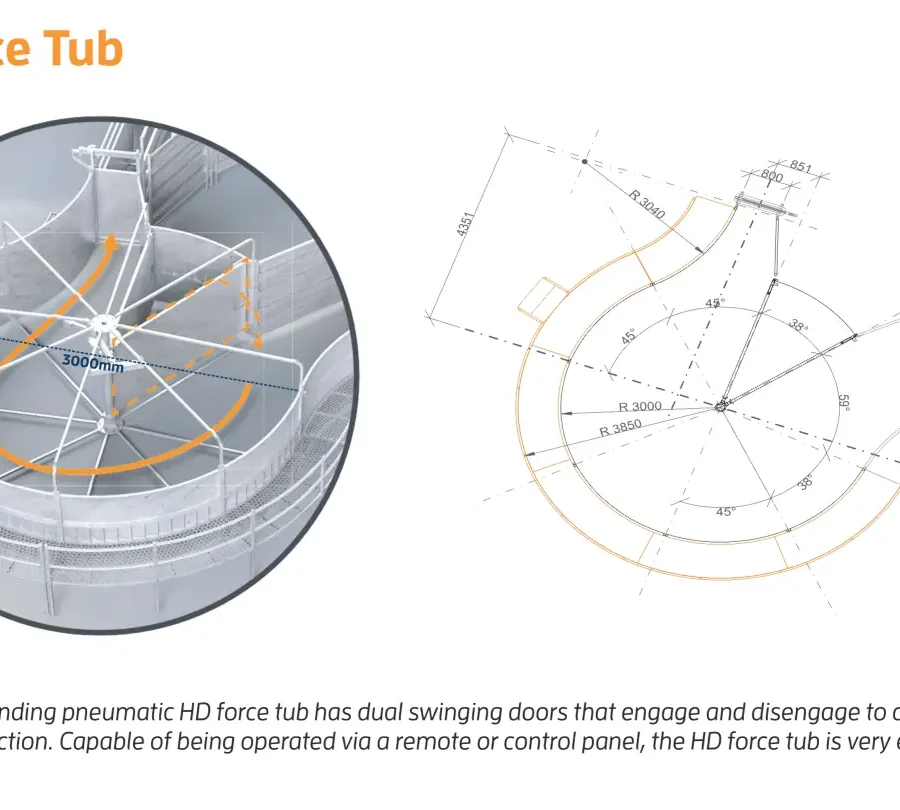
Pneumatic crushes use air power to operate gates, head bails, and side panels. They offer:
- Faster, smoother operation
- Reduced physical effort
- Quieter handling
- Better control of large or lively cattle
- Improved safety for staff
- Ideal performance for high‑throughput yards
Best for:
- Large dairy herds
- Mixed farms with frequent handling
- Beef units with big, strong cattle
- Farms with limited labour
- Foot trimming and veterinary work
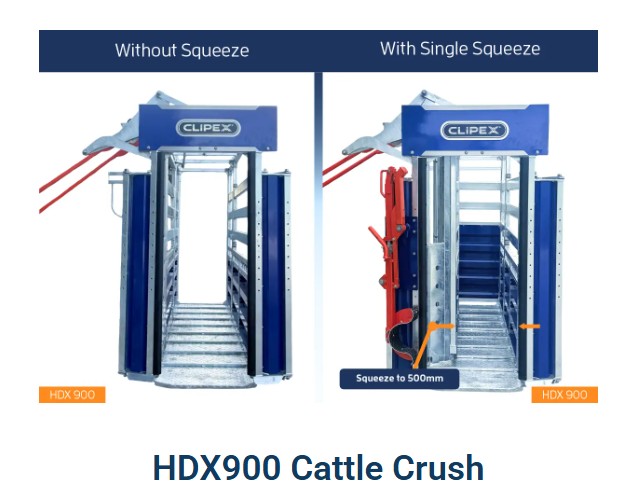
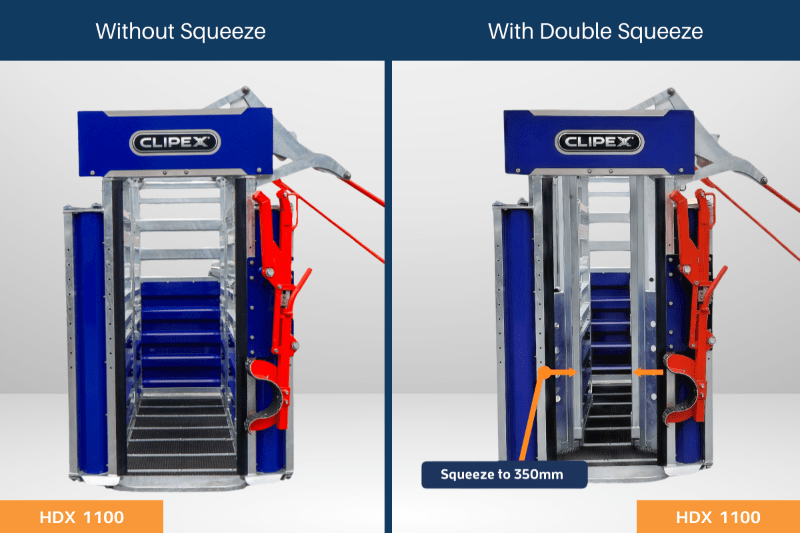
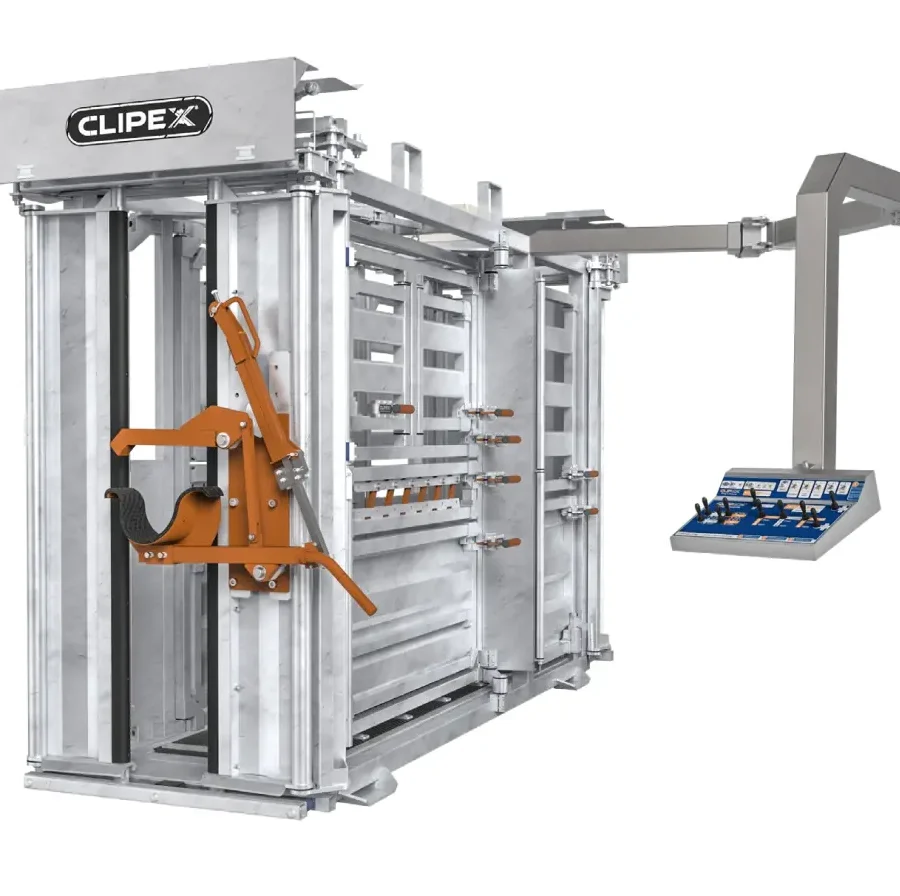
Pneumatic crushes (e.g., Clipex HDX hydraulic models) are the premium choice for farms prioritising efficiency and safety.
5. Final Recommendations for Mixed Beef and Dairy Enterprises
To design a system that works for both herd types:
Prioritise:
- Strength (for beef)
- Efficiency (for dairy)
- Safety (for staff and cattle)
- Low‑stress handling
- Good race design
- Non‑slip flooring
- Quiet operation
Choose a crush based on:
- Manual crushes for smaller or moderate‑throughput farms
- Pneumatic crushes for large herds, frequent handling, or limited labour
A well‑designed system supported by the right cattle handling equipment will improve safety, reduce stress, and make routine work faster and more efficient across both beef and dairy operations.








2 Comments