Which handling equipment is best for your farm: Manual vs Hydraulic Cattle Crushes
Manual vs Hydraulic Cattle Crushes – Choosing the right cattle crushes is one of the most important decisions any livestock farmer will make. Whether you’re running a beef, dairy, or mixed enterprise, the crush sits at the heart of your cattle handling system, influencing safety, efficiency, labour requirements, and animal welfare.
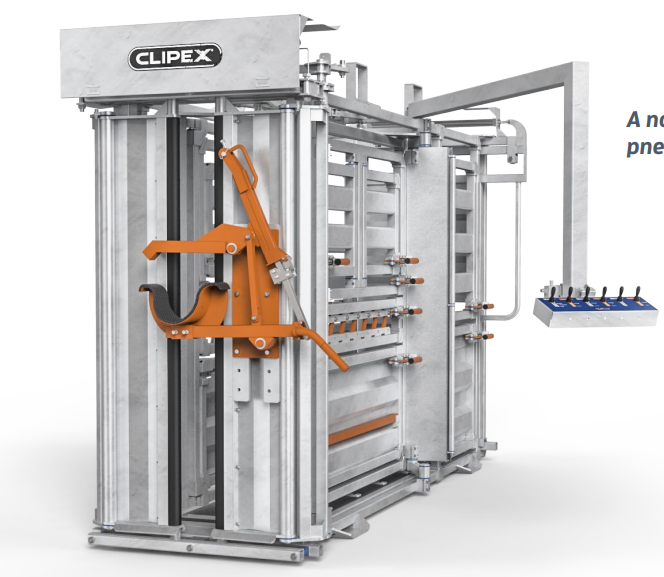
With modern cattle getting larger and handling demands increasing, many farmers are weighing up the pros and cons of manual vs hydraulic crushes (pneumatic)
Both manual crushes and pneumatic crushes have clear advantages, and the right choice depends on herd size, handling frequency, labour availability, and long‑term goals. This guide breaks down the differences, benefits, and considerations of Manual vs Hydraulic Cattle Crushes to help UK farmers choose the best option for their operation.
Understanding the Role of the Cattle Crush
A cattle crush is more than a piece of equipment, it’s a safety tool, a workflow tool, and a welfare tool. It must restrain cattle securely while allowing handlers to carry out essential tasks such as:
- TB testing
- Dosing and vaccination
- Foot trimming
- Mobility scoring
- AI and fertility work
- Weighing and EID data capture
- Veterinary procedures
Selecting the right cattle crush reduces stress, prevents injuries, and speeds up routine work. The wrong crush slows everything down and increases risk.
Manual Crushes: Reliable, Cost‑Effective and Farm‑Proven
Manual crushes remain the most common choice on UK farms. They are simple, robust, and suitable for a wide range of handling tasks. For many beef and dairy units, a well‑built manual crush provides all the functionality needed for safe, efficient handling.
Key advantages of manual crushes
1. Cost‑effective
Manual crushes are significantly cheaper than hydraulic or pneumatic models, making them ideal for smaller farms or those with limited budgets.
2. Simple to operate
No electrics, no compressors, no air lines – just reliable mechanical operation. This simplicity appeals to farmers who prefer low‑maintenance cattle handling equipment.
3. Durable and long‑lasting
High‑quality manual crushes, especially heavy‑duty crush models, can last decades with minimal maintenance.
4. Suitable for most routine tasks
Manual crushes are perfectly adequate for:
- TB testing
- Dosing
- Pregnancy diagnosis
- Routine vet work
- Mobility scoring
- Basic foot trimming
5. No power source required
Ideal for remote cattle yards, rented land, or mobile handling setups.
Limitations of manual crushes
While manual crushes are reliable, they do have limitations:
- Slower operation compared to hydraulic systems
- More physical effort required
- Less control over large or lively cattle
- Can be noisier, depending on latch design
- Not ideal for high‑throughput dairy or beef units
For farms handling cattle frequently or working with big, strong animals, these limitations can become bottlenecks.
Hydraulic (Pneumatic) Crushes: Fast, Quiet and High‑Efficiency
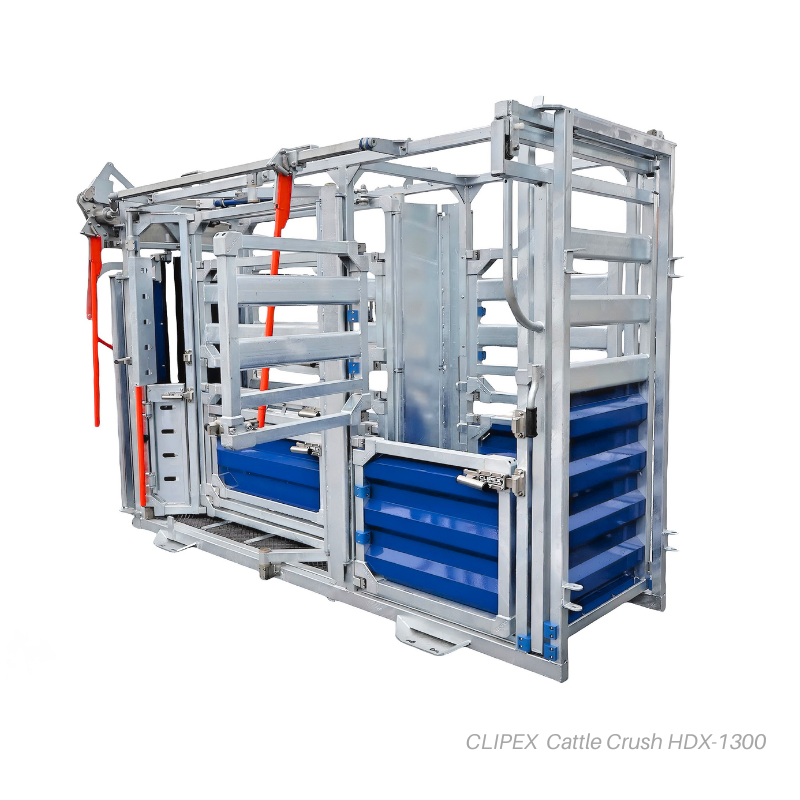
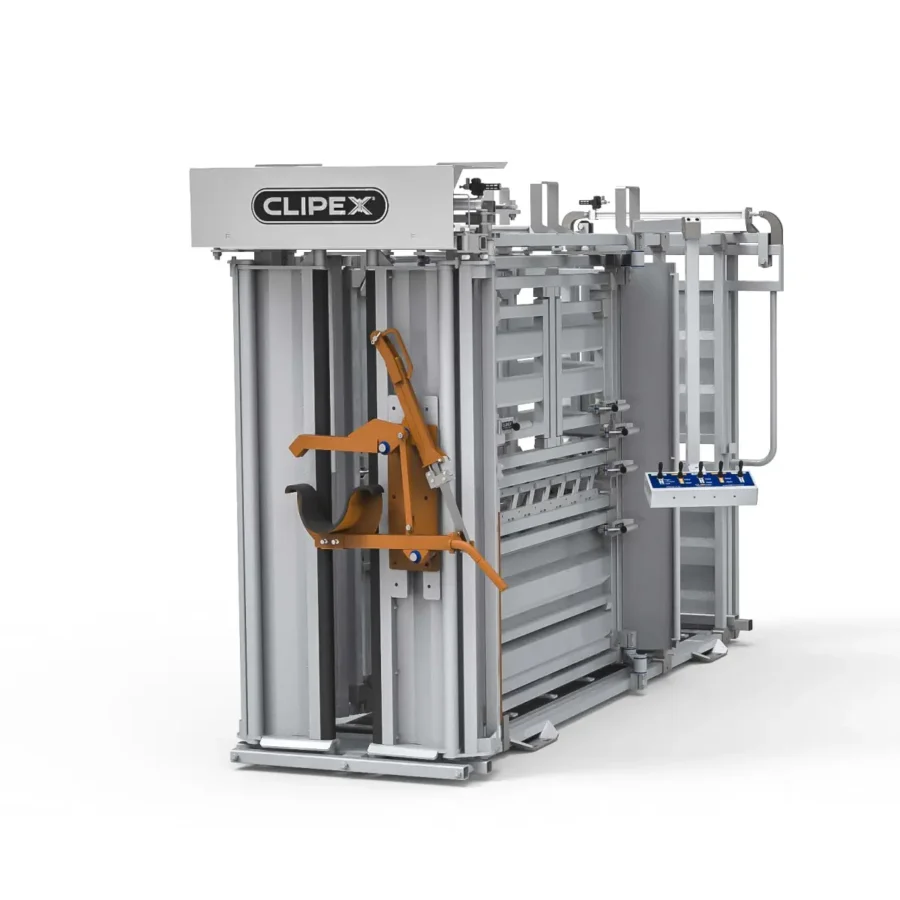
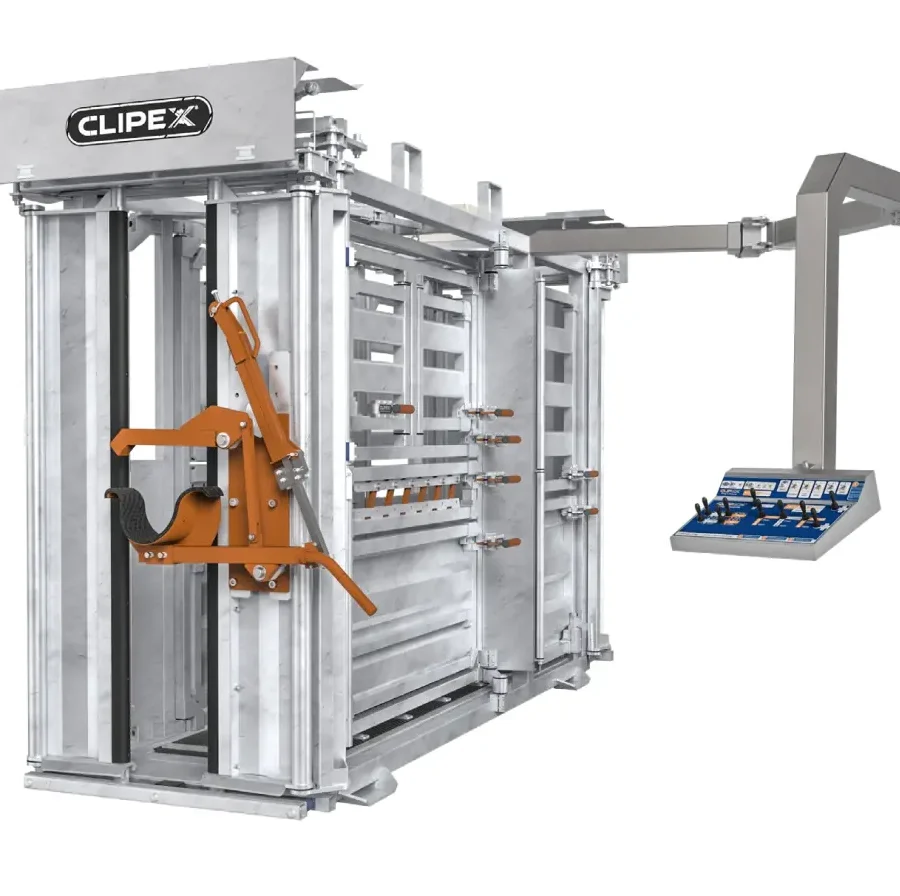
Hydraulic or pneumatic crushes use air or hydraulic power to operate gates, head bails, and side panels. They are designed for farms that need speed, precision, and reduced labour input.
Key advantages of hydraulic/pneumatic crushes
1. Faster, smoother operation
Hydraulic systems open and close gates quickly and quietly, improving cattle flow and reducing stress.
2. Reduced physical effort
No manual pulling or pushing – ideal for farms with limited labour or staff with reduced physical capacity.
3. Improved safety
Hydraulic control gives handlers better restraint over large or unpredictable cattle, reducing the risk of injury.
4. Ideal for high‑throughput systems
Large dairy herds and beef finishing units benefit from the speed and efficiency of hydraulic operation.
5. Excellent for foot trimming and vet work
Hydraulic side panels, head bails, and access points make specialist tasks easier and safer.
6. Quiet, low‑stress handling
Pneumatic crushes are significantly quieter than manual models, which is especially beneficial for dairy cows.
Limitations of hydraulic/pneumatic crushes
- Higher upfront cost
- Requires a power source or compressor
- More components to maintain
- Not ideal for remote or mobile setups
- Over‑specification for small herds
For some farms, the investment is easily justified. For others, a manual crush remains the more practical choice.
Which Is Best for Beef Farms?
Manual crushes are best for:
- Small to medium beef suckler herds
- Farms handling cattle infrequently
- Producers wanting a strong, reliable crush at a lower cost
- Mobile or remote handling setups
Hydraulic/pneumatic crushes are best for:
- Large finishing units
- Farms handling big, strong cattle
- Units with limited labour
- High‑throughput systems where speed matters
Beef cattle can be unpredictable and powerful. Hydraulic crushes offer superior control, but heavy‑duty manual crushes remain a strong option for many suckler herds.
Which Is Best for Dairy Farms?
Manual crushes are best for:
- Smaller dairy herds
- Farms with moderate handling frequency
- Producers wanting a durable, cost‑effective option
Hydraulic/pneumatic crushes are best for:
- Large dairy herds
- Farms doing frequent foot trimming, mobility scoring, and AI
- Units prioritising quiet, low‑stress handling
- Farms with limited labour
Dairy cows benefit from the quiet, smooth operation of hydraulic systems, especially during foot care and routine vet work.
Final Recommendations
Choosing between manual crushes and pneumatic crushes depends on your farm’s size, handling frequency, labour availability, and long‑term plans.
Choose a manual crush if you want:
- A cost‑effective, reliable solution
- Simple, low‑maintenance operation
- A crush suitable for moderate handling workloads
Choose a hydraulic/pneumatic crush if you want:
- Faster, smoother handling
- Reduced physical effort
- Better control of large or lively cattle
- A system built for high‑throughput environments
Both types play an essential role in modern cattle handling equipment, and the right choice will improve safety, efficiency, and welfare across your herd.
Take a look at this post if you’re thinking about applying for the FETF grant:
FETF 2026 Livestock Grant Guide: Secure 50% Funding
Read more useful guides: Grants & Funding | | Cattle Equipment Advice | Electronic Identification & Livestock Traceability | Bovine TB Prevention | Livestock Handling & Yard Design | Sheep Equipment Advice | Sheep Handling & Yard Design


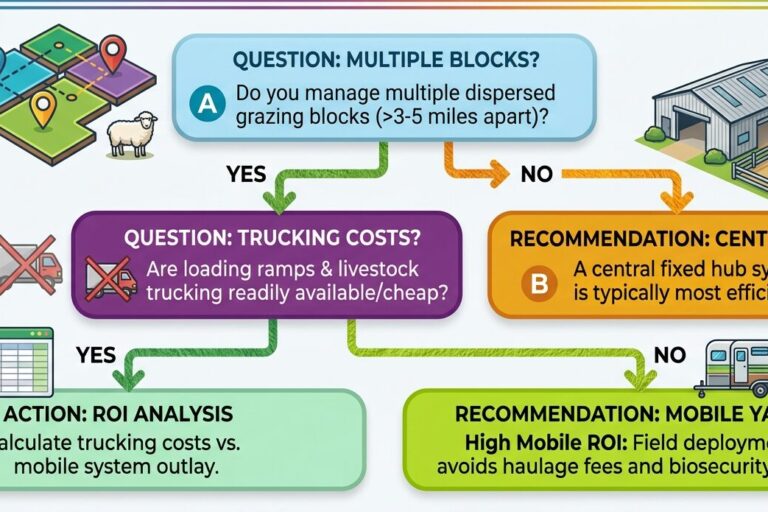
Mobile Sheep Yards: Towing, Setup Times & Field Logistics
Choosing between a permanent sheep handling system and a mobile…
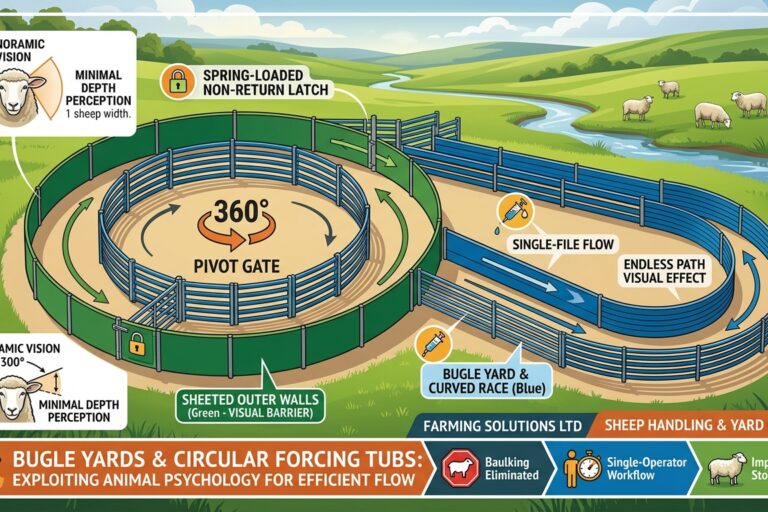
Bugle Yards & Circular Forcing Tub Design for Sheep
Bugle Yards & Circular Forcing Tub Design for Sheep |…
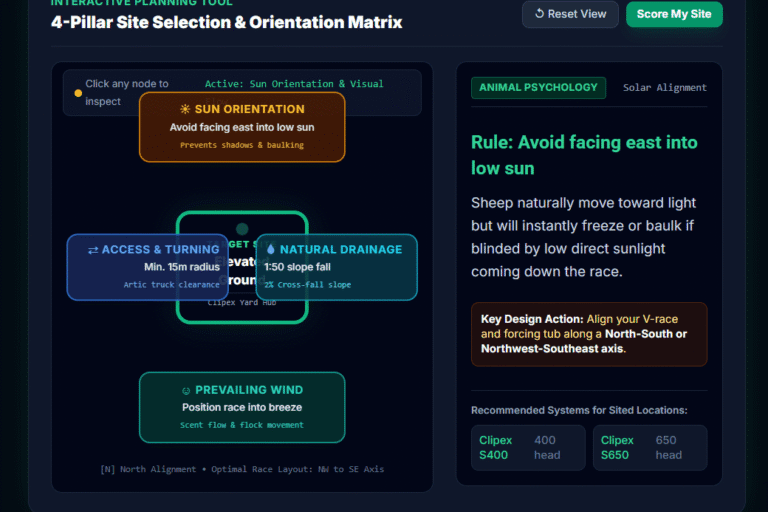
Ground Preparation & Pad Layout for Semi-Permanent Sheep Yards
Ground Preparation & Pad Layout for Semi-Permanent Sheep Yards |…
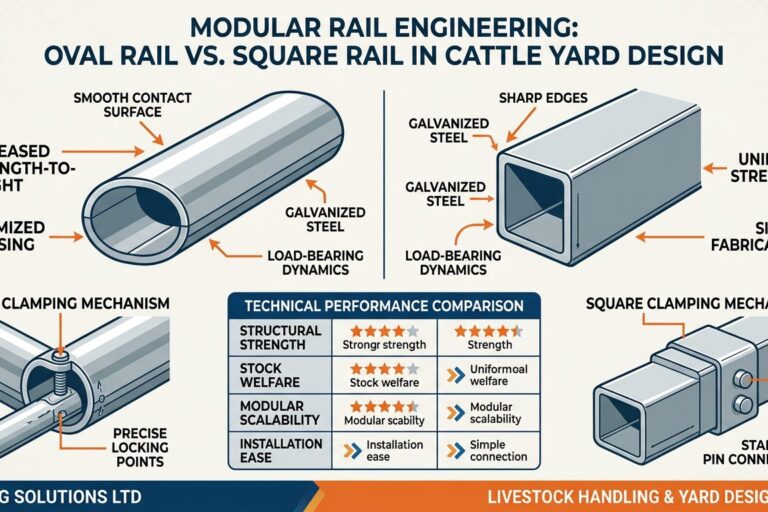
Modular Rail Engineering: Oval Rail vs. Square Rail in Cattle Yard Design
When designing a heavy-duty cattle handling facility, steel frame selection…
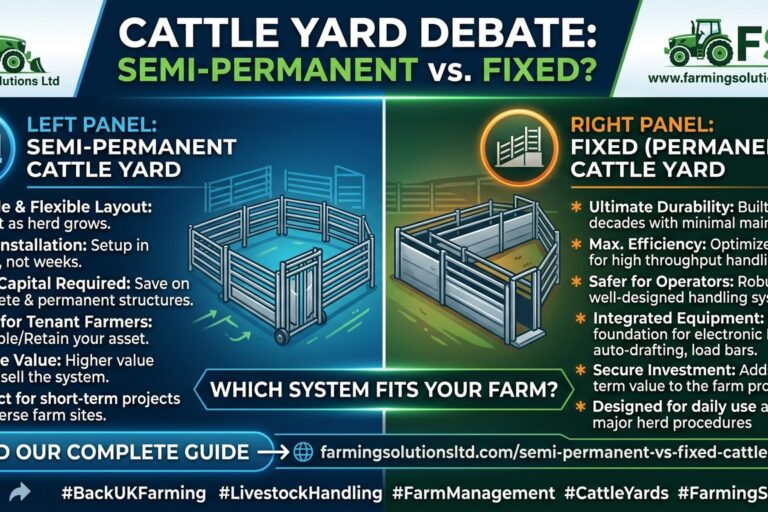
Semi-Permanent vs. Fixed Steel Cattle Yards: Which Is Right for Your Farm?
Semi-Permanent vs. Fixed Steel Cattle Yard Semi-Permanent vs. Fixed Steel…
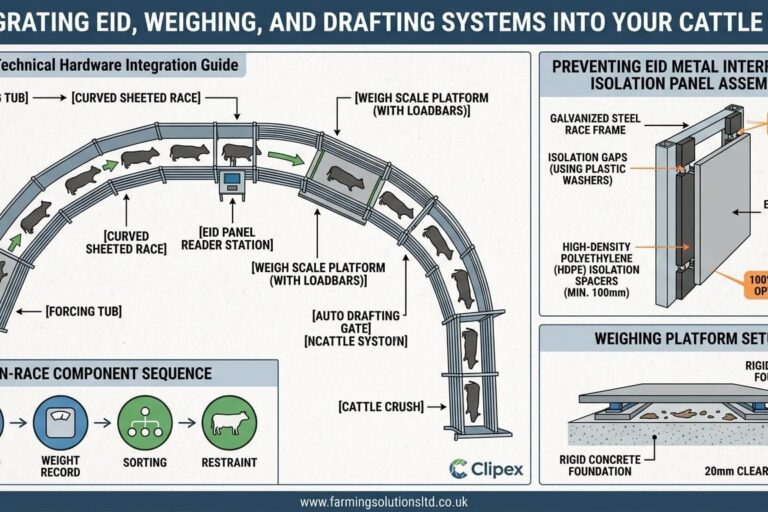
Integrating Weighing, EID Readers, and Drafting Gates into Your Cattle Race
EID Weighing Drafting Race Integration EID weighing drafting race integration…