
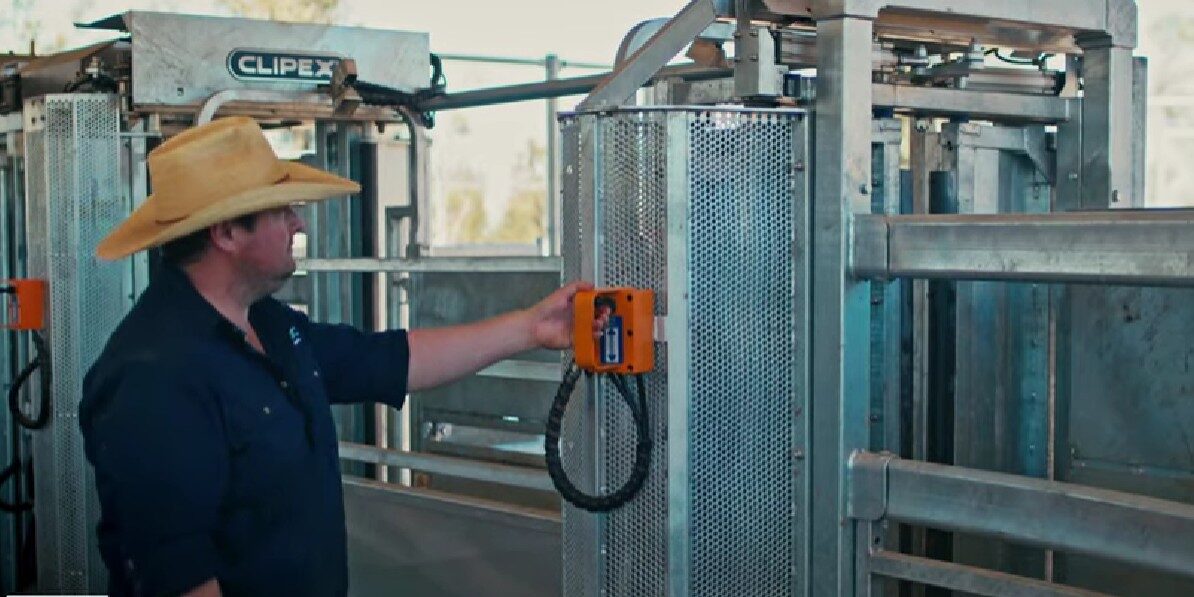
Designing a safe and efficient cattle handling system
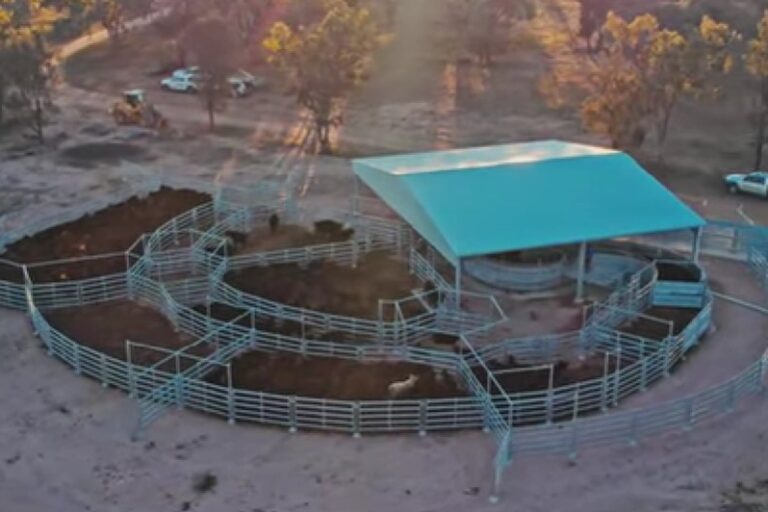
A safe and efficient cattle handling system – Well‑designed cattle handling systems are one of the most important investments a farm can make. Whether you’re running a beef suckler herd, a dairy unit, or a mixed enterprise, the layout and quality of your cattle handling equipment directly influence safety, efficiency, animal welfare, and labour requirements.
Poorly designed systems slow everything down, increase stress, and put both cattle and handlers at risk. A well‑designed, safe and efficient cattle handling system, on the other hand, makes routine work faster, calmer, and far safer.
This guide explains the key principles behind designing a safe and efficient cattle handling system, the behavioural science that underpins good flow, and how to choose the right cattle equipment – from races and gates to cattle crushes, both manual crushes and pneumatic crushes.
1. Start With Cattle Behaviour – Design Around How Cattle Think
The best safe and efficient cattle handling systems are built around livestock behaviour, not human convenience. Understanding how cattle see, move, and react is the foundation of good design.
Key behavioural principles to consider
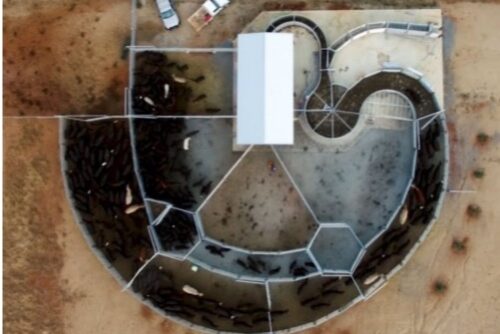
Cattle prefer to move in curves
Curved races encourage forward movement because cattle think they are returning to where they came from. Straight races often cause baulking.
Cattle follow the leader
Good cattle flow depends on allowing cattle to move in small groups rather than forcing individualy.
Cattle dislike shadows and sudden changes in light
Shadows across the race or cattle crush entrance are one of the biggest causes of hesitation.
Cattle move away from pressure
Handlers should work the flight zone and point of balance, not push from behind.
Designing your system around these principles dramatically improves flow and reduces stress, and creates a safe and efficient cattle handling system
2. Choose the Right Location for Your Handling System
The best handling systems are positioned where cattle naturally want to go.
Ideal locations include:
- Near housing or grazing areas
- Away from noisy machinery
- On level, non‑slip ground
- With good drainage
- With space for safe vehicle access
Avoid placing the cattle handling system near distractions such as feed stores, dogs, or busy tracks.
3. Build a Race That Encourages Calm, Forward Movement
The race is the backbone of any safe and efficient cattle handling system. If cattle won’t enter or move through it, the entire system fails.
Key race design features
Solid sides
Cattle flow better when they can’t see movement outside the race. Solid sides reduce distractions and improve safety.
Curved or offset layout
A gentle curve or offset race encourages natural movement and prevents cattle seeing the crush too early.
Consistent width
Avoid races that widen or narrow unexpectedly this causes hesitation.
Non‑slip flooring
Rubber matting or grooved concrete prevents slipping and improves confidence.
Anti‑backing devices
Ratchet bars or one‑way gates prevent cattle reversing and keep the flow moving.
A well‑designed cattle race reduces the need for shouting, pushing, or physical pressure – all of which damage flow and increase stress.
4. Invest in the Right Cattle Handling Equipment
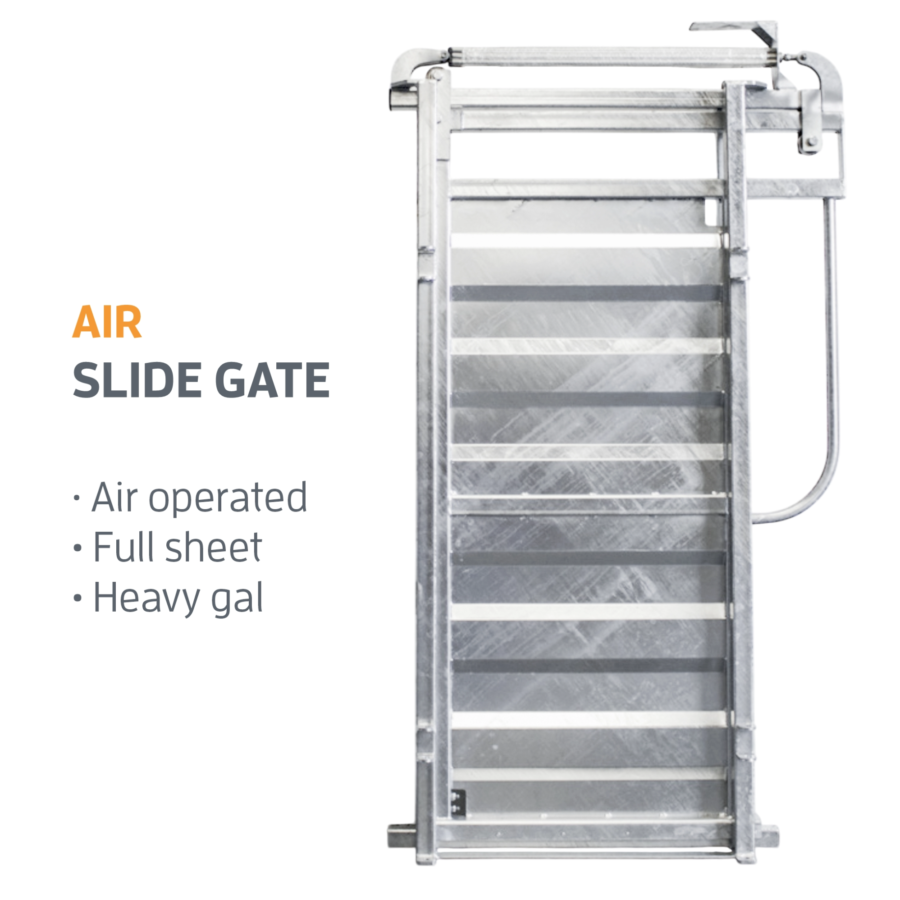
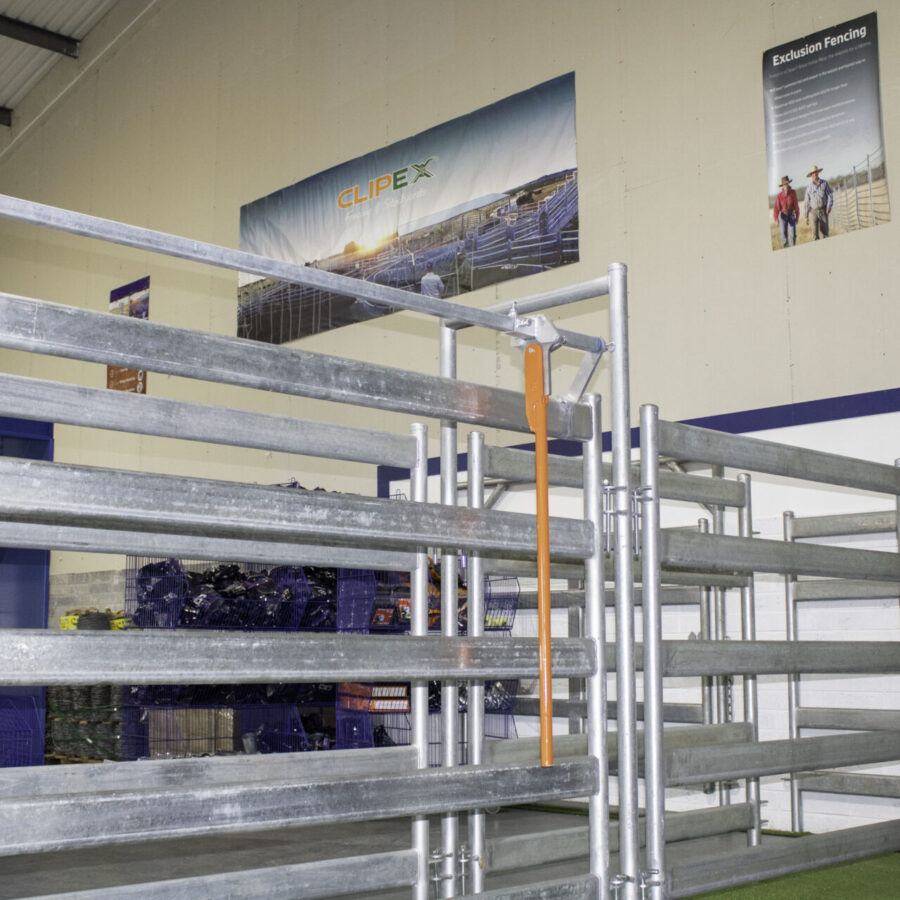
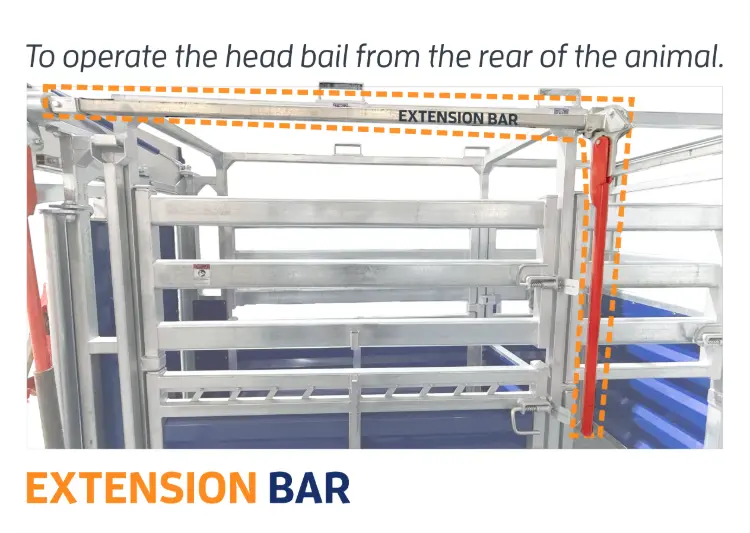
Your choice of livestock handling equipment determines whether you have a safe and efficient cattle handling system. This includes gates, races, forcing tubs, and – most importantly, the cattle crush.
Essential equipment features
- Strong, well‑braced gates
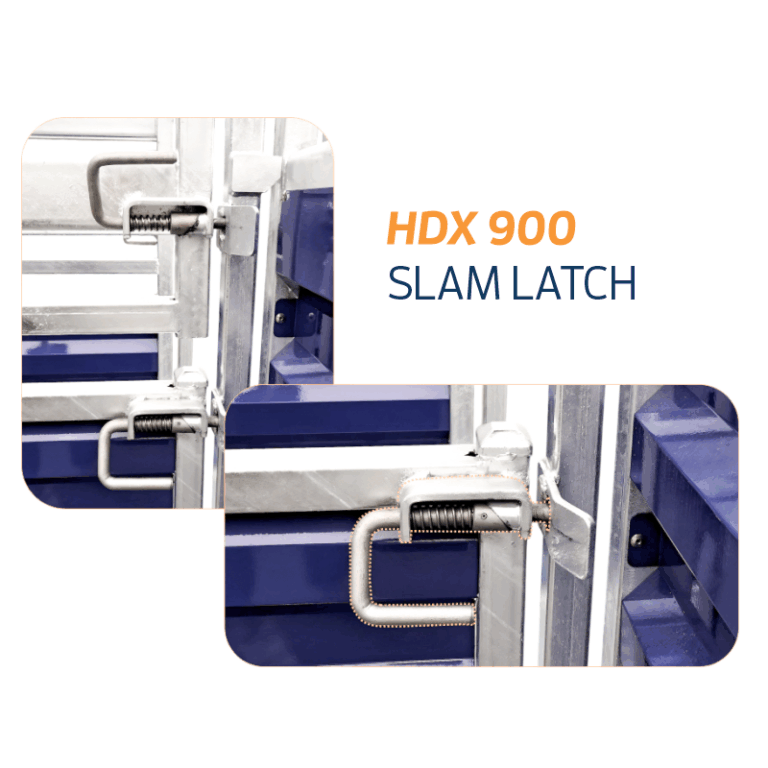
- Secure latches
- Smooth, rounded edges
- Quiet operation
- High, solid sides
- Safe access points for handlers
Quality equipment lasts longer, reduces risk, and improves cattle flow.
5. Choosing Between Manual Crushes and Pneumatic Crushes
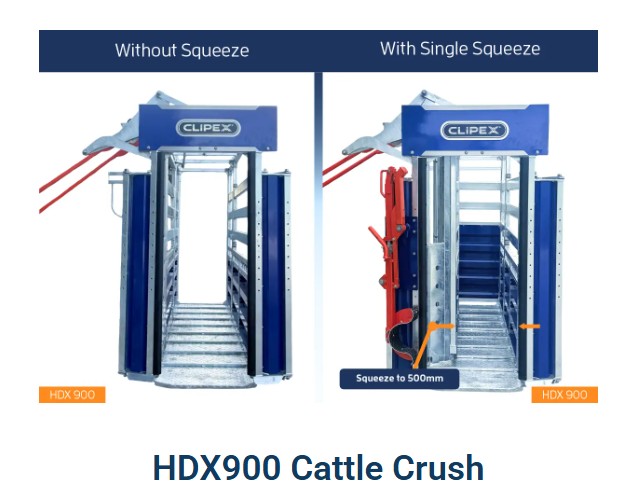
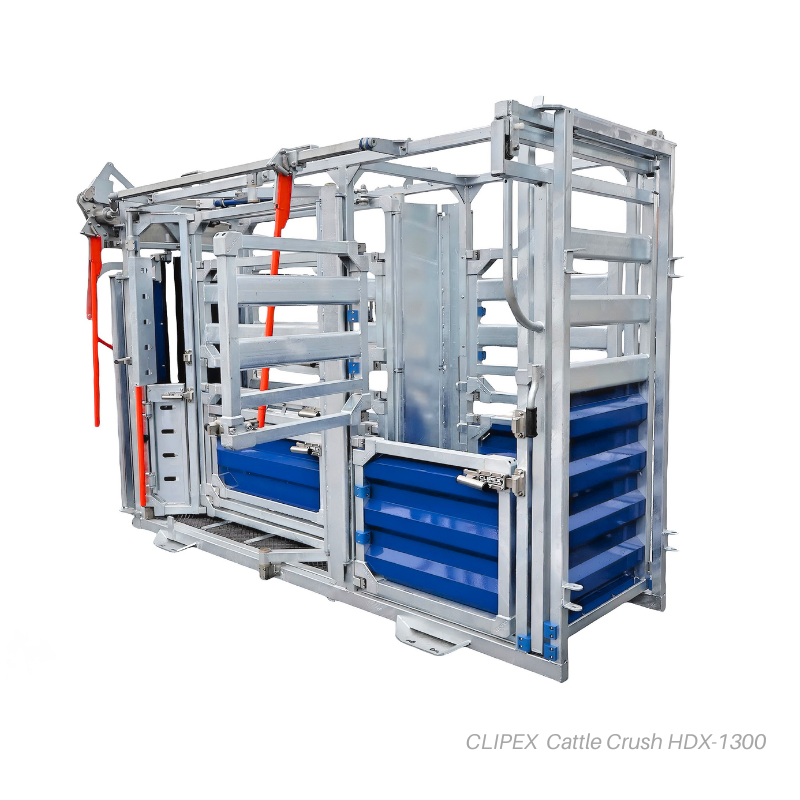
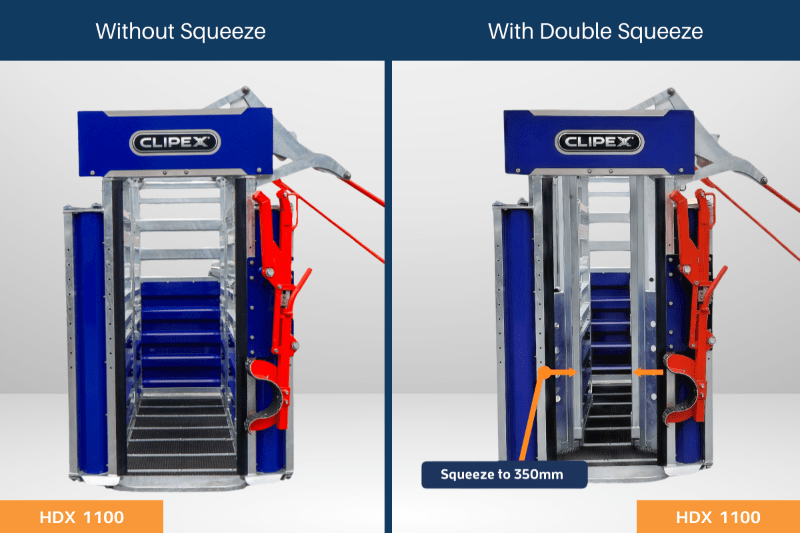
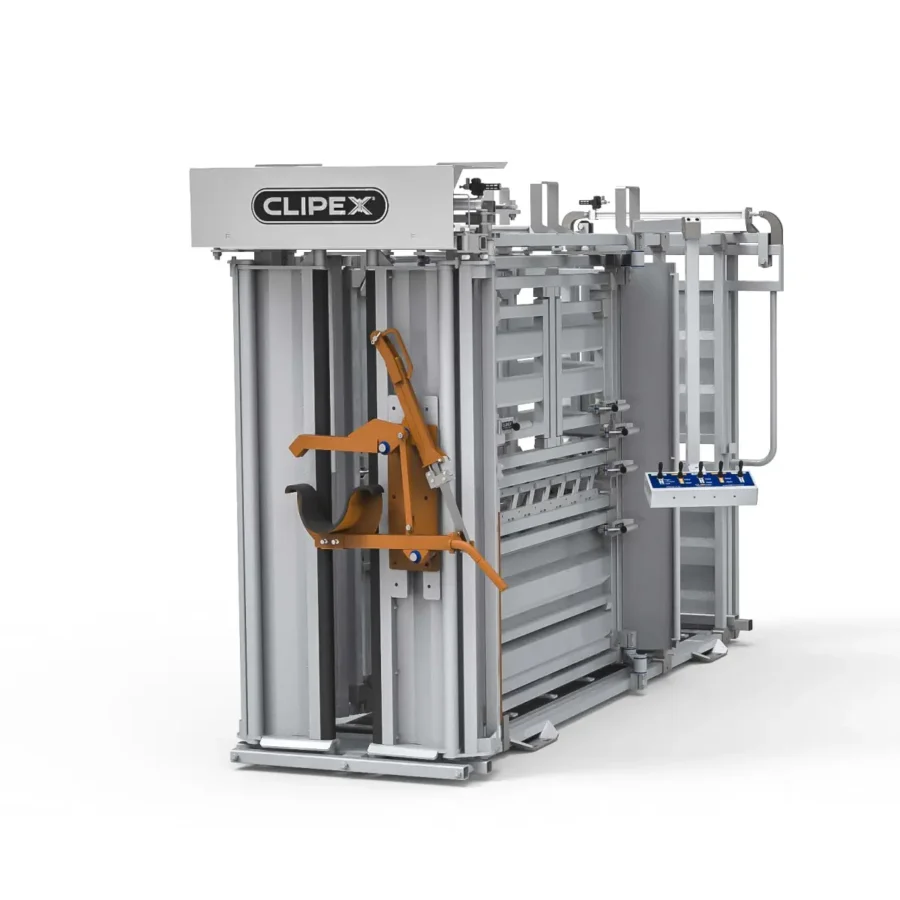
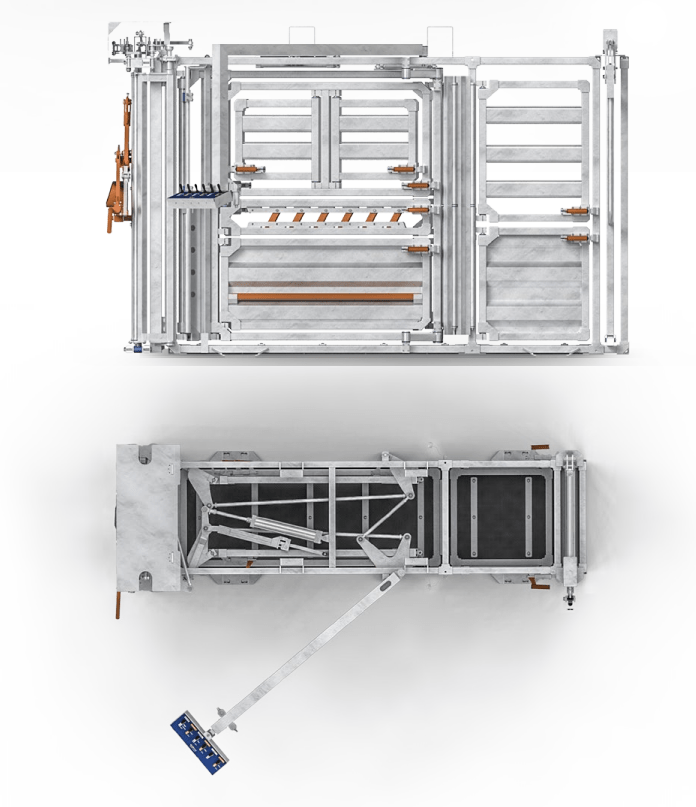
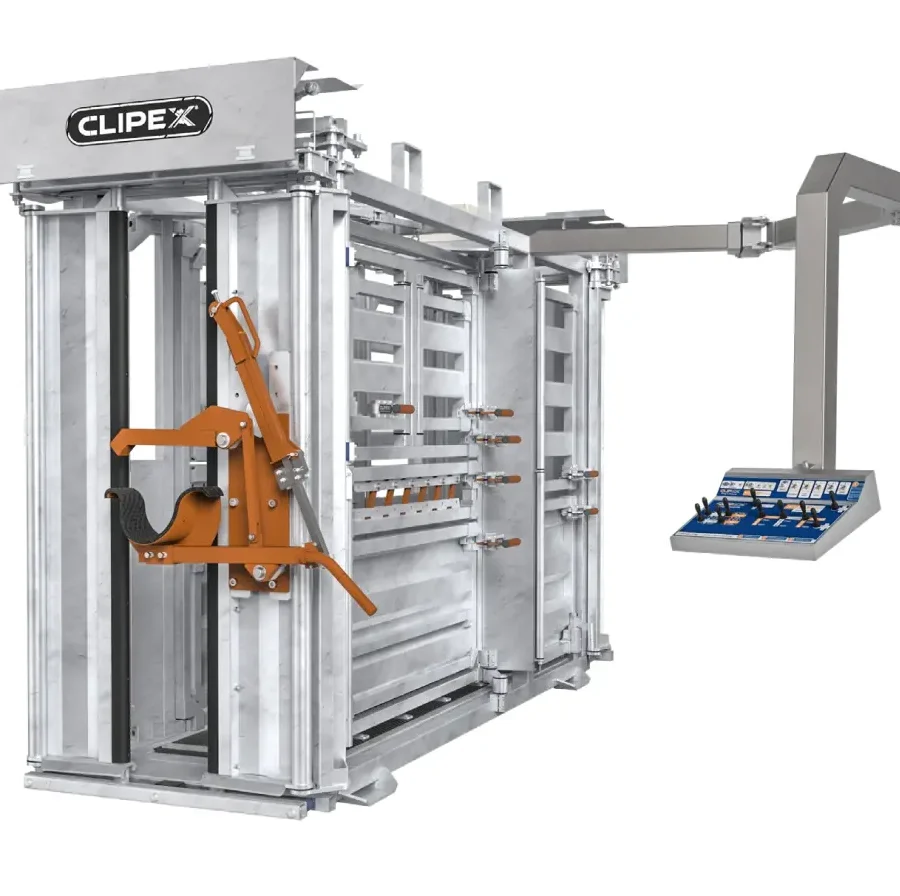
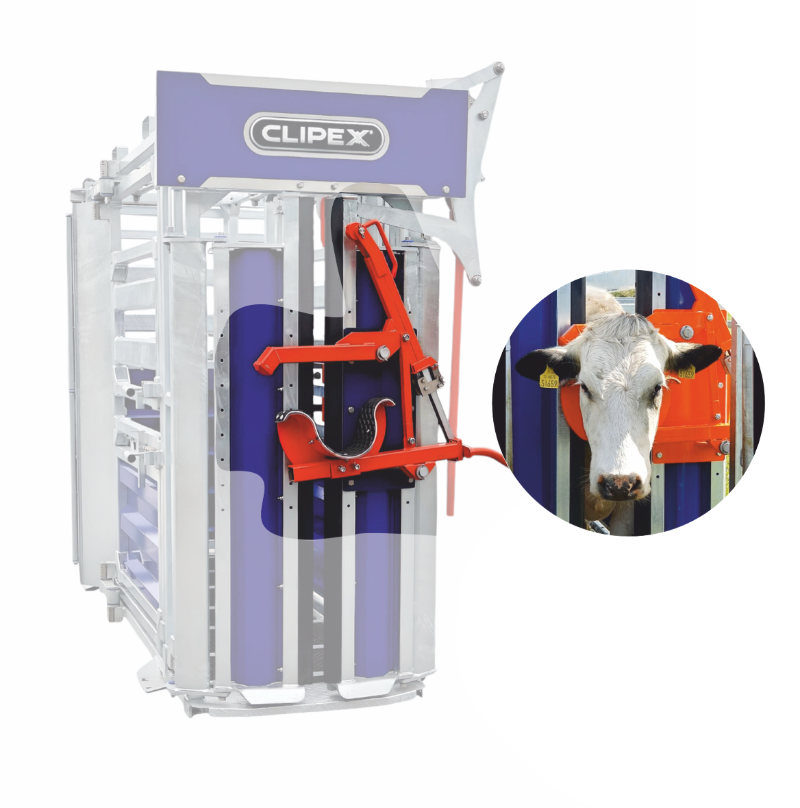
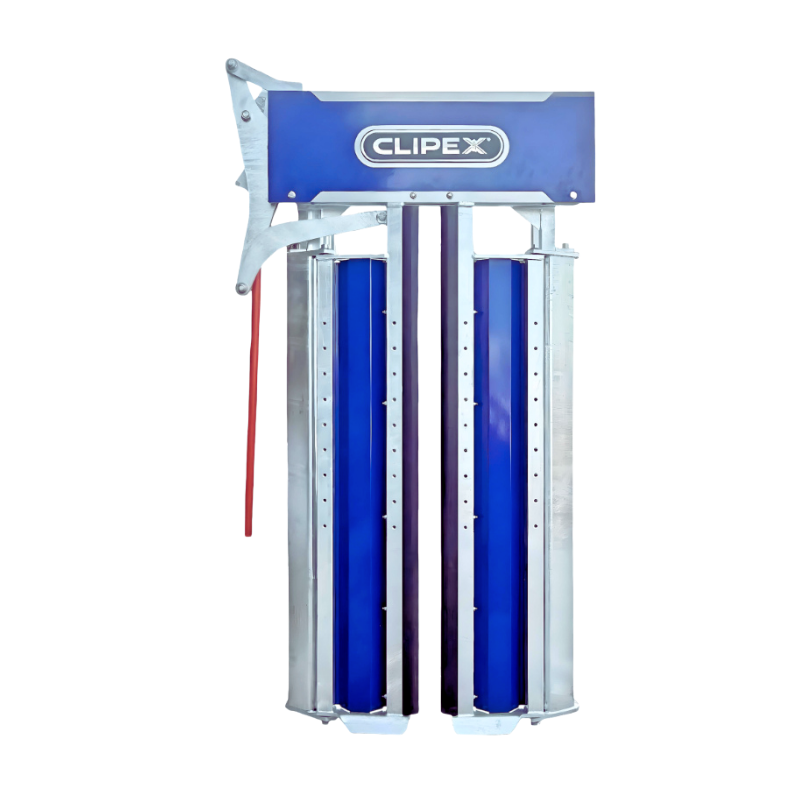
The crush is the heart of your livestock handling system. It must restrain cattle safely while allowing handlers to work efficiently.
Manual Crushes
Manual crushes are:
- Cost‑effective
- Simple to operate
- Reliable with minimal maintenance
- Suitable for most routine tasks
- Ideal for small to medium farms
A heavy‑duty manual crush is often the best choice for beef suckler herds or mixed enterprises with moderate handling frequency.
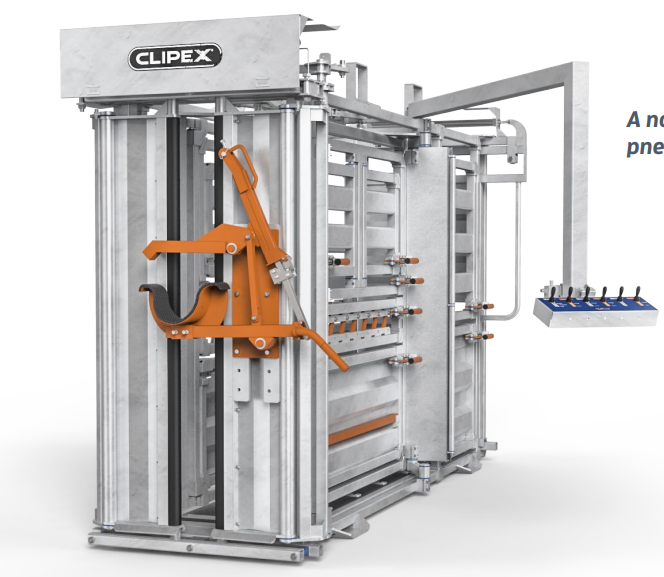
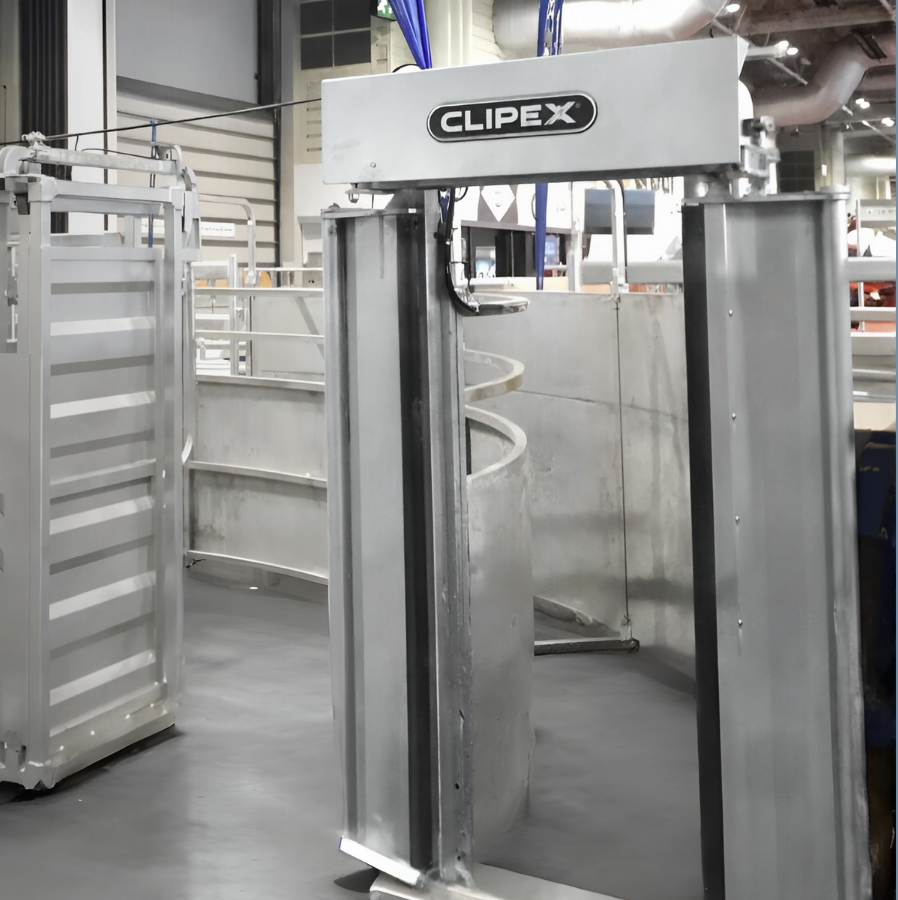
Pneumatic Crushes
Pneumatic (or hydraulic) crushes offer:
- Faster, smoother operation
- Reduced physical effort
- Quieter handling
- Better control of large or lively cattle
- Improved safety for staff
- Ideal performance for high‑throughput systems
They are particularly valuable for:
- Large dairy herds
- High‑throughput beef units
- Farms with limited labour
- Frequent foot trimming or vet work
Choosing the right crush ensures your system works efficiently for years to come.
6. Design Safe and Functional Holding Areas
Holding pens must be designed to reduce pressure and allow cattle to move calmly into the race.
Best practice features
- Rounded corners to prevent bunching
- Adequate space for group movement
- Strong, well‑braced gates
- Safe escape routes for handlers
- Clear separation for cows with calves
Good holding areas reduce stress and improve flow into the race.
7. Prioritise Lighting, Noise Reduction, and Calm Handling
Even the best-designed system will fail if the environment is stressful.
Lighting
- Avoid shadows across the race
- Ensure the crush entrance is well-lit
- Use natural light where possible
Noise reduction
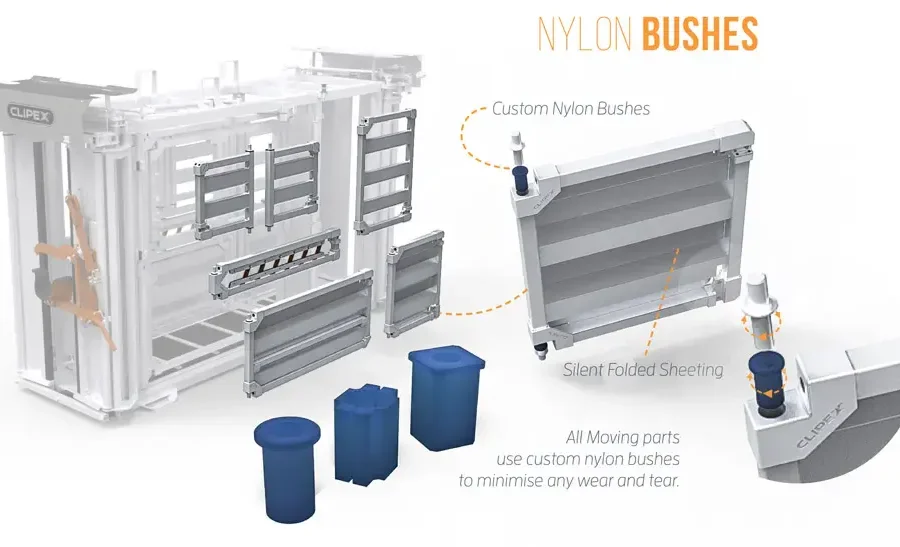
- Maintain gates and hinges
- Use rubber dampeners
- Choose quiet‑closing crushes
- Keep dogs and unnecessary people away
Calm handling
- Move cattle in small groups
- Avoid shouting or rushing
- Work the flight zone and point of balance
- Allow cattle time to see where they’re going
Behaviour‑based handling is one of the most effective ways to improve safety and efficiency.
8. Build for the Future – Not Just Today
A good handling system should last 20+ years. Design with future needs in mind.
Future‑proofing considerations
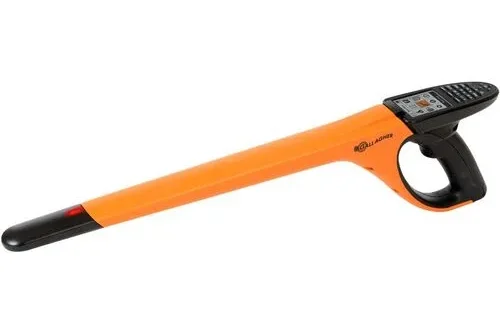
- Space for weighing and EID equipment
- Compatibility with drafting systems
- Ability to upgrade to a pneumatic crush
- Modular components for expansion
- Safe access for vets and foot trimmers
Investing in quality now saves money and labour long‑term.
Final Thoughts
A safe and efficient cattle handling system is built on three pillars:
- Behaviour‑based design
- High‑quality cattle handling equipment
- The right choice between manual crushes and pneumatic crushes
When these elements come together, cattle move calmly, handlers stay safe, and routine work becomes faster and more efficient.
Applying for FETF?
We offer in depth guides to help you apply for FETF Grant approved cattle equipment
FETF 2026 Livestock Grant Guide: Secure 50% Funding
FETF 2026 for Cattle Handling System Upgrades
FETF 2026 Application: How to Score Highly
Read more Livestock Handling & Yard Design guides.
⚠️ IMPORTANT: FETF 2026 DEADLINE
The application window for the Farming Equipment and Technology Fund (FETF) 2026 is strictly time-limited.
Window Closes: Midday on 28th April 2026.
Our Recommendation: To ensure your bespoke yard design and itemised quotes are ready for submission, please request your quotes by 21st April 2026. Applications submitted in the final 48 hours often face technical delays on the RPA portal.
FETF 2026 Success Guide & Item Code Cheat Sheet
Avoid costly mistakes, get the correct specs, and improve your chances of a successful FETF application.
Bullet points:
- Includes key item codes (FETF60, FETF61 etc)
- Avoid common application mistakes
- Designed for cattle & sheep handling upgrades






4 Comments