
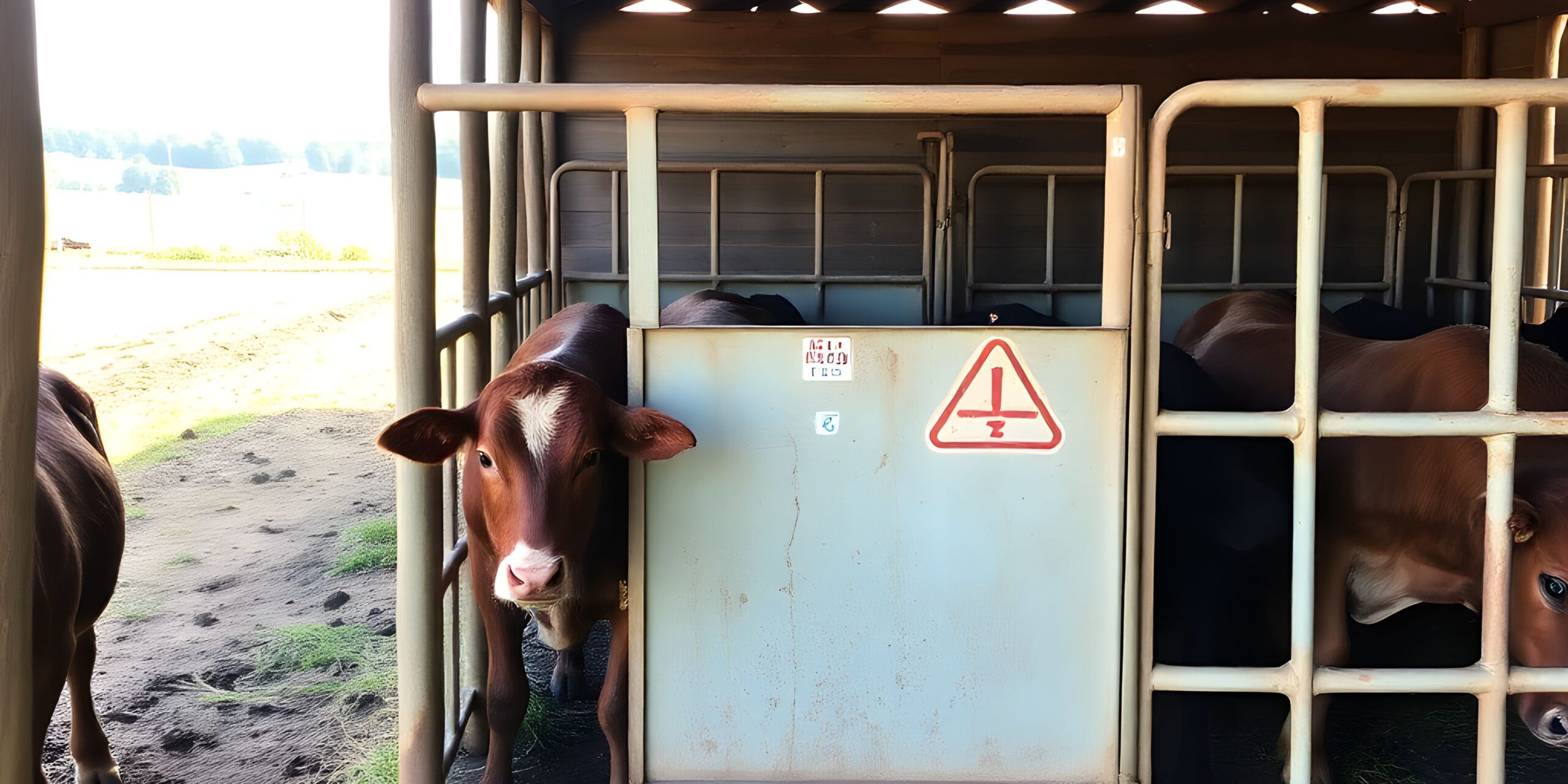
The Cost of Poor Handling Equipment
The True Cost of Poor Handling Equipment – Investing in high‑quality cattle handling equipment isn’t just about convenience – it’s about safety, efficiency, animal welfare, and long‑term profitability. Yet many UK farms still rely on outdated, poorly maintained, or under‑spec’d cattle equipment like cattle crushes because it “still works” or because upgrading feels like an unnecessary expense.
The reality is that poor handling equipment is far more costly than most farmers realise. From injuries and stress to wasted labour and reduced performance, the hidden costs add up quickly. This guide breaks down the true financial and practical impact of inadequate equipment – and how to avoid these pitfalls by choosing the right cattle handling systems, manual crushes, or pneumatic crushes for your farm.
1. The Hidden Financial Cost of Poor Handling Equipment
Many farmers underestimate how much money is lost each year due to inefficient or unsafe handling setups. The costs are rarely obvious, but are significant.
Lost labour time
Slow cattle flow, awkward gates, and unreliable cattle crushes can add hours to routine tasks. Multiply that across TB testing, dosing, foot trimming, weighing, and vet work, and the labour cost becomes substantial
Injuries to staff
A single injury caused by a faulty gate, a slipping animal, or a crush that doesn’t restrain properly can cost thousands in:
- Lost work days
- Medical treatment
- Compensation
- Hiring temporary labour
Injuries to cattle
Poor handling equipment increases the risk of:
- Bruising
- Slips and falls
- Broken horns
- Lameness
- Stress‑related illness
These injuries reduce performance, slow growth, and increase vet bills.
Reduced cattle performance
Stress has a measurable impact on:
- Daily liveweight gain
- Milk yield
- Fertility
- Immune function
Poor handling = stressed cattle = reduced profitability.
Shorter equipment lifespan
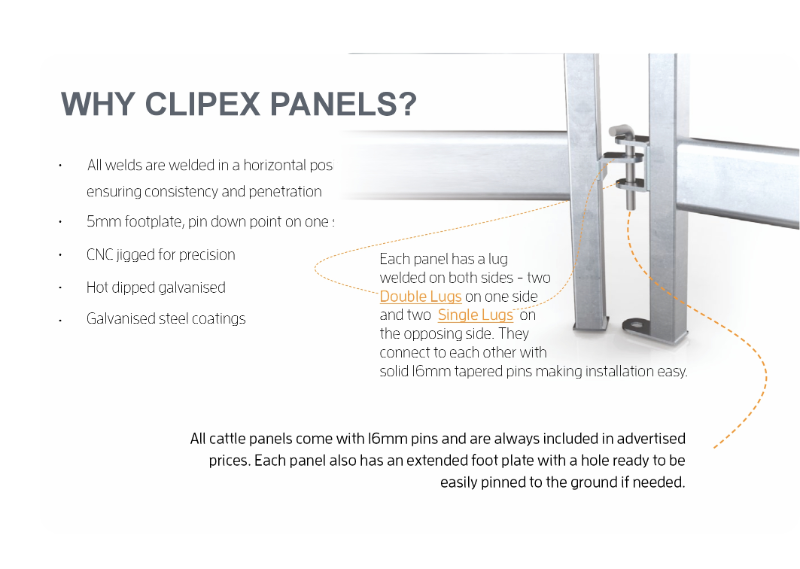
Cheap or poorly built equipment bends, breaks, or wears out quickly. Replacing it every few years is far more expensive than investing in quality equipment that lasts decades.
2. Safety Risks: The Most Expensive Cost of All
Poor handling equipment is one of the leading causes of farm injuries. Cattle are powerful animals, and when equipment fails, the consequences can be severe.
Common safety risks include:
- Gates that swing back unexpectedly
- Races that allow cattle to turn or climb
- Crushes that don’t restrain properly
- Slippery floors causing cattle to fall
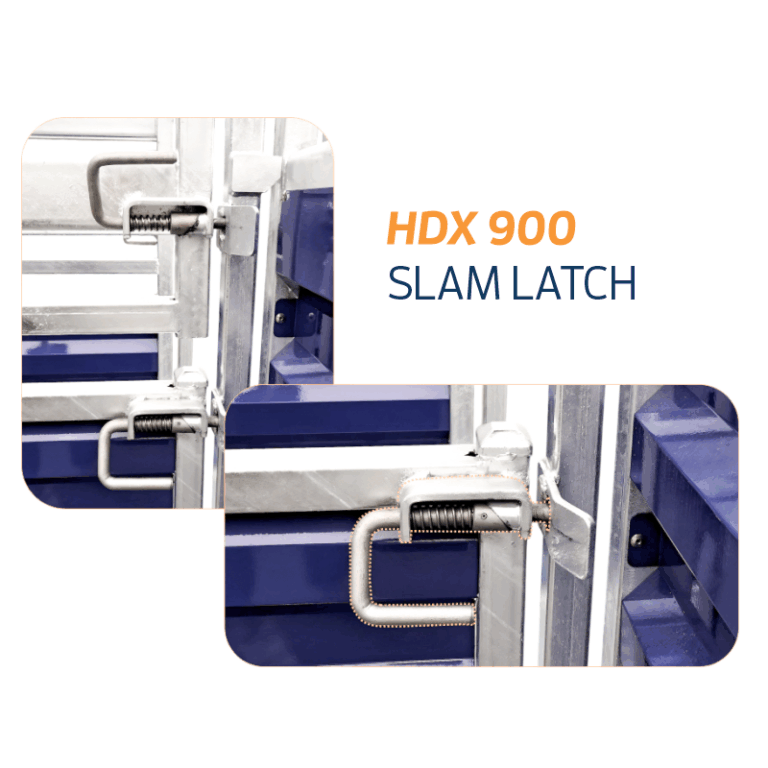
- Weak latches that fail under pressure
A single accident can have life‑changing consequences. Investing in safe, well‑designed equipment is not optional – it’s essential.
3. Poor Cattle Flow = Poor Efficiency
Cattle that refuse to enter the race, stop halfway, or baulk at the crush slow everything down. Poor flow is almost always caused by:
- Bad race design
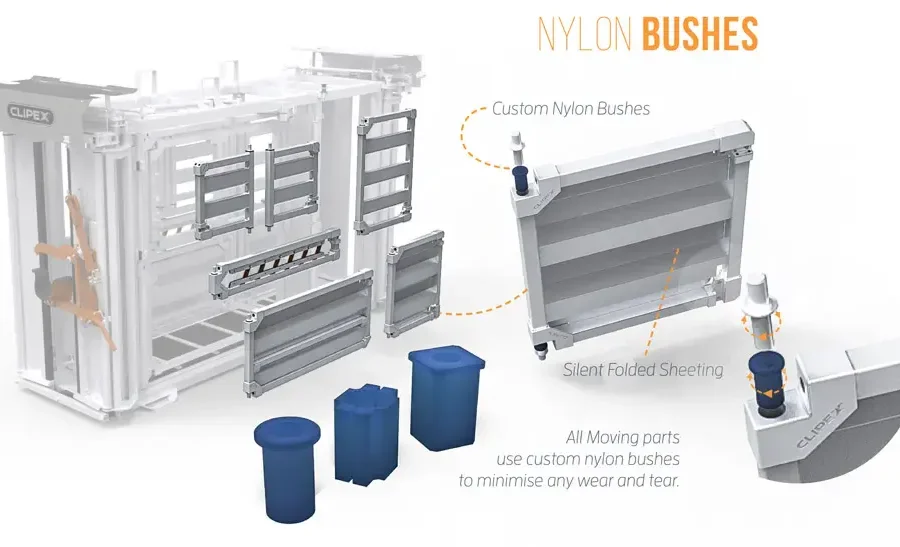
- Noisy or rattling equipment
- Shadows or poor lighting
- Inconsistent race width
- Slippery flooring
- A crush that looks dark or threatening
These issues force handlers to push, shout, or physically pressure cattle – increasing stress and risk.
Good flow saves time, labour, and stress.
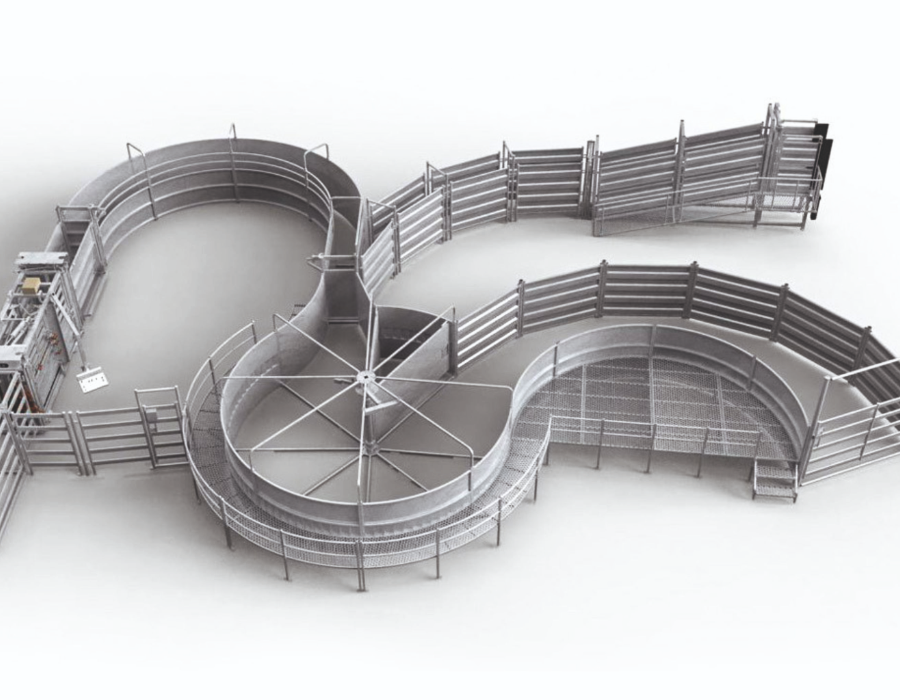
Well‑designed cattle handling systems can reduce handling time by 30–50%, especially during TB testing or large group work.
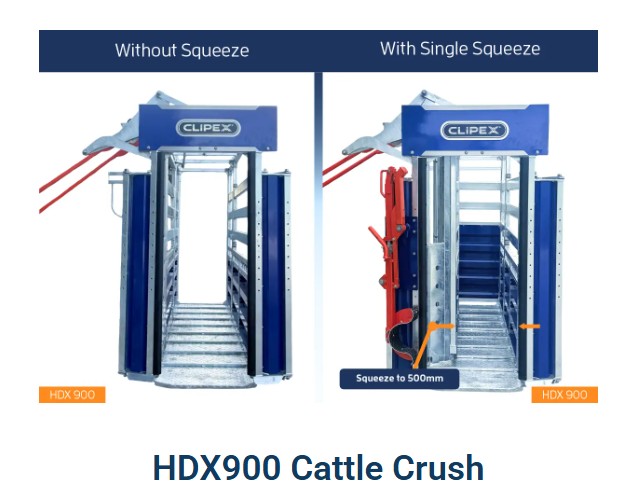
4. The Cost of Using the Wrong Crush
Choosing the wrong crush – or sticking with an outdated one – is one of the biggest sources of hidden cost on UK farms.
Problems caused by inadequate crushes
- Slow, difficult head restraint
- Poor side access for vet work
- Excessive noise causing cattle to panic
- Weak frames that flex under pressure
- Unsafe operator access
- Increased risk of cattle escaping
A crush that isn’t fit for purpose slows down every task and increases the risk of injury.
5. Manual Crushes vs Pneumatic Crushes: Cost vs Value
Both manual crushes and pneumatic crushes have their place – but choosing the wrong type can cost you more in the long run.
Manual Crushes: Lower Cost, High Value (When Used Correctly)
Manual crushes are ideal for:
- Small to medium beef herds
- Mixed farms with moderate handling frequency
- Remote or mobile setups
- Farms with calm cattle
Cost benefits
- Lower upfront cost
- Minimal maintenance
- No power source required
Cost risks
- Slower operation
- More physical effort
- Less control of large or lively cattle
- Not ideal for high‑throughput dairy or beef units
A heavy‑duty manual crush is excellent value – but only if it matches the farm’s workload.
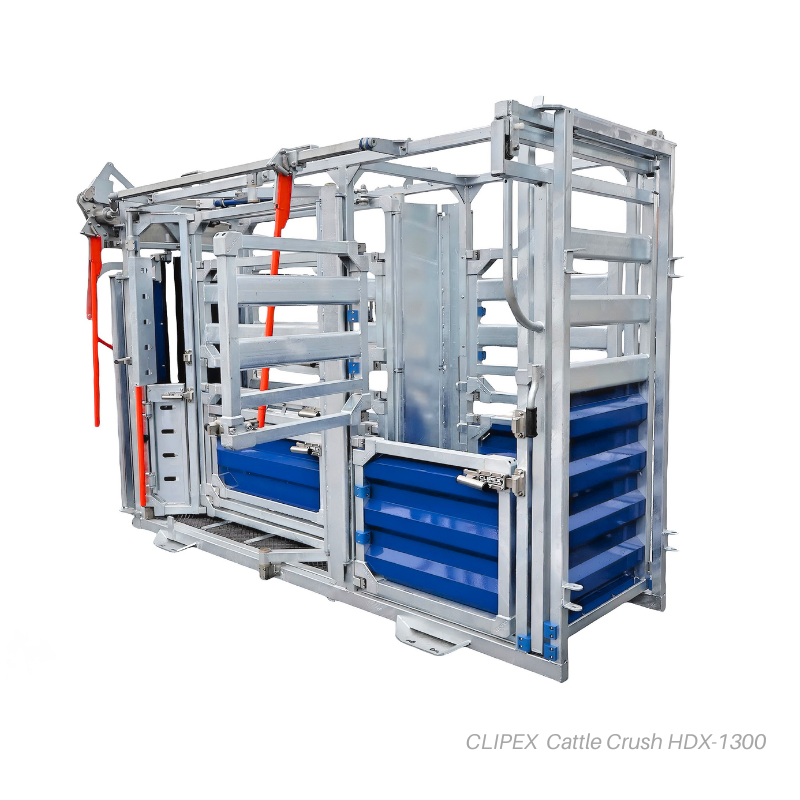
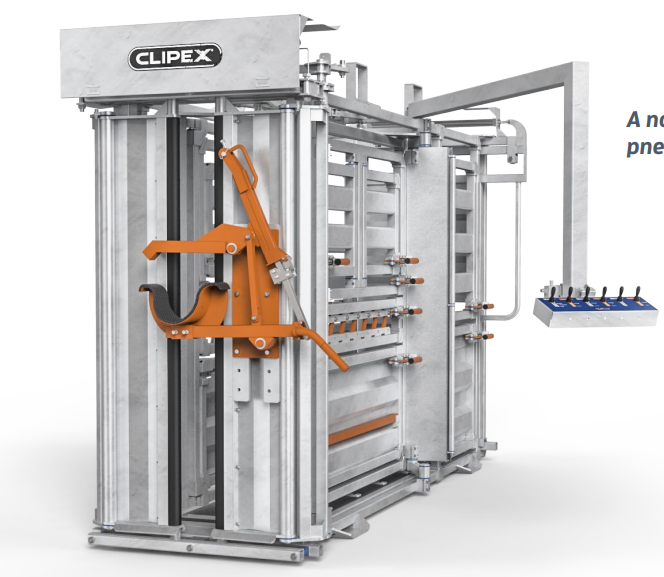
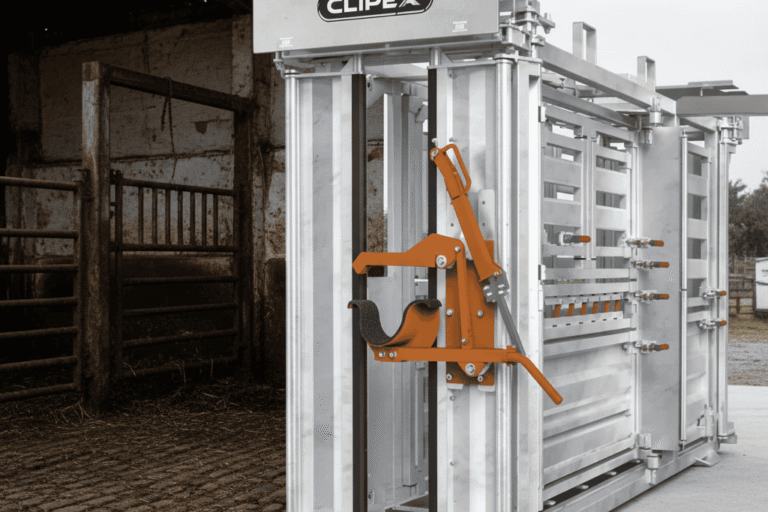
Pneumatic Crushes: Higher Cost, Higher Efficiency
Pneumatic (or hydraulic) crushes are ideal for:
- Large dairy herds
- High‑throughput beef units
- Farms with limited labour
- Frequent foot trimming or vet work
Cost benefits
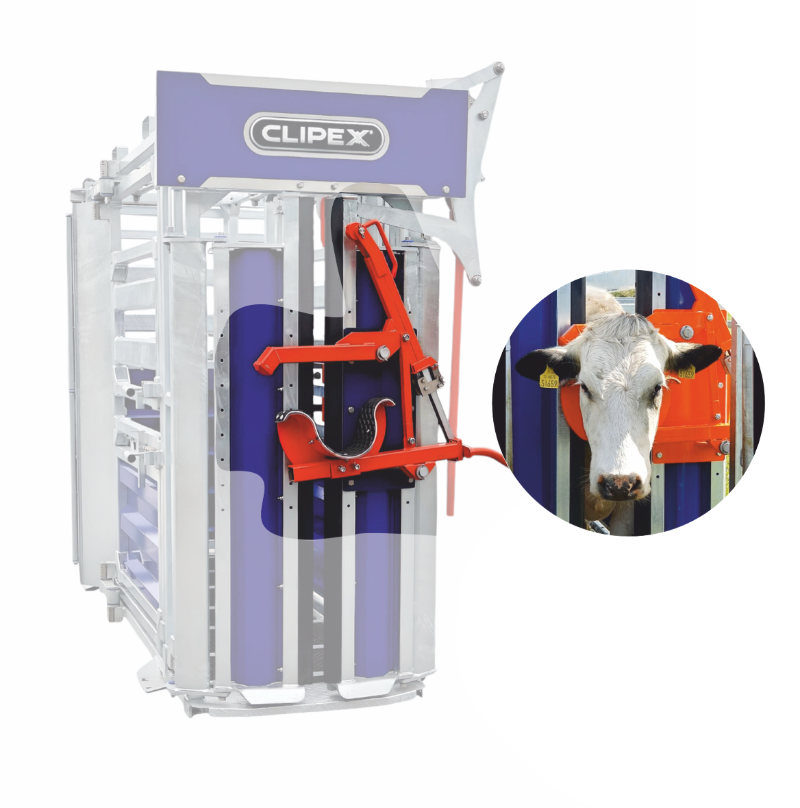
- Faster, smoother operation
- Reduced labour requirements
- Improved safety
- Better cattle flow
- Lower stress for cattle and handlers
Cost risks
- Higher upfront investment
- Requires power or air supply
- More components to maintain
For farms handling cattle frequently, pneumatic crushes often pay for themselves within a few years through labour savings alone.
6. How to Avoid the Cost of Poor Handling Equipment
Invest in quality, not just price
Cheap equipment costs more in the long run. Choose reputable brands with proven durability.
Design your system around cattle behaviour
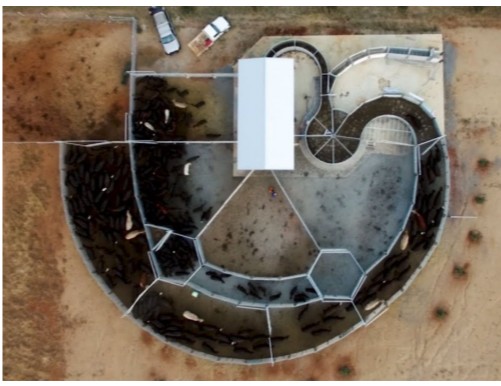
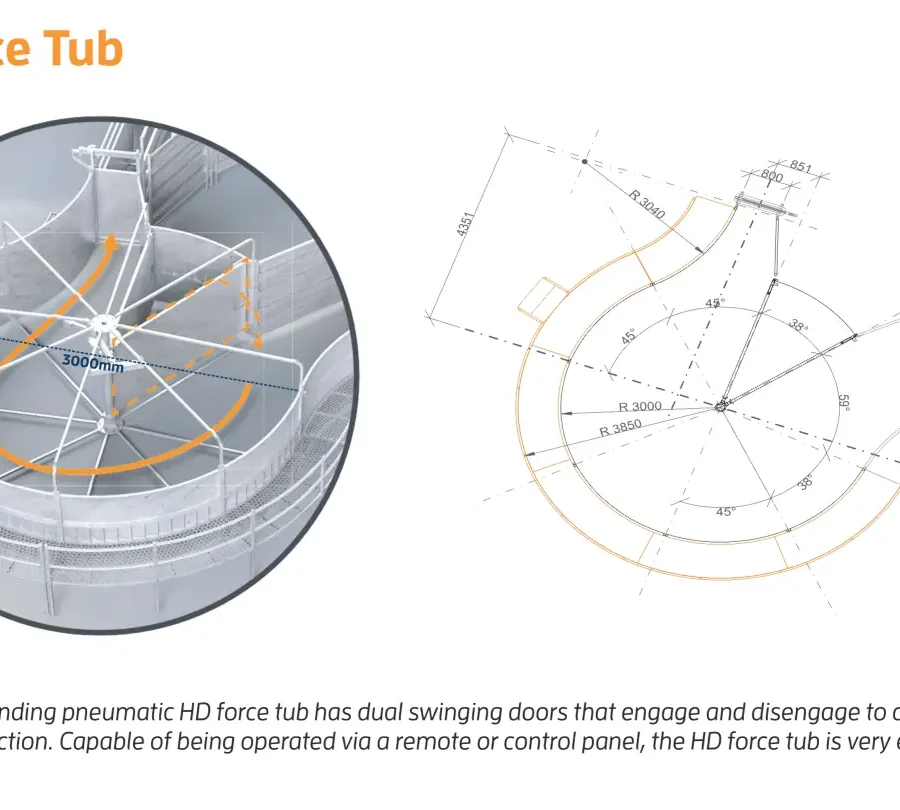
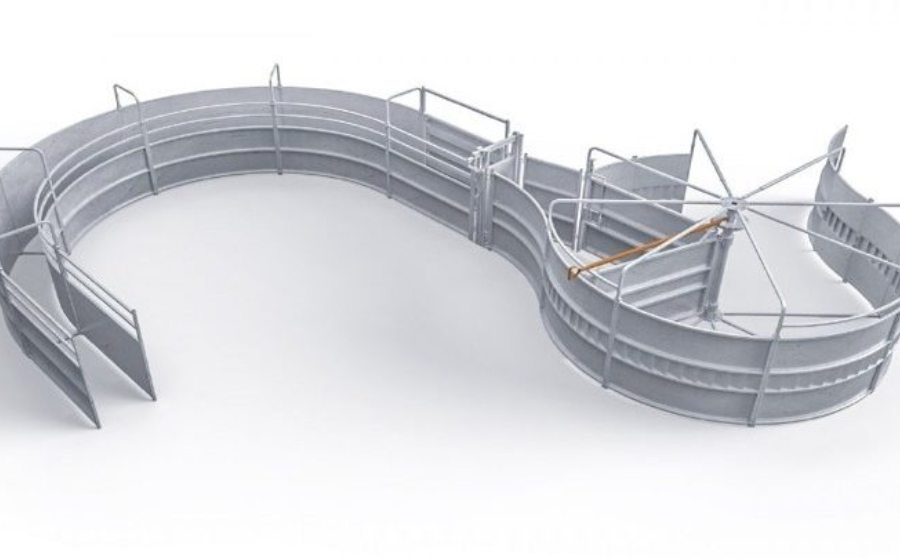
Curved races, solid sides, and good lighting improve flow and reduce stress.
Match the crush to your workload
- Manual for moderate handling
- Pneumatic for high‑throughput or limited labour
Maintain equipment regularly
A well‑maintained crush lasts decades. A neglected one becomes dangerous.
Train staff in low‑stress handling
Good technique reduces pressure on both cattle and equipment.
Final Thoughts on The True Cost of Poor Handling Equipment
The true cost of poor handling equipment is far more expensive than most farmers realise. The hidden costs – injuries, stress, wasted labour, reduced performance, and frequent repairs – add up quickly. Investing in high‑quality cattle handling equipment, well‑designed cattle handling systems, and the right choice between manual crushes and pneumatic crushes is one of the smartest financial decisions a farm can make.













2 Comments