

Reducing bovine TB risk in cattle handling areas
Bovine TB remains one of the most challenging and costly diseases facing UK cattle farms, so knowing how to reduce TB risk in cattle handling areas is crucial. While much of the focus is placed on wildlife control, testing regimes, and biosecurity at pasture, one area that is often overlooked is the handling environment itself.
Cattle handling areas, including races, forcing tubs, cattle crushes, and collecting yards, can play a significant role in TB transmission risk if not managed correctly.
Handling areas bring cattle into close contact, increase stress levels, and create opportunities for nose‑to‑nose contact, aerosol spread, and contamination of shared surfaces. The good news is that practical, farm‑ready changes can significantly reduce TB risk without disrupting daily operations.
This guide outlines the most effective strategies UK farmers can use to reduce TB transmission in and around cattle handling systems, with natural opportunities to integrate equipment such as TB Buster, Quick Pullers, and the Universal Creep Feeder.
The Role of Handling Systems in TB Control
1. Reduce Stress to Reduce TB Susceptibility
Stress is one of the biggest drivers of disease vulnerability in cattle. High‑stress handling increases cortisol levels, which suppress the immune system and make cattle more susceptible to infection – including TB.
How to reduce stress in handling areas
- Use calm, behaviour‑based handling techniques
- Avoid shouting, rushing, or excessive pressure
- Move cattle in small groups
- Ensure good lighting to avoid shadows
- Maintain non‑slip flooring to prevent panic
- Keep dogs away from the handling area
Stress reduction is also supported by high‑quality cattle handling equipment. Quiet, smooth‑operating gates and crushes, including manual crushes and pneumatic crushes, help cattle stay calm and reduce the risk of aerosol spread caused by heavy breathing or agitation.
2. Improve Ventilation and Airflow in Handling Areas
Bovine TB spreads primarily through respiratory droplets. Poorly ventilated handling areas, especially enclosed collecting yards or covered races, can increase the concentration of infectious aerosols.
On‑Farm TB Prevention: What Are the Most Effective Measures?
Ventilation improvements include:
- Opening side panels or gates to increase airflow
- Avoiding fully enclosed handling sheds where possible
- Installing windbreak mesh instead of solid walls
- Using ridge vents or open‑sided roofing
- Keeping cattle moving steadily to avoid crowding
Good airflow disperses respiratory droplets quickly, reducing the chance of transmission during testing, dosing, or routine handling.
3. Minimise Nose‑to‑Nose Contact
Handling areas often force cattle into close proximity, increasing the risk of direct contact transmission.
Ways to reduce nose‑to‑nose contact
- Use solid‑sided races to prevent cattle touching each other
- Avoid overcrowding in forcing pens
- Maintain steady flow to prevent bunching
- Use anti‑backing devices to keep cattle spaced
Solid‑sided races also improve cattle flow, reducing stress and time spent in close quarters.
How Can I Reduce the Risk of Bovine TB on My Farm?
4. Keep Handling Areas Clean and Dry
TB bacteria survive longer in damp, dirty environments. Handling areas that accumulate slurry, standing water, or organic matter create ideal conditions for persistence.
Cleaning and hygiene tips
- Scrape and wash handling areas regularly
- Ensure good drainage around the crush and race
- Repair broken concrete or uneven flooring
- Use disinfectants approved for TB‑risk environments
- Keep feed and water away from handling areas
This is also where equipment like TB Buster becomes valuable. Its design helps reduce contamination risk by preventing wildlife access to feed and reducing environmental exposure.
5. Prevent Wildlife Access to Handling Areas
Badgers and other wildlife can enter handling areas at night, leaving behind contaminated urine, faeces, or saliva. This is a major but often overlooked TB risk.
Practical wildlife‑proofing measures
- Install badger‑proof gates or barriers
- Use raised feed troughs or feeders
- Avoid leaving feed or minerals in handling areas
- Block gaps under fences or gates
- Store feed securely
The Universal Creep Feeder is particularly useful here – its raised, enclosed design helps prevent wildlife access while still allowing calves to feed safely.
6. Manage Youngstock Separately to Reduce TB Spread
Youngstock are more susceptible to TB infection and can amplify disease risk if mixed with adult cattle in handling areas.
How Youngstock Management Reduces TB Transmission Risk
Best practice includes:
- Handling calves separately where possible
- Using dedicated youngstock races or pens
- Avoiding mixing calves with high‑risk adult groups
- Using equipment like the Universal Creep Feeder to reduce contact at feeding time
Reducing cross‑age contact is one of the simplest and most effective TB‑control strategies. Calf Pen Design.
7. Improve Cattle Flow to Reduce Time in High‑Risk Areas
The longer cattle spend in close proximity, the higher the TB transmission risk. Efficient cattle handling systems reduce time spent in the race or crush.
Ways to improve flow
- Use curved races to encourage natural movement
- Install solid sides to reduce distractions
- Maintain non‑slip flooring
- Use quiet, smooth‑operating crushes
- Train staff in low‑stress handling
Both manual crushes and pneumatic crushes can support good flow, but pneumatic models offer quieter, smoother operation that reduces stress and time spent in confined spaces.
Best cattle crush for UK farms
8. Use TB‑Focused Equipment to Reduce Environmental Risk
Several pieces of equipment can directly reduce TB exposure in handling areas.
TB Buster
Designed to prevent wildlife access to feed and reduce contamination risk around feeding points.
Universal Creep Feeder
Helps separate calves from adult cattle and prevents wildlife contamination at feeding sites.
Integrating these tools into your handling system strengthens your overall TB‑prevention strategy.
9. Train Staff in TB‑Aware Handling Practices
Even the best equipment won’t reduce TB risk if staff aren’t trained in disease‑aware handling.
Training should cover:
- Low‑stress handling techniques
- Avoiding overcrowding
- Recognising high‑risk behaviours
- Cleaning and disinfecting equipment
- Wildlife‑proofing routines
- Safe operation of cattle crushes and races
Good training reduces mistakes and improves consistency across the team.
The Role of EID & Weighing in TB Monitoring
Final Thoughts on Reducing TB Risk in Handling Areas
TB control isn’t just about testing and wildlife management – it’s also about reducing risk in the places cattle are handled most closely. By improving ventilation, reducing stress, preventing wildlife access, and using the right equipment – including TB Buster and the Universal Creep Feeder – farms can significantly reduce TB transmission risk in handling areas
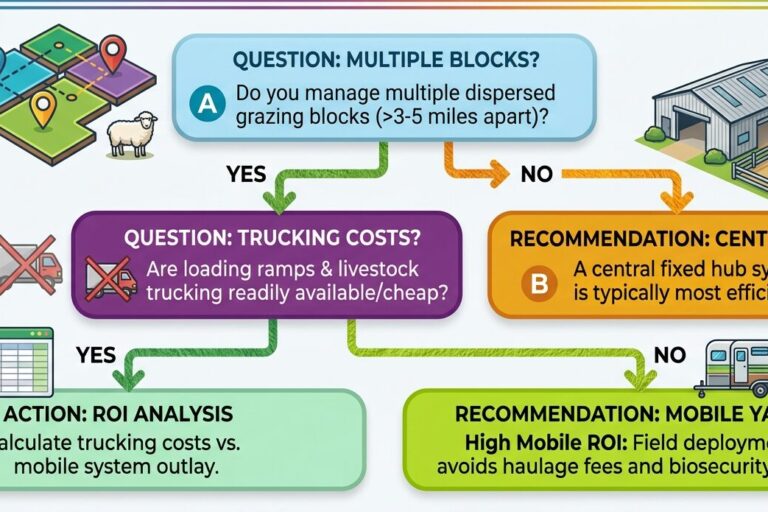
Mobile Sheep Yards: Towing, Setup Times & Field Logistics
Choosing between a permanent sheep handling system and a mobile…
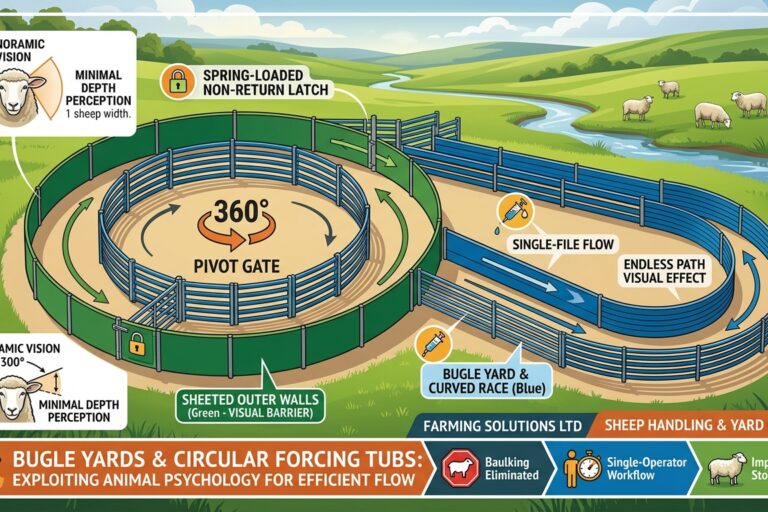
Bugle Yards & Circular Forcing Tub Design for Sheep
Bugle Yards & Circular Forcing Tub Design for Sheep |…
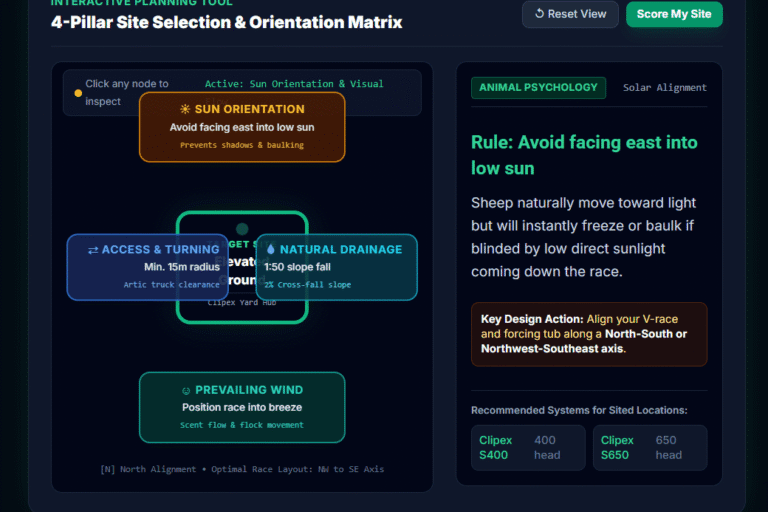
Ground Preparation & Pad Layout for Semi-Permanent Sheep Yards
Ground Preparation & Pad Layout for Semi-Permanent Sheep Yards |…
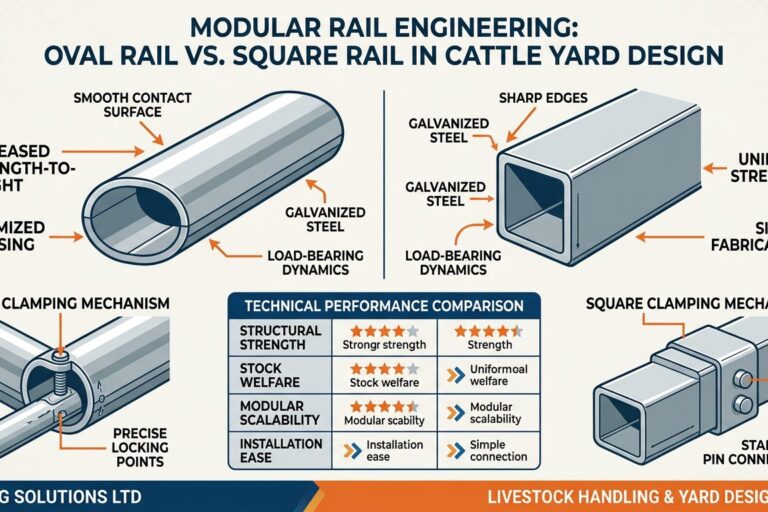
Modular Rail Engineering: Oval Rail vs. Square Rail in Cattle Yard Design
When designing a heavy-duty cattle handling facility, steel frame selection…
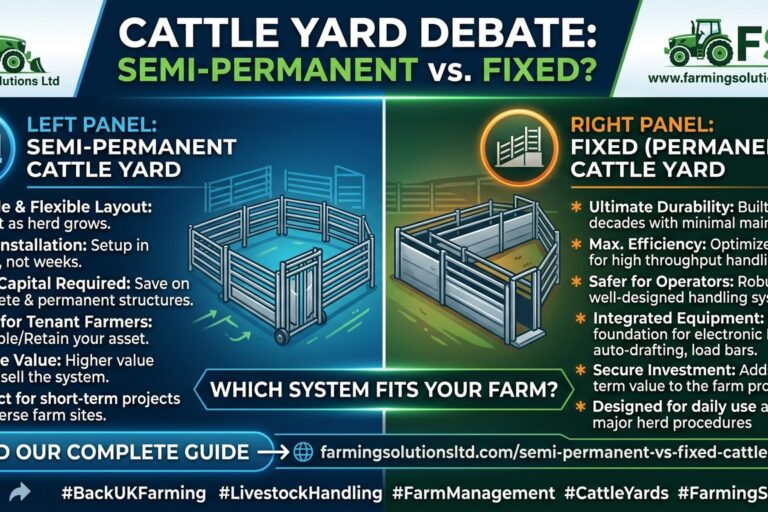
Semi-Permanent vs. Fixed Steel Cattle Yards: Which Is Right for Your Farm?
Semi-Permanent vs. Fixed Steel Cattle Yard Semi-Permanent vs. Fixed Steel…
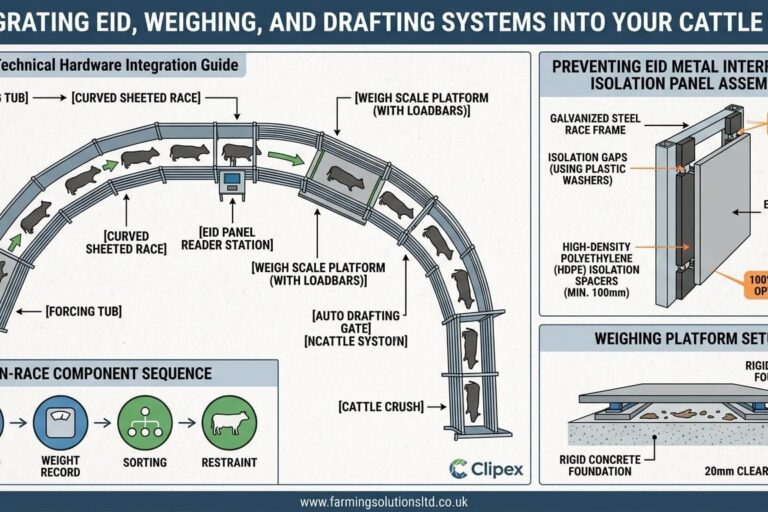
Integrating Weighing, EID Readers, and Drafting Gates into Your Cattle Race
EID Weighing Drafting Race Integration EID weighing drafting race integration…
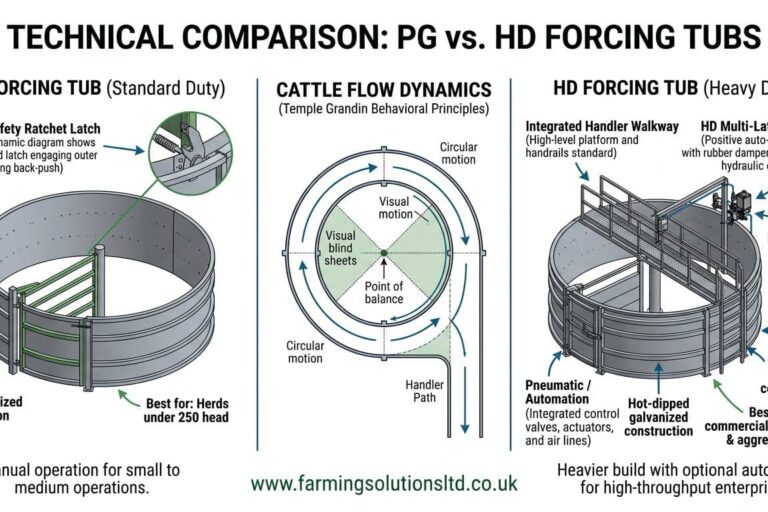
PG Forcing Tub vs. HD Forcing Tub: Choosing the Right Crowding System
PG Forcing Tub vs. HD Forcing Tub PG Forcing Tub…
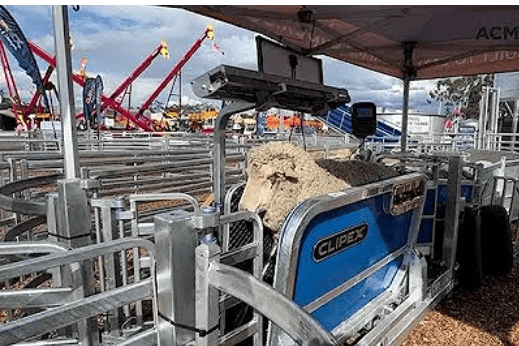
Mobile vs. Fixed Sheep Yards: Calculating the ROI of Automated Handling
Mobile vs. Fixed Sheep Yards When investing in an advanced…
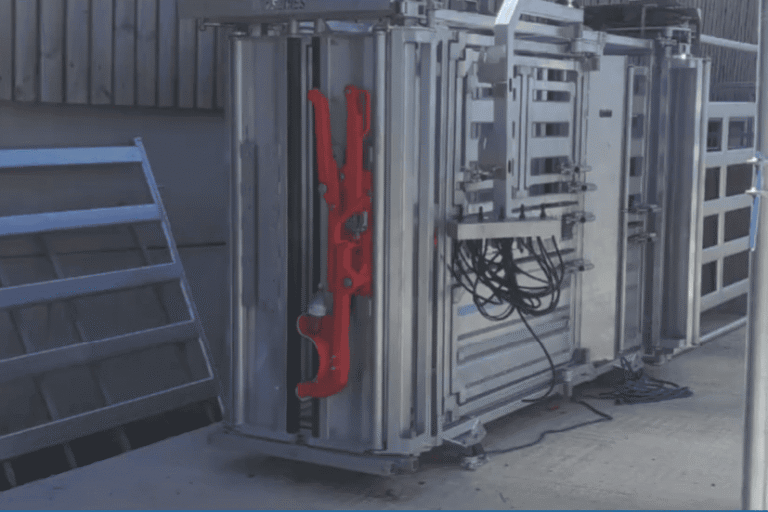
Cattle Crush Cost: Is a Premium Upgrade Worth the ROI?
If you are evaluating a new cattle crush or a…
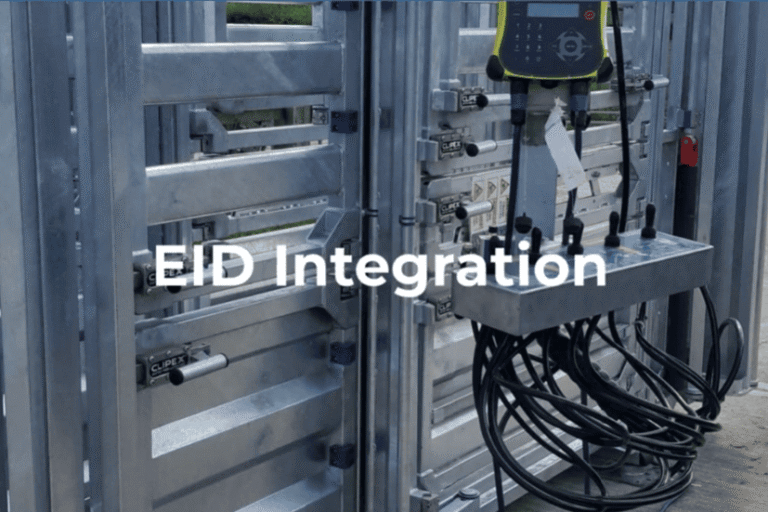
Cattle EID 2027: Your Farm’s Roadmap to a Smarter, Safer Future
The Dawn of a New Era in Cattle Traceability The…
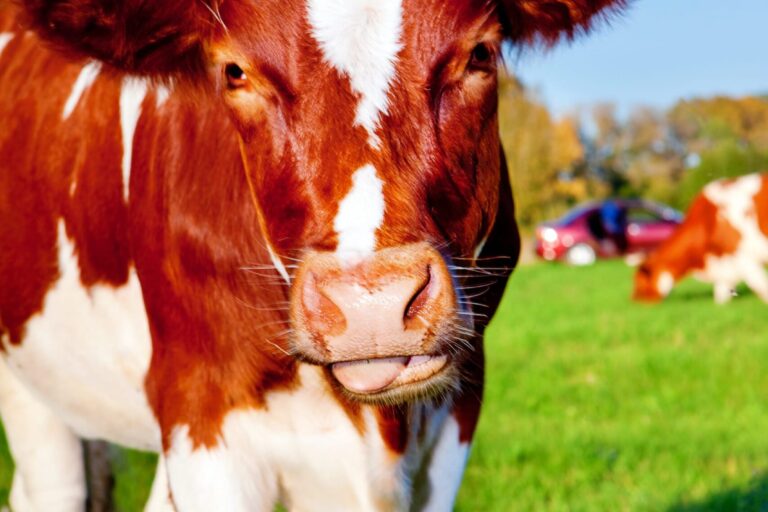
The Best Equipment for Handling Cattle Alone
Labour shortages are one of the biggest challenges facing UK…
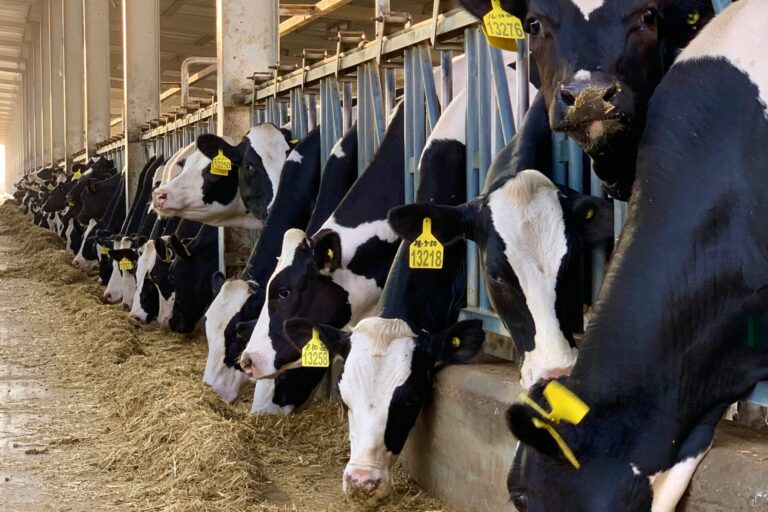
What Dairy Farms Should Look for in a Cattle Crush
Which cattle crush for dairy farms? Choosing the right cattle…
Preparing for the New Era: A Guide to Cattle EID in England (2027)
The Future of Cattle EID The landscape of British livestock…
FETF60 and FETF61 Cattle Crush Grants: Engineering Safety
FETF Cattle Crush Codes FETF60 & FETF61 The 2026 agricultural…
How to Maintain Your Cattle Crush for Long‑Term Performance
Maintain Your Cattle Crush For Longevity Cattle crushes are a…
Cattle Crush Selection for UK Farms: Integration That Works
Cattle Crush Selection UK Cattle Crush Selection UK Farms -…


2 Comments