
Cattle Crush Selection UK
Cattle Crush Selection UK Farms – The fastest way to turn a “good” cattle crush into a slow, stressful job is to drop it into a yard that doesn’t quite fit, which is why cattle crush selection for UK farms is important to get right. A race that narrows by a few centimetres at the last post, a weigh platform that rocks, an exit gate that opens into the wrong corner, an EID reader that sits where heads swing past it, or a vet who can’t get safe neck access for TB work. Cattle crushes take the blame, but the bottleneck usually lives in the joins.
What is the best cattle crush for UK farms?
The best cattle crush depends on your herd size, handling frequency and yard layout. For frequent handling, pneumatic crushes offer speed and efficiency, while manual crushes suit smaller or less frequent use.
On most UK farms the cattle crush has to cope with TB testing, dosing, bolusing, scanning, foot work, weighing, and EID recording-often with one or two people trying to keep cattle calm and the line moving. Each job changes the “right” spec. Head control and side access matter for TB injections. Quiet, repeatable restraint matters when cattle are coming through in numbers. Weighing and EID only work when footing is stable, cables are protected, and the data capture is set up so you aren’t stopping every other animal.
👉 Want the exact item codes and specs for FETF 2026?
Get the free guide below.
👇
How to Choose a Cattle Crush for UK Farms
This article treats cattle crush selection specifically for the UK, as a yard-integration problem. You’ll get a practical way to match crush type and features to your herd, your handling frequency, and your team, then check the cattle race, forcing tub or pen, drafting, loading, weighing, and EID setup for the pinch points that cost time and increase risk.
If you’re about to buy a crush, move a yard, or pour concrete, getting the cattle crash selection for the UK climate and nuances right first can save you from an expensive re-work later.
What Is a Cattle Crush Used For on UK Farms?
A cattle crush is the restraint point in a cattle handling system: it holds one animal safely while people carry out a job that needs close contact. On UK farms, that job is rarely one thing. A good crush has to cope with routine dosing and tagging, statutory work such as TB testing, and production tasks such as weighing and EID recording, often on the same day.
Think of the crush as the “workbench” at the end of the race. If the workbench is slow, awkward, or hard to access, the whole yard backs up. If it is calm and repeatable, cattle flow improves and the operator stays in control. This is why your cattle crush selection for the UK needs to meet the required criteria.
Cattle Crush Workflows That Drive Real Specs
The same cattle crush feels very different depending on who is operating it and why the cattle are in.
- Solo operator, routine jobs: ear tagging, bolusing, dosing, foot inspection, AI prep. This workflow demands controls you can reach from a safe position, quick head restraint that does not need two hands, and side access that lets you work without climbing or leaning into kick range.
- Vet visit and compliance days: TB testing, blood sampling, pregnancy diagnosis, treatments. This demands clean access along the neck and flank, predictable animal positioning, and enough room for a vet to work without gate clashes. It also pushes you toward a cattle crush that stays stable under repeated movement and frequent opening and closing.
- Weighing and recording days: weighing calves, drafting by weight, capturing EID. This demands straight alignment with a platform and race, consistent stop position so the weigh head settles quickly, and a layout that keeps cables and reader mounts out of damage range.
In practice, “what is a cattle crush used for” becomes a design question: how often you handle, how many people you have, and how much access the job needs. Those answers set the minimum spec for yoke type, side access, and how the crush fits the race and exit gate.
Which Cattle Crush Specs Actually Matter for Your Herd and Team?
Minimum spec is where most re-buying happens. A cattle crush that feels “solid” can still be wrong if it cannot hold the animal you actually run, at the speed you handle, with the people you have on hand.
Use this quick framework to set your baseline before you compare options:
- Herd size and batch size: plan for the biggest day, not the average. If you routinely run 40-80 head for TB or weighing, prioritise fast, repeatable head control and a clear exit so the race does not stack up.
- Handling frequency: monthly weighing and routine dosing punish weak latches, sloppy yokes, and awkward gate swings. Occasional handling can tolerate slower operation, but it still needs safe access.
- Operator numbers: a solo operator needs controls reachable from safe positions and gates that hold themselves (ratchet, slam-shut, or positive latch). A three-person team can manage more manual steps, but vet days still need predictable workflow.
- Animal type and temperament: dairy Holsteins, suckler cows with calves at foot, and store cattle behave differently in a race. Excitable cattle need better anti-back control and quieter movement at the yoke and rump bar.
- Vet access needs: TB testing and injections demand safe neck access and consistent head positioning. Pregnancy scanning and blood sampling need side access that does not force hands into kick zones.
Designing a Handling System for Mixed Beef and Dairy Enterprises
Cattle Crush Specs That Usually Decide Success or Regret
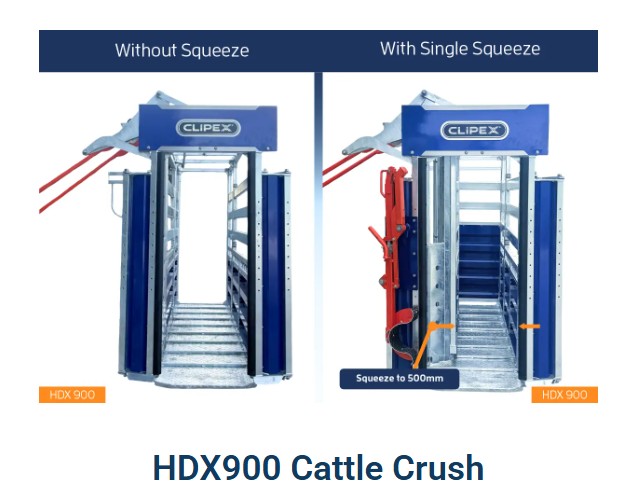
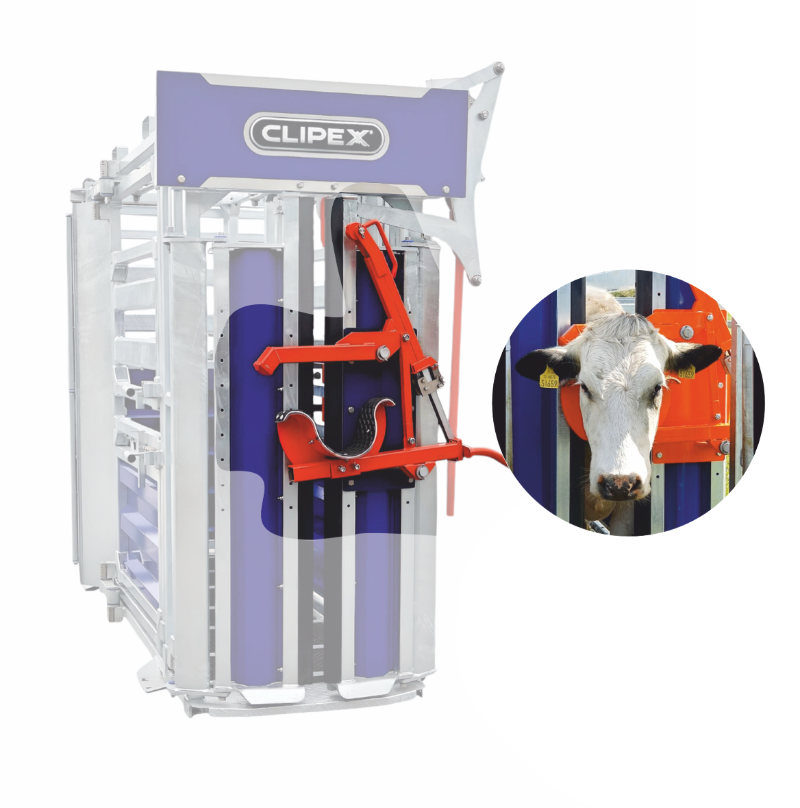
Start with the yoke. A self-catch or scissor yoke can speed throughput, but only if it releases cleanly and suits horned or polled cattle. If you run horned cattle, confirm the yoke opening range and how it restrains without twisting the head.
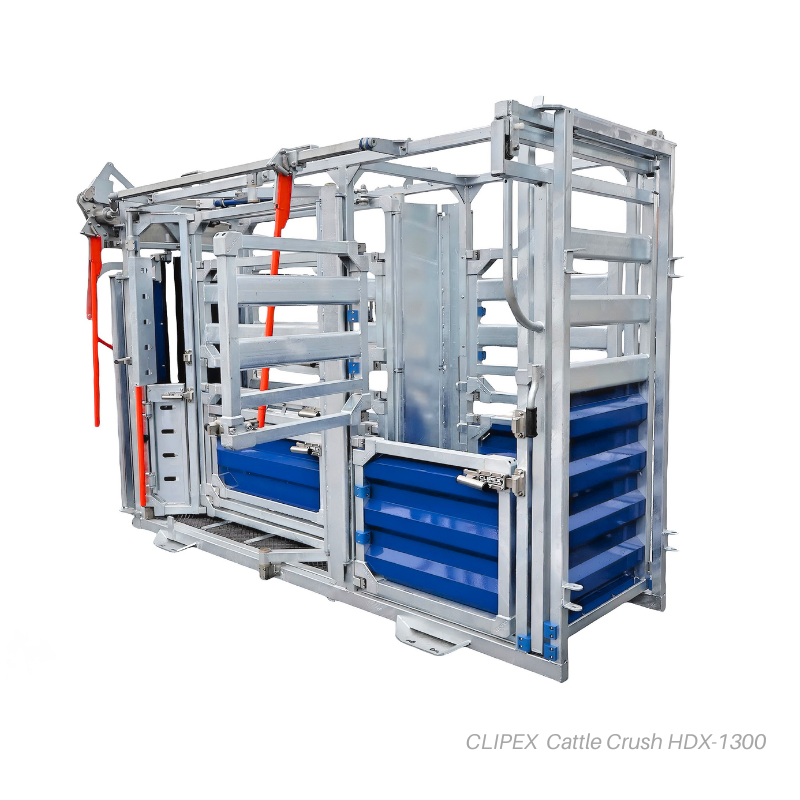
Next, check side access. Look for split side doors or drop-down panels that let you reach the neck, flank, and belly without climbing or leaning over rails. For foot work, a cattle crush that accepts a belly band and has clear leg access saves time and reduces risk.
Finally, match dimensions to your race. A crush that sits narrower or wider than the race creates shoulder rubs, baulking, and gaps that trap legs. If you are unsure, Farming Solutions Ltd’s yard design service can work from measurements and photos to set race width, gate swing, and cattle crushes position before you commit to steel or concrete.
Manual vs Pneumatic Crushes – Which Is Best for Your System?
Manual vs Pneumatic Cattle Crushes: What You Gain, What You Trade Off
Once you have the race width and gate swing right, the next decision is how you apply restraint and how quickly you can repeat it. Cattle crush selection for day-to-day UK use, the manual vs pneumatic question in a cattle crush comes down to control under pressure, how calm cattle stay, and what happens when something fails mid-run.
| Factor | Manual Cattle Crush | Pneumatic Cattle Crush |
|---|---|---|
| Control at the yoke | Direct feel through a lever or ratchet, easy to “feather” on flighty cattle. | Fast clamp and release with a valve, consistent pressure if set well. |
| Throughput | Depends on operator strength and repetition, fine for occasional handling. | Higher repeat speed for frequent TB days, weighing runs, and big groups. |
| Noise and stress | Often quieter, fewer sudden sounds if mechanisms are maintained. | Air exhaust and quick movements can startle cattle if poorly set up. |
| Maintenance | Grease points, pins, springs, and ratchets, simple field fixes. | Compressor, air lines, filters, water traps, seals, and valve servicing. |
| Failure Modes | Wear in pawls or bent linkages, usually degrades gradually. | Air leaks, stuck valves, frozen condensate, compressor failure, often sudden. |
| Lifetime Cost | Lower purchase cost, higher labour cost if you handle often. | Higher purchase cost, lower labour cost when used regularly. |
Where Pneumatics Pay, And Where Manual Still Wins
This is a crucial factor in cattle crush selection for UK yards
Pneumatic crushes make sense when you run cattle through regularly with a small team. If you TB test large groups, scan in-calf cows, or draft by weight, the speed and repeatability reduce stop-start pressure at the yoke. That matters because stop-start handling teaches cattle to baulk, and the race behind you packs up.
Manual crushes stay popular for a reason. They work without a compressor, they tolerate wet yards, and you can keep them going with basic spares. On mixed farms where the crush sits idle for weeks, pneumatic systems can suffer from moisture in airlines and sticky valves unless you keep the air system dry and serviced.
Noise is not a small detail. A loud air exhaust beside the head gate can make cattle throw their heads, which turns a simple injection into a wrestling match. If you go pneumatic, specify a tidy hose route, protected fittings, and an operator position that keeps hands away from pinch points.
How Do You Integrate a Cattle Crush With Races, Tubs, Drafting, and Loading Without Pinch Points?
A loud air exhaust at the head gate can trigger head tossing, but most baulking starts earlier. The cattle crush sits at the end of a flow system, so a small misalignment in the race, tub, or exit gate creates a stop-start pattern that cattle remember.
The aim is simple: cattle should see a clear forward path, meet consistent width under their shoulders, and never get a chance to turn back. When you get that right, throughput improves without rushing people or animals.
Yard-Flow Rules That Prevent Pinch Points
- Keep the race and crush on the same centreline: avoid a “dog-leg” into the yoke. Even a slight angle makes cattle hesitate because the exit is not obvious.
- Match widths at the interface: a race that flares into a narrower crush creates shoulder rubs and stops. A crush that is wider than the race creates gaps where feet can slip or get trapped.
- Control backing where it starts: fit an anti-back device in the race (backing bar, one-way gate, or ratchet anti-back) so pressure does not build at the yoke. Put it where the operator can reset it without stepping into the race.
- Protect sightlines at the forcing pen or tub: cattle flow better when they see forward space. Solid sheeting on the forcing tub and race often reduces distractions from people, dogs, and machinery.
- Make gates open fully and park safely: a drafting gate or man-gate that swings into the race becomes a permanent pinch point. Check the swing arc on paper, then check it again with a tape measure in the yard.
- Give the crush a clean exit run: cattle should leave the crush into a straight section before any turn, drafting decision, or loading ramp. Tight turns immediately after release cause bunching and kicks.
Drafting and loading work best when you separate decision points. Put drafting after the crush only if you have space for a short holding run and a gate position the operator can reach without crossing the animal’s line of travel. If you draft before the crush, keep the approach straight so cattle do not slow at the split.
When farms send Farming Solutions Ltd a sketch, photos, and key widths, the fastest wins usually come from moving one gate, straightening one approach, and removing one dead-end that teaches cattle to stop.
Weighing and EID Integration: Platform Placement, Reader Positioning, and Data Workflow
Moving one gate and straightening one approach fixes flow, but weighing and EID are where a good cattle crush setup often still loses time. If the platform rocks, the weigh head never settles. If the reader sits in the wrong place, you get missed reads and a manual “write it down later” job that never stays accurate.
Integration works best when you treat weighing and EID as a single station: consistent animal position, stable footing, protected cables, and a routine that one person can repeat on a wet February morning.
How to Integrate EID Readers Into Your Cattle Handling System
UK Cattle Crush Selection Weighing and EID Integration Steps
- Pick the weigh point: place the platform so cattle stand fully on it before the yoke closes. If the front feet are on steel and the back feet are on the platform, weights drift and cattle shuffle.
- Build a level base: set the platform on sound concrete with no twist. Shim properly if needed. A rocking platform causes unstable readings and bent load bars.
- Keep the line straight: align race, platform, and crush so cattle walk forward in one line. Avoid a tight turn onto the platform. Turns slow entry and increase baulking.
- Protect cables and load bars: route weigh cables in heavy conduit or box section, away from hooves and pressure washing. Leave a service loop so you can lift the platform without ripping connectors.
- Plan power and comms: decide early if your indicator uploads to a phone, a laptop, or a handheld like the SRS2 EID Reader or XRS2 EID Reader. Tru-Test (Datamars) indicators and Gallagher weigh heads are common selections to complement cattle crushes on UK farms. Either way, mount the indicator where you can see it from the crush controls, not behind a gate swing.
- Mount the EID reader for a clean read: position the antenna where the ear passes consistently, usually at the crush entry or just before the yoke. Keep it off the rails cattle rub, and keep it away from high-current cables that can add interference.
- Use a repeatable data routine: read EID as the animal commits, confirm the ID on screen, let the weight stabilise, then save. If the software supports it, auto-assign weight to the last read tag to reduce keystrokes.
If you send Farming Solutions Ltd your platform make, indicator model, and a few photos of cable routes, they can design mounts and protection that fit your existing race and crush, instead of leaving you with exposed wires and awkward screen positions.
The Contrarian Checklist: What to Ask Suppliers Before You Buy or Pour Concrete
Exposed EID cables and awkward screen positions are annoying. Pouring the wrong concrete or boxing yourself into a dead-end yard is expensive. Before you commit to a cattle crush selection for UK requirements, treat the supplier conversation like a site survey, because the crush lives or dies on access, foundations, and future-proofing.
UK Cattle Crush Selection Questions That Stop Expensive Surprises Later
- What foundation does this crush actually need? Ask for bolt pattern, base footprint, recommended slab thickness, and whether they specify a plinth or recessed area for a weighing platform. Confirm tolerances, because a twist in the base shows up as sticky gates and poor yoke alignment.
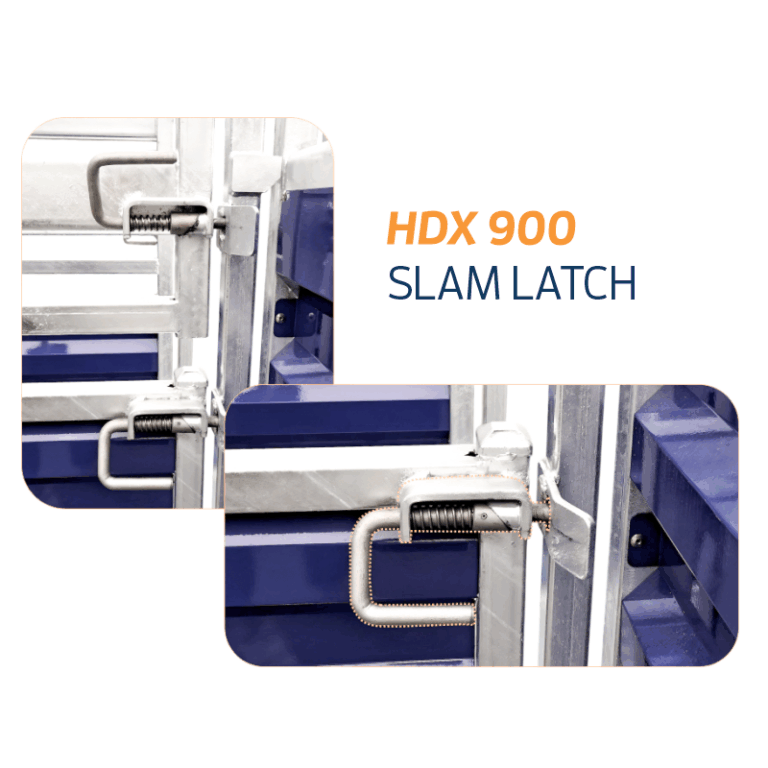
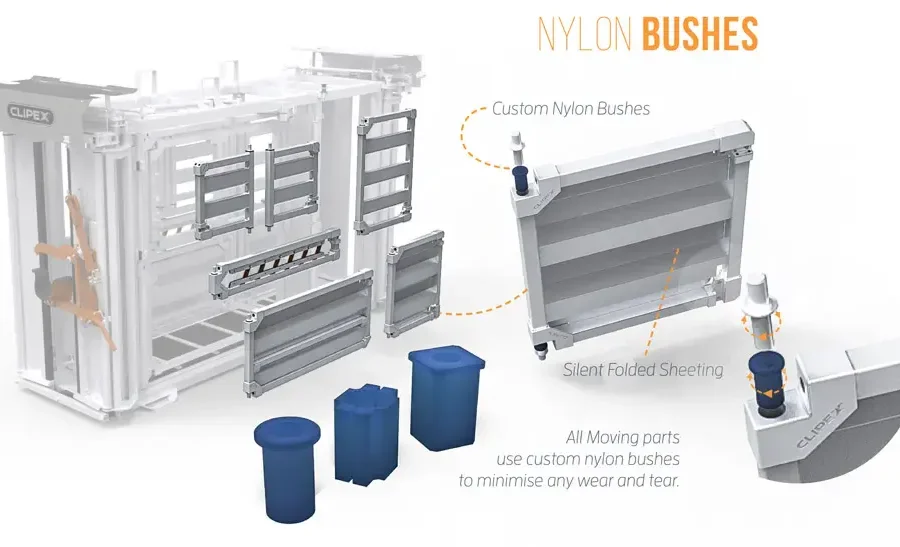
- Where are the wear points and what are the service parts? Get a list of pins, bushes, springs, pawls, yoke linkages, and slam latches that wear. Ask if parts are stocked in the UK and what a typical lead time looks like in-season.
- What galvanising spec do you use and how do you finish cut edges? Hot dip galvanising quality and post-galv finishing affect corrosion around hinges, lugs, and welded brackets, especially in wet yards and where slurry splash hits.
- Can a vet work safely on both sides? Ask which side doors open, how far they open, and whether any latch or brace blocks neck access for TB testing. If you do foot work, confirm belly band compatibility and leg access.
- How does it integrate with my race and exit? Confirm entry width, exit gate swing, anti-back options, and whether the crush can align on the race centreline without a dog-leg.
- If it is pneumatic, what is the air plan? Ask where the compressor sits, how they route and protect airlines, what filtration and water traps they specify, and what happens when pressure drops mid-run.
- What will I want to add in two years? Ask how you would add drafting gates, a calf pen, a longer race, or a loading run without moving the crush.
- Can you supply grant-ready paperwork? If you plan to apply for schemes such as Defra’s Farming Equipment and Technology Fund (FETF), is the cattle handling equipment FETF Approved, ask the supplier what product descriptions, quotes, and spec sheets they can provide. Check the current scheme rules yourself at GOV.UK.
If you want a bespoke cattle handling system design, for your cattle crush selection for UK yards. send Farming Solutions Ltd five things: a rough yard sketch with key widths, photos of entry and exit lines, your cattle type and batch size, your weighing indicator and EID reader models, and where you want cattle to end up after the crush. Then insist on one outcome: a straight, calm flow that a tired person can run safely on a wet February morning.






1 Comment