Which cattle crush for dairy farms?
Choosing the right cattle crush is one of the most important decisions a dairy farmer will make. Unlike beef units, where cattle may only be handled a few times a year, dairy cows require frequent, routine handling for mobility scoring, foot trimming, AI, pregnancy diagnosis, health checks, and veterinary work. That means the crush must be strong, safe, comfortable for the cow, and efficient for the operator.
With modern dairy cows often weighing 650–900kg, and with labour pressures increasing across the industry, the right cattle handling equipment can make a huge difference to safety, workflow, and long‑term herd health. This guide explains what dairy farms should prioritise when choosing a crush, and how different types of cattle crushes, including manual crushes and pneumatic crushes – fit into modern cattle handling systems.
Why Dairy Farms Have Unique Crush Requirements
Dairy cows are handled more frequently than beef cattle, and often for more specialised tasks. This means the crush must offer:
- Excellent side access
- Strong, stable construction
- Quiet, low‑stress operation
- Safe restraint for large cows
- Easy integration with foot trimming and vet work
- Efficient operation for high‑throughput yards
A crush that works well for a beef unit may not be suitable for a dairy farm where cows are handled daily or weekly.
1. Prioritise Strength and Stability
Modern dairy cows are big, powerful animals. Holsteins, Montbéliardes, and cross‑breeds can exert significant force when stressed or uncomfortable. A crush must be strong enough to restrain them safely without flexing or shifting.
What to look for
- Heavy‑duty steel frames
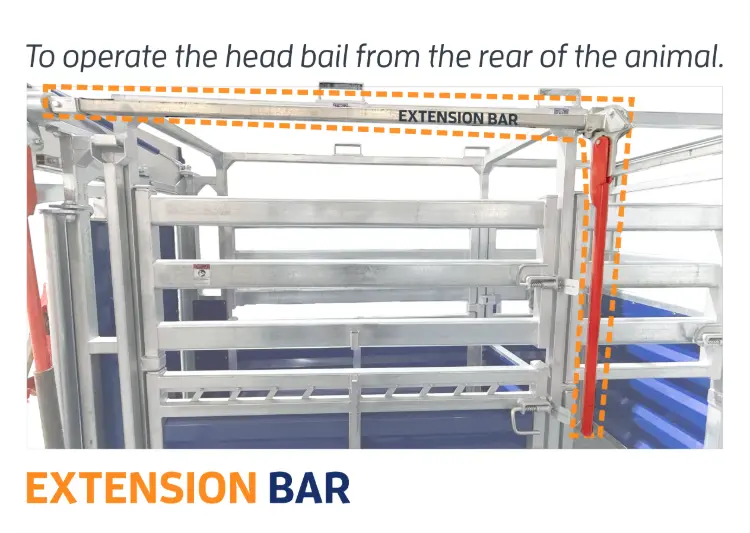
- Reinforced head bails
- Strong side gates
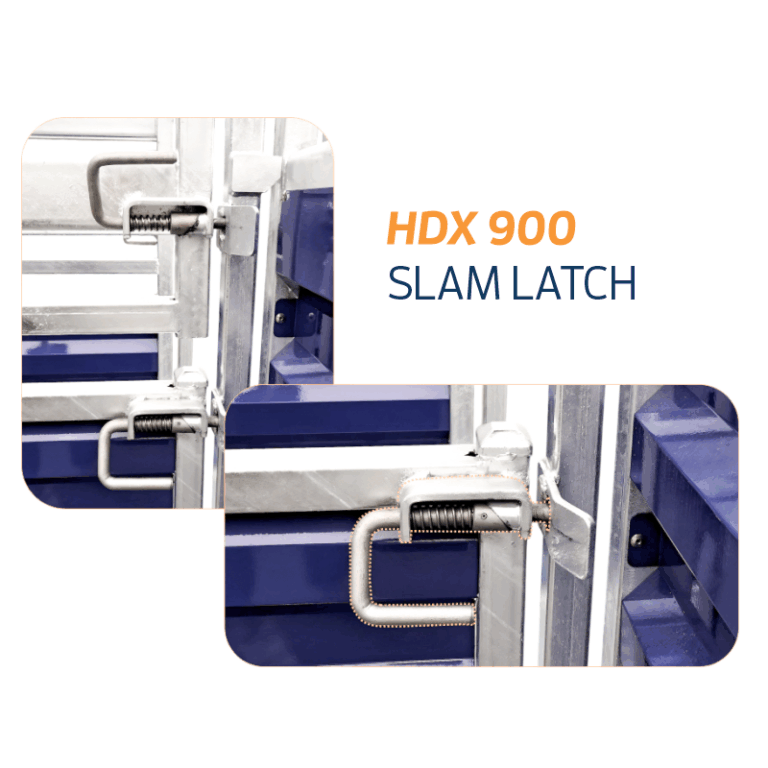
- Secure locking mechanisms
- Anti‑backing systems
- Non‑slip flooring
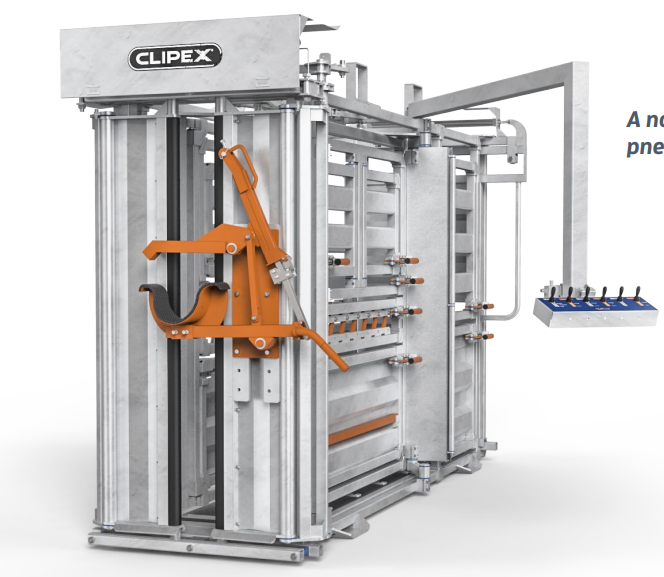
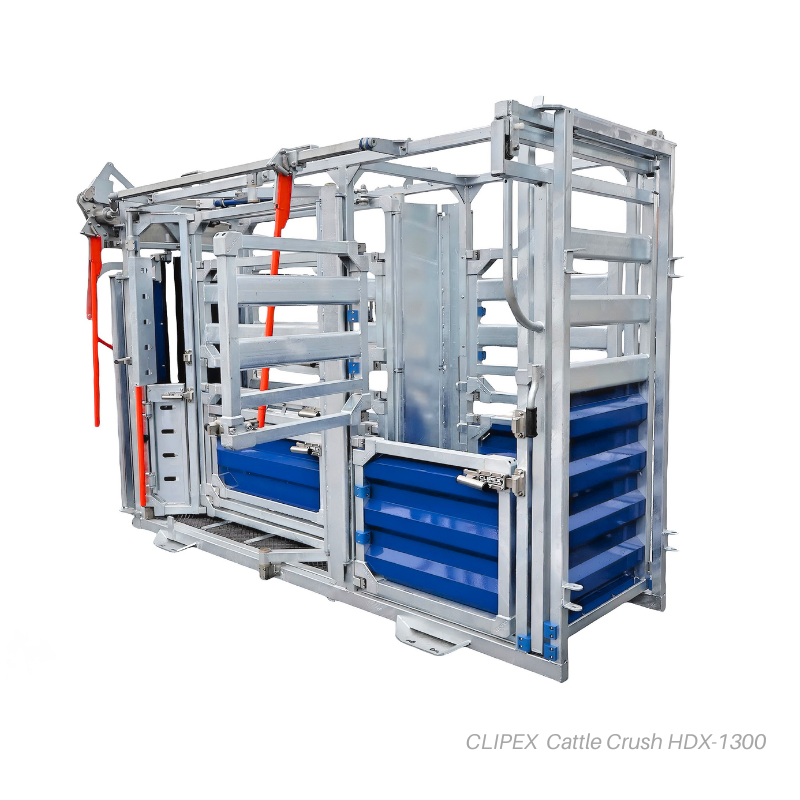
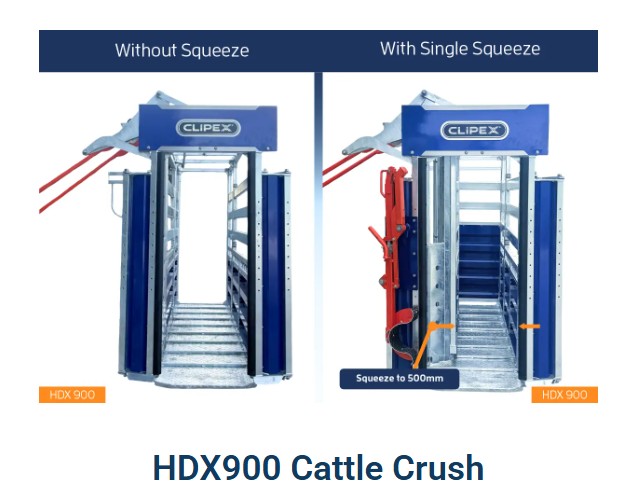
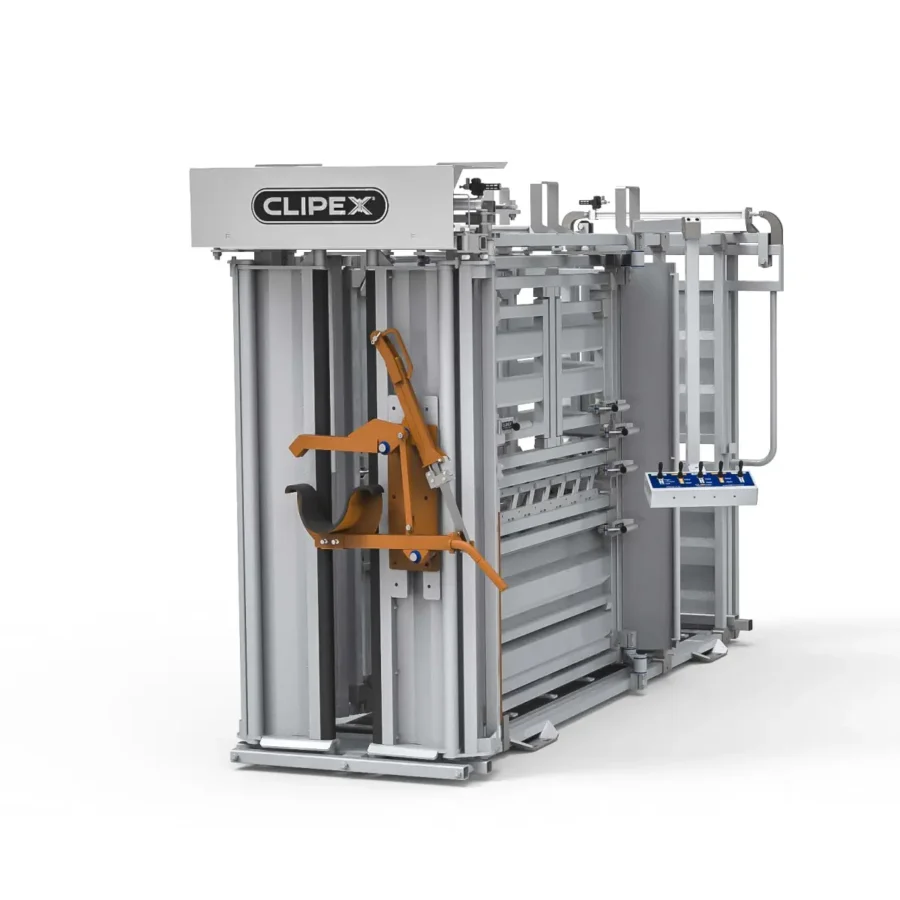
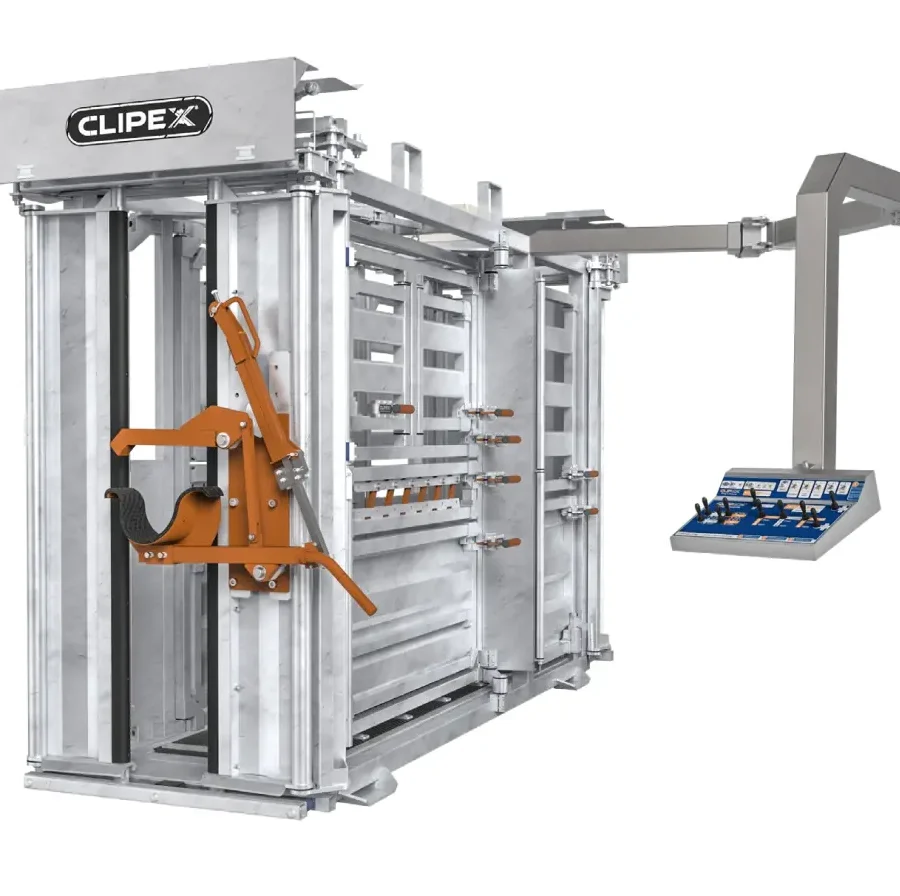
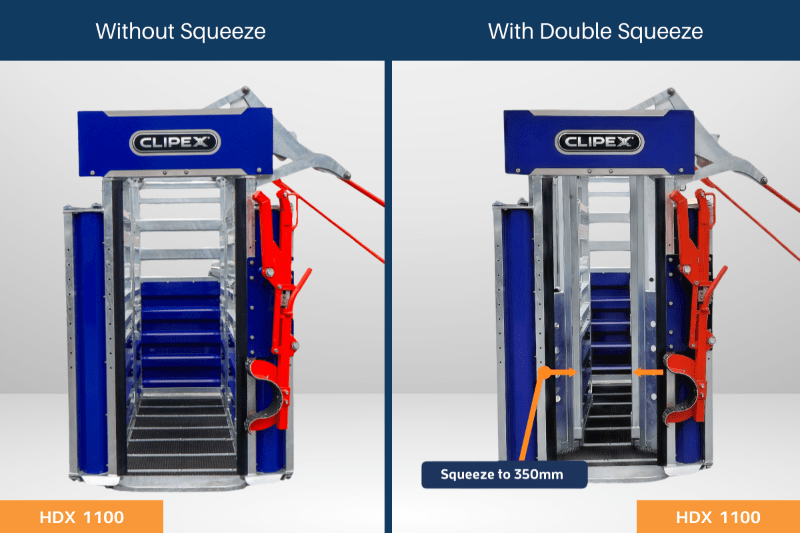
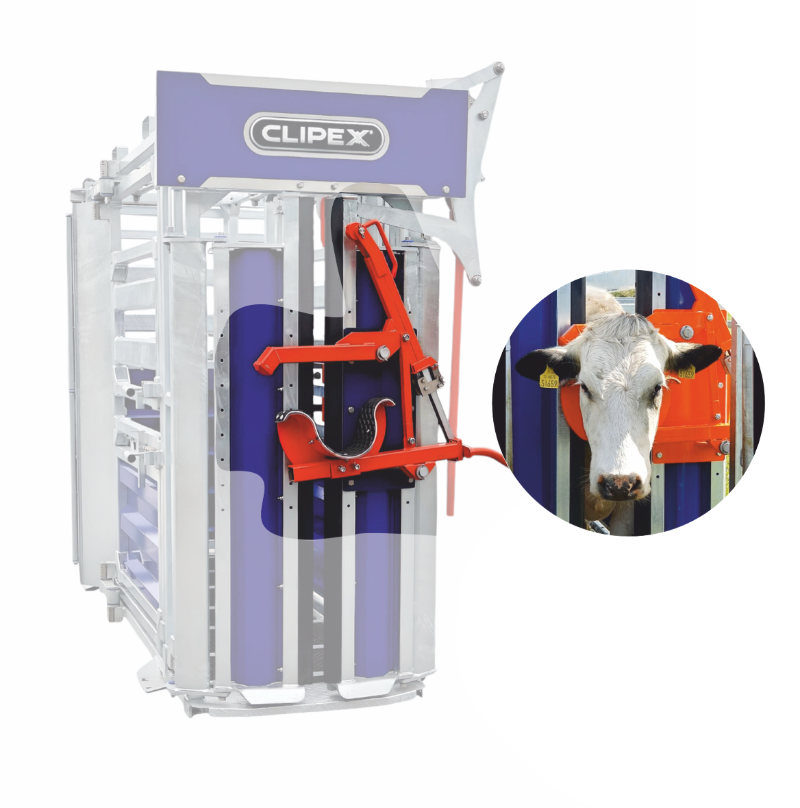
Heavy‑duty crushes – such as the Clipex HD or HDX Series – are particularly well‑suited to dairy environments because they are built to withstand frequent use and the size of modern cows.
2. Excellent Side Access for Foot Trimming and Mobility Work
Foot health is a major priority for dairy farms. Lameness is one of the most costly health issues in the sector, and regular mobility scoring and foot trimming are essential.
A dairy‑friendly crush must offer:
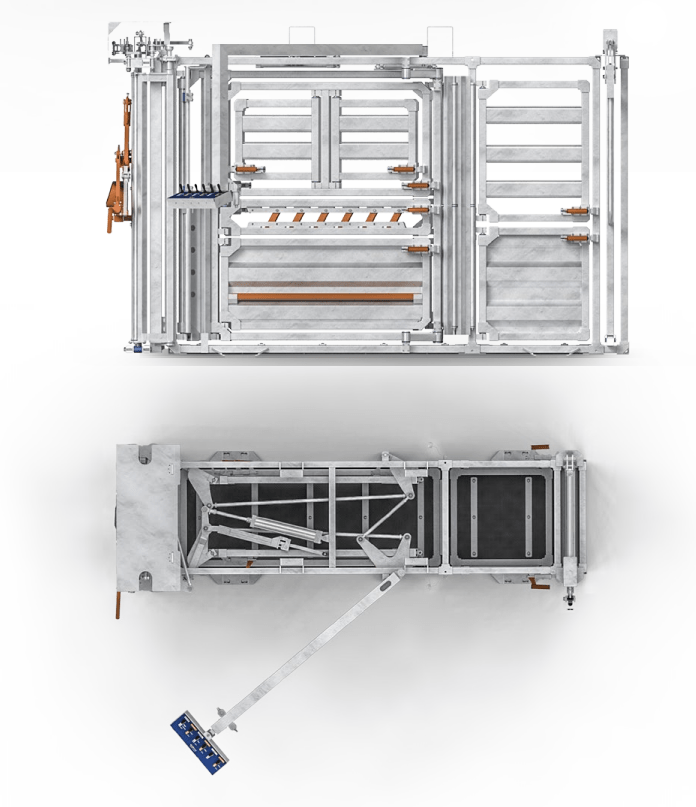
- Wide‑opening side gates
- Easy access to front and rear feet
- Secure restraint without excessive pressure
- Space for trimmers and vets to work safely
Some farms choose dedicated foot‑trimming crushes, but many prefer a versatile, heavy‑duty crush that can handle both routine work and specialist tasks.
3. Quiet, Low‑Stress Operation
Dairy cows are creatures of habit. They respond well to calm, predictable handling and can become stressed by loud noises, sudden movements, or uncomfortable restraint.
Low‑stress features to prioritise
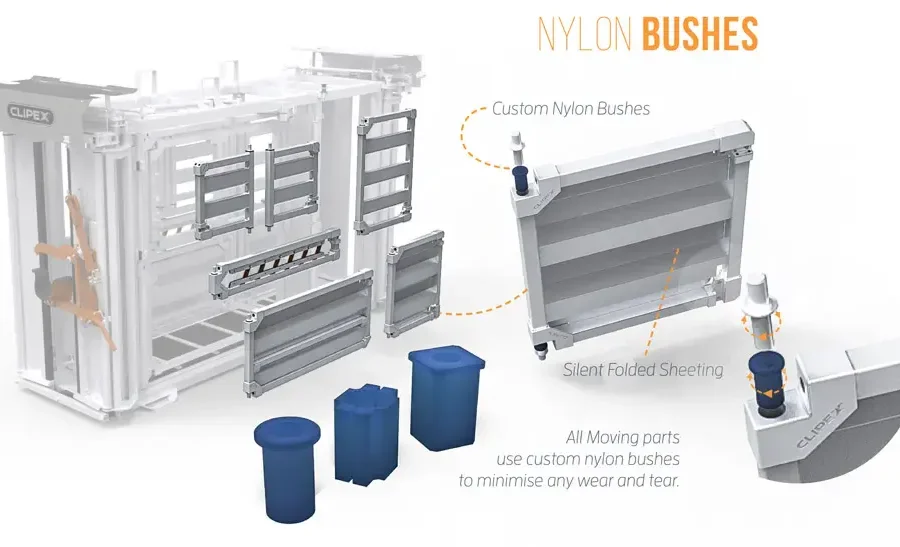
- Quiet latches and gates
- Smooth, rounded edges
- Hydraulic or pneumatic operation (for quieter movement)
- Good lighting and visibility
- Non‑slip surfaces
Low‑stress handling improves cow flow, reduces injuries, and makes routine work faster and safer.
4. Manual Crushes vs Pneumatic Crushes: Which Is Best for Dairy Farms?
Both manual crushes and pneumatic crushes have a place in dairy systems, but the right choice depends on herd size, handling frequency, and labour availability.
Manual Crushes
Manual crushes are a popular choice for small to medium dairy farms. They are:
- Cost‑effective
- Reliable
- Easy to maintain
- Suitable for routine handling
- Strong enough for large cows (in heavy‑duty models)
A well‑designed manual crush with good side access and a strong head bail is perfectly adequate for many dairy operations.
Pneumatic Crushes
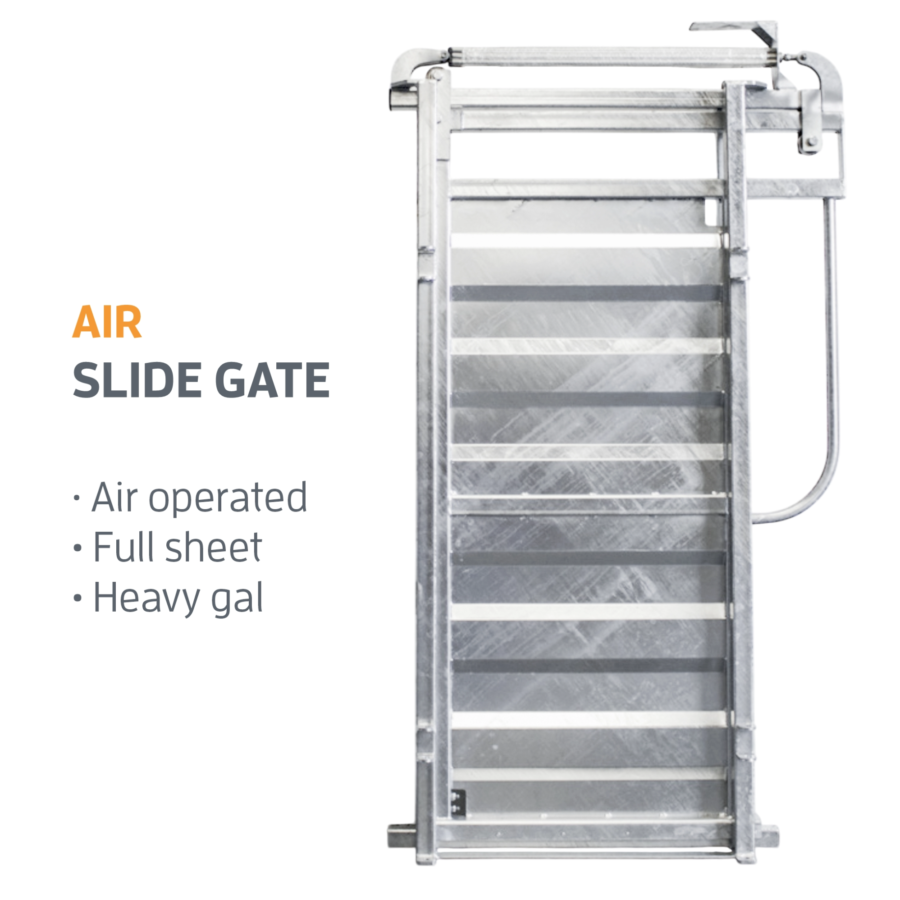
Pneumatic crushes use air power to operate gates, head bails, and side panels. They offer:
- Faster, smoother operation
- Reduced physical effort
- Quieter handling
- Better control of large cows
- Improved safety for staff
- Ideal performance for high‑throughput yards
For large dairy herds, or farms with limited labour, pneumatic crushes can significantly improve efficiency and reduce operator fatigue.
5. Integration with Modern Cattle Handling Systems
A crush is only as effective as the system feeding into it. Dairy farms benefit from cattle handling systems designed around cow flow, safety, and efficiency.
Key system features for dairy farms
- Straight or gently curved races
- Solid race sides to reduce distractions
- Anti‑backing devices
- Safe holding pens
- Good lighting
- Non‑slip flooring
- Easy access for foot trimmers and vets
A well‑designed system reduces stress, speeds up handling, and improves safety for both cows and staff.
6. Safety for Operators and Cows
Safety is a major concern on dairy farms, especially when handling large cows for foot trimming or veterinary work.
Safety features to prioritise
- Secure head bail with reliable locking
- Anti‑kick bars or panels
- Strong side gates
- Emergency release mechanisms
- Stable, heavy‑duty construction
- Good operator access
A crush that feels safe encourages staff to handle cows more confidently and reduces the risk of accidents.
7. Durability and Long‑Term Value
Dairy farms handle cattle more frequently than beef units, so durability is essential. A crush that is used daily must be built to last.
Long‑term value considerations
- Heavy‑duty construction reduces maintenance
- Pneumatic systems reduce wear on moving parts
- Strong welds and reinforced frames extend lifespan
- Higher initial cost often means lower cost per year of use
Investing in a high‑quality crush pays off through reduced downtime, fewer repairs, and improved safety.
Final Thoughts: What Dairy Farms Should Prioritise
When choosing a cattle crush, dairy farms should focus on:
- Strength and stability
- Excellent side access
- Low‑stress handling
- Efficient operation
- Safety for cows and staff
- Compatibility with modern cattle handling equipment
- Integration into well‑designed cattle handling systems
- Choosing between manual crushes and pneumatic crushes based on herd size and labour
A well‑chosen crush improves workflow, reduces stress, supports better foot health, and makes routine handling safer and more efficient.