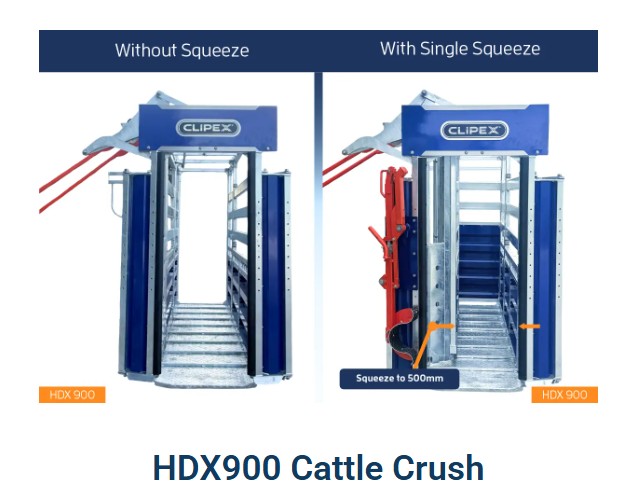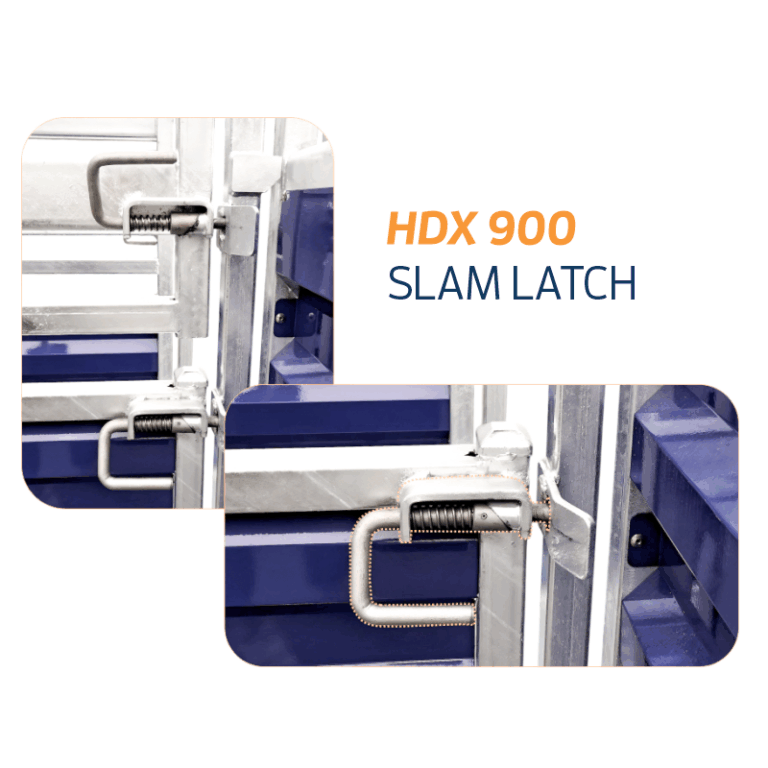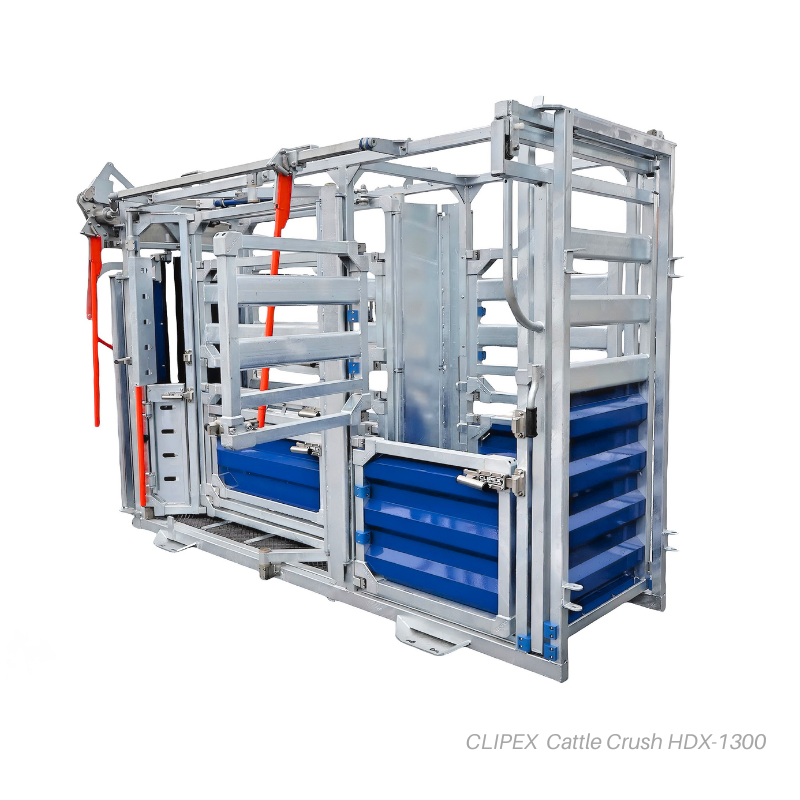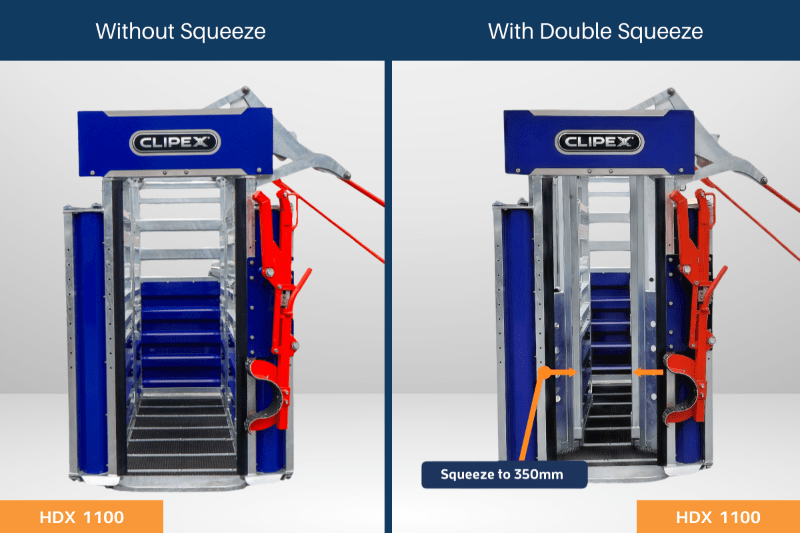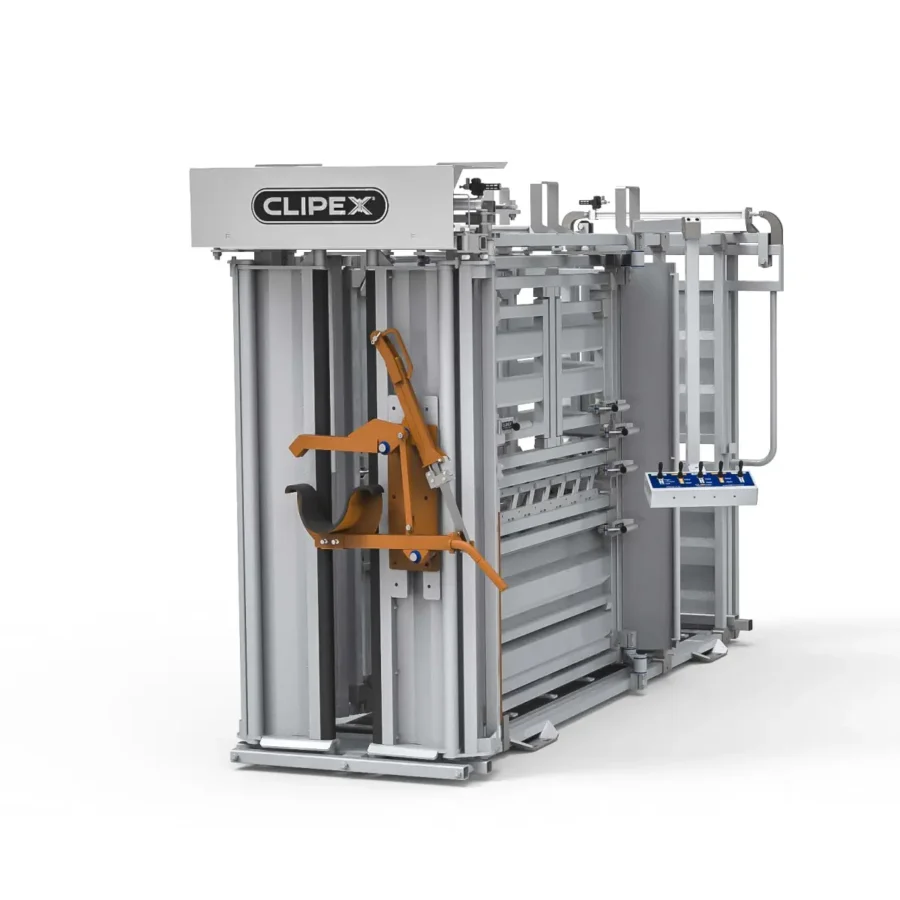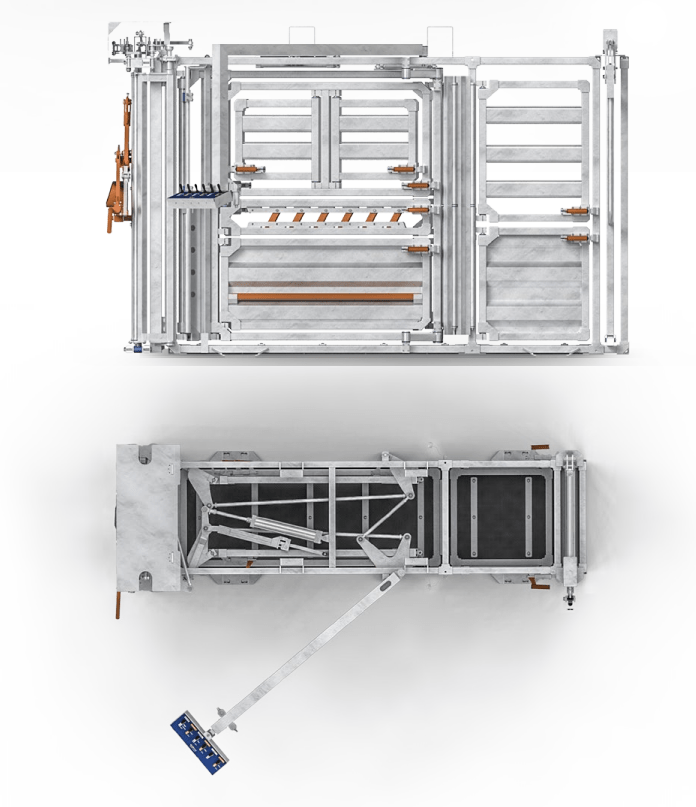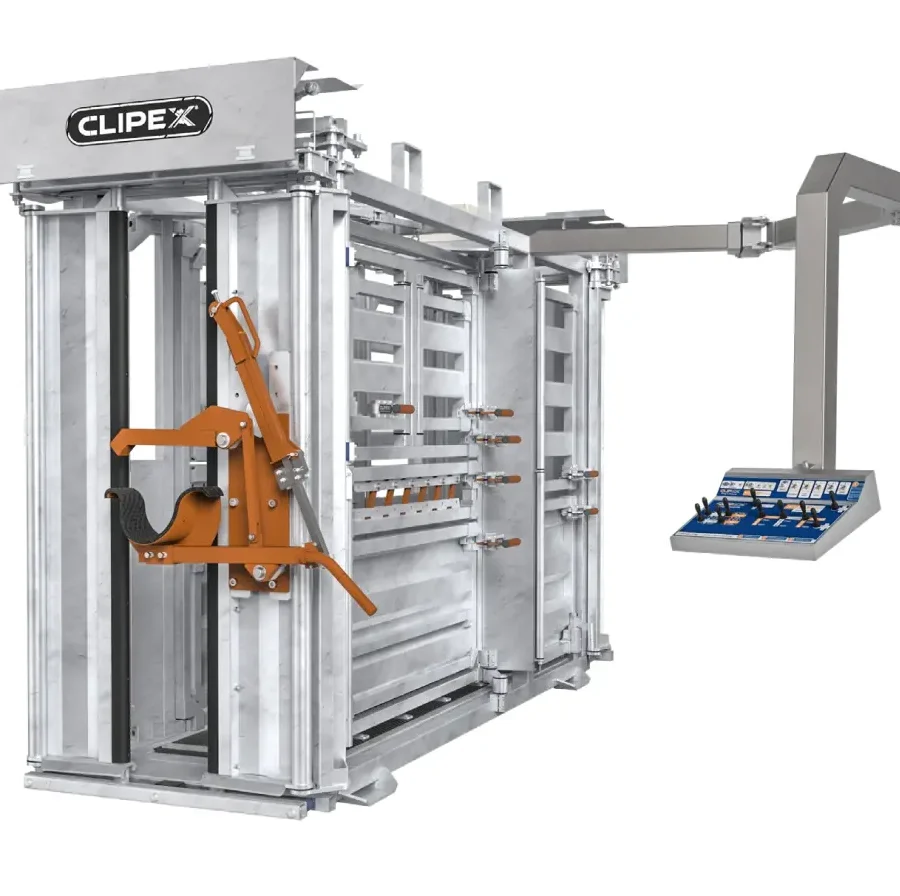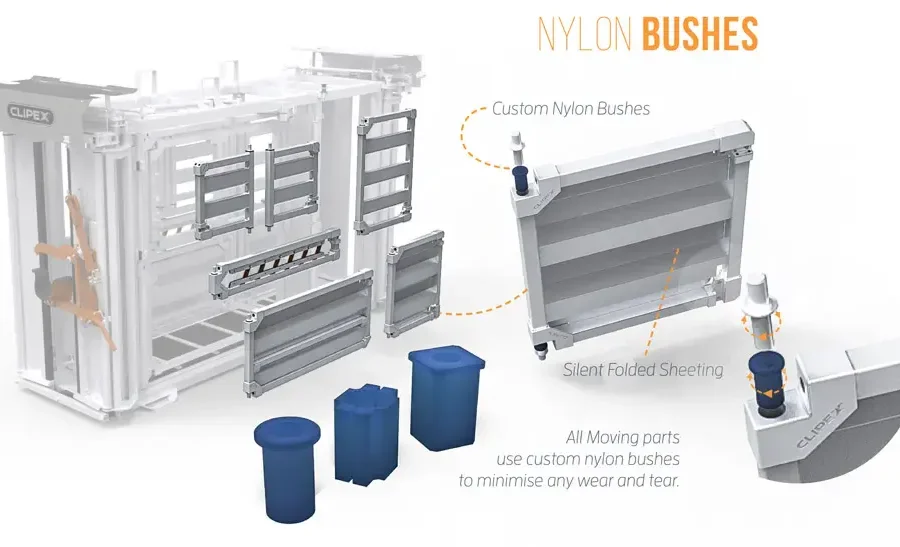
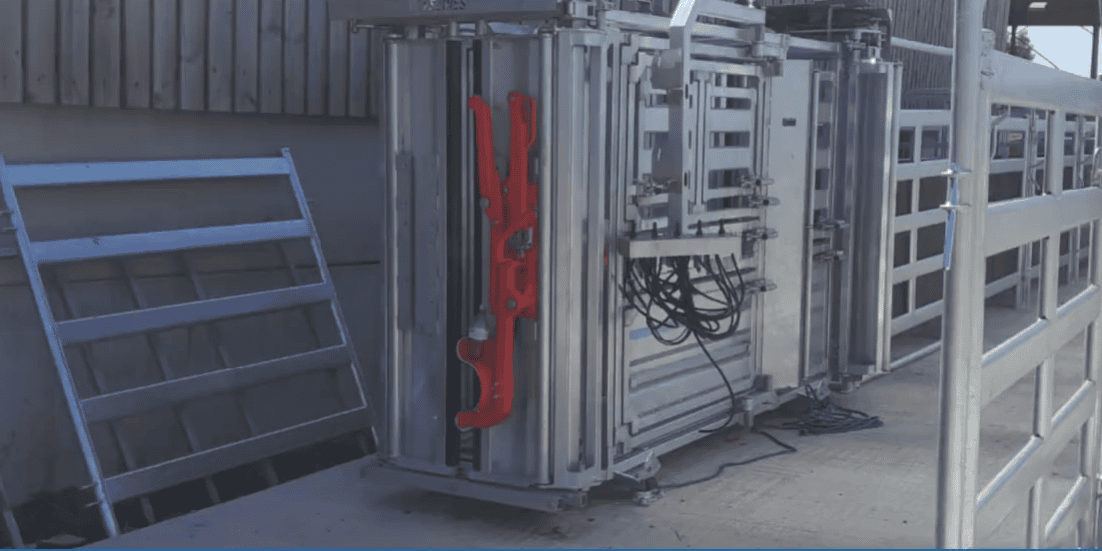
If you are evaluating a new cattle crush or a complete livestock handling yard without the help of a government grant, the upfront invoice can look daunting. However, looking strictly at the purchase price misses the daily financial leaks an old yard causes.
Investing in high-end equipment like a Clipex Cattle Crush isn’t just a safety purchase; it is a direct cost-reduction strategy. Let’s look at the hard financial data, calculate the exact payback period for your herd, and explore how to spread the cost using tax-efficient agricultural finance.
Calculating Your Payback Period (150-Head Beef Herd)
To calculate true return on investment, you must contrast the cost of an upgraded yard against the hidden annual expenses of an inefficient or multi-person manual system.
Let’s look at a realistic, real-world comparison of upgrading from a standard manual crush setup to a high-efficiency curved race and pneumatic crush.
Old Manual System
Staff needed: 3 people (often the farmer, a farmhand, and a family member).
Time per session: 4 hours.
Total labor hours per year (8 sessions):
3 people x 4 hours x 8 sessions = 96 hoursEstimated labor cost (at £15/hr): £1,440 per year.
Modern Upgraded Yard (Single-Operator Design)
Staff needed: 1 person (safely managing livestock flow via specialised backing gates and a modern crush).
Time per session: 2.5 hours (smoother flow, no cattle backing up).
Total labor hours per year (8 sessions):
1 person x 2.5 hours x 8 sessions = 20 hoursEstimated labor cost (at £15/hr): £300 per year.
The Hard Math: 150-Head Beef Herd ROI
To calculate true return on investment, you must contrast the cost of an upgraded yard against the hidden annual expenses of an inefficient or multi-person manual system.
Traditional Manual Yard vs. Single-Operator Clipex Upgrade
| Expense Category | Outdated Manual System | Upgraded Clipex System | Annual Farm Savings |
| Annual Farm Labor | £1,440
(3 people x 4 hrs x 8 sessions @ £15/hr) | £300
(1 person x 2.5 hrs x 8 sessions @ £15/hr) | £1,140 |
| Veterinary Bill Time | Baseline hourly rate | 5 hours saved per year (Average £90/hr rate) | £450 |
| Livestock Stress/Weight | Performance loss from balking | Calm handling = optimized Daily Live Weight Gain | £300 |
| Total Cash Saved Per Year | — | — | £1,890 |
The 10-Year Return: Over a standard 10-year period, the operational savings alone total £18,900. Because Clipex equipment features heavy-duty, hot-dip galvanization, the system’s working lifespan easily extends beyond this payback period, generating pure profit long after the equipment has paid for itself.
Eliminating the Three Hidden Cost Leaks
When a handling system fails to control livestock flow smoothly, it drains money from your business in three specific areas:
1. The Labor Drain
If simple tasks like routine dosing, tagging, or scanning require you to pull extra staff or family members away from other jobs, your labor costs instantly triple. Modern single-operator yards allow one person to do the work of three safely, freeing up labor for other critical farm tasks.
2. The Veterinary Clock
Veterinarians charge by the hour. When cattle balk, turn around, or a manual head gate slips, you are paying a high specialist rate for downtime. A smooth, curving race and a reliable squeeze crush ensure veterinary procedures are completed in a fraction of the time.
3. The Injury Liability
Livestock handling remains one of the leading causes of major injuries on UK farms. The financial impact of a single operator injury, broken bone, or severely bruised animal dwarfs the cost of premium infrastructure. Upgrading to pneumatic controls or automated systems keeps the handler completely out of the flight zone.
Spreading the Cattle Crush Cost With Flexible Farm Finance
You do not need to wait for unpredictable grant funding windows to open, nor do you need to deplete your farm’s cash reserves to start working safely.
At Farming Solutions Ltd, we partner with dedicated agricultural asset finance specialists to help farmers secure equipment immediately while spreading the cost over 3, 4, or 5 years.
Preserve Working Capital: Keep your cash reserves in the bank to absorb market volatility, fertiliser prices, and feed costs.
Tax Efficiencies: Hire purchase and finance lease setups allow you to offset your regular payments against your farm’s taxable profits.
Seasonal Payment Profiles: Your payments can be structured around your repayment schedule to align with your natural cash flow peaks, such as timing payments to follow major autumn or spring stock sales. To help with the cattle crush cost.
Take Control of Your Infrastructure
Delaying a cattle crush upgrade while waiting for next year’s grant cycles can be a costly gamble. Between rising steel manufacturing costs, labour scarcity, and the ongoing stress of an unsafe workspace, the most profitable decision is often to invest in asset efficiency today.