Livestock EID System Guide
Electronic Identification (EID) has evolved from a mandatory compliance burden into one of the most powerful profitability drivers on modern livestock farms.
By pairing unique RFID ear tag data with automated weight-tracking and herd management software, farm managers can eliminate manual record-keeping errors, monitor Daily Live Weight Gain (DLWG) in real time, and target market specifications with precision.
However, building an efficient digital setup requires understanding how different EID hardware components interact within your handling race and yard layout.
1. Handheld Stick Readers vs. Fixed Panel Antennas
Selecting the right EID reader depends on your stock volume, handling speed, and labour availability.
Handheld EID Stick Readers
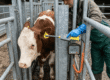
Stick readers (such as the Tru-Test XRS2 or Tru-Test SRS2 series) are mobile, battery-operated RFID wands designed for flexible, hand-held data capture.
Best Used For: Crush-side scanning, vet treatments, TB testing, field batching, and mobile sheep processing.
Key Advantages: Highly portable, no fixed installation required, and simple setup via Bluetooth to phone apps or weigh indicators.
Limitations: Requires an operator to manually scan each animal’s head/ear area, which can slow down throughput on high-volume enterprises.
Fixed EID Panel Antennas
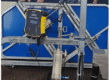
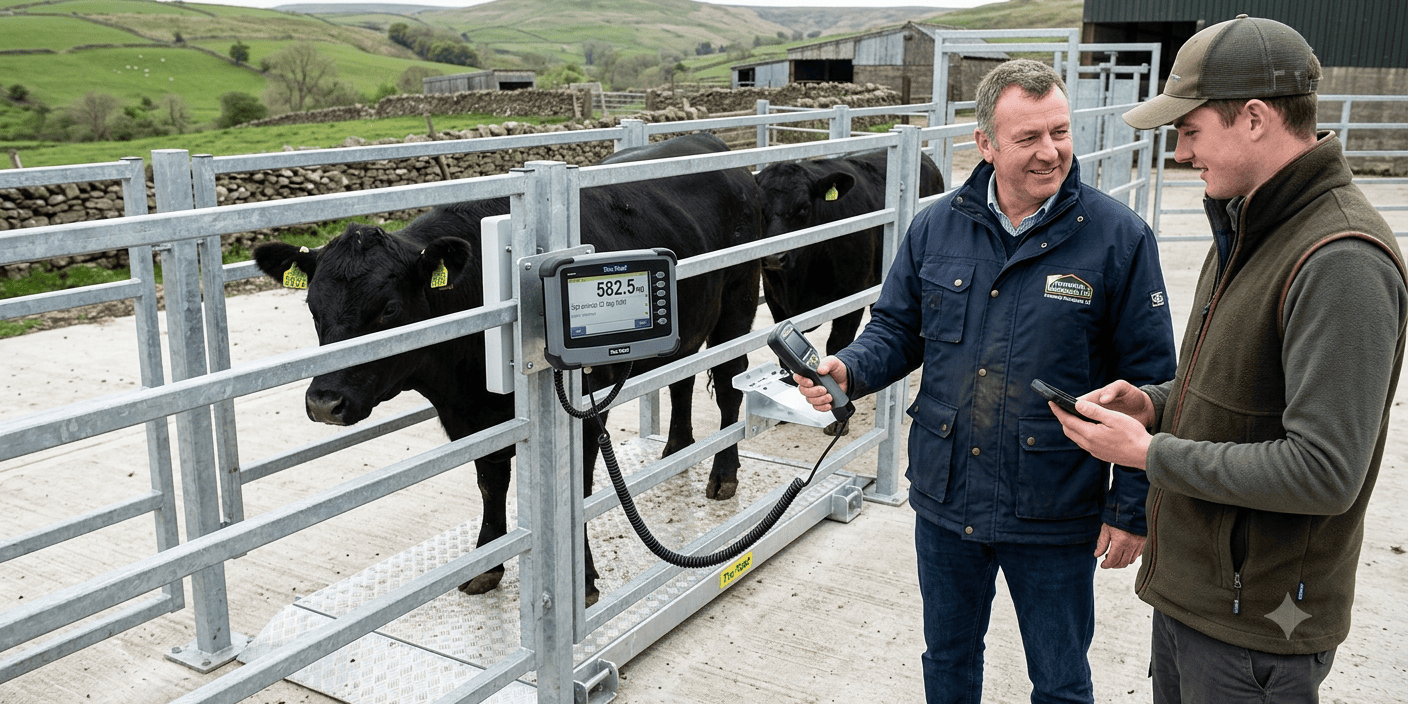
Panel readers consist of a stationary antenna plate mounted directly to a race wall, forcing pen, or cattle crush frame, wired to an automated reader box.
Best Used For: High-throughput cattle handling, automated sheep drafting crates, and hands-free race scanning.
Key Advantages: 100% hands-free reading. Stock move past the panel at normal speed while tags are recorded instantly without human intervention.
Limitations: Stationary position requires a dedicated handling race setup and careful placement to avoid metal interference.
2. EID Tag Standards: HDX vs. FDX-B Explained
All electronic livestock tags operate on the 134.2 kHz frequency using ISO 11784/11785 standards, but they transfer data using two different technologies:
HDX (Half-Duplex): The tag charges up from the reader’s signal and then sends its signal back after the reader pauses. HDX offers greater read range and superior signal penetration through dense metal crush frames or large livestock bodies.
FDX-B (Full-Duplex): The tag responds continuously while the reader is transmitting. FDX-B tags are generally lower cost and widely used for sheep flock management.
Note: All modern commercial EID readers supplied by Farming Solutions Ltd are dual-protocol, reading both HDX and FDX-B tags automatically.
3. Weigh Scale Indicators: Entry-Level vs. Advanced Data Collection
An EID reader captures who the animal is; the weigh scale indicator captures how the animal is performing. Modern weigh heads fall into three functional tiers:
Tier 1: Entry-Level (Weight Display Only)
Basic digital monitors (e.g., Tru-Test S3) that display live weight and stream the value via Bluetooth to a smartphone or tablet app.
Best for basic weighing without complex on-device session recording.
Tier 2: Mid-Range Data Recorders
Indicators that record weights directly onto internal memory, store session history, and pair automatically with EID stick readers.
Best for tracking DLWG across batches and identifying underperforming stock.
Tier 3: Advanced Touchscreen Recorders
Full-feature indicators (e.g., Tru-Test XR5000 series) with high-visibility screens, custom field entry (treatments, sire/dam links, body condition scoring), and automated drafting relay controls.
Best for pedigree breeders, commercial finishing units, and automated sorting setups.
4. Signal Interference & Installation Rules
When mounting EID panels or loadbars in a metal yard, electromagnetic interference (EMI) can reduce tag reading distance or cause weight fluctuations.
Avoid Metal Loops: Heavy steel gates adjacent to an EID panel antenna can act as an induction loop, degrading signal range. Use non-metallic mounting brackets or insulated spacers.
Loadbar Isolation: Ensure weigh scale loadbars are installed on flat, level concrete bases. Metal race frames bolted to loadbars must operate freely without rubbing against surrounding walls or hurdles.
Cable Protection: Route all EID and loadbar cables through protective conduit away from animal foot traffic and crush moving parts.
📌 Grant Eligibility & Specification Compliance
Welsh SFS Optional Capital Grant (Open Now): If you are applying for current 40% Welsh Government funding, our full range of Tru-Test stick readers, panel antennas, and loadbars fully comply with official RPW item specifications (including ISO 11784/11785 compliance and Bluetooth export). Contact us for specification-compliant quotes to support your application.
FETF (England – Existing Award Holders Only): If you have already secured approval under previous FETF rounds, our equipment satisfies your grant contract requirements for final claim submissions.