Cattle vs Sheep EID
Cattle vs Sheep EID – Implementing an effective Electronic Identification (EID) system requires more than just choosing a highly rated EID reader; it demands selecting hardware tailored to the unique physical behaviours, handling methods, and operational requirements of the species you manage.
While standard ISO technology underpins all livestock EID, a system optimised for a 60kg sheep in a high-speed auto drafter looks radically different from one tracking performance in a 650kg beef animal.
This guide breaks down the critical differences between cattle and sheep EID implementation, ensuring your digital investment matches the livestock handling, reading, and software data challenges unique to your herd or flock.
1. Handling Facilities: Race Design and Reader Placement
The primary physical constraint in any EID implementation is your handling race.
The Cattle Challenge (Races & Heavy-Duty Crushes)
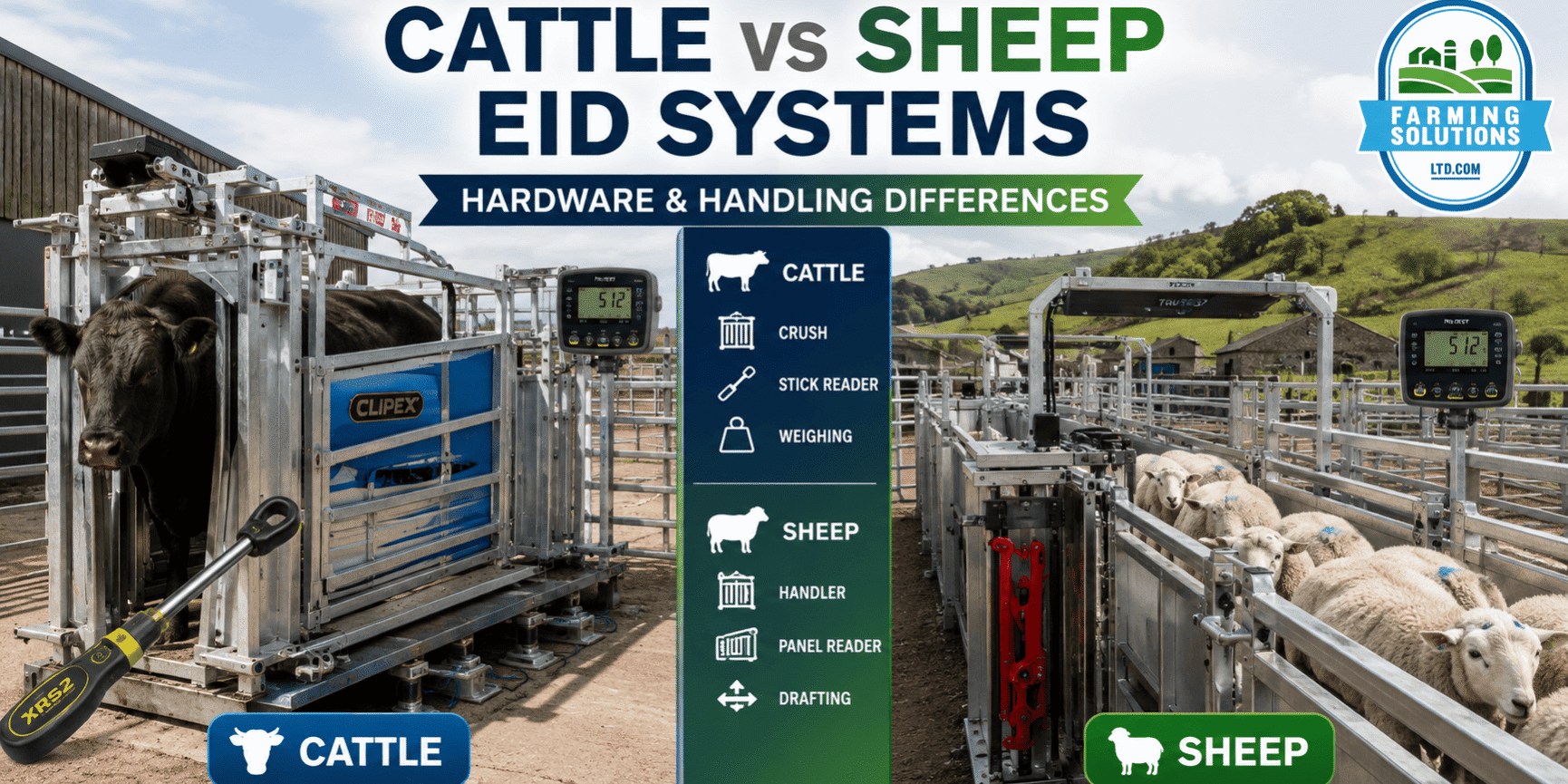
Cattle require heavy-duty galvanised steel cattle handling equipment. A standard cattle race forces animals to move single-file past a specific point (e.g., to enter a cattle crush).
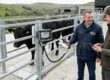
Operational Fit: This environment is ideal for Fixed EID Panel Antennas. A large panel antenna (like the Tru-Test heavy-duty panel antenna system) is mounted directly to the race wall or crush frame. It automatically reads the tag as the animal approaches, enabling seamless cattle EID data capture without an operator present.
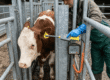
The Stick Reader Workflow: If you operate a smaller herd or require mobility, a handheld stick reader is mandatory. In a cattle crush, the operator can safely scan from head-side (reading a cattle HDX tag from ~30–45cm) during veterinary work or TB testing.
The Sheep Challenge (Races, Drafters, and High Throughput)
Sheep handling requires rapid throughput, and flock dynamics mean animals often move tightly grouped, not single file.
- Operational Fit: High-speed, high-volume automated sheep drafters or sheep handlers require stationary panels to provide the precision required for automated sorting.
- The Stick Reader Workflow: The standard method for individual flock data capture is a stick reader. In a busy race or auto sheep handler, the operator uses the reader’s wand (reading sheep FDX-B tags from ~20cm) to scan the ear of each individual animal as it moves past.
2. Multi-Species Compatibility: Bridging the Gap
If you manage both cattle and sheep, do you need two separate EID systems? Generally, no. The standard data language (ISO 11784/11785) is universal.
Creating a Multi-Species System
A well-designed Handheld Stick Reader (like the Tru-Test XRS2 or Tru-Test SRS2) is universally multi-species compatible. It will read cattle (HDX) and sheep (FDX-B) tags interchangeably without modification. It connects via Bluetooth to your master data app (like Tru-Test Data Link).
Where you may need separate systems is at the Weigh Indicator level. A Tier 3 Advanced Indicator (e.g., XR5000 series) allows you to set up distinct ‘Profiles’ (e.g., “Main Beef Herd” vs. “Breeding Ewes”), tailoring data fields and draft rules to the species you are handling that day.
3. Reader Requirements: Automated Speed vs. Portable Data Collection
Choosing the correct Electronic Identification (EID) hardware requires balancing your need for high-speed automated data capture with the portable flexibility required for daily management tasks.
High-Throughput Automation (Cattle & Large Flocks)
If your primary workflow involves processing large numbers of animals in a stationary race (e.g., a commercial beef finishing unit or high-throughput sheep handler), automated data capture is mandatory for operational efficiency.
Operational Fit:
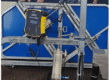
EID Tag Reader Antenna Panel (1300 x 600mm): This large, heavy-duty panel is the definitive stationary solution. It is designed to be mounted directly to the wall of a handling race or cattle crush frame. Because it automatically scans tags as animals pass, it eliminates the need for an operator to physically scan each head, maximising throughput speed without duplication of labour. This panel connects seamlessly via Bluetooth to advanced weigh indicators to pair tag IDs with performance data.
Cattle EID Reader Requirements (Crush-Side Flex or High Data)
For cattle, a highly versatile solution is often mandatory for crush-side activities (e.g., TB testing, AI lookup, veterinary work) and field usage.
Operational Fit:
The Tru-Test XRS2 EID Stick Reader is the industrial choice for cattle. While the stationary panel offers speed, the XRS2i offers unparalleled versatility. The operator uses the XRS2i head-side while working beside a cattle crush, TB testing, or administering treatments. Crucially, if you require instant access to non-performance data (like breed codes, parentage info, or specialised tag date details) directly on the screen in the yard, the advanced XRS2 stick reader is required.
Weigh Scale Indicators: A standard weigh indicator head (e.g., ID5000 or XR5000 series) reads and records performance data (e.g., weight and average daily gain), but to view or input complex tag data in real-time, you must leverage the screen and full alphanumeric keyboard of the XRS2 stick reader itself.
Sheep EID Reader Requirements (Precision Batching & Speed)
Sheep management requires rapid, high-volume data capture without operator fatigue, whether sorting replacement ewes or performing simple counts.
Operational Fit:
The Tru-Test SRSi EID Stick Reader is the ideal solution for rapid flock-based data capture. It provides the core Bluetooth connectivity but in a lightweight, simple design optimised for high-speed “point-and-scan” batch recording. The SRS2 is perfect for counting stock during sheep drafting or sheep handler throughput. Its design minimises fatigue when processing thousands of head, and is universally multi-species compatible (interchangeable for scanning cattle HDX or sheep FDX-B tags).
Technical Specification Compliance for Welsh SFS Grants
If applying for the current Welsh Government SFS Optional Capital Grant for EID equipment, ensuring full technical specification compliance is essential. All Tru-Test EID stick readers and the EID Tag Reader Antenna Panel supplied by Farming Solutions Ltd are fully compliant with current ISO 11784/11785 standards, featuring guaranteed Bluetooth connectivity and seamless compatibility with UK official reporting systems (e.g., EID Cymru and BCMS). Contact us for spec-compliant quotes to support your current grant application
Read more: Welsh Capital Grant Handling Equipment: 40% Funding Open for 2026