FDX vs HDX Tags
FDX vs HDX Tags – When investing in electronic identification (EID) hardware for cattle or sheep, most attention naturally goes to the EID readers, loadbars, and weighing indicators. However, the foundation of any reliable data capture system starts right at the ear: the EID tag itself.
As UK livestock systems shift toward stricter traceability, such as the upcoming 2027 cattle EID mandate, understanding how radio frequency tags actually communicate with your stick and panel readers is essential to avoiding missed reads and frustration in the yards.
1. Low Frequency (LF): The UK and Global Standard
For livestock tracking across the UK and Europe, Low Frequency (LF) technology operating at 134.2 kHz is the official standard. Both official sheep EID tags and upcoming UK cattle EID regulations rely entirely on this frequency.
LF technology is chosen specifically for agriculture because low-frequency radio waves penetrate organic material (like hair, hide, mud, and moisture) much better than high-frequency alternatives, ensuring reliable performance in harsh, muddy yard conditions.
2. FDX-B vs. HDX: What’s the Difference?
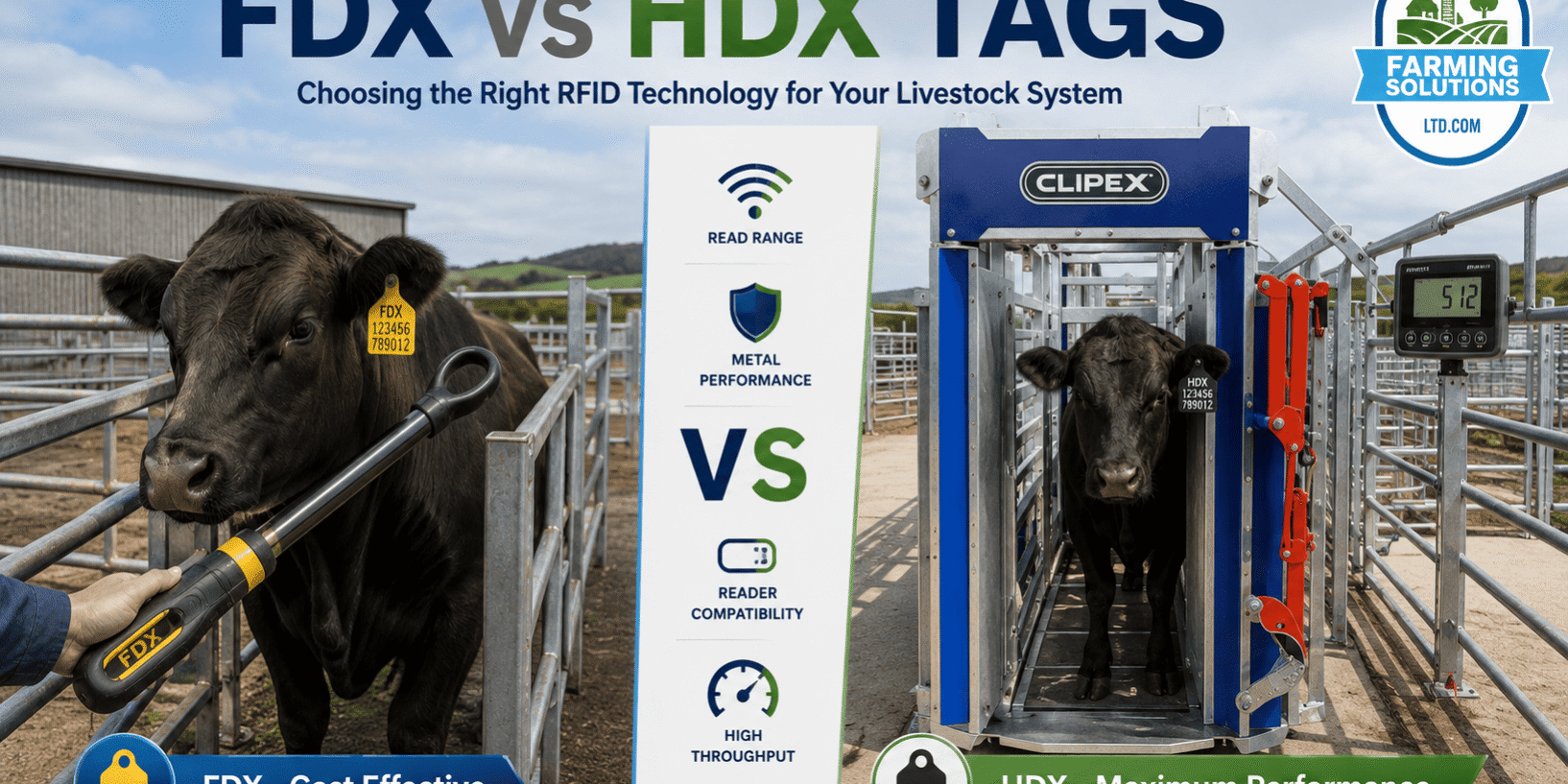
Within the 134.2 kHz LF standard, livestock tags generally use one of two transmission formats: FDX-B (Full Duplex) or HDX (Half Duplex). Knowing how they work helps you configure your readers for maximum accuracy:
FDX-B (Full Duplex)
How it works: The tag transmits its data while it is being powered by the reader’s magnetic field.
Characteristics: FDX-B tags are widely common and generally more cost-effective. They perform very well in standard livestock handling setups where the animal passes at a steady, moderate pace close to the reader antenna.
HDX (Half Duplex)
How it works: The tag captures energy from the reader’s field first, stores it briefly, and then transmits its data after the reader’s field turns off.
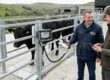
Characteristics: HDX tags typically offer a stronger signal and a slightly larger, more spherical reading zone. This makes HDX an exceptional choice for high-throughput panel reader setups (such as cattle crushes or automatic sheep drafters) where animals move quickly past the antenna.
3. Matching Tags to Your Readers
To ensure your yard runs smoothly without missing tag numbers, keep these compatibility rules in mind:
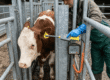
Universal Readers: Modern multi-system readers (like Tru-Test stick and panel units) are engineered to read both FDX-B and HDX tags seamlessly. However, older or budget readers may require manual setting adjustments.
Watch Out for Interference: Heavy steel handling races, poorly shielded power supplies, or mounting panel readers too close to metalwork can dampen tag signals, especially with fast-moving stock. Proper positioning is just as critical as tag quality.
Visual and Electronic Match: Ensure your electronic tags comply with official standards and match your visual management tags perfectly to prevent confusion during livestock movements and regulatory reporting.
Building a Reliable EID System
Getting the details right, from selecting compliant LF tags to pairing them with the correct stick or panel reader, ensures your data collection is fast, accurate, and ready for future traceability audits.
Explore our range of hardware to optimise your data capture: