On-Farm Disinfection Protocols: Implementing DEFRA-Approved Standards for Bovine TB
Bovine TB Disinfection Protocols – Establishing physical wildlife barriers protects your farm boundary, but robust cleansing and bovine TB disinfection protocols are required to eliminate Mycobacterium bovis (M. bovis) within the holding. The bacterium that causes Bovine Tuberculosis (bTB) can survive for months in organic matter, slurry, dark farm buildings, and damp soil.
Following our guide on establishing physical barriers (review Part 2: Wildlife Barrier & Deterrent Infrastructure Guide), this guide focuses on implementing DEFRA-approved bovine TB disinfection protocols and setting up efficient washdown infrastructure.
Understanding Chemical Disinfection for Bovine TB
Not all farm disinfectants kill M. bovis. Tuberculosis bacteria possess a thick, waxy cell wall that resists many standard agricultural sanitisers.
To ensure effective pathogen eradication:
Always Use Approved Products: Check the official DEFRA Approved Disinfectants list specifically under the Tuberculosis Orders category. General-purpose or Approved Foot-and-Mouth disinfectants may be completely ineffective against TB at standard dilutions.
Adhere Strictly to Dilution Rates: TB-approved dilution rates are often significantly higher/more concentrated than standard multi-purpose rates. Always calculate dilutions based on the specific TB approval listing.
1. Vehicle & Machinery Washdown Infrastructure
Livestock transport vehicles, veterinary vehicles, contractor tractors, and shared machinery are primary vectors for the spread of infected organic material onto your holding.
Designing a Dedicated Washdown Zone
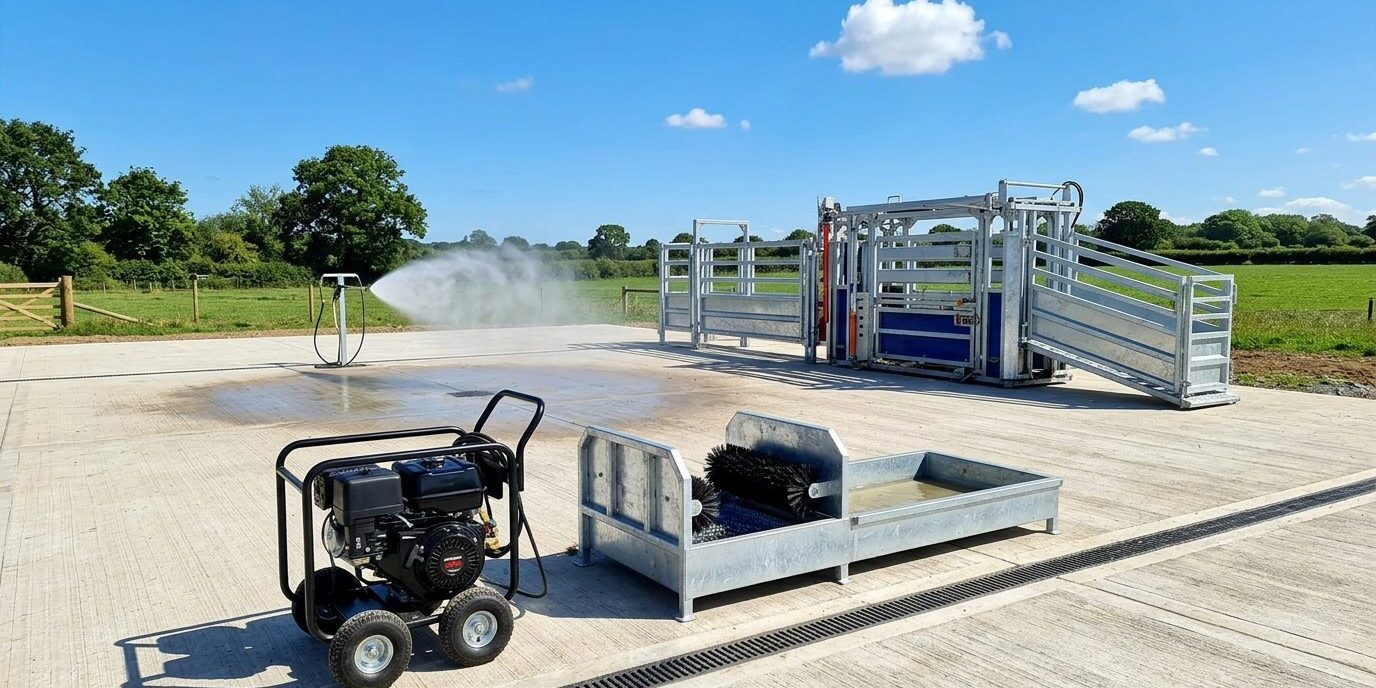
Hard-Standing Surface: Position the washdown area on an impermeable concrete pad situated near the farm entrance, away from grazing livestock and main cattle routes.
Drainage & Effluent Control: Ensure washdown run-off drains directly into a slurry store or dirty water lagoon. Never allow washdown water to run into clean freshwater drains, watercourses, or adjacent pasture.
High-Pressure Cleaning: Washdown stations should be equipped with high-pressure power washers capable of removing caked-on mud and manure before disinfectant application. Disinfectants cannot penetrate heavy organic crusts.
Contractor & Delivery Vehicle Protocols
Require all incoming livestock trailers and contractor equipment to be power-washed and disinfected using a DEFRA TB-approved chemical before entering livestock handling areas.
2. Disinfection Standards for Cattle Handling & Testing Equipment
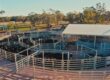
Statutory skin testing requires moving animals through handling yards and TB testing cattle crushes where respiratory secretions, saliva, and manure accumulate rapidly.
Sanitising Yards and Testing Crushes
To minimise cross-contamination between animals during vet visits or routine handling:
Pre-Test Cleansing: Thoroughly power-wash the cattle crush, race, and collecting pens before testing day.
Post-Handling Disinfection: Spray down the entire crush, focusing on head scoops, neck yokes, and side access gates, with an approved TB disinfectant immediately after livestock handling.
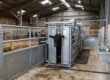
Heavy-Duty Equipment: Utilising galvanized, easy-to-clean machinery such as specialised TB Testing Cattle Crushes ensures that high-pressure washing and chemical disinfectants do not cause premature rusting or mechanical deterioration.
3. Footwear & Personal Biosecurity at Entry Points
Human foot traffic between housing bays, calf pens, and external fields easily spreads contaminated soil and feces.
Boot Washing Stations: Position boot brushes and scraper units alongside fresh disinfectant dips at every building entry point.
Disinfectant Matting: Place heavy-duty disinfectant mats soaking in TB-approved solution at high-traffic personnel doors and calf housing entrances.
Maintenance Schedule: Refresh disinfectant solution in boot dips and mats at least twice weekly, or immediately when heavily contaminated with organic dirt, as organic matter neutralises active chemical agents.
4. Equipment Cleansing & Storage Summary
| Priority Area | Action Required | Key Infrastructure / Product Link |
| Vehicle Entry | High-pressure washdown on concrete pad with dirty water drainage | Dedicated Washdown Station |
| Handling Yards | Thorough sanitisation of crushes, head scoops, and races post-testing | TB Testing Cattle Crushes |
| Personnel Entry | Boot scrapers, fresh TB-approved boot dips, and disinfectant mats | Entrance Biosecurity Stations |
| Supplements & Feed | Elevating feed blocks off contaminated ground to reduce disinfectant load | TB Buster |
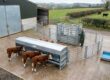
| Calf Creep Feeders | Regular washing of badger-proof calf feeding equipment | Universal Creep Feeder |
Complete Your Farm’s Biosecurity Strategy
Implementing correct disinfection routines ensures that physical containment measures remain effective. Continue building your complete biosecurity plan with the other posts in our series:
Read Part 1: On-Farm Bovine TB Risk Assessment Checklist
Read Part 2: Wildlife Barrier & Deterrent Infrastructure Guide
Read Part 4: Setting Up Isolation Housing & Quarantine Pens
Contact Alan for Bespoke Yard & Handling Advice: 07890 325264
Complete Farm Equipment Buyer’s Resources
Upgrading your farm infrastructure is one of the most effective long-term investments in disease control and operational safety. Explore our full library of equipment selection resources:
Browse our Bovine TB Management Buyer’s Guide and our full directory of Agricultural Equipment Buyer’s Guides, including Sheep Handler Buyer’s Guide, Cattle Crush Buyer’s Guide & Livestock EID Buyer’s Guide.
Discover our core range of high-performance Livestock Handling products tailored for modern UK livestock farms.
Read the latest industry guidance in our Bovine TB Prevention Category.
Featured TB Prevention Topics & Insights
Biosecurity requires continuous adaptation based on your farm’s risk profile and surrounding wildlife activity. For detailed advice on specific preventive measures, read through our latest insights:
How Youngstock Management Reduces TB Transmission Risk: Protecting young stock and calves from early-life wildlife exposure and shared feed contamination.
The Role of Handling Systems in TB Control: How efficient restraint infrastructure speeds up routine veterinary testing and enables safer isolation.
Practical Ways to Reduce TB Risk in Cattle Handling Areas: Practical layout adjustments to keep feeding and handling zones clean and badger-proof.
The Role of EID & Weighing in TB Monitoring: Using RFID data tracking and weigh indicators to monitor herd health and maintain accurate compliance records.
On-Farm TB Prevention: What Are the Most Effective Measures? A comprehensive guide to biosecurity practices, badger exclusion, and clean feeding systems.