Sheep Handler EID Integration
Implementing an automated handling system like the Clipex® 6-in-1 Auto Sheep Drafter or the Clipex® Automatic Sheep Handler fundamentally changes your physical workflow. However, to unlock the true financial and operational value of your investment, the mechanical hardware must be seamlessly linked to your digital record-keeping system. Achieving flawless sheep handler EID integration is what transforms a fast sorting crate into a powerful data collection center.
With regulatory compliance becoming stricter and the clear profit advantages of monitoring individual animal performance, such as tracking daily live weight gains (DLWG), maternal traits, and medical withdrawal periods, data management is no longer optional.
This comprehensive step-by-step technical guide covers how to establish a reliable sheep handler EID integration ecosystem, linking your handling crate, electronic identification (EID) antenna panels, weigh scales, and flock management software into one unified network.
1. The Architecture of a Fully Integrated EID System
A successful digital livestock setup relies on three distinct technology layers working together in real time. If any single layer fails to communicate with the others, your automated drafting gates will not operate correctly, and your records will suffer from costly data gaps.
[ Layer 1: The Reader ] [ Layer 2: The Scale ] [ Layer 3: The Software ]
EID Antenna Panel ======> Weigh Scale Indicator ======> Flock Management Cloud
(Reads the Ear Tag) (Pairs Weight & Tag ID) (AgriWebb / Breedr / App)
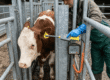
The Capture Layer (EID Reader): Scans the electronic transponder inside the sheep’s ear tag as it enters the race.
The Computation Layer (Weigh Scale Indicator): Receives the unique tag number from the EID reader, matches it instantly with the live weight recorded by the load bars, and decides which drafting gate to open.
The Management Layer (Flock Software): Stores the consolidated life history, medical records, and weight trends of the animal for long-term farm management.
2. The Capture Layer: Positioning Antenna Panels for Maximum Read Rates
The first critical milestone in sheep handler EID integration is obtaining a clean, immediate tag read as the animal moves into the catch zone.
While manual stick readers (such as the Tru-Test XRS2i) are excellent for scanning sheep in individual pens, high-speed automated drafters processing up to 800 head per hour require a fixed EID panel reader antenna.
Eliminating Signal Interference
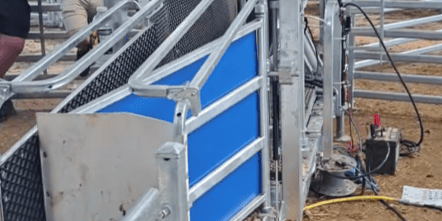
Automated handling crates are constructed from heavy-duty steel. Because steel blocks and deflects radio waves, your EID antenna panel must be mounted using specialised, non-metallic isolation brackets (typically heavy-duty high-density polyethylene or marine plywood spacers).
Avoid Metal Contact: If the active face of the antenna sits directly against bare steel framing, the radio signal will distort, leading to dropped tag reads and sluggish gate performance.
Optimal Tag Placement: Position the antenna panel on the side of the race matching the ear where your flock’s EID tags are consistently placed (typically the animal’s left ear). The panel should be mounted just before the scale’s entry gate so the tag is successfully captured before the sheep stands fully on the weigh bars.
3. The Computation Layer: Syncing Weigh Scale Indicators
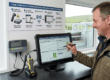
Once the antenna captures the tag number, it transmits it instantly via serial cable or Bluetooth to your weigh scale indicator (such as the Tru-Test XR5000 or Gallagher TW-3). This indicator acts as the central brain of your sheep handler EID integration system.
Programming Automated Draft Rules
To execute automatic sorting without manual intervention, you must configure your weigh scale indicator to control the handler’s pneumatic gates based on specific data criteria:
Weight-Based Drafting: You can program the scale with custom weight breaks (e.g., Pen 1: under 38kg for further feeding; Pen 2: 38kg to 44kg; Pen 3: over 44kg for market select). As the animal triggers the load bars, the scale matches the tag, locks the weight, and signals the sheep handler to open the corresponding exit gate.
Life-Data Drafting: Advanced indicators allow you to draft based on historical records rather than live weights. For example, you can upload a CSV file to your scale instructing it to automatically separate all ewes marked for culling, or draft lambs based on a specific maternal sire line.
4. The Management Layer: Syncing to Flock Software via the Cloud
The final phase of successful sheep handler EID integration involves moving your collected yard data into your long-term management software (such as AgriWebb, Breedr, or FarmIT 3000).
[Yard Session Captured] —> [Sync via Smartphone App] —> [Secure Cloud Database]
Direct Mobile Syncing
Modern weigh scale heads feature integrated Wi-Fi and Bluetooth modules that connect directly to your smartphone.
Once your handling session in the yard is complete, open your flock management app next to the scale.
Select “Import Session,” and the application will wirelessly pull the complete dataset including tag numbers, exact weights, treatment history, and time-stamps, straight from the scale head.
This eliminates the old, error-prone method of writing down numbers on a muddy notepad and manually typing them into an office computer later that evening.
5. Troubleshooting Data Integrity and Signal Drops
When configuring a complex electronic network inside a working livestock yard, minor environmental factors can disrupt your workflow. Follow these engineering best practices to maintain consistent performance:
Power Source Isolation: Always run your data indicators and EID readers on a clean, isolated power source. If you are operating via a mobile generator on a remote hill farm, use a high-quality surge protector. Sudden voltage drops caused by air compressors kicking in can cause electronic indicators to reset or corrupt current session files.
Cable Management: Protect all data cables inside heavy-duty conduit. Loose, exposed wires leading from your antenna panel to your scale head are easily chewed by vermin or snagged and snapped by moving sheep.
Regular Firmware Updates: Manufacturers frequently release software updates to improve Bluetooth connectivity and tag scanning speeds. Ensure both your scale head and EID panel reader are updated to the latest firmware before starting intensive seasonal work like weaning or lamb selection.
Streamline Your Data Management with Farming Solutions Ltd
At Farming Solutions Ltd, we know that true efficiency requires more than just premium iron and steel. It requires a perfectly tuned digital strategy. Our technical advisors don’t just supply grant-eligible Clipex handling crates; we provide complete support for your sheep handler EID integration, ensuring your readers, scales, and software communicate flawlessly from day one.
Whether you are configuring a fixed yard layout or establishing a highly mobile contractor trailer network, our team is here to design a system that maximizes your productivity and guarantees regulatory compliance.