Bovine TB risk assessment
Bovine TB risk assessment – Bovine Tuberculosis (bTB) remains one of the most significant financial and operational threats to cattle herds. Implementing an effective biosecurity plan requires identifying where transmission risks occur on your farm.
This self-assessment checklist breaks down the primary risk vectors for Bovine TB introduction and spread, helping you audit your enterprise before investing in infrastructure, fencing, or management equipment. For a broader overview of farm containment protocols, explore our complete Bovine TB Prevention Guide.
1. Wildlife Vector Risks (Badger & Wildlife Contact)
Badgers and other wild mammals can carry Mycobacterium bovis and transmit it to cattle through direct contact or by contaminating feed, water, and bedding.
Feed Store Security: Are all grain stores, clamp silos, and concentrate bins completely sealed against badgers?
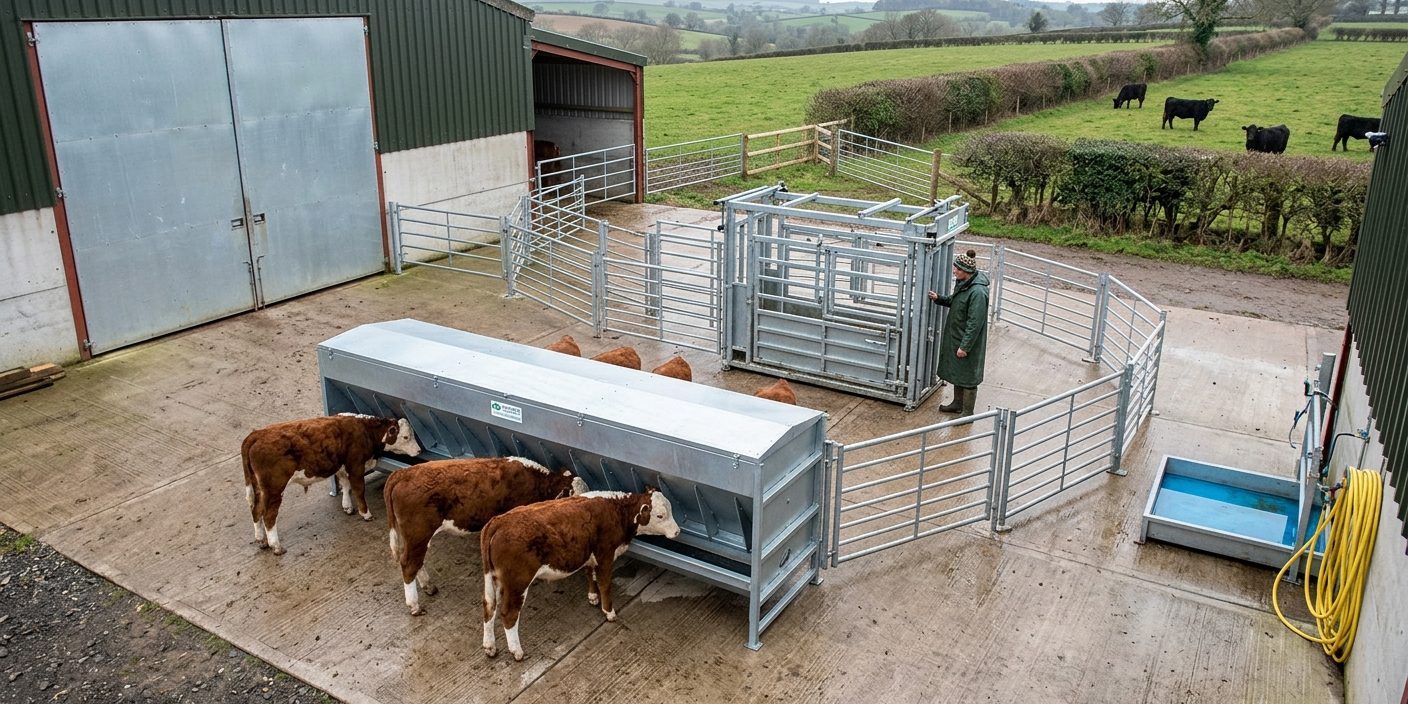
Feed Trough & Creep Feeding Protection: Are outdoor feed supplies protected using badger-proof feeding systems? Standard creep feeders allow badgers to climb in and contaminate feed. Upgrading to a specialised Universal Creep Feeder for TB Prevention keeps wild mammals out while ensuring calves retain unhindered access to feed.
Mineral Lick & Supplement Security: Are mineral licks and feed blocks kept off the ground away from where badgers can lick or contaminate them? Securing supplements with a purpose-built TB Buster holder keeps feed blocks elevated and badger-proof, preventing wildlife access to mineral supplements.
Water Trough Placement: Are water troughs elevated to a minimum of 84 cm (33 inches) with smooth, vertical sides, or fitted with physical roller/barrier guards to prevent badger access?
2. Cattle Movement & Herd Replacement Risks
Bringing new livestock onto the holding represents one of the highest-risk routes of bTB introduction.
Premise History: Do you verify the bTB history and testing status of the source herd before purchasing stock?
Pre/Post-Movement Testing: Are statutory and voluntary pre-movement and post-movement isolation tests strictly enforced?
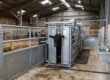
- Handling Efficiency & Safety: Is your handling system set up to stress-test cattle safely and efficiently during routine vet visits? Utilising heavy-duty TB Testing Cattle Crushes ensures full access for accurate skin testing and reading while protecting farm staff and vet teams from injury.
- Quarantine Facilities: Is there a dedicated, fully isolated quarantine unit with separate drainage for incoming cattle?
Isolation Duration: Are new arrivals isolated for a minimum of 30 to 60 days until cleared by follow-up TB testing?
3. Boundary & Neighboring Herd Contact
Direct nose-to-nose contact across boundary fences allows nose-to-nose respiratory transmission between neighbouring herds.
Double Fencing: Is there a minimum gap of 3 meters between your boundary fence and neighboring cattle pastures?
Hedge & Tree Line Barriers: Are boundary hedges stock-proof and free from gaps that allow cattle to stick their heads through?
Shared Facilities: Do you share cattle equipment, cattle crushes, or trailers with neighbouring farms without a full disinfection between uses?
Stray Stock Protocol: Is there a clear procedure to immediately isolate stray stock without mixing them with the main herd?
4. Slurry, Manure & Environmental Hygiene
Mycobacterium bovis can survive for extended periods in moist, cool environments, slurry, and soil.
Slurry Application: Is slurry stored for at least 6 months before land spreading to reduce viable bacteria loads?
Grazing Intervals: Do you wait at least 60 days (or preferably longer) before grazing cattle on land spread with slurry?
Contractor Hygiene: Are manure spreaders, slurry tankers, and contractors’ machinery thoroughly power-washed and disinfected before entering your holding?
Drainage Management: Does run-off from dirty yards, manure heaps, or isolation units flow away from grazing pastures and watercourses?
5. Cleaning & Disinfection Infrastructure
Proper cleansing and disinfection protocols reduce environmental persistence and prevent indirect transmission.
Approved Disinfectants: Do you use DEFRA-approved disinfectants specifically rated for Tuberculosis at the correct dilution rates?
Vehicle Washdown Points: Is there a dedicated hard-standing area with drainage for washing down livestock transport vehicles?
Footwear & Clothing: Are boot dips with fresh disinfectant and clean overalls available at key entry points to animal housing?
Equipment Sanitisation: Are shared veterinary tools, tagging equipment, and calf-feeding kits disinfected between individual animals?
Biosecurity Risk Matrix
| Risk Level | Description | Recommended Immediate Action | ||
| High Risk | Direct wildlife access to youngstock feed, mineral licks & water sources. | Upgrade to a Universal Creep Feeder for youngstock, elevate mineral blocks using the TB Buster, and raise water troughs above 84 cm. | ||
| Medium Risk | Inefficient handling during mandatory TB testing. | Upgrade yard facilities with specialist TB Testing Cattle Crushes. | ||
| Low Risk | Fully enclosed yards; 3m double boundary fences; strict purchasing & post-movement testing protocols. |
|
Next Steps in Your Biosecurity Plan
Auditing your farm’s risk vectors is step one. Continue building your complete biosecurity strategy with our upcoming guides:
Complete Farm Equipment Buyer’s Resources
Upgrading your farm infrastructure is one of the most effective long-term investments in disease control and operational safety. Explore our full library of equipment selection resources:
Browse our Bovine TB Management Buyer’s Guide and our full directory of Agricultural Equipment Buyer’s Guides, including Sheep Handler Buyer’s Guide, Cattle Crush Buyer’s Guide & Livestock EID Buyer’s Guide.
Discover our core range of high-performance Livestock Handling products tailored for modern UK livestock farms.
Read the latest industry guidance in our Bovine TB Prevention Category.
Featured TB Prevention Topics & Insights
Biosecurity requires continuous adaptation based on your farm’s risk profile and surrounding wildlife activity. For detailed advice on specific preventive measures, read through our latest insights:
How Youngstock Management Reduces TB Transmission Risk: Protecting young stock and calves from early-life wildlife exposure and shared feed contamination.
The Role of Handling Systems in TB Control: How efficient restraint infrastructure speeds up routine veterinary testing and enables safer isolation.
Practical Ways to Reduce TB Risk in Cattle Handling Areas: Practical layout adjustments to keep feeding and handling zones clean and badger-proof.
The Role of EID & Weighing in TB Monitoring: Using RFID data tracking and weigh indicators to monitor herd health and maintain accurate compliance records.
On-Farm TB Prevention: What Are the Most Effective Measures? A comprehensive guide to biosecurity practices, badger exclusion, and clean feeding systems.