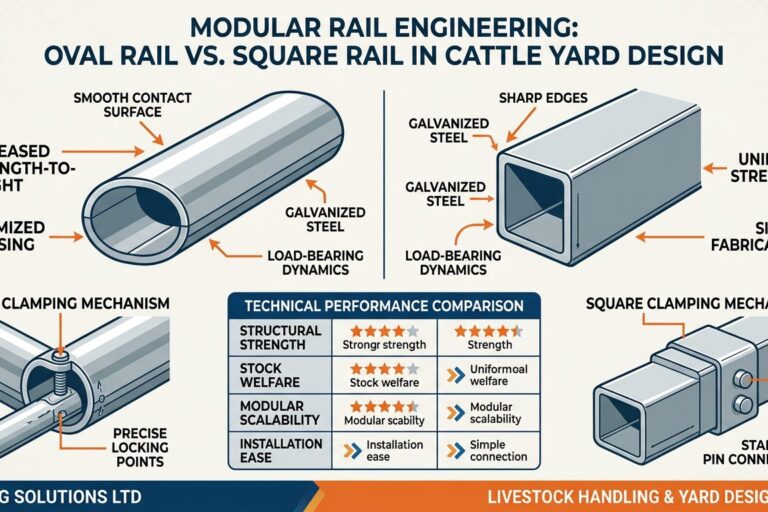
Modular Rail Engineering: Oval Rail vs. Square Rail in Cattle Yard Design
When designing a heavy-duty cattle handling facility, steel frame selection is often oversimplified to wall thickness alone. However, the cross-sectional geometry of the rail profile-specifically Oval Rail vs. Square RHS (Rectangular Hollow Section) vs. Traditional Round Pipe-fundamentally dictates how a handling yard absorbs kinetic energy, protects stock from bruising, and withstands continuous pressure from heavy…
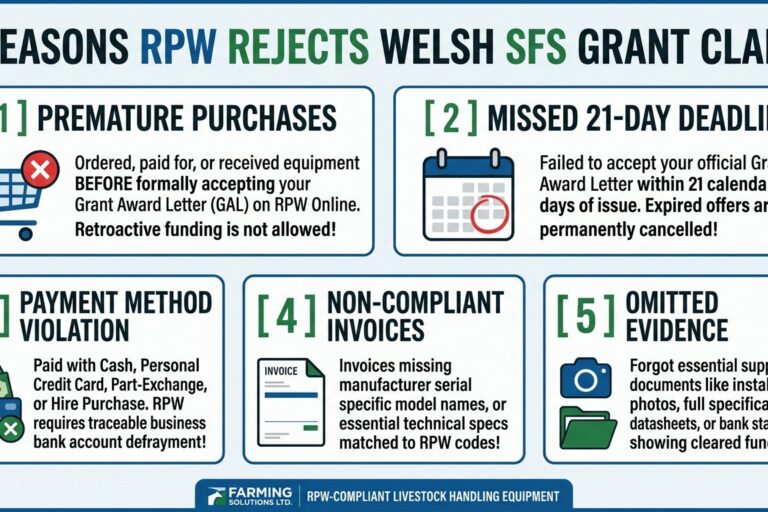
5 Reasons RPW Rejects Welsh SFS Capital Grant Claims (and How to Avoid Them)
The 2026 Sustainable Farming Scheme (SFS) Optional Capital: Production & Efficiency Grant provides Welsh farmers with up to 40% co-funding (capped at £15,000 per CRN) for essential livestock handling and EID tech. However, submitting an application via RPW Online is only the first step. Every year, valid claims are rejected or penalised by Rural Payments…
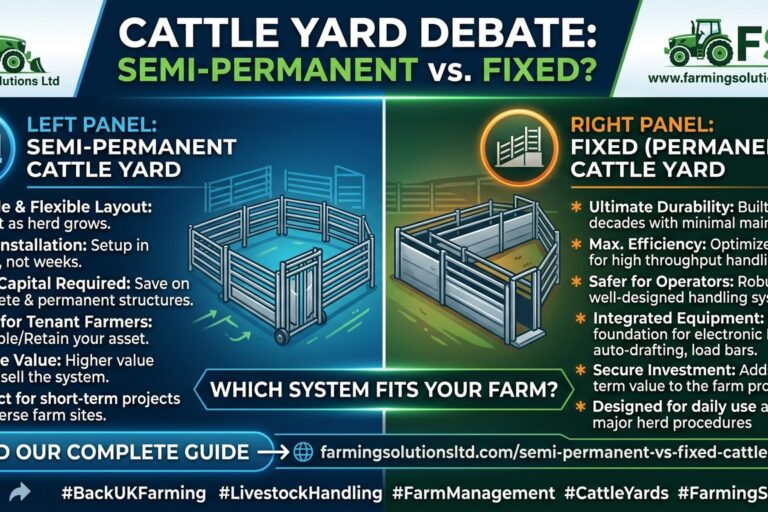
Semi-Permanent vs. Fixed Steel Cattle Yards: Which Is Right for Your Farm?
Semi-Permanent vs. Fixed Steel Cattle Yard Semi-Permanent vs. Fixed Steel Cattle Yard – Designing a cattle yard is a major capital investment. Choosing between a semi-permanent modular yard and a fixed concrete-and-steel infrastructure determines how easily your yard can adapt to changes in herd sizes, tenancy agreements, and operational workflows. 1. Architectural & Structural…
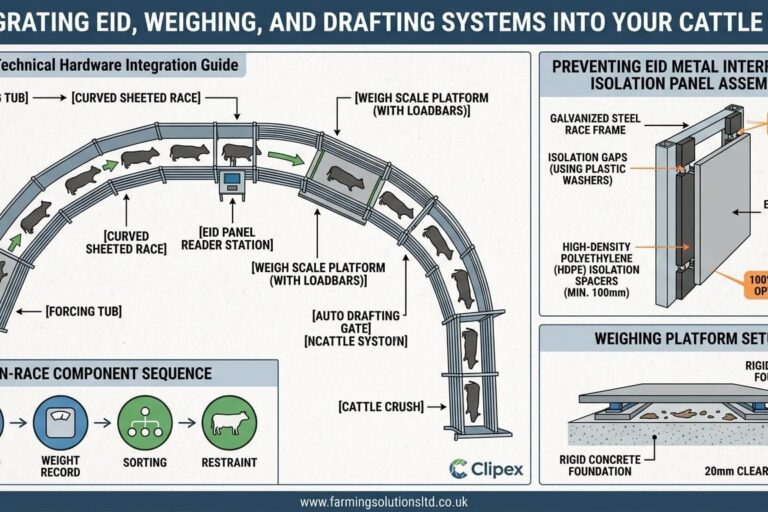
Integrating Weighing, EID Readers, and Drafting Gates into Your Cattle Race
EID Weighing Drafting Race Integration EID weighing drafting race integration – Integrating hardware into a cattle race requires careful attention to spatial ordering and structural placement. Mounting EID antennas directly onto heavy galvanised steel frames can detune the EID reader signal and cause missed tag reads. [ Forcing Tub ] ──► [ Curved Race ]…
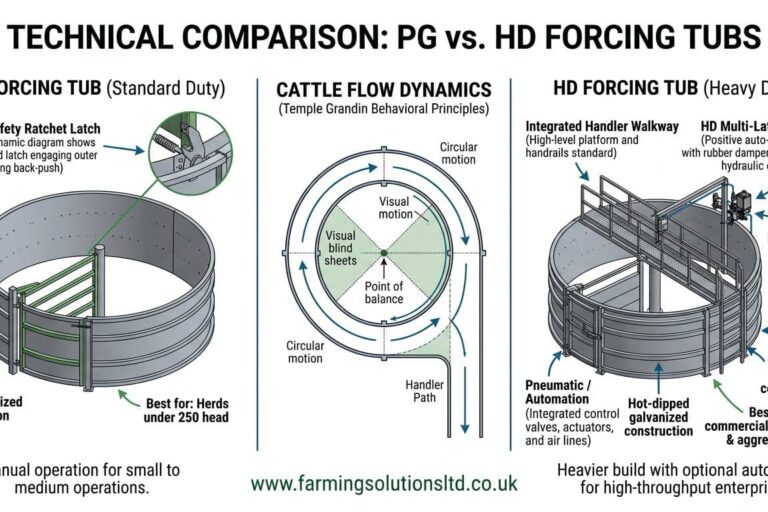
PG Forcing Tub vs. HD Forcing Tub: Choosing the Right Crowding System
PG Forcing Tub vs. HD Forcing Tub PG Forcing Tub vs. HD Forcing Tub – A forcing tub acts as the funnel of your cattle handling system, using natural cattle behaviour to encourage movement into the race. Choosing between the PG Forcing Tub and the HD Forcing Tub comes down to herd size, handling frequency,…
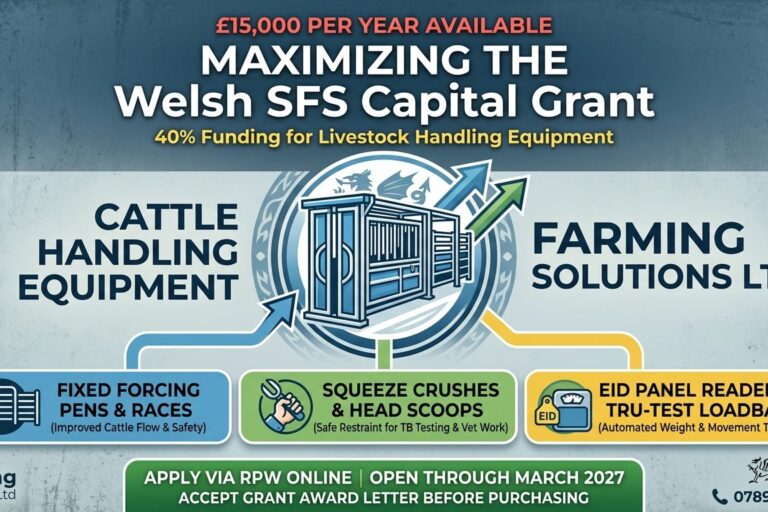
How to Maximize the £15,000 Welsh SFS Capital Grant for Cattle Handling
The 2026 Sustainable Farming Scheme (SFS) Optional Capital: Production & Efficiency Grant offers beef and dairy producers across Wales up to 40% grant funding (excluding VAT) on standard-specification livestock handling equipment. With public funding capped at £15,000 per Customer Reference Number (CRN) per financial year, structuring your application correctly is key to transforming your yard…
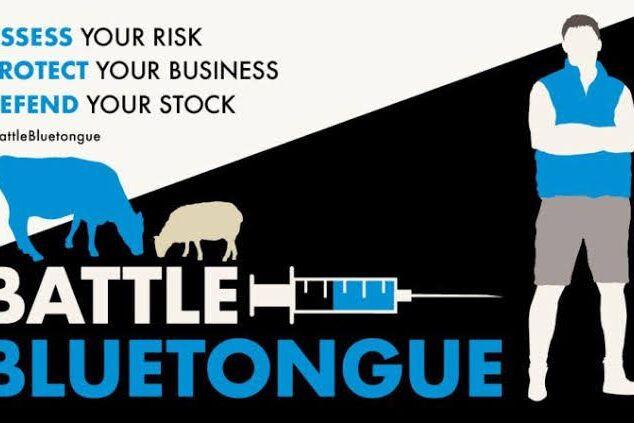
Why the UK Needs a Funded National Plan to Control Bluetongue (BTV-3)
The spread of Bluetongue virus serotype 3 (BTV-3) poses a critical threat to UK sheep and cattle producers. Passive monitoring and regional restrictions alone are no longer enough to protect livestock health, farm productivity, and rural livelihoods. To prevent widespread economic damage and safeguard animal welfare, Farming Solutions Ltd is calling on Defra and the…
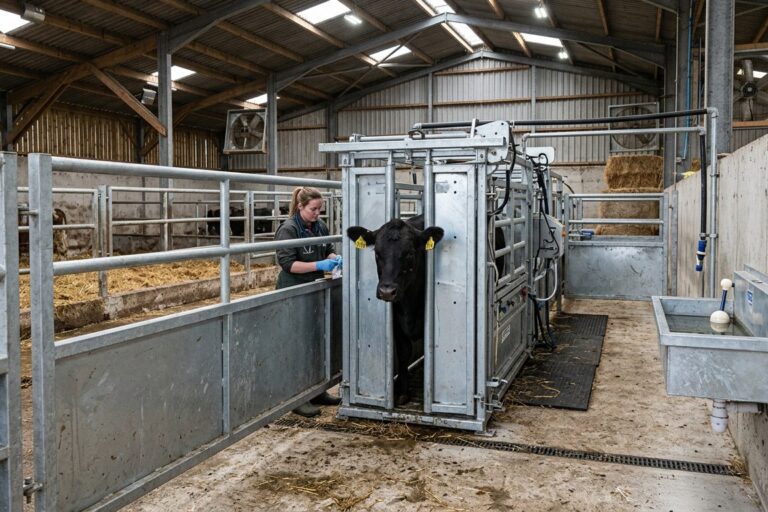
Setting Up Isolation Housing & Quarantine Pens for Bovine TB
On-Farm Biosecurity: Designing Effective Isolation Housing & Quarantine Pens Cattle isolation housing: Bovine TB – Managing livestock movements is a critical line of defense against Bovine Tuberculosis (bTB). Unscreened, newly purchased stock or animals returning from shared grazing can unwittingly introduce Mycobacterium bovis (M. bovis) into a clean herd. Following our recommendations on physical barriers…
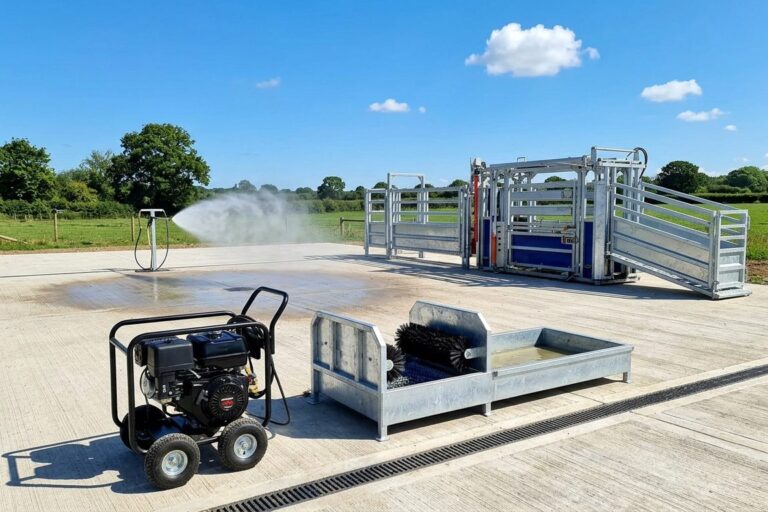
DEFRA-Approved Disinfection Protocols & Vehicle Washdown Setup
On-Farm Disinfection Protocols: Implementing DEFRA-Approved Standards for Bovine TB Bovine TB Disinfection Protocols – Establishing physical wildlife barriers protects your farm boundary, but robust cleansing and bovine TB disinfection protocols are required to eliminate Mycobacterium bovis (M. bovis) within the holding. The bacterium that causes Bovine Tuberculosis (bTB) can survive for months in organic matter,…
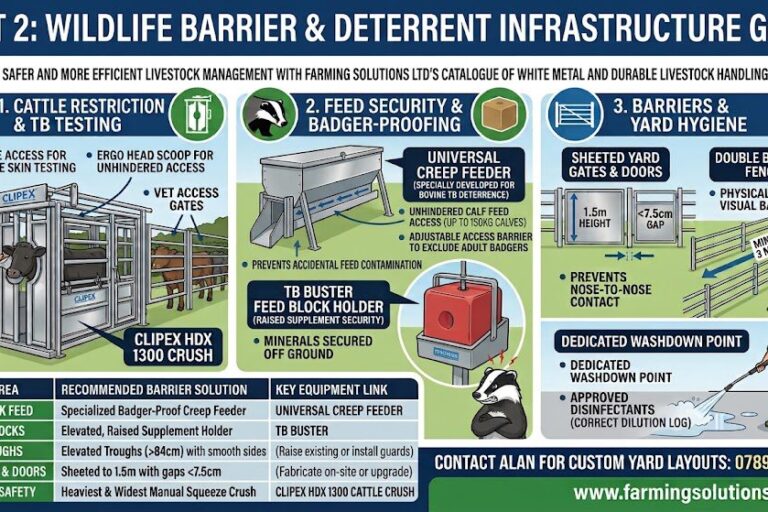
Wildlife Barrier & Deterrent Infrastructure Guide
Securing Your Farm: Effective Wildlife Barriers for Bovine TB Deterrence Bovine Tuberculosis (bTB) transmission isn’t limited to direct cattle contact; environmental contamination via wildlife vectors is a major risk factor. Badgers and other wild mammals can harbour and spread M. bovis, contaminating feed, water, and grazing land. The previous post outlined the fundamental risk vectors…
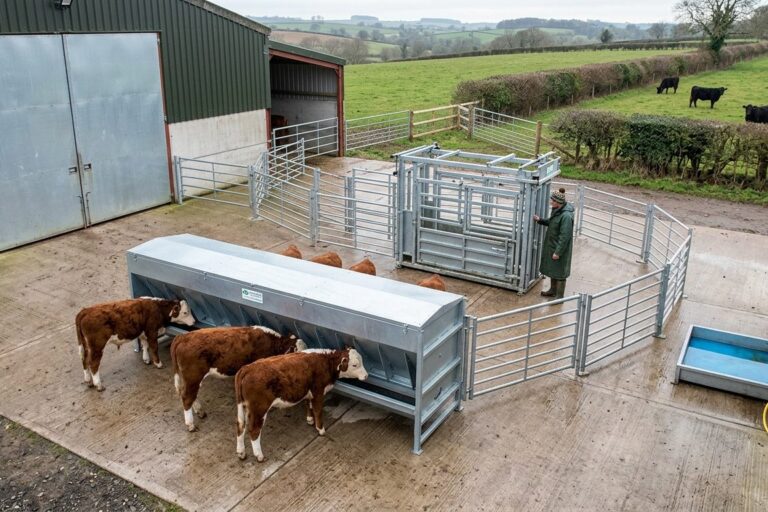
On-Farm Bovine TB Risk Assessment: A Biosecurity Checklist for Cattle Farmers
Bovine TB risk assessment Bovine TB risk assessment – Bovine Tuberculosis (bTB) remains one of the most significant financial and operational threats to cattle herds. Implementing an effective biosecurity plan requires identifying where transmission risks occur on your farm. This self-assessment checklist breaks down the primary risk vectors for Bovine TB introduction and spread, helping…
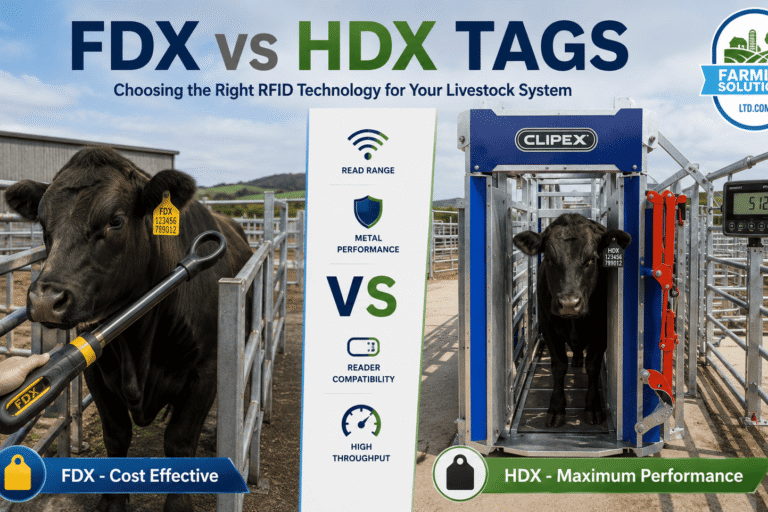
FDX vs HDX Tags Explained: Choosing EID Technology
FDX vs HDX Tags FDX vs HDX Tags – When investing in electronic identification (EID) hardware for cattle or sheep, most attention naturally goes to the EID readers, loadbars, and weighing indicators. However, the foundation of any reliable data capture system starts right at the ear: the EID tag itself. As UK livestock systems shift…
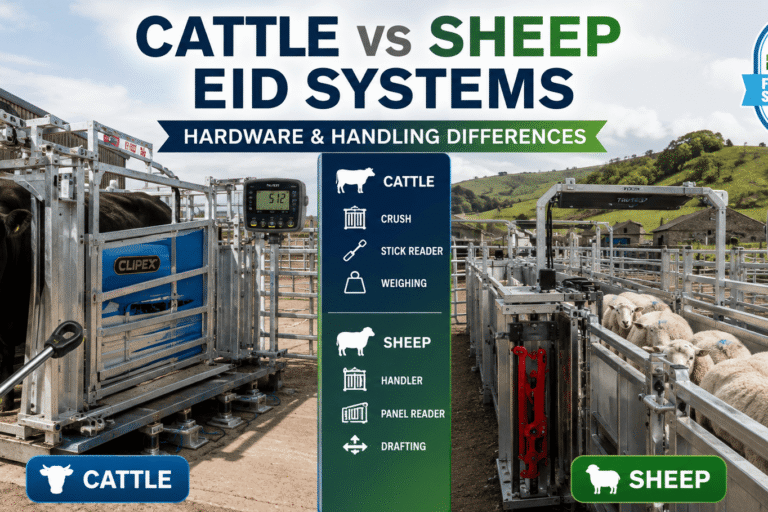
Cattle vs Sheep EID: Choosing the Right Setup for Your Livestock Species
Cattle vs Sheep EID Cattle vs Sheep EID – Implementing an effective Electronic Identification (EID) system requires more than just choosing a highly rated EID reader; it demands selecting hardware tailored to the unique physical behaviours, handling methods, and operational requirements of the species you manage. While standard ISO technology underpins all livestock EID, a…
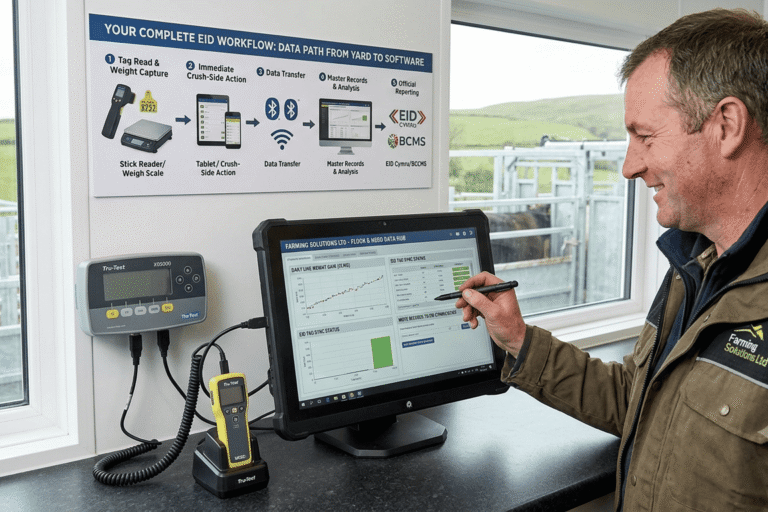
Connecting Livestock EID to Farm Software: The Complete Integration Guide
The moment a unique animal ID is scanned by a livestock EID stick reader, the real benefit is determined not by the hardware, but by what happens to that digital data. In modern livestock systems, EID is the digital bridge between manual observation and actionable herd data management. Transitioning from a basic ‘tag and read’…
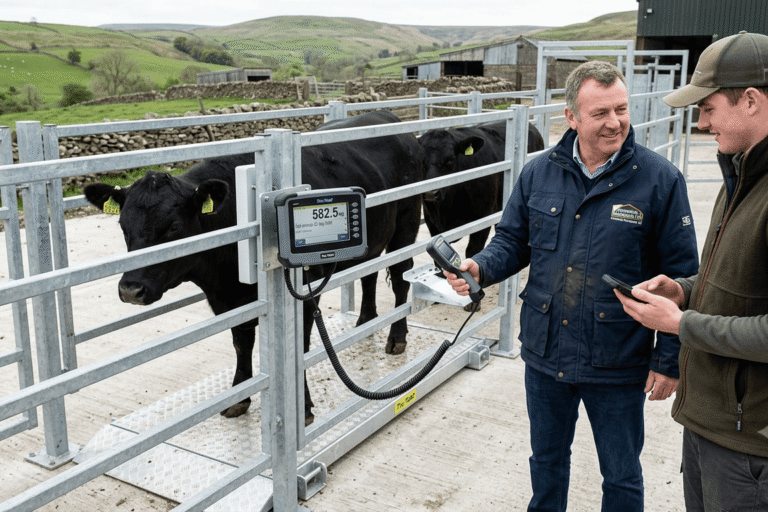
Livestock EID System Guide: Readers, Panels, and Weighing Architecture Explained
Livestock EID System Guide Electronic Identification (EID) has evolved from a mandatory compliance burden into one of the most powerful profitability drivers on modern livestock farms. By pairing unique RFID ear tag data with automated weight-tracking and herd management software, farm managers can eliminate manual record-keeping errors, monitor Daily Live Weight Gain (DLWG) in real…
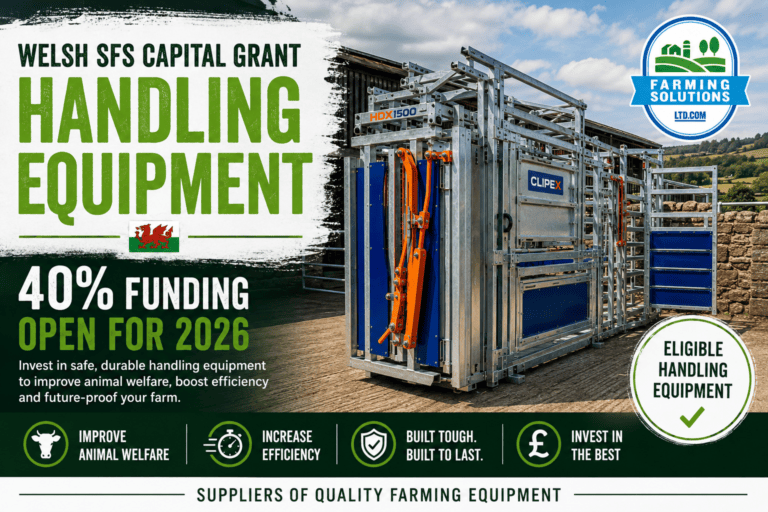
2026 Welsh SFS Capital Grant: How to Use to Upgrade Your Handling & EID Setup
How to Use the Welsh SFS Capital Grant for Handling Equipment & EID Infrastructure (2026/2027) With the phased rollout of the Welsh Government’s Sustainable Farming Scheme (SFS) and the approaching UK livestock digital tracking mandates, upgrading your yard infrastructure has moved from a long-term goal to an immediate operational priority. To support farm businesses through…
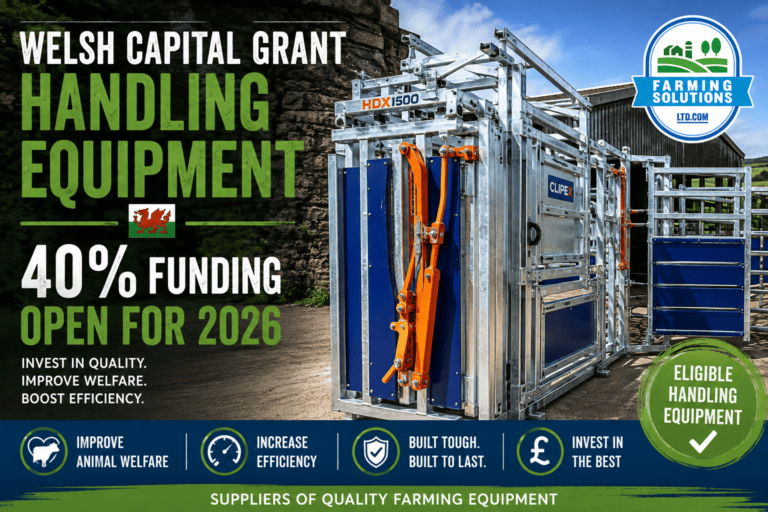
Welsh Capital Grant Handling Equipment: 40% Funding Open for 2026
Welsh capital grant handling equipment The Welsh Government has officially launched applications for the 2026 Sustainable Farming Scheme (SFS) Optional Capital: Production & Efficiency grant. If you are looking for Welsh capital grant handling equipment solutions, this round of funding gives beef, dairy, and sheep enterprises across Wales an ideal opportunity to upgrade yard infrastructure,…
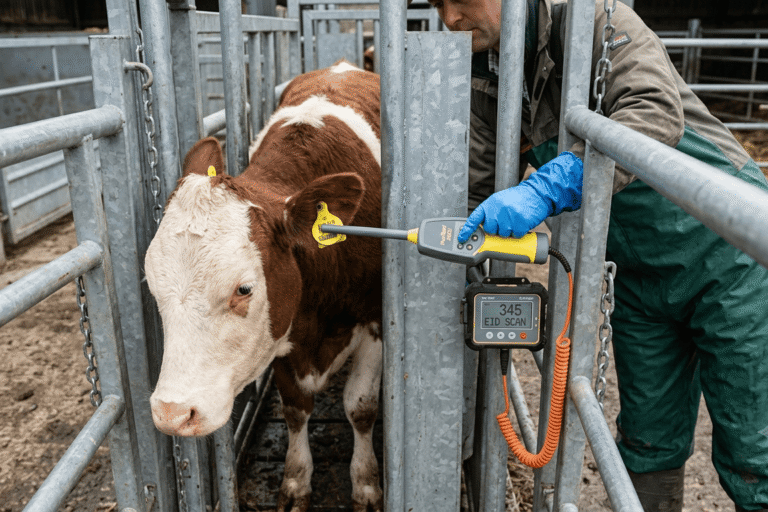
The 2027 UK Cattle EID Mandate Checklist
UK cattle EID mandate checklist UK cattle EID mandate checklist – The livestock sector is fast approaching its biggest digital operational shift in decades. With the upcoming rollout of the 2027 UK Cattle Electronic Identification (EID) Mandate, manual passport handling, paper movement tracking, and handwriting-based ear tag recording are officially being phased out. For progressive…
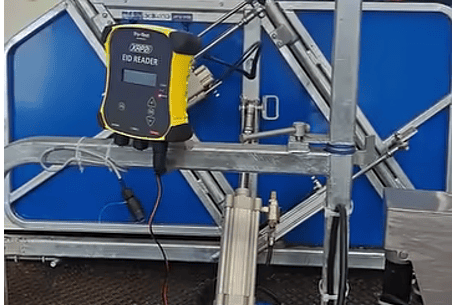
Stick Readers vs. Panel Readers: Choosing the Right Data Capture Tool
Stick Readers vs. Panel Readers Stick Readers vs. Panel Readers – Investing in an Electronic Identification (EID) infrastructure is the single most effective way to transform your livestock enterprise from a game of averages into a precision-managed, data-driven business. However, when transitioning away from manual record-keeping, one of the first major architectural decisions you must face…
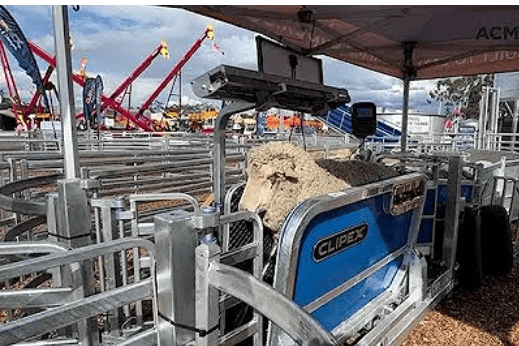
Mobile vs. Fixed Sheep Yards: Calculating the ROI of Automated Handling
Mobile vs. Fixed Sheep Yards When investing in an advanced handling system like the Clipex® Automatic All-In-One Sheep Handler, one of the most significant architectural choices you must make is whether to purchase the Fixed (Stationary) Model or the Contractor (Fully Mobile) Trailer Model. Both options deliver identical pneumatic catching speeds, automated pre-catch staging, and…
Sheep Handler EID Integration: Connecting Scales, Readers, and Software
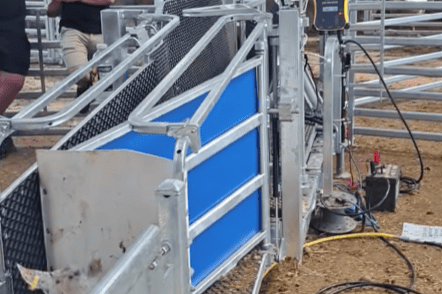
Sheep Handler EID Integration Implementing an automated handling system like the Clipex® 6-in-1 Auto Sheep Drafter or the Clipex® Automatic Sheep Handler fundamentally changes your physical workflow. However, to unlock the true financial and operational value of your investment, the mechanical hardware must be seamlessly linked to your digital record-keeping system. Achieving flawless sheep handler…
Pneumatic Sheep Handlers: Air Compressor Selection and Winter Management
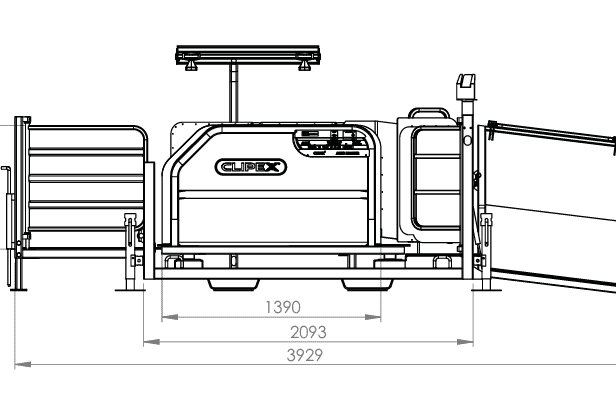
Pneumatic Sheep Handlers When upgrading to a high-throughput automated system, such as the Clipex® 6-in-1 Auto Sheep Drafter or the Clipex® Automatic Sheep Handler, most of your planning naturally centers around yard layout for sheep handling, electricity, and livestock flow. However, because these world-class machines use pneumatic cylinders to power their ultra-fast catching gates, pre-catch…
Retrofitting Livestock Handling System Layouts for FETF Grants
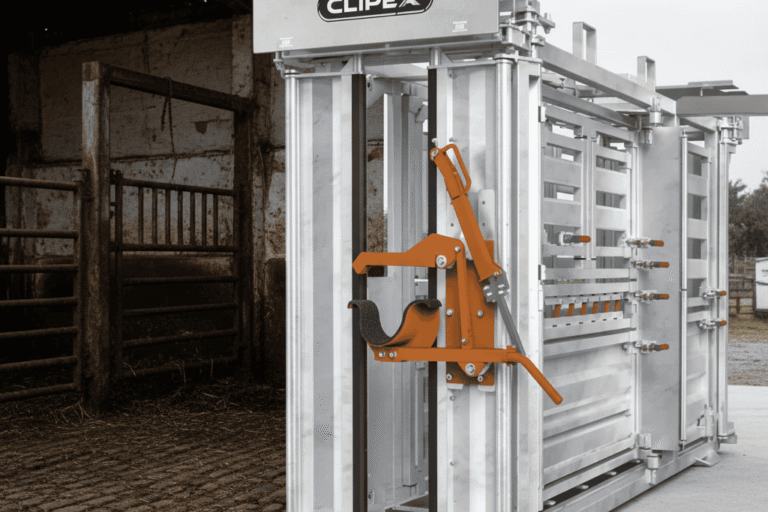
For UK livestock producers who have successfully cleared the hurdle of securing a Farming Equipment and Technology Fund (FETF) 2026 allocation, the focus now shifts from administrative compliance to physical implementation. If you hold an approved Grant Funding Agreement (GFA) for high-specification infrastructure, such as a pneumatic cattle crush (FETF61), an automated handling system (FETF69/70),…
How to Claim Your FETF 2026 Grant Payment
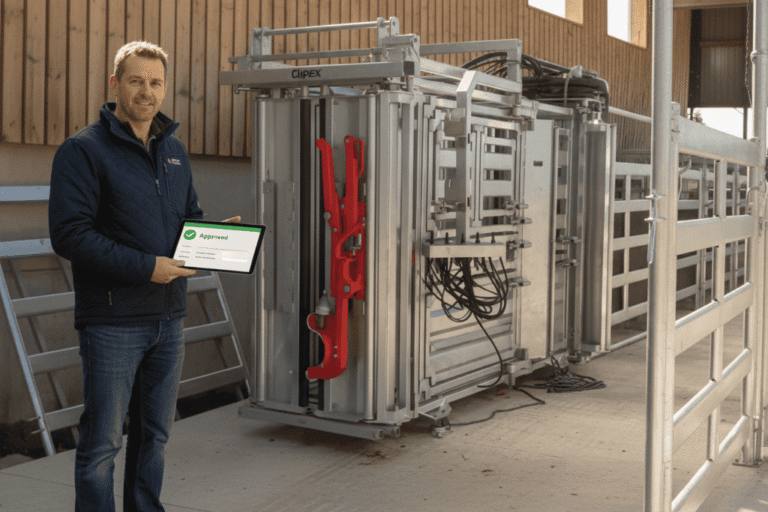
Claim your FETF Grant If you have recently opened your inbox and found a Grant Funding Agreement (GFA) from the Rural Payments Agency (RPA), congratulations. Securing an allocation from the highly competitive Farming Equipment and Technology Fund (FETF) 2026 is a major win for your business. Whether you are upgrading to an advanced Clipex cattle…
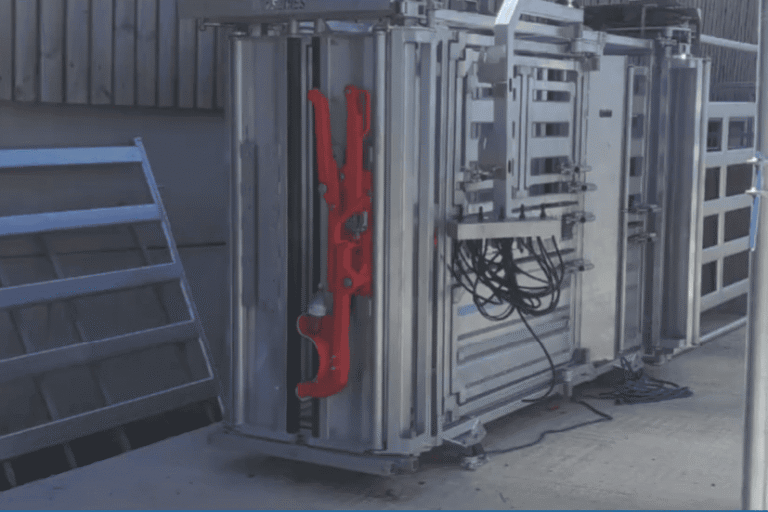
Cattle Crush Cost: Is a Premium Upgrade Worth the ROI?
If you are evaluating a new cattle crush or a complete livestock handling yard without the help of a government grant, the upfront invoice can look daunting. However, looking strictly at the purchase price misses the daily financial leaks an old yard causes. Investing in high-end equipment like a Clipex Cattle Crush isn’t just a…
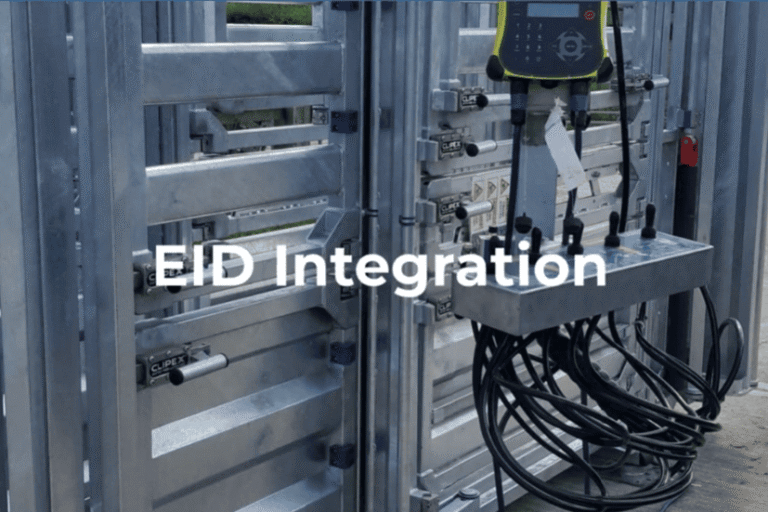
Cattle EID 2027: Your Farm’s Roadmap to a Smarter, Safer Future
The Dawn of a New Era in Cattle Traceability The landscape of livestock farming in England is on the cusp of a significant transformation. From 2027, a new mandate will require all newborn calves to be identified with Electronic Identification (EID) tags. This isn’t merely a regulatory update; it represents a pivotal shift towards a…
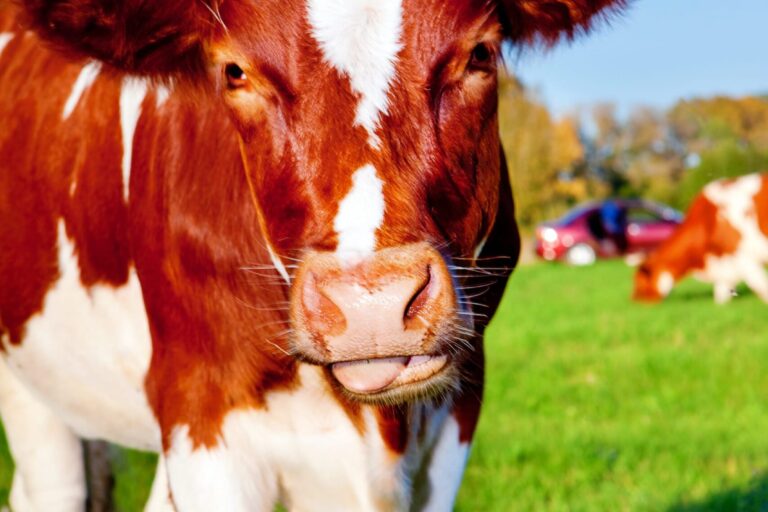
The Best Equipment for Handling Cattle Alone
Labour shortages are one of the biggest challenges facing UK livestock farms today. Whether you’re running a beef suckler herd, a dairy unit, or a mixed enterprise, there are times when cattle need to be handled with only one or two people available. In these situations, the right cattle handling equipment isn’t just helpful, it’s…
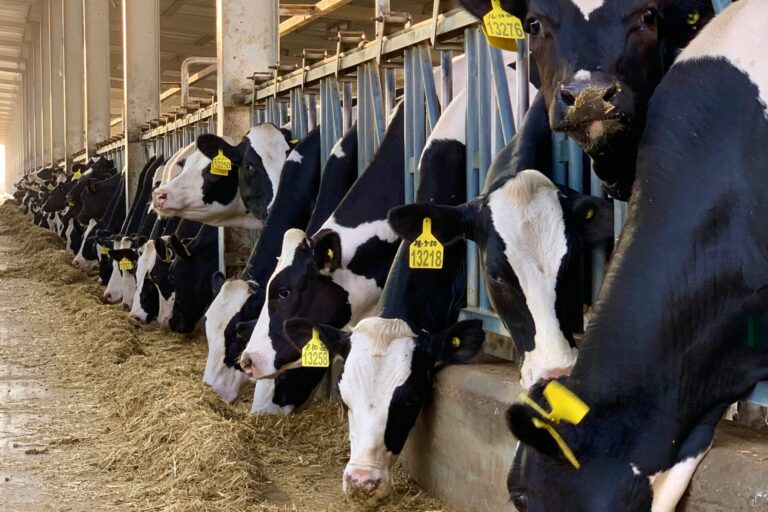
What Dairy Farms Should Look for in a Cattle Crush
Which cattle crush for dairy farms? Choosing the right cattle crush is one of the most important decisions a dairy farmer will make. Unlike beef units, where cattle may only be handled a few times a year, dairy cows require frequent, routine handling for mobility scoring, foot trimming, AI, pregnancy diagnosis, health checks, and veterinary…

Clipex Sheep Handling Demo Day – Doncaster (Friday, 22nd May)
See the Clipex Sheep Handler & Bespoke Livestock Yards in Action Live! Join Farming Solutions Ltd on Friday, 22nd May in Doncaster for live working demos, expert consultation, free lunch, and a chance to win a £300 voucher. Secure Your Free Tickets & Event UpdatesFill in your details below to instantly access the official Clipex…
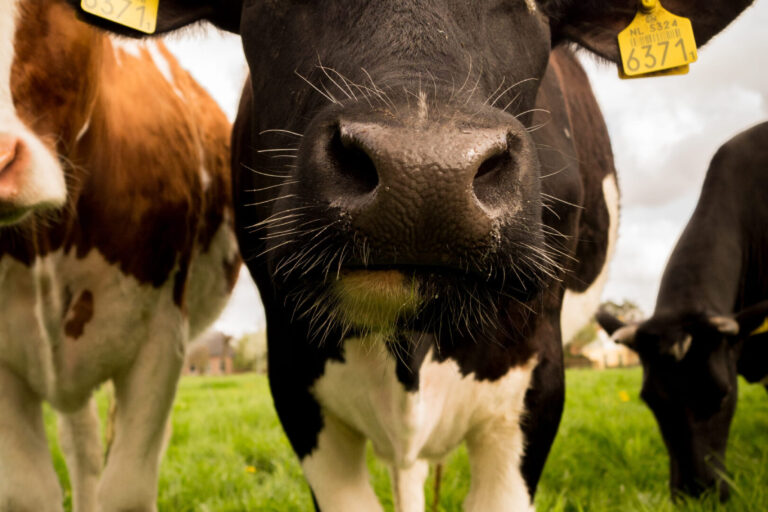
Preparing for the New Era: A Guide to Cattle EID in England (2027)
The Future of Cattle EID The landscape of British livestock farming is shifting. Following a landmark announcement by Defra, the UK is transitioning from manual, visual-only cattle tracking to a sophisticated digital system. From 2027, mandatory Electronic Identification (EID) will be introduced for all newborn calves in England. For farmers, this isn’t just a regulatory…
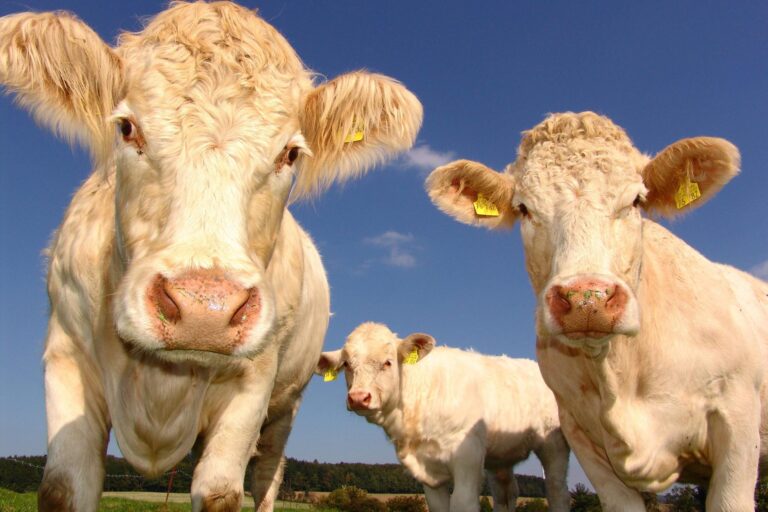
How Youngstock Management Reduces TB Transmission Risk
Effective Youngstock Management Reduces TB Transmission Youngstock are the future of every beef and dairy enterprise – but they are also one of the most vulnerable groups when it comes to bovine TB. Calves and growing cattle have developing immune systems, higher susceptibility to infection, and more frequent close‑contact behaviours that increase transmission risk. While…
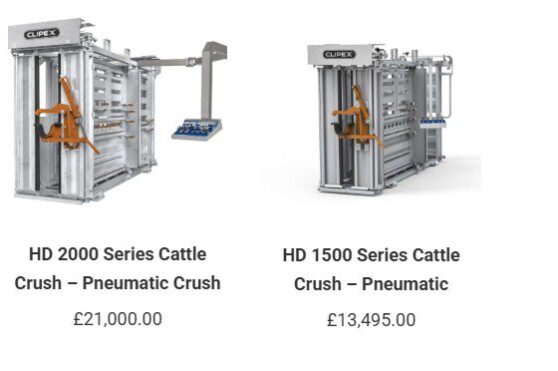
FETF60 and FETF61 Cattle Crush Grants: Engineering Safety
FETF Cattle Crush Codes FETF60 & FETF61 The 2026 agricultural landscape in the UK is being shaped by a definitive move toward professionalised, safe, and efficient infrastructure. FETF60 and FETF61 cattle crush grants offer huge cost savings to increase both handler and cattle engineering safety and efficiencies and cost savings. For the team at Farming…
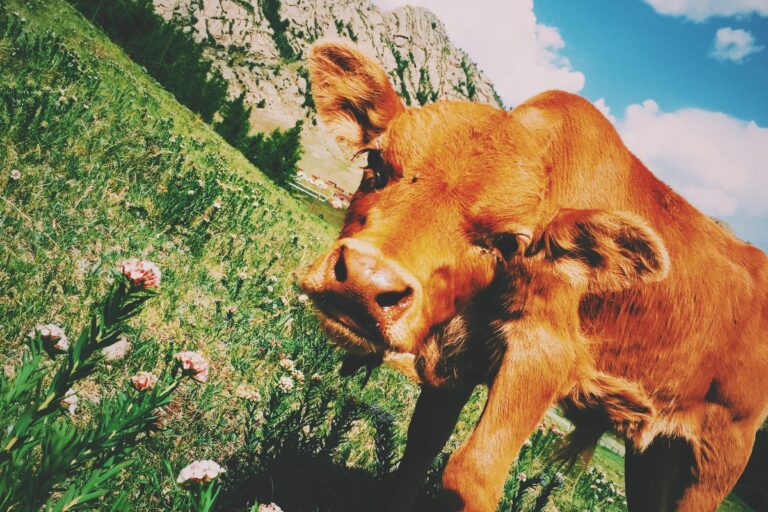
Calf Pen Design: The Ultimate Guide to Safer, Low-Stress Care
If your calf pen design makes you climb a gate, wrestle a latch, or drag a calf out of a dead corner, it’s not “just a pen” – it’s a daily risk and a time sink. Those small frustrations add up fast in winter, when bedding is heavier, floors are wetter, and every extra trip…
How to Maintain Your Cattle Crush for Long‑Term Performance
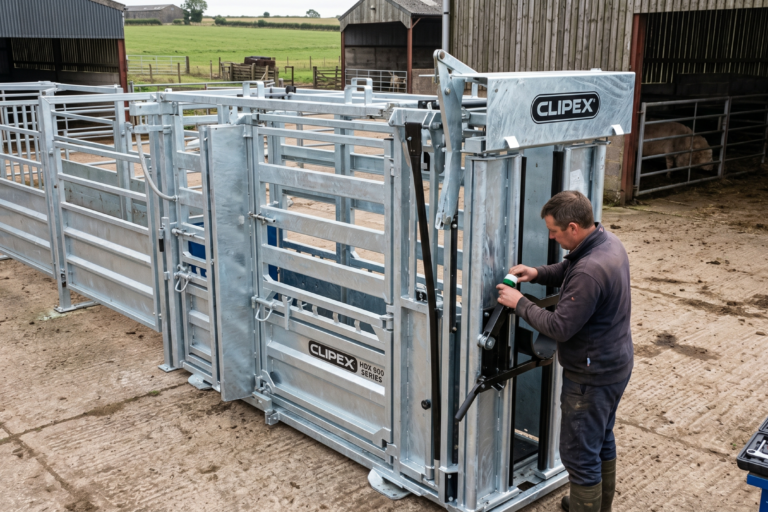
Maintain Your Cattle Crush For Longevity Cattle crushes are a core component of cattle handling equipment on any UK farm. Whether you’re running a beef suckler herd, a dairy unit, or a mixed enterprise, the crush is central to safe, efficient handling. It’s used for everything from TB testing and dosing to foot trimming, AI,…
FETF 2026 Livestock Grant Guide: Secure 50% Funding
The Complete Guide to FETF 2026: How to Secure Up to 50% Funding for Livestock Equipment The 2026 Farming Equipment and Technology Fund (FETF) represents a pivotal opportunity for UK livestock producers to modernise their holdings. This guide clearly outlines FETF Grant Approved products and how to secure funding. Unlike previous years, the 2026 window…
Cattle Crush Selection for UK Farms: Integration That Works
Cattle Crush Selection UK Cattle Crush Selection UK Farms – The fastest way to turn a “good” cattle crush into a slow, stressful job is to drop it into a yard that doesn’t quite fit, which is why cattle crush selection for UK farms is important to get right. A race that narrows by a…
Sheep Handling: Fix Yard Flow on UK Farms
If your sheep handling day always seems to go wrong in the same spot, it’s probably not the sheep. It’s the sheep yard design. One hesitant ewe at the race entrance can turn a straightforward job into stop-start traffic: backing up, spinning, people stepping into pressure to “help”, and the whole line learning to fight…
Sheep Yard Design: How to Build a Safer, Faster Flow
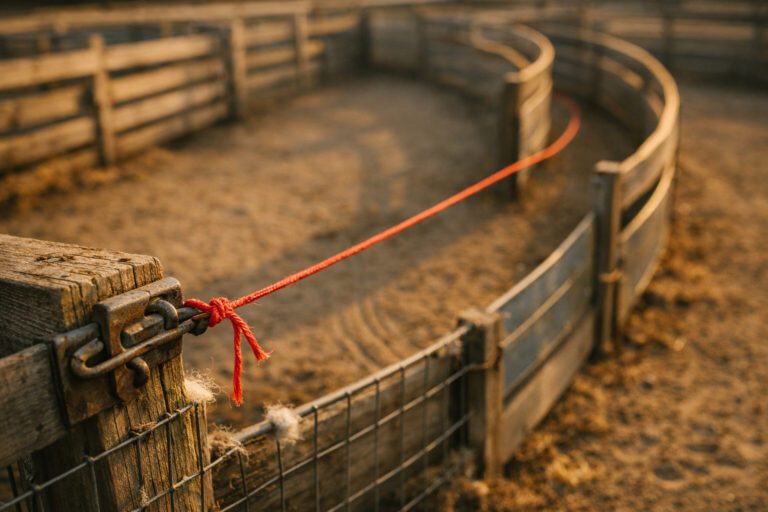
If your sheep yard keeps jamming at the race mouth, you can feel it in five minutes: sheep spin, the noise goes up, and someone ends up standing where sheep want to go. That’s rarely “bad sheep”. It’s usually a layout that breaks the forward draw with a blind corner, a dead-end, or a pen…
How to Handle Large, Strong or Aggressive Cattle Safely
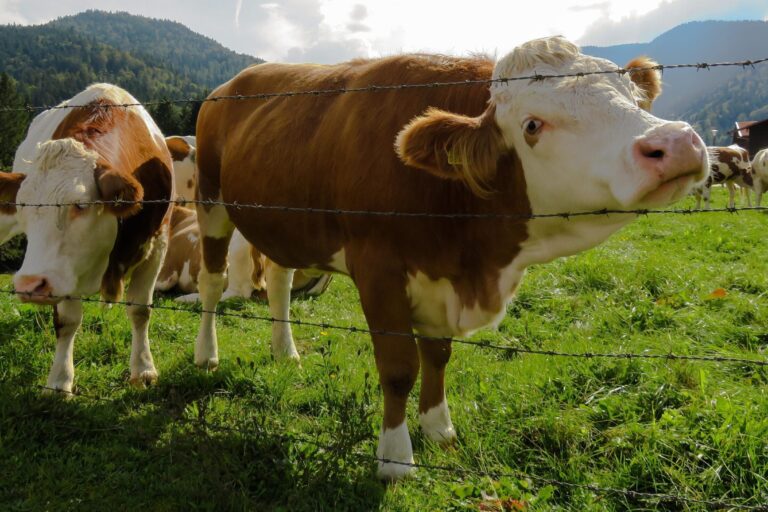
How to Handle Large, Strong or Aggressive Cattle Safely: Practical Advice for UK Farms Handling cattle is a routine part of farm life, but when animals are large, strong, or showing signs of aggression, the risks increase dramatically. Whether you’re working with powerful beef animals, protective suckler cows, or big dairy cows during foot trimming…
Improving Cattle Flow: Behaviour‑Based Handling Tips
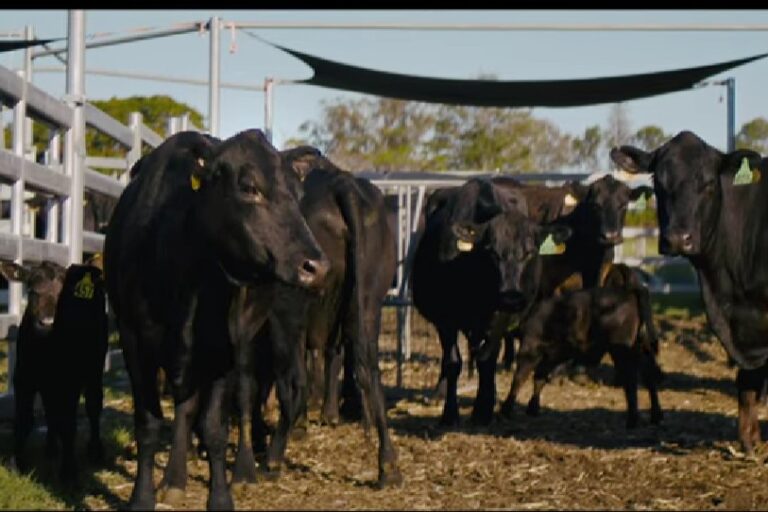
Handling tips to improve cattle flow Improving cattle flow – Good cattle flow is the foundation of safe, efficient livestock handling. Whether you’re working with dairy cows, beef stores, or suckler cows with calves at foot, smooth movement through your cattle handling system reduces stress, improves welfare, and makes routine tasks faster and safer. Poor…
The Role of Handling Systems in TB Control
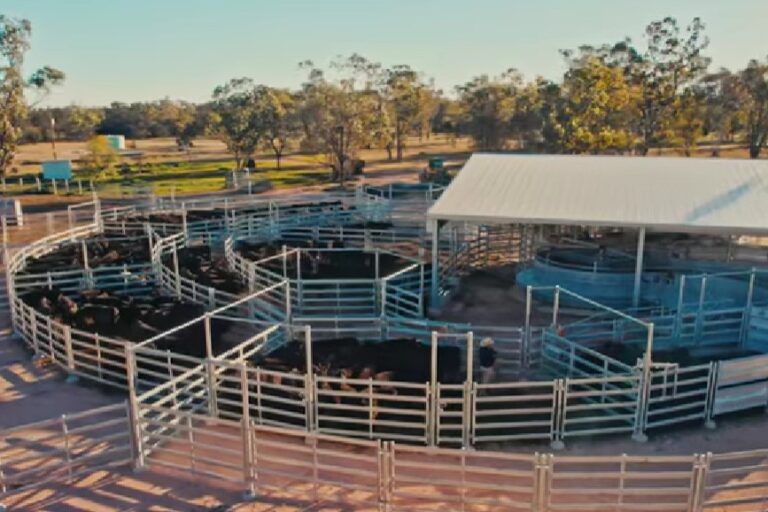
The important role of Handling Systems in TB Control The Role of Handling Systems in TB Control – Bovine TB remains one of the most disruptive and costly diseases affecting UK cattle farms. While wildlife control, testing regimes, and biosecurity at pasture often dominate the conversation, one area that deserves far more attention is the…
HDX vs HD Series – Understanding the Clipex Crush Range
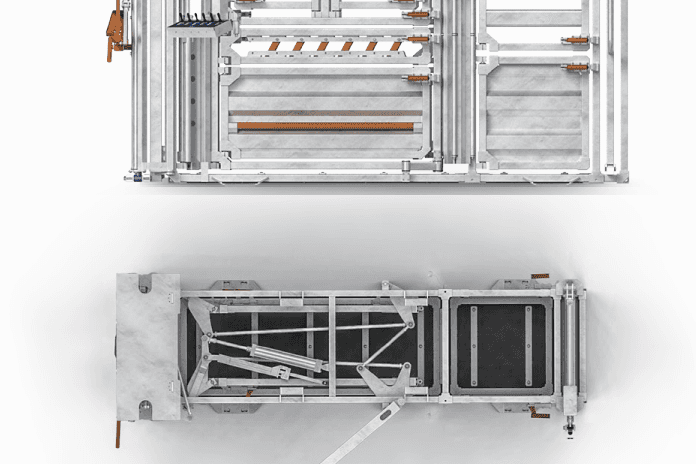
HDX vs HD Series Choosing the right Clipex crush for your cattle handling system HDX vs HD Series – Clipex offers two main crush families: the HDX Series and the HD Series. Both are built for strength, safety and low‑stress handling – but they’re designed for different types of farms. Here’s a clear breakdown of…
Manual vs Pneumatic Crushes – Which Is Best for Your System?
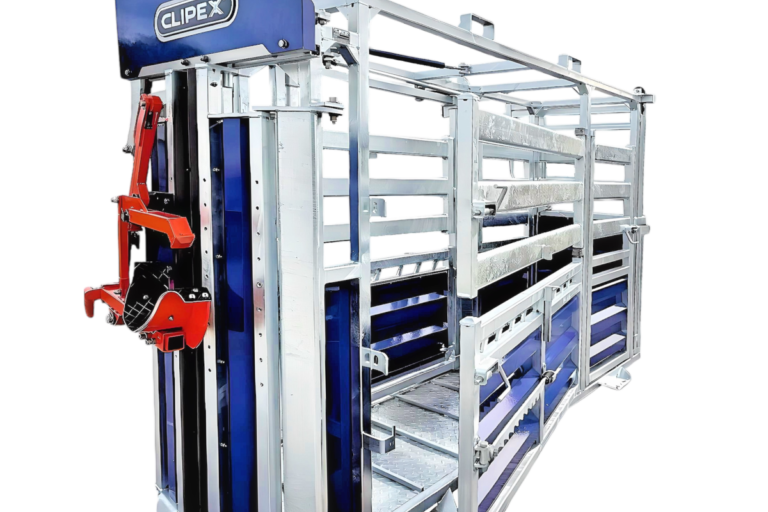
Manual vs Pneumatic Crushes Understanding the differences so you can choose the right crush for your farm cattle crushes are one of the most important investments a livestock farm will ever make. It affects safety, efficiency, animal welfare, labour requirements and long‑term running costs. Today, farmers typically choose between manual and pneumatic crushes – but…
FETF 2026 for Sheep Handling System Upgrades
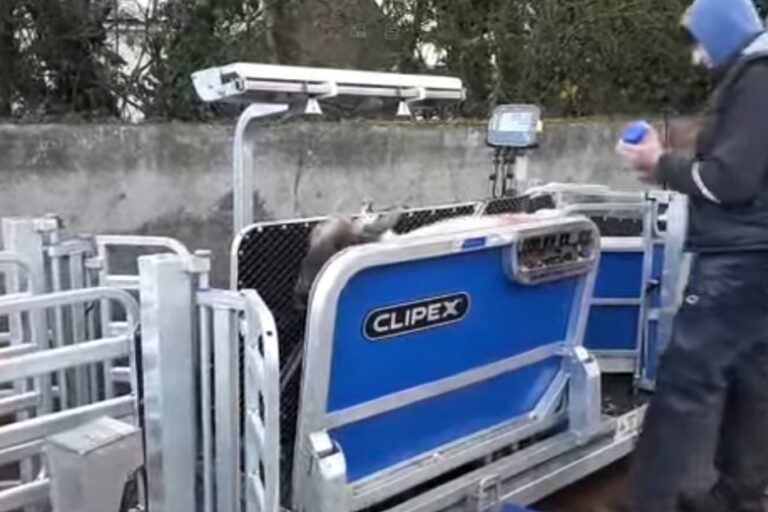
The Farming Equipment and Technology Fund (FETF) 2026 FETF 2026 for Sheep Handling System Upgrades – The Farming Equipment and Technology Fund (FETF) 2026 is now open – and it’s the final round in its current form. While much of the noise online focuses on cattle equipment, sheep farmers have some of the strongest upgrade…
FETF 2026 Application: How to Score Highly
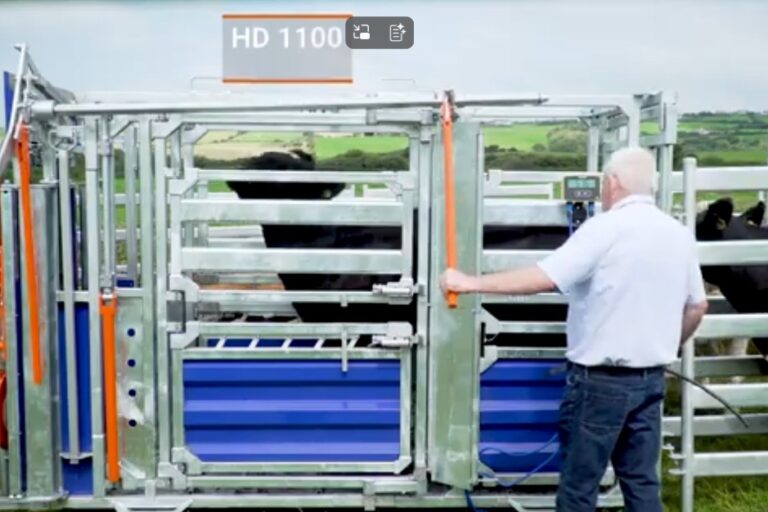
FETF 2026 Application (Farmer Friendly Guide) FETF 2026 Application: How to Score Highly – The Farming Equipment and Technology Fund (FETF) 2026 is now open – and because this is the final round in its current form, competition will be fierce. FETF is a scored scheme, which means applications are ranked, and the highest‑scoring ones…
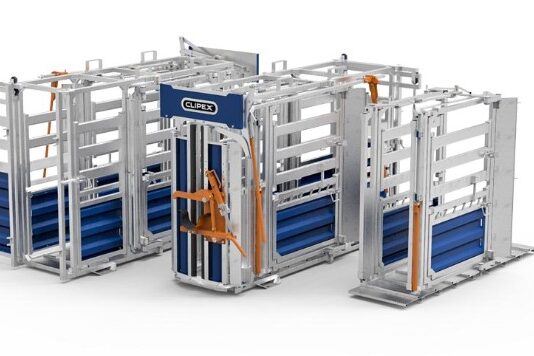
FETF 2026 for Cattle Handling System Upgrades
The Farming Equipment and Technology Fund (FETF) 2026 FETF 2026 for Cattle Handling System Upgrades – The Farming Equipment and Technology Fund (FETF) 2026 is now open – and it’s the final round in its current form. With £50 million available across Productivity, Animal Health & Welfare, and Slurry themes, this is the last chance…
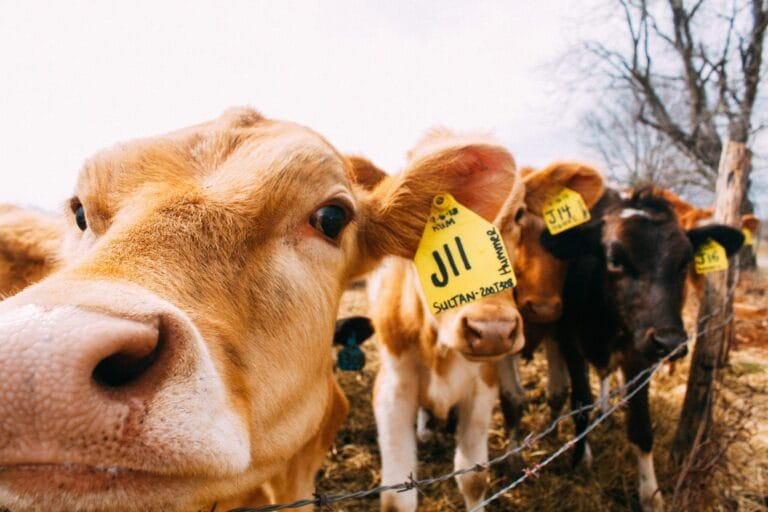
Grants & Funding for Cattle Handling Equipment (2026)
Grants & Funding for Cattle Handling Equipment (Updated for 2026) Grants & Funding for Cattle Handling Equipment – Investing in high‑quality cattle handling equipment is a crucial decision for a cattle farmer. Whether you’re upgrading your cattle crush, redesigning your cattle race, or installing a new cattle handling system, the right cattle equipment improves safety,…
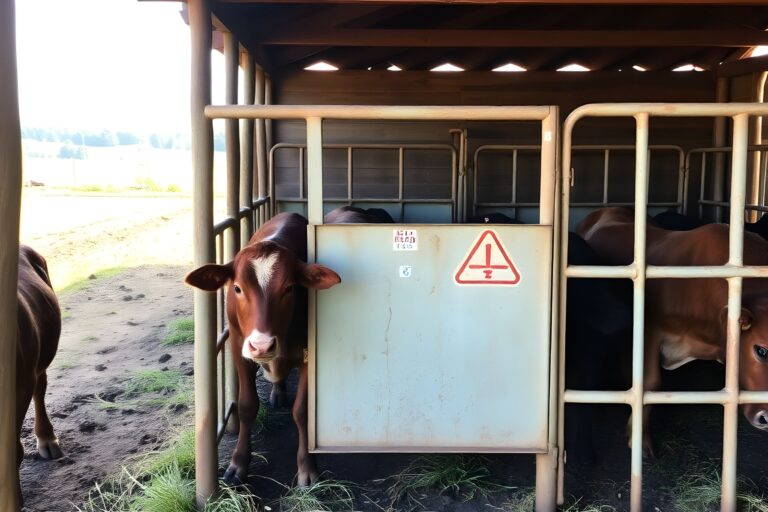
The True Cost of Poor Handling Equipment (And How to Avoid It)
The Cost of Poor Handling Equipment The True Cost of Poor Handling Equipment – Investing in high‑quality cattle handling equipment isn’t just about convenience – it’s about safety, efficiency, animal welfare, and long‑term profitability. Yet many UK farms still rely on outdated, poorly maintained, or under‑spec’d cattle equipment like cattle crushes because it “still works”…
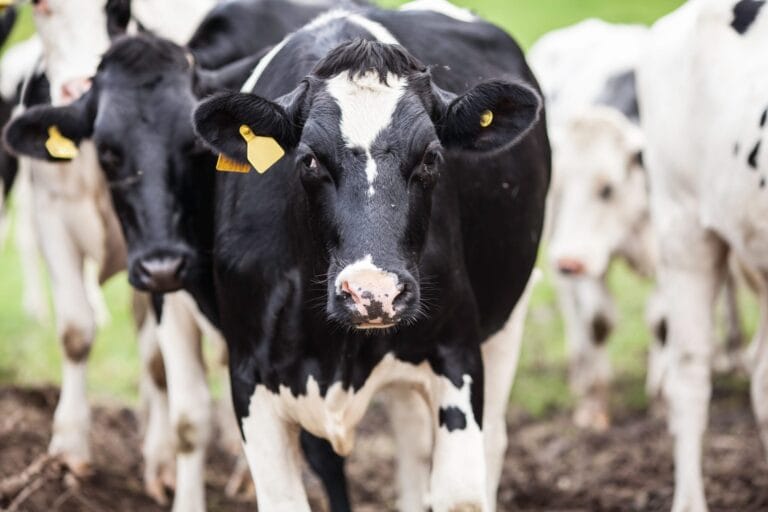
Designing a Handling System for Mixed Beef and Dairy Enterprises
Designing a Handling System for Mixed Beef and Dairy Enterprises: Choosing the Right Crush and Equipment Mixed beef and dairy enterprises are becoming increasingly common across the UK, with many farms running suckler cows alongside a milking herd, or finishing beef animals from dairy‑bred calves. While this diversification brings resilience and flexibility, it also poses…
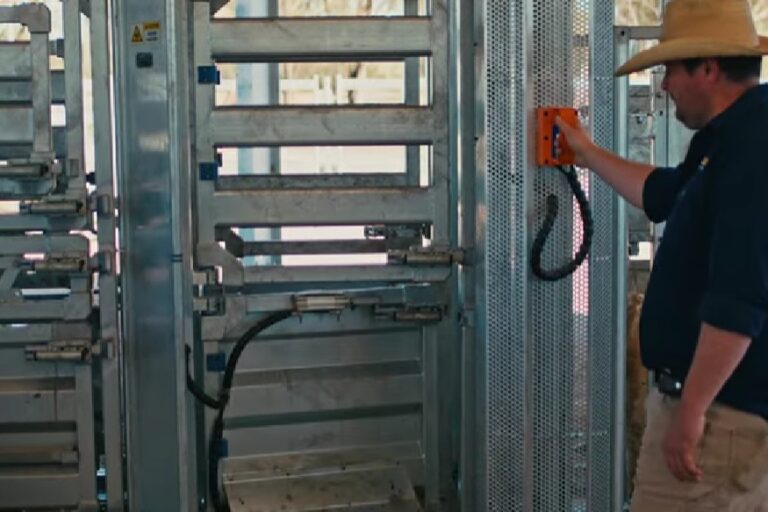
Manual vs Hydraulic Cattle Crushes: Which Is Best for Your Farm?
Which handling equipment is best for your farm: Manual vs Hydraulic Cattle Crushes Manual vs Hydraulic Cattle Crushes – Choosing the right cattle crushes is one of the most important decisions any livestock farmer will make. Whether you’re running a beef, dairy, or mixed enterprise, the crush sits at the heart of your cattle handling…

Practical Ways to Reduce TB Risk in Cattle Handling Areas
Reducing bovine TB risk in cattle handling areas Bovine TB remains one of the most challenging and costly diseases facing UK cattle farms, so knowing how to reduce TB risk in cattle handling areas is crucial. While much of the focus is placed on wildlife control, testing regimes, and biosecurity at pasture, one area that…
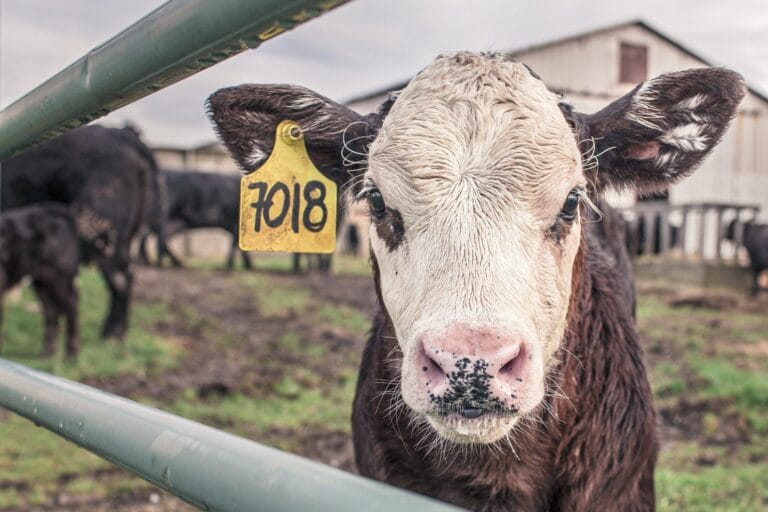
The Best Crush Features for Beef Suckler Herds
Beef suckler herds and crush feature requirements Crush features for beef suckler herds – Suckler herds present some of the toughest handling challenges on UK farms. Cows with calves at foot, strong store cattle, and unpredictable temperament all demand cattle handling equipment that is robust, safe and designed to give handlers maximum control. Unlike dairy…
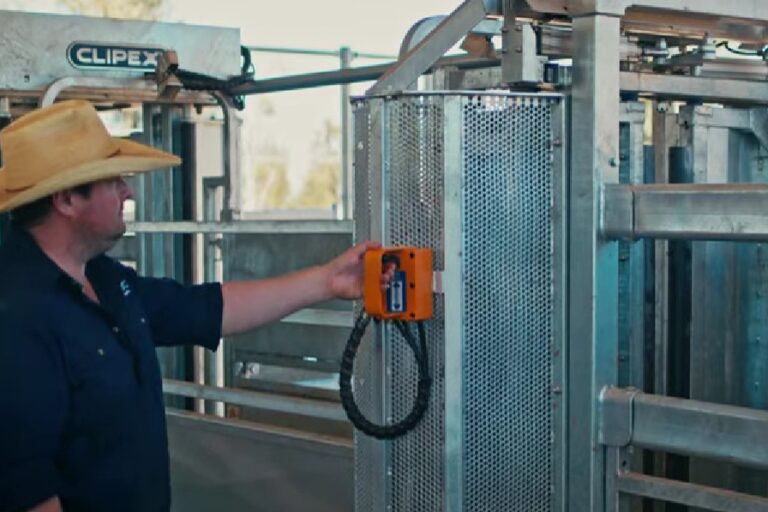
How to Design a Safe and Efficient Cattle Handling System
Designing a safe and efficient cattle handling system A safe and efficient cattle handling system – Well‑designed cattle handling systems are one of the most important investments a farm can make. Whether you’re running a beef suckler herd, a dairy unit, or a mixed enterprise, the layout and quality of your cattle handling equipment directly…
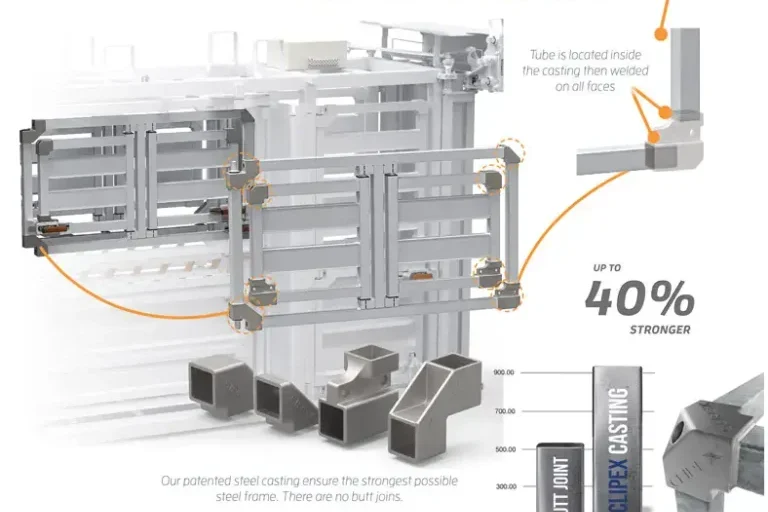
Heavy‑Duty Cattle Crushes: Are They Worth It?
Heavy‑Duty Cattle Crushes: Are They Worth It? A Cost‑Benefit Breakdown for UK Farms Are heavy-duty cattle crushes worth it? – Investing in cattle crushes as part of their cattle handling equipment is one of the most important decisions a livestock farmer will make. It affects safety, efficiency, labour, animal welfare, and long‑term profitability. But with…
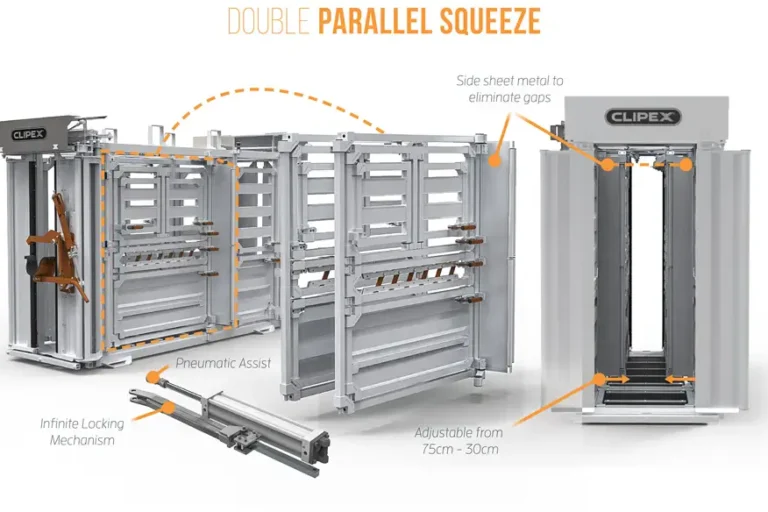
Choosing Between the Clipex HD or HDX Series Cattle Crushes
Choosing Between the Clipex HD or HDX Series Cattle Crushes: A Complete Guide for UK Beef and Dairy Farms Choosing Between the Clipex HD or HDX Series – Investing in the right cattle crushes is one of the most important decisions a livestock farmer can make. Whether you run a high‑throughput beef unit, a busy…
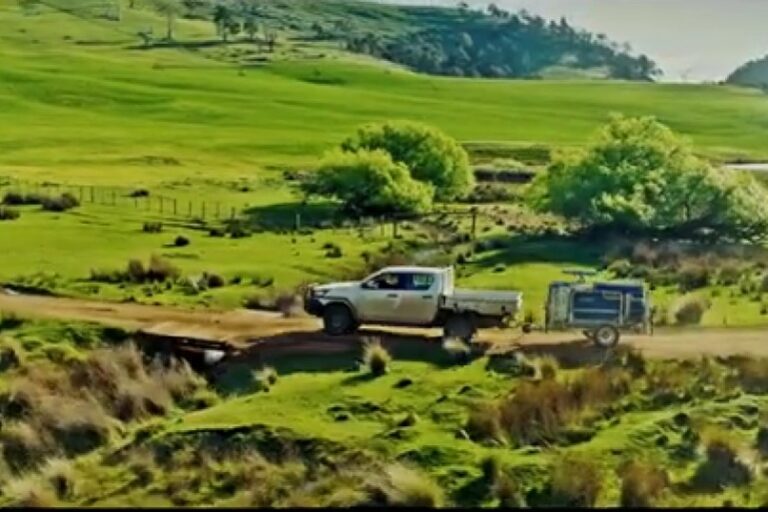
Welsh Small Grants – Efficiency Scheme: Upgrade Your Livestock Handling Equipment
Welsh Small Grants Efficiency Scheme The latest Small Grants – Efficiency (Window 5) scheme from the Welsh Government is a major opportunity for Welsh farmers to invest in better livestock handling equipment—including cattle crushes, sheep handlers, auto drafters, weighing and EID systems—at a heavily discounted cost. Used well, it can transform safety, labour efficiency and…

How to Choose the Right Sheep Handler for Your Flock Size
Choosing the Right Sheep Handler for Your Flock Size Choosing the right sheep handler is one of the most important decisions you’ll make when upgrading your sheep handling equipment. A good handler reduces labour, improves safety, speeds up routine tasks and supports better flock management. But with so many options available – from manual sheep…
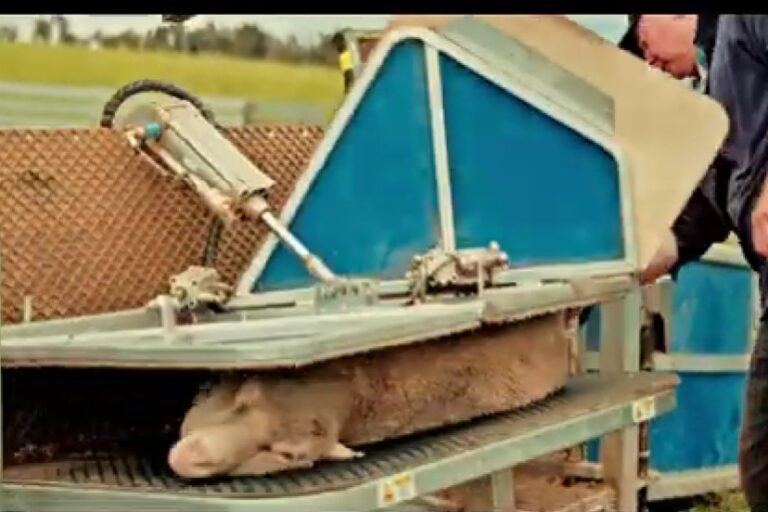
Sheep Handlers vs Auto Drafters
Sheep Handlers vs Auto Drafters: What’s the Difference & Which Do You Need? Sheep Handlers vs Auto Drafters – Efficient sheep handling is one of the biggest labour challenges on UK farms. Whether you’re weighing lambs, dosing ewes, dagging, condition scoring or sorting groups, the right equipment can transform the speed, safety and accuracy of…
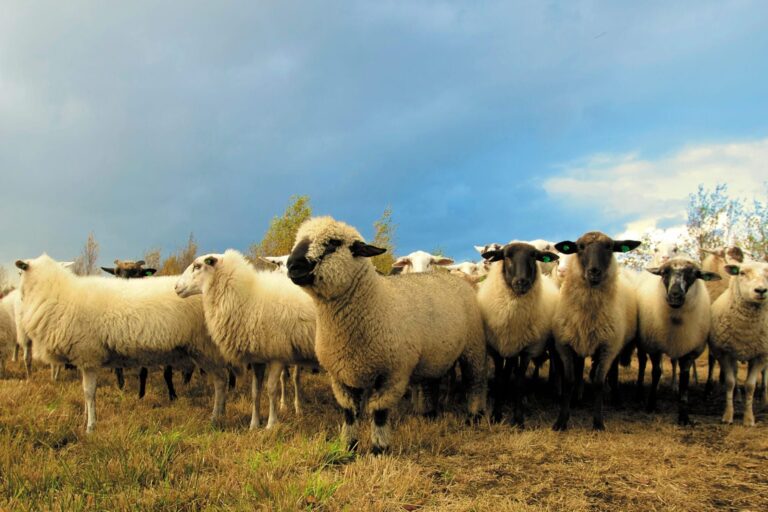
Sheep EID – How to Use It Effectively
EID for Sheep Practical strategies for better flock management, compliance and performance tracking Electronic Identification (EID) has been mandatory for sheep in the UK since 2010, although many farms still underuse its full potential. When integrated properly into sheep handling systems, Sheep EID becomes a powerful tool for improving flock management, simplifying compliance and reducing…
The Role of EID & Weighing in TB Monitoring
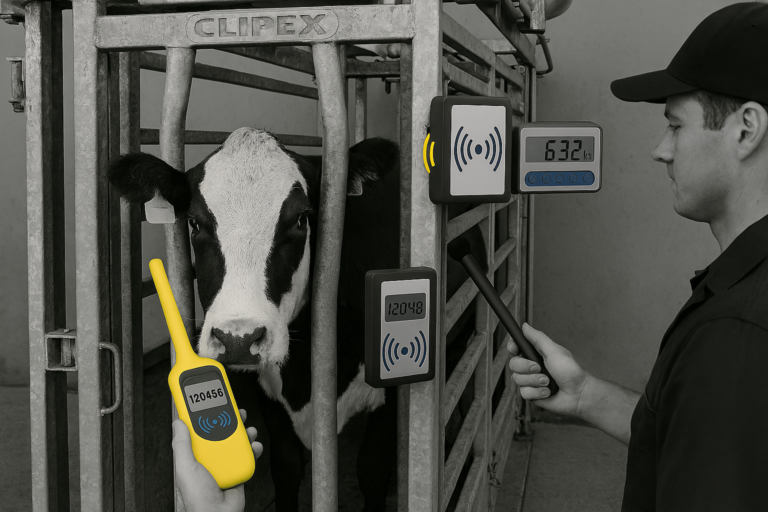
EID & Weighing in TB Monitoring How smart livestock equipment improves traceability, accuracy and disease control EID & Weighing in TB Monitoring – Bovine Tuberculosis Prevention – Bovine TB remains one of the most persistent and costly challenges in UK cattle farming. With movement restrictions, repeated testing and the emotional strain of reactor breakdowns, farmers…

How to Integrate EID Readers Into Your Cattle Handling System
Integrating EID Readers into Your Handling System Practical guidance for smoother, faster, more accurate cattle handling How to Integrate EID Readers Into Your Cattle Handling System – Electronic Identification (EID) is transforming cattle handling systems. With mandatory EID for calves arriving in 2027, now is the time to integrate EID readers into your cattle yard.…
Designing Handling Systems for One-Person Operation
One-Person Handling Systems How to build cattle and sheep yards that work efficiently with minimal labour One‑person handling is no longer a luxury – it’s becoming a necessity. With labour shortages, rising costs and increasing compliance demands, UK farms need livestock handling systems that allow safe and efficient handling with minimal staff. A well‑designed yard…
How to Reduce Labour in Livestock Handling
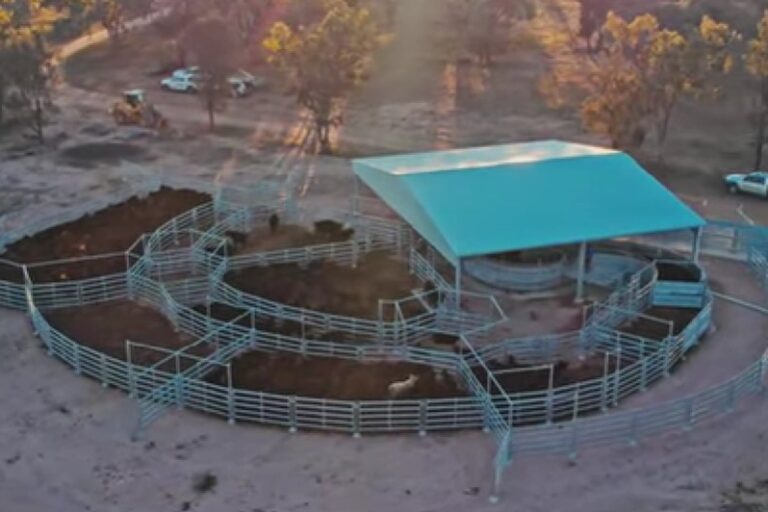
Reducing Labour in Livestock Handling Practical strategies for safer, faster, more efficient cattle and sheep work How to Reduce Labour in Livestock Handling – Labour is one of the biggest pressures facing UK livestock farms today. With fewer people available, rising costs, and increasing compliance demands, farmers are being pushed to do more with less.…
How Yard Design Impacts Stress Levels in Cattle
Getting Yard Design Right to Improve Cattle Stress Levels A practical guide to calmer, safer, more efficient cattle handling systems Good cattle yard design isn’t just about efficiency – it’s one of the biggest factors influencing stress levels in cattle. When cattle move calmly, predictably and willingly, everything becomes easier: weighing, dosing, TB testing, loading,…
UK Sheep EID – How to Use It Effectively in 2025 and Beyond
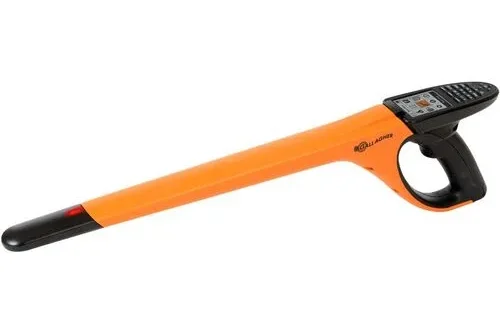
UK Sheep EID Practical advice for flock traceability and smarter management UK Sheep EID has been mandatory for over a decade, but many farmers still underuse its full potential. Whether you’re tagging lambs, recording treatments, or drafting by weight, electronic identification can transform flock management. Here’s how to make the most of Sheep EID 1.…
UK Cattle EID: What Farmers Need to Know (2025–2027)
UK Cattle EID Electronic Identification is coming – here’s how to prepare UK Cattle EID – The UK is entering a new era of cattle traceability. From 2027, all newborn calves in England must be fitted with electronic ID (EID) tags, replacing manual systems with digital tracking. This change, announced by Defra, is designed to…
Clipex HD1500 vs HD2000: What’s the Difference?
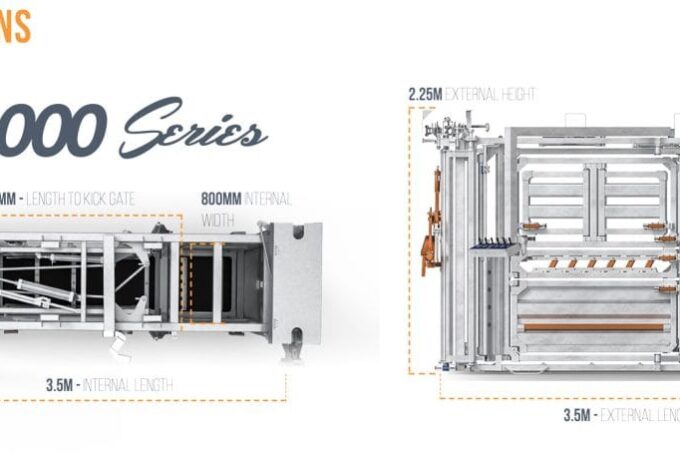
Clipex HD1500 vs HD2000: What’s the Difference? A practical comparison for UK cattle farmers choosing between two premium pneumatic crushes The HD1500 and HD2000 are both high-end pneumatic cattle crushes from Clipex, designed for fast, low‑stress, one‑person handling. They share many core features, a double parallel squeeze, hot-dip galvanised construction, silent operation, a heavy-duty head…
Clipex HDX1300 vs HDX1100: What’s the Difference?
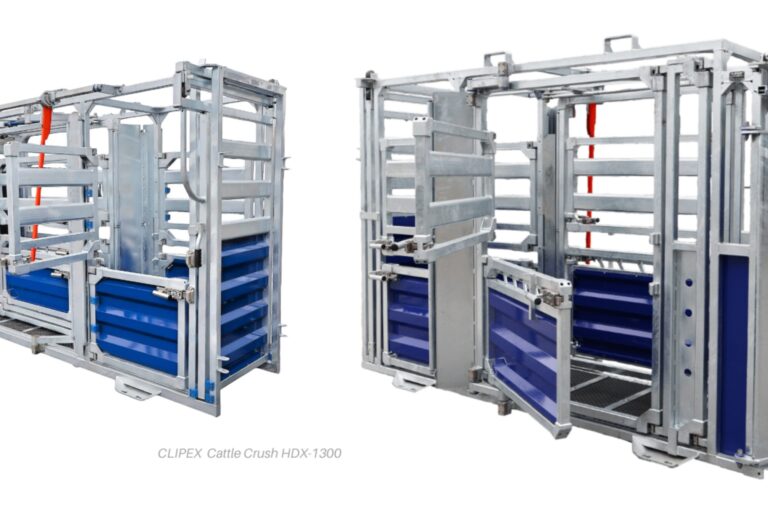
Clipex HDX1300 vs HDX1100 A practical comparison for UK cattle farmers Both the HDX1100 and HDX1300 are heavy-duty manual cattle crushes from Clipex, cattle handling equipment designed for safe, efficient handling. They share many core features – double parallel squeeze, silent locking, full vet section, anti‑bruise rails, split gates, sheeted bottom doors, and hot‑dip galvanised…
Clipex Sheep Handler Comparison
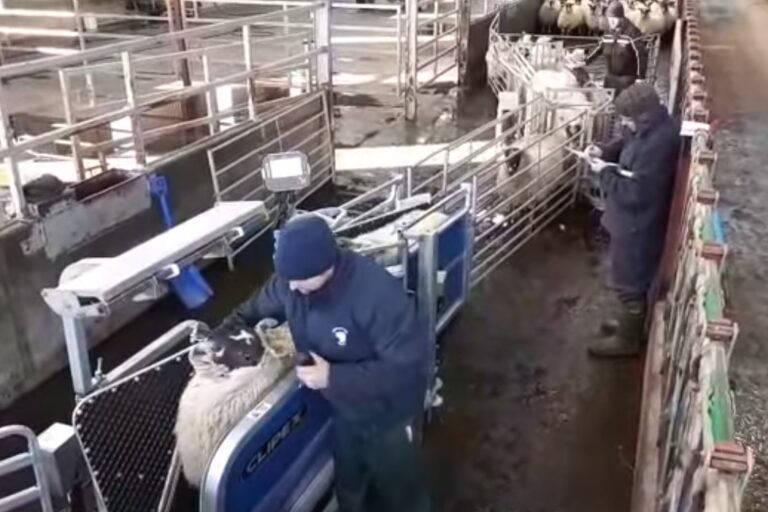
Clipex Sheep Handler Comparison: 6‑in‑1 Auto Drafter vs Automatic Sheep Handler A practical guide to choosing the right system for your flock Clipex Sheep Handler Comparison – Choosing the right sheep handling system can transform flock management, reducing labour, improving safety, and speeding up routine tasks such as drafting, weighing, drenching and dagging. Clipex offers…
Cattle Crush Comparison: Which Type Is Best for Your Farm?
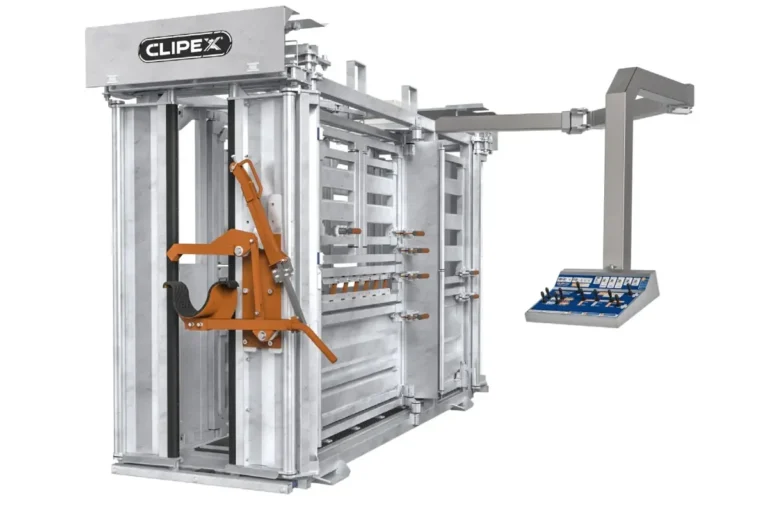
Cattle Crush Comparison A practical guide to choosing the right crush for safety, efficiency and long‑term value Cattle Crush Comparison – Choosing the right cattle crush is one of the most important equipment decisions a livestock farm can make. A good crush improves safety, reduces stress, speeds up routine tasks and protects both handlers and…
The Most Common Yard Design Mistakes (and How to Fix Them)
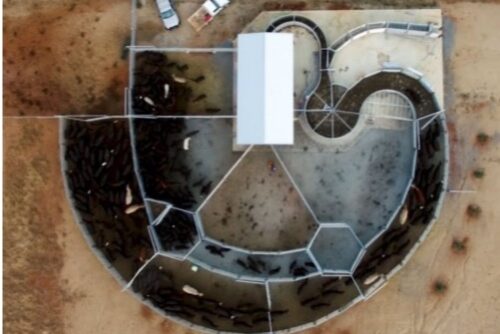
A practical guide for safer, faster, low‑stress livestock handling. A well‑designed yard can transform the way a farm handles cattle or sheep, reducing labour, improving safety, speeding up routine tasks and lowering stress for livestock. But even good yards often suffer from design flaws that slow everything down or make handling more difficult than it…
On‑Farm TB Prevention: What Are the Most Effective Measures?
What Are the Most Effective On‑Farm TB Prevention Measures? A Practical Breakdown for UK Cattle Farmers** Bovine TB continues to place huge pressure on UK cattle farms, but the good news is that many of the most effective prevention measures are simple, practical and easy to integrate into everyday routines. While no single action can…
How Can I Reduce the Risk of Bovine TB on My Farm?
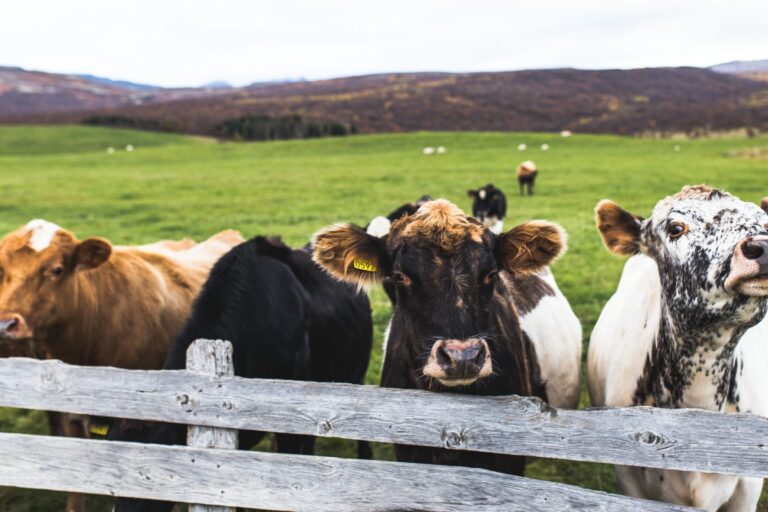
A Practical Guide for UK Livestock Farmers Bovine TB remains one of the most disruptive and costly challenges facing UK cattle farms. A single breakdown can halt sales, restrict movements, increase labour and place huge pressure on herd health and business continuity. While no single measure can eliminate risk entirely, farmers can significantly reduce exposure…